Noah Parker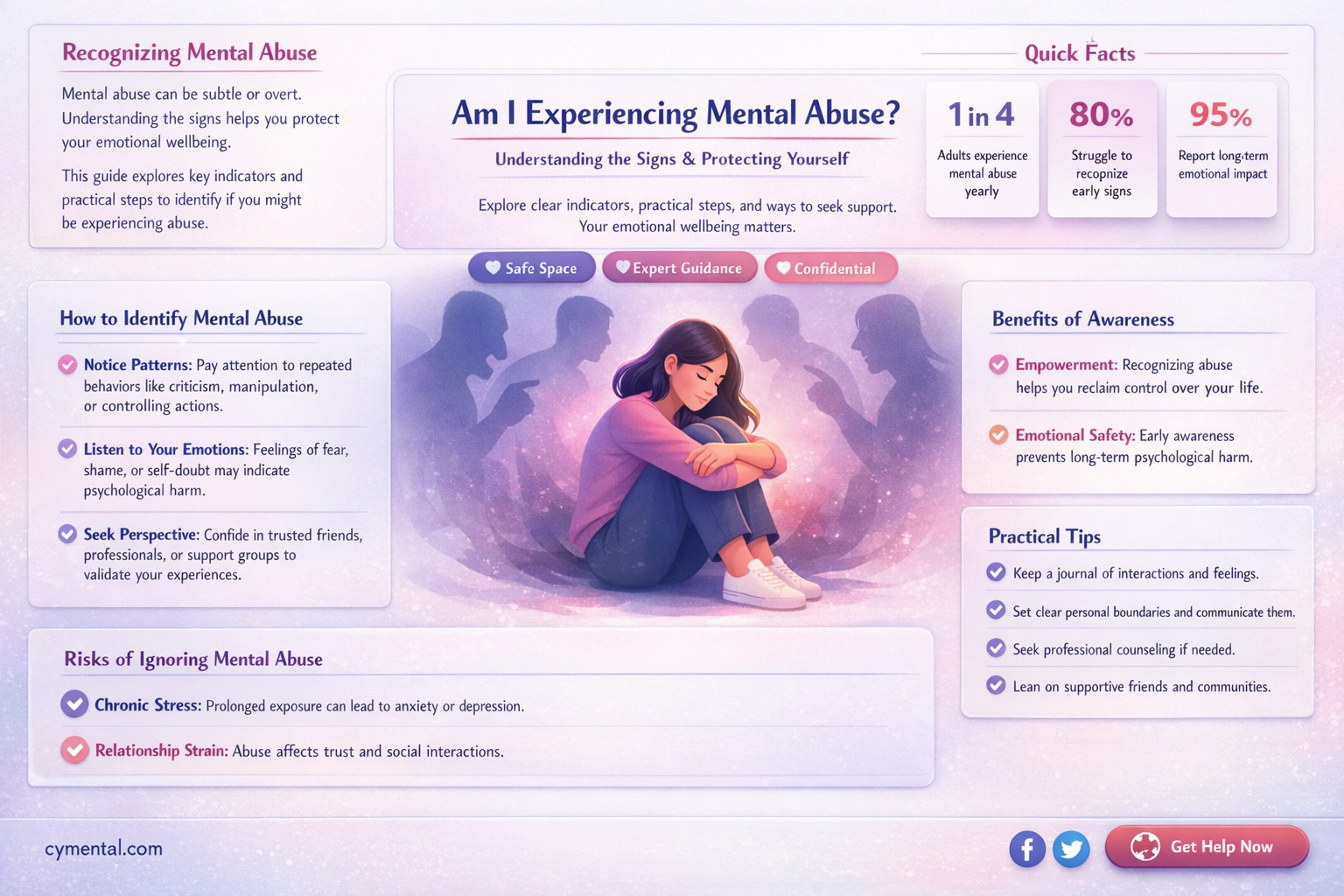
Mental abuse, also known as psychological abuse, is a form of mistreatment that can have profound effects on a person's emotional and psychological well-being. It often involves tactics such as manipulation, intimidation, and belittling, which can be subtle and difficult to recognize. If you're questioning whether you're experiencing mental abuse, it's important to reflect on your relationships and interactions with others. Consider if someone is consistently making you feel worthless, controlling your actions, or isolating you from friends and family. Recognizing the signs of mental abuse is the first step towards seeking help and reclaiming your autonomy and self-esteem.
Explore related products

What You'll Learn
- Signs of Mental Abuse: Recognizing behaviors like manipulation, belittling, and gaslighting that indicate mental abuse
- Impact on Mental Health: Understanding how mental abuse affects self-esteem, anxiety, depression, and overall psychological well-being
- Strategies for Coping: Developing skills to manage emotions, set boundaries, and seek support while dealing with mental abuse
- Legal and Social Resources: Exploring available legal protections, counseling services, and social support networks for victims of mental abuse
- Preventive Measures: Learning how to identify potentially abusive relationships and take steps to prevent mental abuse before it starts

Signs of Mental Abuse: Recognizing behaviors like manipulation, belittling, and gaslighting that indicate mental abuse
Recognizing the signs of mental abuse is crucial for identifying and addressing harmful behaviors in relationships. One key indicator is manipulation, where an individual uses tactics such as guilt-tripping, lying, or playing on emotions to control another person's actions or decisions. This can manifest in subtle ways, such as making someone feel responsible for the abuser's happiness or well-being, or using threats to enforce compliance.
Belittling is another common sign of mental abuse, involving the abuser making derogatory comments or engaging in behaviors that undermine the victim's self-esteem and confidence. This can include criticizing their appearance, intelligence, or abilities, or dismissing their feelings and opinions as unimportant or invalid. Over time, this can lead to the victim feeling worthless or incapable of making their own decisions.
Gaslighting is a particularly insidious form of mental abuse, where the abuser seeks to distort the victim's perception of reality. This can involve denying past events, manipulating information, or making the victim question their own sanity or memory. Gaslighting can be especially damaging because it erodes the victim's trust in their own judgment and makes it difficult for them to seek help or support from others.
It's important to note that mental abuse can take many forms and may not always be overt or easily recognizable. Victims may feel confused, isolated, or unsure of what is happening to them. If you suspect that you or someone you know is experiencing mental abuse, it's crucial to seek support from a trusted friend, family member, or mental health professional. Remember that you are not alone, and there are resources available to help you navigate this difficult situation.
Navigating Mental Health Evaluations: A Compassionate Guide for Concerned Loved Ones
You may want to see also
Impact on Mental Health: Understanding how mental abuse affects self-esteem, anxiety, depression, and overall psychological well-being
Mental abuse can have profound and lasting effects on an individual's mental health. One of the primary impacts is on self-esteem. Constant criticism, belittling, and humiliation can erode a person's sense of self-worth, leading them to believe they are inadequate or worthless. This can manifest in a variety of ways, such as avoiding social interactions, feeling anxious in public settings, or becoming overly critical of oneself.
Anxiety is another significant consequence of mental abuse. The constant stress of living in an environment where one feels unsafe or threatened can lead to heightened levels of anxiety. This can result in physical symptoms such as headaches, stomachaches, and sleep disturbances. Additionally, individuals may develop avoidance behaviors, seeking to minimize contact with the abuser or situations that trigger their anxiety.
Depression is also a common outcome of mental abuse. The persistent negative messages and emotional invalidation can lead to feelings of hopelessness and despair. Individuals may lose interest in activities they once enjoyed, experience changes in appetite and sleep patterns, and have difficulty concentrating or making decisions. In severe cases, depression can lead to suicidal thoughts or attempts.
The overall psychological well-being of a person subjected to mental abuse can be severely compromised. They may struggle with trust issues, have difficulty forming healthy relationships, and experience a sense of isolation. The abuse can also lead to the development of unhealthy coping mechanisms, such as substance abuse or self-harm.
It is crucial for individuals who have experienced mental abuse to seek professional help. Therapy can provide a safe space to process the trauma and develop strategies for healing and recovery. Support groups can also be beneficial, offering a sense of community and validation from others who have gone through similar experiences. With the right support and resources, it is possible for individuals to rebuild their self-esteem, manage their anxiety and depression, and regain a sense of control over their lives.
Navigating Disability Benefits for Mental Health Conditions: A Comprehensive Guide
You may want to see also
Strategies for Coping: Developing skills to manage emotions, set boundaries, and seek support while dealing with mental abuse
One effective strategy for coping with mental abuse is to develop emotional regulation skills. This involves learning to recognize and manage your emotions in a healthy way. Techniques such as deep breathing, mindfulness meditation, and journaling can help you become more aware of your emotional state and reduce feelings of anxiety or depression. By practicing these skills regularly, you can improve your ability to respond to stressful situations calmly and thoughtfully, rather than reacting impulsively or defensively.
Another important coping strategy is setting clear boundaries with the abusive person. This means communicating your needs and limits assertively, and being willing to enforce them if necessary. For example, you might tell the abuser that you will not tolerate certain behaviors, such as name-calling or belittling comments. It's essential to be firm and consistent in enforcing these boundaries, even if it means distancing yourself from the abuser temporarily. Remember that you have the right to protect yourself from harm, and setting boundaries is a crucial step in reclaiming your power and autonomy.
Seeking support from others is also a vital part of coping with mental abuse. This can involve reaching out to friends, family members, or a therapist who can provide emotional support and validation. Joining a support group for survivors of mental abuse can also be helpful, as it allows you to connect with others who have experienced similar situations and share coping strategies. Don't be afraid to ask for help – reaching out to others can be a sign of strength, not weakness.
In addition to these strategies, it's important to practice self-care and prioritize your physical and emotional well-being. This might involve engaging in activities you enjoy, getting regular exercise, and eating a healthy diet. Taking care of yourself can help you build resilience and reduce the impact of mental abuse on your overall health.
Finally, remember that coping with mental abuse is a process that takes time and effort. Be patient with yourself and celebrate small victories along the way. With the right strategies and support, you can learn to manage the effects of mental abuse and reclaim your life.
Navigating Jury Duty with Mental Health Considerations: What You Need to Know
You may want to see also
Legal and Social Resources: Exploring available legal protections, counseling services, and social support networks for victims of mental abuse
Victims of mental abuse often face a complex web of challenges when seeking help. Legal protections can vary widely depending on the jurisdiction, and navigating the legal system can be daunting. Counseling services provide a critical lifeline, offering emotional support and strategies for coping with the aftermath of abuse. Social support networks, including friends, family, and community organizations, can also play a vital role in the recovery process.
One key legal protection for victims of mental abuse is the ability to seek restraining orders or protective orders against their abusers. These orders can help to prevent further abuse and provide a sense of safety and security. Additionally, some jurisdictions have specific laws that criminalize mental abuse, allowing victims to pursue legal action against their abusers.
Counseling services can be accessed through a variety of channels, including mental health clinics, support hotlines, and online resources. These services can provide victims with a safe space to process their experiences, develop coping strategies, and rebuild their self-esteem. Group therapy can also be beneficial, allowing victims to connect with others who have experienced similar forms of abuse and share their stories.
Social support networks can be a powerful tool for victims of mental abuse, providing emotional support, practical assistance, and a sense of community. Friends and family members can offer a listening ear, help with daily tasks, and provide encouragement during the recovery process. Community organizations, such as women's shelters and advocacy groups, can also provide valuable resources and support.
In conclusion, victims of mental abuse have a range of legal and social resources available to them. By seeking out these resources, victims can take important steps towards healing and rebuilding their lives. It is crucial for victims to know that they are not alone and that help is available.
Unlocking Your Potential: A Guide to Continuous Improvement
You may want to see also
Preventive Measures: Learning how to identify potentially abusive relationships and take steps to prevent mental abuse before it starts
Recognizing the early signs of mental abuse is crucial in preventing its escalation. One key indicator is the feeling of being constantly criticized or belittled, which can erode self-esteem over time. Another sign is the presence of control tactics, such as isolating you from friends and family or monitoring your activities. It's also important to note if you feel like you're walking on eggshells around your partner, always trying to avoid conflict or please them.
To prevent mental abuse, it's essential to establish healthy boundaries in relationships. This involves clearly communicating your needs and expectations, and being willing to enforce them. For example, if your partner is consistently critical, you might set a boundary that you will not engage in conversations that involve personal attacks. It's also important to maintain your independence, including having your own hobbies, friends, and financial resources.
Seeking support from trusted friends, family, or a therapist can also be a preventive measure. Talking to someone about your concerns can help you gain perspective and develop strategies for dealing with abusive behavior. Additionally, educating yourself about the dynamics of abusive relationships can empower you to recognize and respond to red flags.
In some cases, it may be necessary to end a relationship to prevent further mental abuse. This can be a difficult decision, but it's important to prioritize your well-being. If you're unsure about whether to leave, consider seeking guidance from a domestic violence hotline or a mental health professional.
Remember, preventing mental abuse is an ongoing process that requires vigilance and self-awareness. By recognizing the signs, setting boundaries, seeking support, and educating yourself, you can take proactive steps to protect your mental health and well-being.
Navigating the Process: A Guide to Obtaining Conservatorship for the Mentally Ill
You may want to see also
Frequently asked questions
Mental abuse can manifest in various ways, including constant criticism, belittling, gaslighting, manipulation, and control over your actions and decisions. If you feel like you're walking on eggshells around someone, or if you're constantly questioning your own sanity, these could be indicators of mental abuse.
Disagreements are a normal part of relationships and typically involve differing opinions or perspectives. Mental abuse, on the other hand, involves a pattern of behavior intended to control, demean, or manipulate you. Look for consistency in how you're treated, and whether the other person's behavior is aimed at making you feel inferior or powerless.
Yes, mental abuse can occur in any type of relationship, including romantic partnerships, friendships, family relationships, and even professional settings. It's important to recognize the signs and seek support regardless of the context.
If you suspect you're being mentally abused, it's crucial to seek support from trusted friends, family, or a mental health professional. Documenting incidents can also be helpful in recognizing patterns of abuse. Remember, you deserve to be treated with respect and kindness.
Yes, mental abuse can have severe and long-lasting effects on your mental health. It can lead to anxiety, depression, post-traumatic stress disorder (PTSD), and other mental health issues. Seeking therapy and support can help you heal and regain control over your life.