Harper Lewis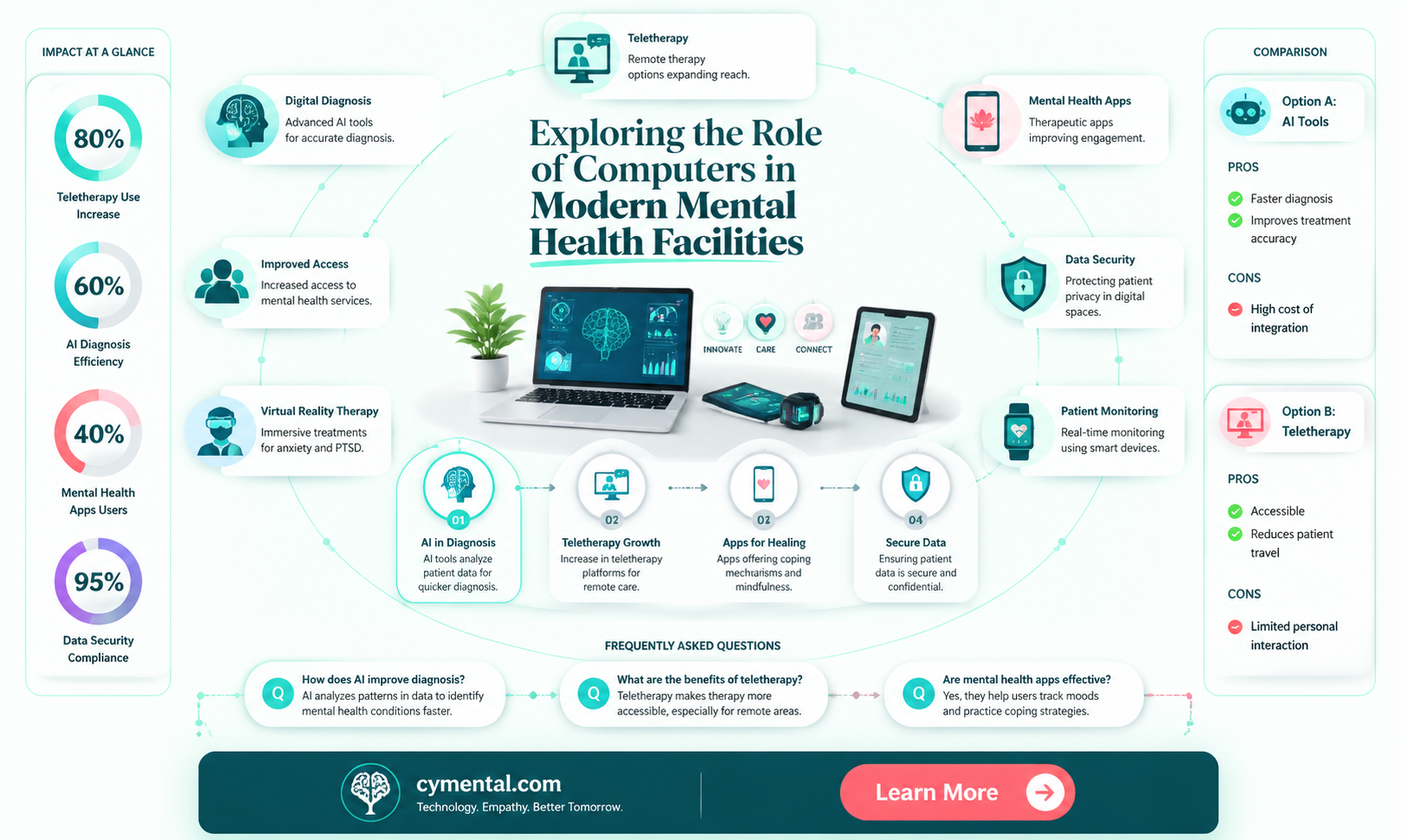
Computers in mental hospitals serve various purposes, from administrative tasks to therapeutic interventions. They can be used for electronic health records, streamlining communication among healthcare providers, and even as tools for cognitive behavioral therapy and other treatment programs. However, the integration of computers in mental health settings also raises important questions about privacy, security, and the potential impact on the therapeutic environment. This paragraph will explore the role of computers in mental hospitals, examining both their benefits and the challenges they present.
Explore related products


What You'll Learn
- Usage for Therapy: Computers in mental hospitals for therapeutic purposes, such as cognitive behavioral therapy and virtual reality exposure
- Patient Monitoring: Utilizing computers to monitor patient health, track medication schedules, and analyze treatment efficacy
- Access to Information: Patients' access to computers for educational resources, communication with family, and entertainment
- Security Concerns: Addressing potential security risks associated with computer use in mental health facilities
- Staff Training: Training mental health professionals to effectively integrate technology into patient care and treatment plans

Usage for Therapy: Computers in mental hospitals for therapeutic purposes, such as cognitive behavioral therapy and virtual reality exposure
Computers in mental hospitals are increasingly being utilized for therapeutic purposes, revolutionizing the way mental health care is delivered. One of the primary applications is in cognitive behavioral therapy (CBT), where computers can provide interactive modules and exercises that help patients identify and challenge negative thought patterns. These digital tools can offer a structured and engaging approach to therapy, making it more accessible and efficient for both patients and therapists.
Virtual reality exposure therapy (VRET) is another cutting-edge application of computers in mental health treatment. VRET uses computer-generated virtual environments to expose patients to situations that trigger their anxiety or phobias in a controlled and safe manner. This exposure can help patients gradually desensitize to their fears and develop coping mechanisms. For example, a patient with a fear of heights might be virtually placed on a high bridge or skyscraper, allowing them to confront and manage their anxiety in a simulated environment before attempting real-life exposure.
The integration of computers in mental hospitals also enables the use of telehealth services, where patients can receive therapy sessions remotely via video conferencing. This can be particularly beneficial for individuals in rural areas or those with mobility issues, as it eliminates the need for travel and can increase the frequency and consistency of therapy sessions. Telehealth can also facilitate collaboration between mental health professionals, allowing for consultations and shared resources that enhance the overall quality of care.
Moreover, computers can assist in the administration and management of mental health services. Electronic health records (EHRs) can streamline the documentation process, improve communication among healthcare providers, and ensure that patients receive coordinated care. Computerized systems can also track medication schedules, monitor patient progress, and flag potential issues or emergencies, enabling timely interventions and improving patient outcomes.
In conclusion, the use of computers in mental hospitals for therapeutic purposes is transforming the landscape of mental health care. From interactive CBT modules to immersive VRET environments, telehealth services, and advanced administrative systems, these digital tools are enhancing the accessibility, effectiveness, and efficiency of mental health treatment. As technology continues to evolve, it is likely that we will see even more innovative applications of computers in the field of mental health, further improving the lives of patients and the practice of therapy.
Exploring Options: Are There Any Free Mental Hospitals?
You may want to see also
Explore related products


Patient Monitoring: Utilizing computers to monitor patient health, track medication schedules, and analyze treatment efficacy
Computers play a pivotal role in modern patient monitoring within mental health facilities. These systems are designed to track a wide array of patient data, including vital signs, medication adherence, and behavioral observations. By digitizing this information, healthcare providers can access real-time insights into a patient's condition, enabling more timely and effective interventions.
One of the key benefits of computer-based patient monitoring is the ability to analyze treatment efficacy. Through the use of advanced algorithms and data analytics, these systems can identify patterns and trends in patient data that may not be immediately apparent to human clinicians. This can lead to more personalized treatment plans and improved patient outcomes.
In addition to monitoring patient health, these computer systems are also used to track medication schedules. This ensures that patients receive their medications on time and in the correct dosages, reducing the risk of adverse effects and improving overall treatment adherence. Some systems even have automated alerts that notify staff when a patient is due for medication or if there are any discrepancies in their medication regimen.
The implementation of computer-based patient monitoring systems in mental hospitals has also led to increased efficiency and reduced administrative burden. By automating routine tasks such as data entry and record-keeping, healthcare providers can focus more on direct patient care. Furthermore, these systems can facilitate better communication and collaboration among multidisciplinary care teams, ensuring that all members are informed and aligned in their approach to patient care.
Despite the numerous benefits, there are also challenges associated with the use of computers in patient monitoring. One of the primary concerns is data security and privacy. Mental health facilities must ensure that their systems are robustly protected against unauthorized access and data breaches. Additionally, there is a need for ongoing training and support to ensure that staff are proficient in using these systems and can interpret the data accurately.
In conclusion, computer-based patient monitoring systems are an essential tool in modern mental health care. They provide real-time data, enable personalized treatment plans, and improve overall efficiency and communication within care teams. However, it is crucial that these systems are implemented with careful consideration of data security and staff training to maximize their benefits and minimize potential risks.
Exploring Quality Mental Health Facilities: A Comprehensive Guide
You may want to see also
Explore related products


$33.74 $47.99


Access to Information: Patients' access to computers for educational resources, communication with family, and entertainment
In mental health facilities, providing patients with access to computers can significantly enhance their therapeutic experience. Computers serve as a gateway to educational resources, enabling patients to learn about their conditions, treatment options, and coping strategies. This access to information empowers them to take an active role in their recovery process.
Moreover, computers facilitate communication with family and friends, which is crucial for maintaining social connections and support networks during hospitalization. Video calls and messaging platforms allow patients to stay in touch with their loved ones, reducing feelings of isolation and loneliness.
Entertainment is another important aspect of computer access in mental hospitals. Patients can use computers to watch movies, play games, or listen to music, which can help alleviate stress and anxiety. These recreational activities provide a much-needed break from the often intense therapeutic sessions and can contribute to a more positive hospital environment.
However, it's essential to ensure that computer access is monitored and controlled to prevent potential risks. Facilities must implement robust security measures to protect patient data and prevent unauthorized access to sensitive information. Additionally, staff should be trained to supervise computer use and intervene if patients engage in harmful or inappropriate activities online.
In conclusion, providing patients with access to computers in mental hospitals can have numerous benefits, including enhanced education, improved communication, and increased entertainment options. By carefully managing this access, facilities can create a supportive and therapeutic environment that promotes patient recovery and well-being.
Understanding Mental Health Inpatient Care Duration
You may want to see also
Explore related products


$47.99 $59.99


Security Concerns: Addressing potential security risks associated with computer use in mental health facilities
In mental health facilities, the integration of computers has revolutionized patient care and administrative processes. However, this technological advancement also introduces potential security risks that must be addressed to ensure the safety and confidentiality of patient information. One significant concern is the unauthorized access to sensitive patient data, which could lead to identity theft, discrimination, or even physical harm if the information falls into the wrong hands. To mitigate this risk, mental health facilities should implement robust access control measures, including strong password policies, multi-factor authentication, and role-based access controls that limit staff access to only the information necessary for their job functions.
Another security concern is the potential for cyber attacks, such as ransomware or phishing scams, which could disrupt critical services and compromise patient care. Mental health facilities should invest in comprehensive cybersecurity solutions, including firewalls, intrusion detection systems, and regular security audits to identify and address vulnerabilities. Staff training on cybersecurity best practices is also essential to prevent human error from becoming a security breach.
The physical security of computer equipment is another critical consideration. Mental health facilities should ensure that computers and servers are stored in secure locations with restricted access to prevent theft or tampering. This includes implementing surveillance systems, secure storage solutions, and regular physical security audits to identify and address potential weaknesses.
In addition to these technical measures, mental health facilities should also consider the human element of security. This includes conducting thorough background checks on staff and contractors, providing regular security awareness training, and establishing clear policies and procedures for reporting security incidents. By fostering a culture of security and accountability, mental health facilities can better protect patient information and maintain a safe and confidential environment for all.
Ultimately, addressing security concerns associated with computer use in mental health facilities requires a multi-faceted approach that combines technical solutions, physical security measures, and human-centric policies and procedures. By prioritizing security and staying vigilant against potential threats, mental health facilities can ensure that the benefits of technology are realized without compromising patient safety and confidentiality.
Navigating Mental Health Facilities: Phone Policies Explained
You may want to see also
Explore related products


Staff Training: Training mental health professionals to effectively integrate technology into patient care and treatment plans
Mental health professionals are increasingly recognizing the importance of integrating technology into patient care and treatment plans. However, many staff members may lack the necessary skills or knowledge to effectively utilize these tools. That's where staff training comes in. By providing comprehensive training programs, mental health facilities can ensure that their staff are well-equipped to leverage technology in a way that enhances patient outcomes.
One key aspect of staff training is educating professionals on the various digital tools available and how they can be used to support patient care. This may include training on electronic health records (EHRs), telemedicine platforms, mobile apps for mental health tracking, and other digital resources. Staff should be taught how to use these tools in a way that is both efficient and effective, ensuring that they can seamlessly integrate technology into their daily workflows.
Another important component of staff training is addressing the ethical and privacy concerns associated with using technology in mental health care. Professionals must be aware of the potential risks and benefits of using digital tools and be trained on how to protect patient confidentiality and data security. This may involve learning about HIPAA regulations, data encryption, and other security measures.
In addition to technical skills and ethical considerations, staff training should also focus on developing professionals' ability to critically evaluate the effectiveness of digital tools. This may involve teaching staff how to assess the evidence base for various technologies, how to identify potential biases or limitations, and how to adapt their treatment plans based on the data collected through these tools.
Ultimately, the goal of staff training is to empower mental health professionals to use technology in a way that enhances patient care and improves outcomes. By providing ongoing training and support, mental health facilities can ensure that their staff are well-equipped to navigate the rapidly evolving digital landscape and provide the best possible care for their patients.
Exploring the Wilderness: Mental Health Care in Nature's Embrace
You may want to see also
Frequently asked questions
Yes, many mental hospitals and psychiatric facilities are equipped with computers. These are used for various purposes, including patient record management, treatment planning, and communication between healthcare providers.
Computers in mental hospitals are utilized for electronic health records (EHRs) to track patient information, schedule appointments, and document treatment sessions. They may also be used for telemedicine services, allowing patients to have remote consultations with specialists, and for accessing online resources and therapy tools as part of their treatment program.
The use of computers in mental health care offers several benefits. It improves the efficiency of administrative tasks, enhances the accuracy and accessibility of patient records, and facilitates better communication among healthcare professionals. Additionally, computers can provide patients with access to educational materials, support groups, and therapeutic activities, contributing to a more comprehensive and engaging treatment experience.