Madison Cole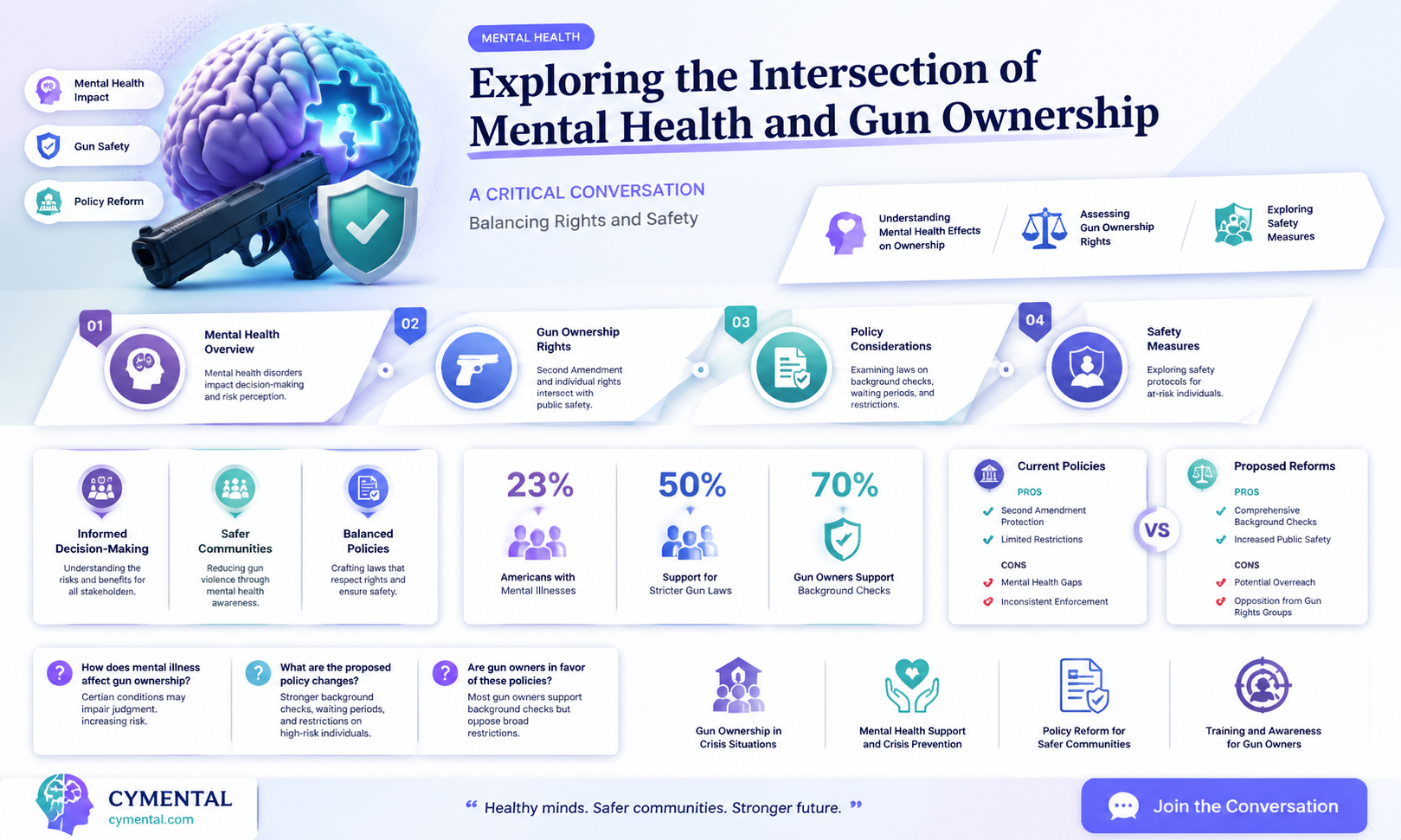
The topic of whether mental health checks are required to obtain a gun is a complex and contentious issue, often sparking intense debates about the balance between individual rights and public safety. In many countries, particularly the United States, the process of purchasing a firearm involves some form of background check, which may include an evaluation of the buyer's mental health history. However, the specifics of these checks can vary widely, and their effectiveness in preventing gun-related violence is a subject of ongoing research and discussion. Advocates for stricter gun control measures argue that comprehensive mental health screenings are essential to prevent individuals with a history of mental illness or instability from accessing firearms, while opponents contend that such checks could infringe upon the rights of law-abiding citizens and stigmatize those with mental health conditions. As the conversation around gun control continues to evolve, it is crucial to examine the nuances of mental health checks and their role in promoting responsible gun ownership and reducing the risk of gun-related harm.
Explore related products


What You'll Learn
- Background Check Process: Overview of the steps involved in obtaining a firearm, including mental health evaluations
- Mental Health Evaluation Criteria: Specific mental health conditions that may disqualify an individual from owning a gun
- State-by-State Variations: Differences in gun laws and mental health check requirements across various states
- Effectiveness of Mental Health Checks: Debate on whether mental health screenings effectively prevent gun-related incidents
- Privacy Concerns: Discussion on the balance between public safety and individual privacy rights in mental health checks for gun ownership

Background Check Process: Overview of the steps involved in obtaining a firearm, including mental health evaluations
The background check process for obtaining a firearm is a critical component of gun control laws in many countries. It involves several steps designed to ensure that individuals who may pose a risk to themselves or others are prevented from purchasing firearms. One of the key aspects of this process is the mental health evaluation, which aims to identify any potential mental health issues that could impact an individual's ability to handle a firearm safely and responsibly.
The first step in the background check process typically involves filling out an application form, which includes questions about the applicant's criminal history, mental health status, and other relevant information. This form is then submitted to a government agency or a designated third-party organization that conducts the background check.
Once the application is received, the background check agency will begin the process of verifying the information provided. This may include checking criminal records, contacting mental health professionals, and reviewing any other relevant documentation. In some cases, additional interviews or evaluations may be required to gather more information about the applicant's mental health status.
Mental health evaluations are a crucial part of the background check process because they help to identify individuals who may be at risk of committing violent acts or who may be unable to handle a firearm safely due to mental health issues. These evaluations are typically conducted by qualified mental health professionals who use a variety of assessment tools and techniques to evaluate the applicant's mental state.
The results of the background check and mental health evaluation are then used to determine whether the applicant is eligible to purchase a firearm. If the applicant is deemed to be a risk, their application will be denied, and they will be informed of the reasons for the denial. In some cases, applicants may be able to appeal the decision or undergo additional evaluations to demonstrate their eligibility.
Overall, the background check process, including mental health evaluations, plays a vital role in ensuring that firearms are only accessible to individuals who are capable of handling them safely and responsibly. By identifying potential risks and preventing the sale of firearms to individuals who may pose a danger, this process helps to protect communities and reduce the incidence of gun-related violence.
Liberating Thoughts: How to Let Go of Someone Who's on Your Mind
You may want to see also
Mental Health Evaluation Criteria: Specific mental health conditions that may disqualify an individual from owning a gun
Individuals seeking to purchase a firearm may be subject to mental health evaluations to ensure they do not pose a risk to themselves or others. Certain mental health conditions can lead to disqualification from gun ownership. These evaluations are critical in preventing potential tragedies and ensuring public safety.
The criteria for disqualification typically include a history of involuntary commitment to a mental institution, a diagnosis of a severe mental illness such as schizophrenia or bipolar disorder, or a documented history of substance abuse. Additionally, individuals who have been adjudicated as mentally defective or who have received treatment for certain mental health conditions within a specified timeframe may also be disqualified.
It is important to note that mental health evaluations for gun ownership are not designed to stigmatize individuals with mental health conditions. Rather, they aim to identify those who may pose a significant risk due to their mental state. These evaluations are usually conducted by qualified mental health professionals who can assess the individual's current mental status and history to make an informed decision.
The process of mental health evaluation for gun ownership can vary depending on the jurisdiction. In some cases, it may involve a simple background check, while in others, it may require a more comprehensive assessment, including interviews with the individual and their mental health providers. It is crucial for individuals to be aware of the specific requirements and criteria in their area to ensure they are in compliance with the law.
Ultimately, the goal of mental health evaluations for gun ownership is to strike a balance between protecting the rights of individuals to bear arms and ensuring public safety. By identifying and disqualifying those who may pose a risk due to their mental health, these evaluations play a vital role in preventing gun-related violence and promoting a safer society.
Overcoming Mental Hurdles in Tumbling: A Guide to Unblock Your Potential
You may want to see also
State-by-State Variations: Differences in gun laws and mental health check requirements across various states
The landscape of gun laws and mental health check requirements in the United States is a patchwork of varying regulations, with each state having its own unique set of rules. While federal law mandates background checks for firearm purchases, the specifics of these checks, including the extent to which mental health records are scrutinized, can differ significantly from state to state.
Some states, such as California and New York, have implemented comprehensive background check systems that include detailed mental health evaluations. These states require private firearm sales and transfers to go through a licensed dealer, who must conduct a background check that includes a review of the buyer's mental health history. Other states, like Texas and Florida, have more lenient laws, allowing private sales without the need for a background check, thereby potentially enabling individuals with mental health issues to acquire firearms without scrutiny.
The criteria for what constitutes a disqualifying mental health condition also vary widely. In some states, a diagnosis of a specific mental illness may automatically disqualify an individual from purchasing a firearm, while in others, the determination is made on a case-by-case basis, considering factors such as the severity of the condition and the individual's history of violent behavior.
Furthermore, the process for appealing a denial based on mental health grounds differs across states. Some states provide a clear appeals process, allowing individuals to challenge a denial and potentially have their rights restored, while others have more opaque or restrictive procedures.
These state-by-state variations highlight the complexity of the issue and underscore the need for a nuanced understanding of the interplay between mental health and gun laws. While some argue that stricter mental health checks are necessary to prevent gun violence, others contend that such measures could stigmatize individuals with mental health conditions and infringe upon their Second Amendment rights.
Ultimately, the effectiveness of mental health checks in preventing gun violence is a topic of ongoing debate, with research yielding mixed results. However, it is clear that the current state-by-state approach to regulating firearms and mental health creates a fragmented system that may leave gaps in protection and raise questions about fairness and equity.
Navigating Disability Benefits for Mental Health Conditions: A Comprehensive Guide
You may want to see also
Effectiveness of Mental Health Checks: Debate on whether mental health screenings effectively prevent gun-related incidents
The debate surrounding the effectiveness of mental health checks in preventing gun-related incidents is complex and multifaceted. On one hand, proponents argue that such screenings can identify individuals who may pose a risk to themselves or others, thereby reducing the likelihood of tragic events. They point to instances where mental health evaluations have successfully flagged potential threats, allowing for intervention and prevention.
However, critics contend that mental health checks are not foolproof and can be subject to inaccuracies and biases. They argue that these screenings may not account for the full spectrum of mental health conditions or the nuances of individual cases. Furthermore, there are concerns about the potential stigmatization of individuals with mental health issues and the impact on their privacy and civil liberties.
One approach to addressing these concerns is the implementation of comprehensive background checks that go beyond mental health evaluations. These checks could include assessments of an individual's criminal history, social media activity, and other relevant factors. By taking a more holistic approach, policymakers may be able to better identify potential risks and prevent gun-related incidents.
Another perspective is that mental health checks should be coupled with increased access to mental health services and support. By providing individuals with the resources they need to manage their mental health, society may be able to reduce the likelihood of violent behavior. This approach emphasizes the importance of addressing the root causes of mental health issues rather than simply identifying and isolating potential threats.
Ultimately, the effectiveness of mental health checks in preventing gun-related incidents remains a topic of ongoing debate. While there are valid arguments on both sides, it is clear that any solution must be carefully considered and implemented with sensitivity to the complex issues involved.
Unleashing Your Mind: Strategies to Overcome Mental Blocks
You may want to see also
Privacy Concerns: Discussion on the balance between public safety and individual privacy rights in mental health checks for gun ownership
The intersection of mental health checks and gun ownership raises significant privacy concerns. While the intent behind such checks is to ensure public safety by preventing individuals with severe mental health issues from accessing firearms, it also treads on the delicate balance of individual privacy rights. This discussion is crucial as it impacts not only the mental health community but also law-abiding citizens who wish to exercise their right to bear arms.
One of the primary concerns is the potential for discrimination against individuals with mental health conditions. If mental health records are used to deny gun ownership, it could lead to stigmatization and marginalization of those seeking or receiving mental health treatment. This might deter individuals from seeking necessary help, fearing that their privacy will be compromised and their rights restricted.
Another issue is the reliability and accuracy of mental health assessments in predicting violent behavior. Mental health professionals often argue that such assessments are not foolproof and can be influenced by various factors, including the individual's willingness to disclose information and the subjective judgment of the evaluator. Therefore, relying solely on mental health checks to determine gun ownership eligibility may not be an effective or fair solution.
Furthermore, there is the question of how such information would be stored and accessed. Would it be part of a centralized database, and if so, who would have access to it? How would the data be protected from unauthorized access or breaches? These are critical questions that need to be addressed to ensure that any mental health information used in gun ownership checks is handled with the utmost care and security.
In conclusion, while mental health checks for gun ownership may seem like a reasonable measure to enhance public safety, they must be carefully implemented to avoid infringing on individual privacy rights. It is essential to strike a balance that respects the rights of all citizens while also addressing the legitimate concerns of public safety. This requires a nuanced approach that considers the complexities of mental health, privacy, and gun ownership, and involves stakeholders from various fields, including mental health professionals, legal experts, and policymakers.
Where to Get a Mental Evaluation: A Comprehensive Guide
You may want to see also
Frequently asked questions
Yes, there are mental health checks in place for purchasing firearms in the United States. The National Instant Criminal Background Check System (NICS) is used to screen potential buyers, and it includes a check of mental health records to ensure that individuals with certain mental health issues are not able to purchase guns.
The specific mental health conditions that might disqualify someone from purchasing a gun can vary by state, but generally, individuals who have been involuntarily committed to a mental health facility, have been diagnosed with a mental illness that makes them a danger to themselves or others, or have a history of substance abuse may be disqualified.
The effectiveness of mental health checks in preventing gun violence is a topic of debate. While some studies have shown that mental health checks can help to reduce the number of individuals with mental illness who purchase guns, other studies have found that these checks may not be effective in preventing gun violence overall.
Yes, there are some loopholes in the mental health check system for gun purchases. For example, private sales and gun shows may not require background checks, and some states have laws that allow individuals to purchase guns without a background check if they have a concealed carry permit.
Some potential solutions to improve the mental health check system for gun purchases include closing loopholes in the system, increasing funding for mental health services, and improving the accuracy and completeness of mental health records. Additionally, some experts have suggested implementing a universal background check system for all gun purchases.