Madison Cole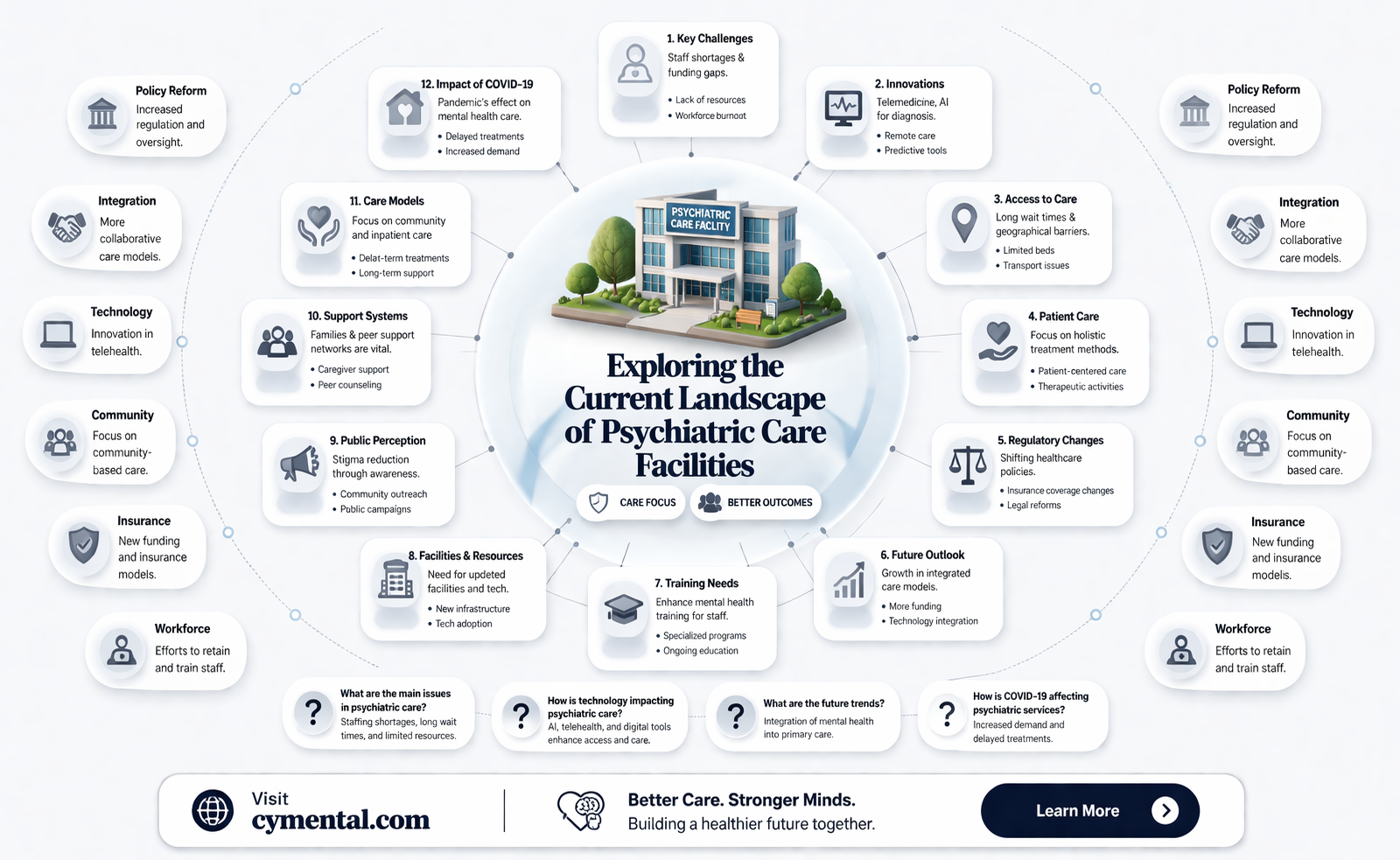
Mental hospitals, also known as psychiatric hospitals, have long been a subject of debate and controversy. While they were once a common sight in many countries, the landscape of mental health care has shifted significantly in recent decades. The deinstitutionalization movement, which gained momentum in the mid-20th century, aimed to move patients from large, often overcrowded and understaffed institutions into community-based care settings. This shift was driven by a growing understanding of the importance of integrating people with mental illnesses into society, providing them with more personalized and humane treatment options. Today, while some mental hospitals still exist, they are generally smaller, more specialized facilities that focus on short-term crisis intervention and intensive treatment rather than long-term warehousing of patients. The question of whether there are still mental hospitals is complex, as it depends on the specific context and location. In some regions, the term mental hospital may be outdated, replaced by more modern terminology such as psychiatric treatment centers or behavioral health facilities. In other areas, the term may still be in use, but the nature and purpose of these institutions have evolved significantly.
| Characteristics | Values |
|---|---|
| Definition | Mental hospitals, also known as psychiatric hospitals, are specialized healthcare facilities designed to provide inpatient care for individuals with mental health disorders. |
| Purpose | The primary purpose of mental hospitals is to offer a safe and controlled environment for the treatment and rehabilitation of patients with severe mental health conditions. |
| Types of Disorders Treated | These facilities often treat a range of disorders including schizophrenia, bipolar disorder, major depressive disorder, anxiety disorders, and personality disorders. |
| Treatment Approaches | Mental hospitals typically employ a multidisciplinary approach to treatment, which may include medication, psychotherapy, behavioral therapy, and social support. |
| Admission Criteria | Admission to a mental hospital is usually based on a psychiatric evaluation, and patients may be admitted voluntarily or involuntarily, depending on the severity of their condition and the laws of the jurisdiction. |
| Duration of Stay | The length of stay in a mental hospital can vary widely, from short-term stabilization (a few days to a few weeks) to long-term care (several months to years). |
| Facilities and Amenities | Modern mental hospitals often provide various amenities such as recreational areas, educational programs, and vocational training to support the rehabilitation process. |
| Staffing | These facilities are staffed by psychiatrists, psychologists, social workers, nurses, and other mental health professionals. |
| Discharge Planning | Discharge planning is a critical component of mental hospital care, involving the development of a comprehensive plan to ensure the patient's continued treatment and support after leaving the hospital. |
| Controversy and Criticism | Mental hospitals have historically faced criticism and controversy regarding issues such as patient rights, the use of involuntary commitment, and the quality of care provided. |
| Current Trends | There has been a trend towards deinstitutionalization in many countries, with a focus on providing community-based mental health services and reducing the reliance on inpatient care. |
| Availability | The availability of mental hospitals varies by region, with some areas having limited access to inpatient mental health services. |
| Insurance Coverage | Insurance coverage for mental hospital stays can vary widely, with some policies providing comprehensive coverage and others having significant limitations. |
| Research and Innovation | Mental hospitals often play a role in psychiatric research and the development of new treatment approaches for mental health disorders. |
| Public Perception | Public perception of mental hospitals can be influenced by media portrayals and historical abuses, leading to stigma and misconceptions about these facilities. |
Explore related products




What You'll Learn
- Current Status: Do mental hospitals still exist today, and if so, in what form
- Alternatives: What alternative treatments and facilities have replaced traditional mental hospitals
- Deinstitutionalization: The process and impact of moving patients from hospitals to community-based care
- Modern Facilities: How do contemporary mental health facilities differ from older institutions
- Stigma and Perception: Public perception and the stigma associated with mental hospitals historically and now

Current Status: Do mental hospitals still exist today, and if so, in what form?
Mental hospitals, as traditionally conceived, have undergone significant transformations in recent decades. While the term "mental hospital" may still be used colloquially, the modern psychiatric care landscape is markedly different. The shift away from large, isolated institutions towards community-based care has been a major trend in mental health services. This change is driven by a growing understanding of the importance of integrating mental health care into primary care settings and providing support within the community rather than in segregated facilities.
Today, mental health services are often provided in a variety of settings, including outpatient clinics, community mental health centers, and general hospitals. Inpatient care for mental health conditions is typically offered in specialized units within general hospitals or in smaller, more focused psychiatric hospitals. These facilities are designed to provide acute care and stabilization for individuals experiencing severe mental health crises.
The deinstitutionalization movement, which gained momentum in the mid-20th century, has played a significant role in reshaping mental health care. This movement aimed to reduce the reliance on large, long-term psychiatric institutions and instead emphasized the development of community-based services. The goal was to provide more humane and effective care by keeping individuals in their communities and offering support tailored to their specific needs.
Despite these changes, there are still instances where the term "mental hospital" is used to describe facilities that provide long-term care for individuals with severe and persistent mental health conditions. However, these facilities are generally smaller and more specialized than the large, sprawling institutions of the past. They often focus on providing rehabilitation and support services to help individuals manage their conditions and live as independently as possible.
In conclusion, while the concept of mental hospitals has evolved significantly, the need for specialized mental health care remains. Today's mental health services are more integrated, community-focused, and tailored to the individual needs of those they serve. The transformation from large, isolated institutions to a more distributed and inclusive approach reflects a broader shift in how society views and addresses mental health issues.
Understanding Voluntary Admission to Psychiatric Facilities: A Guide
You may want to see also
Explore related products


Alternatives: What alternative treatments and facilities have replaced traditional mental hospitals?
The landscape of mental health care has undergone significant transformation, with a shift away from traditional mental hospitals towards more community-based and outpatient services. This change has been driven by a growing recognition of the importance of integrating mental health care into primary care settings, as well as the development of new treatment modalities and technologies.
One alternative to traditional mental hospitals is the psychiatric emergency department, which provides acute care for individuals experiencing mental health crises. These departments are typically located within general hospitals and are staffed by psychiatrists, nurses, and other mental health professionals. They offer a range of services, including crisis intervention, medication management, and short-term stabilization.
Another alternative is the intensive outpatient program (IOP), which provides structured, intensive treatment for individuals with severe mental health conditions. IOPs typically offer a combination of individual and group therapy, medication management, and psychoeducation. They are designed to provide a higher level of care than traditional outpatient services, but are less restrictive than inpatient hospitalization.
Telepsychiatry has also emerged as a viable alternative to traditional mental hospitals. This approach uses video conferencing technology to connect patients with mental health professionals, allowing for remote consultations and treatment. Telepsychiatry can be particularly beneficial for individuals in rural or underserved areas, who may have limited access to mental health services.
Finally, peer support services and recovery centers have become increasingly popular as alternatives to traditional mental hospitals. These services are typically run by individuals who have experienced mental health challenges themselves, and offer a range of supports, including counseling, mentoring, and social activities. They are designed to promote recovery and empowerment, rather than simply treating symptoms.
Overall, the shift away from traditional mental hospitals towards more community-based and outpatient services has been driven by a desire to provide more accessible, effective, and humane mental health care. While there are still challenges to be addressed, these alternative approaches offer hope for a more integrated and comprehensive approach to mental health treatment.
Exploring the Rules: Phone Usage in Mental Health Facilities
You may want to see also
Explore related products


Deinstitutionalization: The process and impact of moving patients from hospitals to community-based care
Deinstitutionalization, the process of transitioning patients from long-term care in psychiatric hospitals to community-based services, has been a significant shift in mental health care over the past several decades. This movement was largely driven by the recognition of the limitations and potential harms of institutional care, as well as the desire to provide more personalized and integrated support to individuals with mental health needs.
One of the key impacts of deinstitutionalization has been the closure of many traditional psychiatric hospitals. These facilities, which once housed large numbers of patients for extended periods, have been replaced by a variety of community-based services, including outpatient clinics, residential programs, and support groups. This shift has allowed for a more tailored approach to mental health care, with services being provided in settings that are more familiar and less stigmatizing to patients.
However, the process of deinstitutionalization has not been without its challenges. One major concern has been the potential for patients to fall through the cracks during the transition, particularly if they do not have adequate support systems in place. This can lead to issues such as homelessness, substance abuse, and increased rates of suicide. Additionally, there have been concerns about the quality and accessibility of community-based services, particularly in areas with limited resources.
Despite these challenges, deinstitutionalization has generally been viewed as a positive development in the field of mental health care. By moving away from the institutional model and towards a more community-based approach, we have been able to provide more effective and humane care to individuals with mental health needs. This shift has also helped to reduce the stigma associated with mental illness and has encouraged a more inclusive and supportive society.
In conclusion, deinstitutionalization has been a complex and multifaceted process that has had a significant impact on the mental health care system. While there have been challenges and setbacks along the way, the overall trend has been towards a more personalized, integrated, and community-based approach to mental health care. This shift has the potential to improve outcomes for individuals with mental health needs and to create a more supportive and inclusive society for all.
Exploring Hurley and Libby's Mental Health Journeys Together
You may want to see also
Explore related products


Modern Facilities: How do contemporary mental health facilities differ from older institutions?
Contemporary mental health facilities have undergone significant transformations compared to their predecessors. One of the most notable differences is the shift from large, isolated institutions to smaller, community-based centers. This change reflects a broader societal move towards deinstitutionalization, which aims to provide mental health care in less restrictive environments. Modern facilities often prioritize outpatient services, offering therapy, counseling, and medication management in settings that are more accessible and less stigmatizing than traditional hospitals.
Another key distinction is the emphasis on holistic and individualized care in contemporary facilities. Unlike older institutions that may have focused primarily on containment and control, modern mental health centers often adopt a multidisciplinary approach, incorporating psychiatrists, psychologists, social workers, and other professionals to address the complex needs of patients. This collaborative model allows for more personalized treatment plans that consider the unique circumstances and goals of each individual.
In terms of physical design, modern mental health facilities tend to be more open and inviting, with spaces that promote comfort and healing. This contrasts with the often stark and institutional architecture of older hospitals, which could contribute to feelings of isolation and despair. Contemporary designs may include features such as natural light, outdoor spaces, and artwork, all of which can have a positive impact on patients' well-being.
Technology also plays a significant role in modern mental health care. Electronic health records, telemedicine, and mobile apps are just a few examples of how technology is being used to improve patient outcomes and increase access to care. These tools can help clinicians track patient progress, facilitate communication, and provide resources and support outside of traditional treatment settings.
Finally, there is a growing focus on integrating mental health care with primary care in modern facilities. This approach recognizes the interconnectedness of physical and mental health and seeks to provide comprehensive care that addresses both aspects. By embedding mental health services within primary care settings, contemporary facilities aim to reduce stigma and improve coordination between different healthcare providers.
In summary, contemporary mental health facilities differ from older institutions in their approach to care, physical design, use of technology, and integration with primary care. These changes reflect a broader shift towards more humane, individualized, and accessible mental health services.
Exploring the Landscape of Mental Health Facilities in the United States
You may want to see also
Explore related products


Stigma and Perception: Public perception and the stigma associated with mental hospitals historically and now
Historically, mental hospitals have been shrouded in stigma and negative public perception. These institutions were often seen as places of confinement for the "insane" or "crazy," and the very idea of being committed to one carried a heavy social stigma. This perception was fueled by media portrayals of mental hospitals as dark, foreboding places where patients were subjected to inhumane treatments. The stigma extended beyond the patients themselves, affecting their families and communities, who were often ostracized or shunned.
In recent decades, there has been a concerted effort to change public perception and reduce the stigma associated with mental hospitals. Mental health advocacy groups, healthcare professionals, and policymakers have worked to reframe the narrative around mental illness and treatment. They have emphasized that mental health conditions are just as valid as physical health conditions and that seeking treatment is a sign of strength, not weakness. This shift in perspective has led to a greater understanding and acceptance of mental health issues in society.
Despite these efforts, stigma and negative perceptions still persist, albeit to a lesser extent. Some people continue to view mental hospitals as places of last resort, where only the most severe cases are treated. Others may still harbor fears of being committed to a mental hospital against their will or of being labeled as "crazy." These lingering stigmas can deter individuals from seeking the help they need, leading to untreated mental health conditions and potentially worsening outcomes.
To combat these remaining stigmas, it is essential to continue educating the public about mental health and the realities of mental hospital treatment. This includes sharing stories of recovery and success, highlighting the importance of early intervention, and promoting a culture of openness and acceptance around mental health issues. By doing so, we can work towards a future where mental hospitals are seen not as places of stigma, but as vital resources for those in need of care and support.
Navigating Mental Health Care: Understanding Discharge from Psychiatric Facilities
You may want to see also
Frequently asked questions
Yes, mental hospitals, also known as psychiatric hospitals, still exist. They provide specialized care and treatment for individuals with severe mental health conditions.
Mental hospitals serve to diagnose, treat, and rehabilitate individuals with mental illnesses. They offer a controlled environment where patients can receive intensive therapy, medication, and support.
Mental hospitals have undergone significant changes over the years. Historically, they were often overcrowded and conditions could be inhumane. Today, there is a greater focus on providing humane and individualized care, with many hospitals offering modern facilities and evidence-based treatments.
Alternatives to mental hospitals include outpatient therapy, community mental health centers, crisis stabilization units, and residential treatment programs. These options provide varying levels of care and support for individuals with mental health needs.
To find a mental hospital, one can consult with a healthcare provider, contact local mental health organizations, or search online directories. It's important to research and choose a facility that is reputable and offers the appropriate level of care for the individual's needs.