 Harper Lewis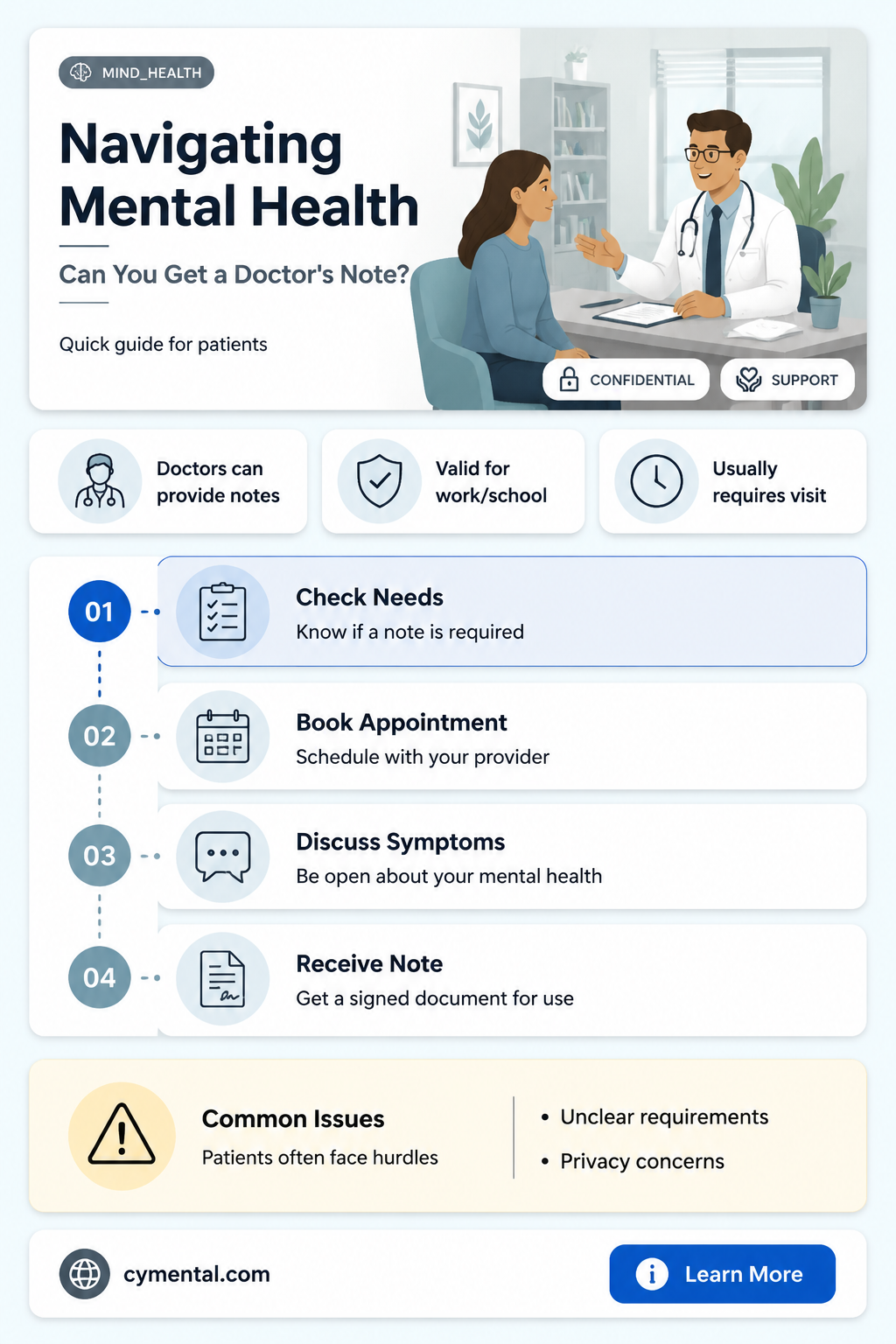
If you're seeking a doctor's note for mental health reasons, it's important to understand the process and your rights. A doctor's note, also known as a medical excuse or certificate, can be issued by a healthcare provider to verify that you have a medical condition that requires time off work or school. In the case of mental health, this could include conditions such as depression, anxiety, or stress-related disorders. To obtain a doctor's note, you'll need to schedule an appointment with your primary care physician or a mental health professional. During the appointment, be honest about your symptoms and how they're affecting your daily life. The doctor will likely ask questions about your mental health history, current symptoms, and any treatments you're currently receiving. If the doctor determines that your mental health condition is severe enough to warrant time off, they may issue a doctor's note. However, it's important to note that doctors are not required to issue a note if they don't believe it's medically necessary. If you're struggling with mental health issues, it's crucial to seek professional help and support, regardless of whether or not you receive a doctor's note.
Explore related products


What You'll Learn
- Eligibility for Mental Health Notes: Understand the conditions that qualify for a mental health doctor's note
- Process of Obtaining a Note: Learn the steps involved in getting a mental health doctor's note from a healthcare provider
- Legal Rights and Protections: Explore the legal aspects and protections surrounding mental health notes in the workplace or school
- Confidentiality and Disclosure: Discover how mental health notes are kept confidential and when they might be disclosed
- Alternatives to Doctor's Notes: Find out about other options or accommodations that might be available for mental health concerns

Eligibility for Mental Health Notes: Understand the conditions that qualify for a mental health doctor's note
To qualify for a mental health doctor's note, an individual must be experiencing symptoms that significantly impact their daily functioning. This can include conditions such as depression, anxiety, bipolar disorder, or post-traumatic stress disorder (PTSD). The severity of the symptoms and their duration are crucial factors in determining eligibility. For instance, if someone has been experiencing persistent feelings of sadness or hopelessness for more than two weeks, they may be eligible for a mental health note.
The process of obtaining a mental health note typically involves a thorough evaluation by a healthcare professional. This evaluation may include a physical examination, a review of the individual's medical history, and a psychological assessment. The healthcare provider will use this information to determine if the individual's symptoms meet the criteria for a diagnosable mental health condition. If a diagnosis is made, the provider may then issue a doctor's note outlining the individual's condition and any necessary accommodations or restrictions.
It's important to note that the specific criteria for eligibility can vary depending on the healthcare provider and the individual's circumstances. Some providers may have more stringent requirements, while others may be more lenient. Additionally, certain conditions may be more readily recognized as qualifying for a mental health note than others. For example, PTSD may be more easily documented and understood as a qualifying condition due to its clear link to traumatic events.
In some cases, individuals may need to provide additional documentation or evidence to support their claim for a mental health note. This could include records from previous mental health treatments, letters from family members or friends, or documentation of the impact of their symptoms on their work or school performance. The more comprehensive the documentation, the stronger the case for eligibility.
Ultimately, the decision to issue a mental health note rests with the healthcare provider. They will consider all available information and make a determination based on their professional judgment. If a note is issued, it's essential for the individual to follow any recommendations or treatment plans outlined by their provider to ensure their continued well-being.
Hope Amidst Hardship: Will Things Ever Get Better?
You may want to see also
Explore related products


Process of Obtaining a Note: Learn the steps involved in getting a mental health doctor's note from a healthcare provider
To obtain a mental health doctor's note, the process typically begins with scheduling an appointment with a healthcare provider who specializes in mental health, such as a psychiatrist, psychologist, or licensed therapist. During the appointment, the patient should openly discuss their mental health concerns, symptoms, and any recent changes in their condition. The healthcare provider will likely conduct a thorough evaluation, which may include a physical examination, psychological assessment, and review of the patient's medical history.
Following the evaluation, if the healthcare provider deems it necessary, they may issue a doctor's note outlining the patient's mental health condition and any recommended treatment or accommodations. This note may include details such as the diagnosis, severity of symptoms, impact on daily functioning, and any prescribed medications or therapies. It is essential for the patient to follow the treatment plan outlined in the note and to attend any recommended follow-up appointments to ensure proper management of their mental health condition.
In some cases, the patient may need to provide the doctor's note to their employer, school, or other organizations to request accommodations or time off. It is important to be aware of the specific requirements and procedures for submitting such documentation, as these may vary depending on the organization's policies and the patient's rights under applicable laws, such as the Americans with Disabilities Act (ADA) or the Family and Medical Leave Act (FMLA).
When obtaining a mental health doctor's note, it is crucial for the patient to be honest and open with their healthcare provider about their symptoms and concerns. This will help ensure that the note accurately reflects the patient's condition and provides the necessary information to support their request for accommodations or time off. Additionally, patients should be aware of their rights and responsibilities under relevant laws and should not hesitate to seek legal advice if they encounter any issues or discrimination related to their mental health condition.
In conclusion, obtaining a mental health doctor's note involves scheduling an appointment with a qualified healthcare provider, discussing mental health concerns, undergoing an evaluation, and following the recommended treatment plan. The note may be used to request accommodations or time off from work or school, and it is essential for patients to be aware of their rights and responsibilities under applicable laws. By following these steps and being open with their healthcare provider, patients can ensure that they receive the necessary support and care for their mental health condition.
Where to Get a Mental Evaluation: A Comprehensive Guide
You may want to see also
Explore related products



Legal Rights and Protections: Explore the legal aspects and protections surrounding mental health notes in the workplace or school
In the context of mental health, legal rights and protections in the workplace or school are crucial. The Americans with Disabilities Act (ADA) and the Family and Medical Leave Act (FMLA) are two significant pieces of legislation that provide protections for individuals with mental health conditions. The ADA prohibits discrimination against individuals with disabilities, including mental health disorders, in the workplace. This means that employers cannot discriminate against employees or job applicants based on their mental health status. The FMLA allows eligible employees to take unpaid leave for medical reasons, including mental health treatment.
In addition to these federal laws, many states have their own laws and regulations that provide additional protections for individuals with mental health conditions. For example, some states have laws that require employers to provide reasonable accommodations for employees with mental health disorders. These accommodations may include modified work schedules, changes to the work environment, or access to mental health resources.
In the educational setting, the Individuals with Disabilities Education Act (IDEA) provides protections for students with mental health conditions. This law requires schools to provide special education and related services to eligible students with disabilities, including mental health disorders. Schools are also required to develop individualized education plans (IEPs) for these students, which outline the specific services and accommodations they will receive.
It is important to note that while these laws provide significant protections, there are still limitations and challenges. For example, individuals with mental health conditions may face stigma and discrimination in the workplace or school, even if they are legally protected. Additionally, navigating the complex legal system can be difficult and overwhelming for individuals who are struggling with their mental health.
Overall, understanding legal rights and protections is an essential component of advocating for mental health in the workplace and school. By being aware of these laws and regulations, individuals can better protect themselves and others from discrimination and ensure that they have access to the resources and support they need.
Navigating Pregnancy with Mental Illness: Rights, Risks, and Support
You may want to see also
Explore related products


Confidentiality and Disclosure: Discover how mental health notes are kept confidential and when they might be disclosed
Mental health notes are typically kept confidential to protect the privacy and trust of the patient. This confidentiality is a cornerstone of the therapeutic relationship, ensuring that patients feel safe sharing their thoughts and feelings without fear of judgment or disclosure. However, there are certain circumstances under which mental health notes might be disclosed.
One such circumstance is when the patient gives explicit consent for their notes to be shared with another healthcare provider or individual. This consent must be informed and voluntary, and the patient should be aware of the potential risks and benefits of sharing their information. Another situation where mental health notes might be disclosed is when there is a legal obligation to do so, such as in response to a court order or subpoena. In some cases, mental health professionals may also disclose information if they believe it is necessary to protect the patient or others from harm, such as in cases of suspected abuse or neglect.
It is important to note that the specific laws and regulations surrounding the confidentiality and disclosure of mental health notes can vary by jurisdiction. In the United States, for example, the Health Insurance Portability and Accountability Act (HIPAA) sets forth guidelines for the protection of patient health information, including mental health notes. Under HIPAA, mental health professionals are required to obtain patient consent before disclosing their information, with some exceptions for emergencies and legal obligations.
Patients should be aware of their rights regarding the confidentiality of their mental health notes and should discuss any concerns they have with their healthcare provider. It is also important for mental health professionals to be transparent about their policies and procedures regarding the storage, sharing, and disposal of patient information. By maintaining open communication and adhering to legal and ethical guidelines, mental health professionals can help ensure that patients feel confident in the confidentiality of their notes and the security of their personal information.
Exploring the Myth: Can Mental Pregnancy Lead to Physical Changes?
You may want to see also
Explore related products


$18.99


Alternatives to Doctor's Notes: Find out about other options or accommodations that might be available for mental health concerns
Sometimes, individuals seeking support for mental health concerns may not have access to a doctor's note or may prefer alternative accommodations. In such cases, it's essential to explore other options that can provide the necessary support and validation. One alternative could be a letter from a mental health professional, such as a therapist or counselor, who can attest to the individual's mental health status and recommend appropriate accommodations.
Another option might be to seek support from community organizations or advocacy groups that specialize in mental health. These organizations often have resources and connections to help individuals navigate mental health-related challenges, including obtaining accommodations in various settings. Additionally, some workplaces and educational institutions have their own mental health resources and may be able to provide accommodations based on an individual's specific needs.
It's also important to consider the role of technology in providing mental health support. Telehealth services, online therapy platforms, and mental health apps can offer accessible and convenient alternatives to traditional in-person doctor's visits. These digital resources can provide individuals with the support they need, often with more flexibility and anonymity than traditional options.
When exploring alternatives to doctor's notes, it's crucial to consider the specific requirements of the situation. For example, some employers or institutions may have strict guidelines regarding the types of documentation they accept for mental health accommodations. In such cases, it may be necessary to work with a mental health professional to ensure that the alternative documentation meets the required standards.
Ultimately, the key is to find the option that best meets the individual's needs and provides the necessary support and validation. By exploring a range of alternatives, individuals can discover the resources and accommodations that work best for them and take steps towards prioritizing their mental health and well-being.
Unlocking Mental Focus: A Guide for the First Descendant
You may want to see also
Frequently asked questions
Yes, you can obtain a doctor's note for mental health concerns. It's important to consult with a healthcare professional who can assess your condition and provide appropriate documentation.
Be prepared to discuss your symptoms, their impact on your daily life, and any relevant medical history. The doctor may also ask about your work or school requirements to tailor the note accordingly.
Many employers and educational institutions recognize the importance of mental health and will accept a doctor's note as a valid reason for absence or adjustments. However, policies may vary, so it's best to check with your specific employer or school.
The duration of a mental health doctor's note can vary depending on your condition and the recommendations of the healthcare professional. It may be for a short-term absence or longer-term accommodations, as deemed necessary by the doctor.
A mental health doctor's note can be used to excuse you from certain responsibilities if your condition significantly impacts your ability to perform them. However, it's essential to follow the guidelines provided by your employer or school regarding the submission and acceptance of such notes.


