Noah Parker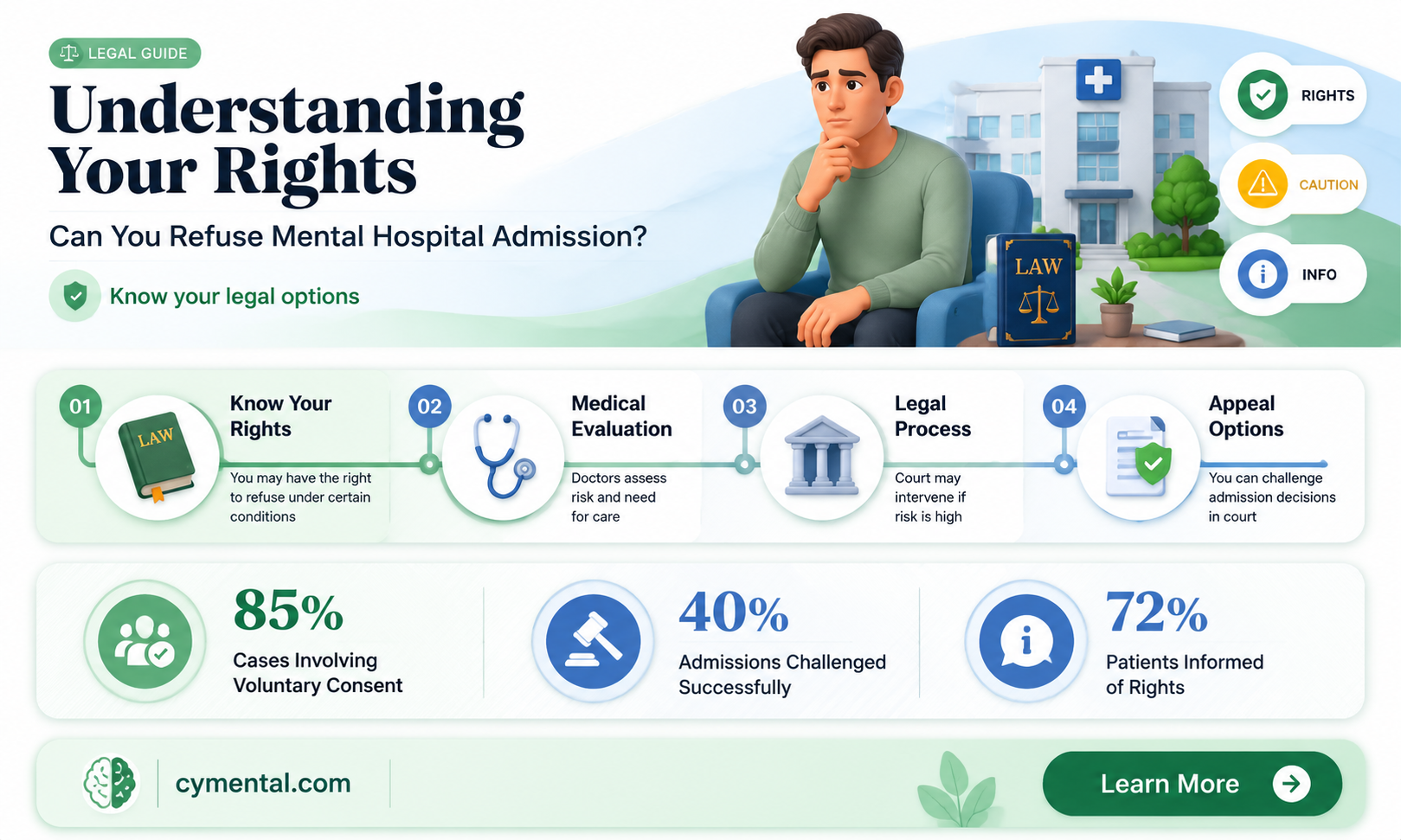
The question of whether an individual can refuse admission to a mental hospital is a complex and sensitive issue that intersects with legal, ethical, and medical considerations. In many jurisdictions, mental health laws allow for involuntary commitment under certain circumstances, such as when a person is deemed a danger to themselves or others due to a mental illness. However, the specific criteria and procedures for involuntary admission vary widely by country and even by state or region within a country. It is crucial to understand the local laws and the rights they afford to individuals regarding their mental health care. Moreover, the ethical implications of involuntary treatment must be carefully weighed against the potential benefits and harms to the individual's well-being and autonomy.
Explore related products


What You'll Learn
- Legal Rights: Understand your legal rights regarding involuntary commitment and how to assert them
- Medical Evaluation: Learn about the medical evaluation process that determines the need for hospitalization
- Alternatives to Hospitalization: Explore alternative treatments and support options that may prevent the need for admission
- Patient Advocacy: Discover how patient advocates can help protect your rights and ensure appropriate care
- Crisis Planning: Develop a crisis plan to outline your preferences and instructions for mental health emergencies

Legal Rights: Understand your legal rights regarding involuntary commitment and how to assert them
Understanding your legal rights is crucial when facing the possibility of involuntary commitment to a mental hospital. Involuntary commitment laws vary by jurisdiction, but generally, they allow for the detention of individuals deemed to be a danger to themselves or others due to mental illness. To assert your rights effectively, it’s essential to be aware of the specific laws in your area.
One key right is the right to a hearing. If you are involuntarily committed, you typically have the right to a court hearing to contest the commitment. This hearing provides an opportunity to present evidence and arguments as to why you should not be committed. It’s important to have legal representation at this hearing, as the proceedings can be complex and emotionally charged.
Another important right is the right to be informed. You should be informed of the reasons for your commitment, the procedures that will be followed, and your rights. This information should be provided in a clear and understandable manner, and you should have the opportunity to ask questions and seek clarification.
Additionally, you may have the right to refuse certain treatments. While the specifics of this right can vary, in many cases, you have the right to refuse medications or other treatments that you believe are not in your best interest. However, it’s important to understand the potential consequences of refusing treatment, as this could impact your mental health and recovery.
Asserting your rights can be challenging, especially when you are in a vulnerable position. It’s important to remain calm and assertive, and to seek support from legal professionals, mental health advocates, or trusted friends and family members. Remember, you are not alone, and there are resources available to help you navigate the complex legal system and protect your rights.
Seeking Help Voluntarily: A Guide to Mental Health Hospitalization
You may want to see also
Explore related products




Medical Evaluation: Learn about the medical evaluation process that determines the need for hospitalization
A medical evaluation is a critical process used to determine whether an individual requires hospitalization, particularly in the context of mental health. This evaluation is typically conducted by a qualified healthcare professional, such as a psychiatrist or a psychologist, who assesses the individual's mental and physical condition. The process involves a thorough examination of the person's symptoms, medical history, and current circumstances.
During the evaluation, the healthcare professional may use various tools and techniques, including interviews, questionnaires, and physical examinations. They will assess the severity of the individual's symptoms, their ability to function in daily life, and any potential risks to themselves or others. The evaluator will also consider the individual's support system and available resources, as these factors can significantly impact the decision regarding hospitalization.
One important aspect of the medical evaluation process is the consideration of the individual's rights and preferences. While the evaluator must make a professional judgment based on the assessment, they should also take into account the person's wishes and involve them in the decision-making process as much as possible. This collaborative approach can help ensure that the individual feels respected and empowered, even if they ultimately require hospitalization.
In some cases, the medical evaluation may result in a recommendation for outpatient treatment or other forms of support, rather than hospitalization. This could include therapy sessions, medication management, or community-based programs. The evaluator will work with the individual to develop a treatment plan that addresses their specific needs and goals, while also considering the available resources and support systems.
Overall, the medical evaluation process is a crucial step in determining the appropriate level of care for an individual experiencing mental health issues. By conducting a thorough and compassionate assessment, healthcare professionals can make informed decisions that prioritize the person's well-being and recovery.
Do Mental Hospitals Listen to Phone Calls: Privacy Concerns Explored
You may want to see also
Explore related products


Alternatives to Hospitalization: Explore alternative treatments and support options that may prevent the need for admission
In the realm of mental health care, alternatives to hospitalization can play a crucial role in preventing the need for admission. These alternatives encompass a range of treatments and support options that can be tailored to an individual's specific needs. One such alternative is outpatient therapy, which involves regular sessions with a mental health professional. This can include cognitive-behavioral therapy (CBT), dialectical behavior therapy (DBT), or other evidence-based approaches. Outpatient therapy can be effective in managing symptoms and improving functioning without the need for the intensive care provided in a hospital setting.
Another alternative to hospitalization is medication management. Psychiatric medications can be prescribed by a psychiatrist or other qualified healthcare provider to help alleviate symptoms of mental health conditions. These medications can include antidepressants, antipsychotics, mood stabilizers, and anxiolytics, among others. Medication management often involves regular follow-up appointments to monitor the effectiveness of the medication and make adjustments as needed.
Support groups can also serve as an alternative to hospitalization. These groups provide a safe and supportive environment for individuals to share their experiences, learn from others, and develop coping strategies. Support groups can be found in person or online and may be specific to certain mental health conditions or more general in nature.
In some cases, intensive outpatient programs (IOPs) or partial hospitalization programs (PHPs) may be appropriate alternatives to full hospitalization. These programs offer a higher level of care than traditional outpatient therapy but do not require an overnight stay. IOPs and PHPs typically involve multiple therapy sessions per week, as well as access to psychiatric medication management and other support services.
It is important to note that while these alternatives can be effective in preventing the need for hospitalization, they may not be suitable for everyone. In cases where an individual is experiencing severe symptoms, such as suicidal thoughts or behaviors, hospitalization may be necessary to ensure their safety. However, for many individuals, exploring alternatives to hospitalization can be a valuable step in managing their mental health and improving their overall well-being.
Exploring Self-Admission to Mental Health Facilities: A Guide
You may want to see also
Explore related products


Patient Advocacy: Discover how patient advocates can help protect your rights and ensure appropriate care
Patient advocates play a crucial role in the healthcare system, particularly in the context of mental health care. They are professionals who work to protect the rights of patients and ensure that they receive appropriate and ethical treatment. In the scenario where a patient is considering refusing admission to a mental hospital, a patient advocate can provide invaluable support and guidance.
One of the primary ways a patient advocate can assist is by educating the patient about their rights. Many individuals are unaware of the legal protections they have when it comes to mental health care. A patient advocate can explain these rights in detail, including the right to refuse treatment, the right to be informed about the nature and purpose of treatment, and the right to be treated with dignity and respect. This knowledge can empower patients to make informed decisions about their care and to assert their rights effectively.
In addition to providing education, patient advocates can also help patients navigate the complex mental health care system. They can assist with finding appropriate treatment options, coordinating care between different providers, and accessing resources such as support groups and counseling services. This can be particularly important for patients who are struggling with severe mental health issues and may have difficulty advocating for themselves.
Patient advocates can also play a critical role in crisis situations. If a patient is experiencing a mental health crisis and is considering refusing admission to a hospital, a patient advocate can help them explore alternative options. This might include connecting them with crisis hotlines, arranging for emergency counseling sessions, or helping them find inpatient treatment facilities that offer a more supportive and less restrictive environment.
Furthermore, patient advocates can provide ongoing support to patients as they navigate their mental health journey. They can offer emotional support, help patients develop coping strategies, and assist with creating advance directives that outline the patient's preferences for treatment in the event of a future crisis. This long-term support can be instrumental in helping patients maintain their mental health and avoid unnecessary hospitalizations.
In conclusion, patient advocates are essential allies for individuals navigating the mental health care system. They provide education, support, and guidance that can help patients protect their rights and receive appropriate care. For those considering refusing admission to a mental hospital, a patient advocate can be a valuable resource in exploring alternative options and ensuring that their rights are respected.
Understanding Involuntary Psychiatric Holds: When Can Police Detain You?
You may want to see also
Explore related products


Crisis Planning: Develop a crisis plan to outline your preferences and instructions for mental health emergencies
Developing a crisis plan is a proactive step in managing mental health emergencies. This plan serves as a detailed guide for healthcare providers, family, and friends, outlining your preferences and instructions during a crisis. It's essential to include specific details about your mental health history, current medications, and any previous hospitalizations. Additionally, list emergency contacts and preferred treatment options, such as specific hospitals or outpatient clinics.
When creating your crisis plan, consider including advance directives for mental health care. These directives specify your wishes regarding treatment and can legally guide healthcare providers in making decisions on your behalf if you are unable to communicate. It's also beneficial to appoint a healthcare proxy who can make decisions for you if needed.
Your crisis plan should be easily accessible and shared with those who may need it in an emergency. Keep a copy with your primary care physician, psychiatrist, and in your wallet or purse. You may also want to provide a copy to close family members and friends.
Regularly reviewing and updating your crisis plan is crucial to ensure it remains relevant and effective. As your mental health needs and circumstances change, your plan should be adjusted accordingly. This may involve revising medication lists, updating emergency contacts, or changing preferred treatment options.
In summary, a well-prepared crisis plan can significantly improve the management of mental health emergencies by providing clear guidance to healthcare providers and loved ones. By outlining your preferences and instructions, you can help ensure that you receive the care you need during a crisis.
Navigating Mental Health Facilities: Phone Policies Explained
You may want to see also
Frequently asked questions
In many jurisdictions, if you are deemed a danger to yourself or others due to a mental health condition, you may be involuntarily admitted to a mental hospital. However, the specific laws and procedures vary by location, and you should consult with a legal professional or mental health advocate for guidance on your rights and options.
If you are involuntarily admitted to a mental hospital, you typically have the right to a hearing to contest the admission, the right to legal representation, the right to be informed of the reasons for your admission, and the right to receive appropriate treatment. Again, the specific rights and procedures may vary depending on your location, so it is important to seek legal advice or advocacy support.
To plan for your mental health care and potentially avoid involuntary admission, you can create a crisis plan that outlines your preferences for treatment, identify trusted individuals who can support you during a crisis, and ensure that your healthcare providers are aware of your wishes. Additionally, seeking regular mental health treatment and maintaining a support network can help prevent crises that might lead to involuntary admission.