Caleb Wright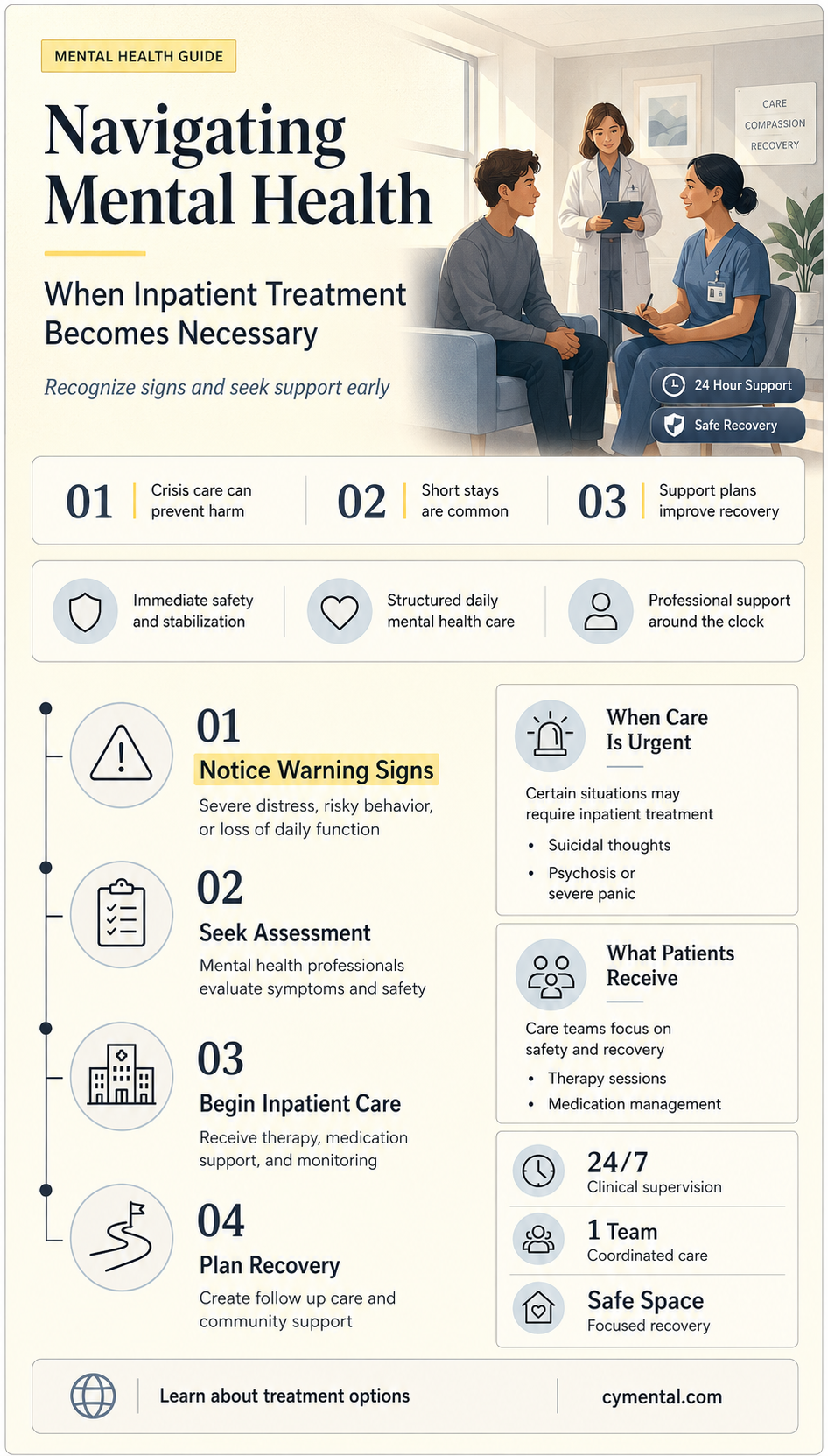
Inpatient mental health treatment is a crucial option for individuals experiencing severe mental health challenges that require intensive care and support. This type of treatment involves staying at a psychiatric hospital or facility for a period of time, typically ranging from a few days to several weeks. During this time, patients receive round-the-clock medical and psychological care, including medication management, therapy sessions, and group activities. Inpatient treatment is often recommended for those who are at risk of self-harm, have suicidal thoughts, or are experiencing psychotic episodes. It can also be beneficial for individuals who have not responded well to outpatient treatment or who need a structured environment to stabilize their mental health. The decision to pursue inpatient treatment should be made in consultation with a mental health professional, who can assess the individual's needs and recommend the most appropriate level of care.
Explore related products


What You'll Learn
- Signs You May Need Inpatient Care: Recognize severe symptoms indicating the necessity for intensive mental health support
- Types of Inpatient Treatment: Explore various programs available, such as psychiatric hospitals and residential treatment centers
- Benefits of Inpatient Treatment: Understand the advantages of 24/7 care, including medication management and therapy sessions
- How to Choose a Facility: Factors to consider when selecting an inpatient center, like accreditation and specialized care?
- Preparing for Inpatient Treatment: What to expect and how to plan for admission, including packing essentials and notifying loved ones

Signs You May Need Inpatient Care: Recognize severe symptoms indicating the necessity for intensive mental health support
Inpatient mental health care is often necessary when an individual's symptoms are severe and interfere significantly with their daily functioning. One clear sign that inpatient care may be required is the presence of suicidal thoughts or behaviors. If someone expresses a desire to harm themselves or attempts suicide, it is crucial to seek immediate professional help. Inpatient treatment provides a safe environment where individuals can receive constant monitoring and support to address these critical issues.
Another indicator of the need for inpatient care is the inability to manage symptoms despite outpatient treatment. If someone has been attending therapy sessions or taking medication but their condition has not improved, or if their symptoms have worsened, inpatient care may offer a more intensive and comprehensive approach. This level of care allows for a thorough evaluation of the individual's condition and the development of a tailored treatment plan.
Individuals experiencing severe psychiatric symptoms, such as hallucinations, delusions, or disorganized thinking, may also benefit from inpatient care. These symptoms can be indicative of conditions like schizophrenia or bipolar disorder, which often require intensive treatment and stabilization. Inpatient facilities are equipped to handle these complex issues and provide the necessary support to help individuals regain control of their lives.
Furthermore, inpatient care may be necessary for those struggling with substance abuse disorders. Detoxification and rehabilitation programs offered in inpatient settings can provide a structured environment for individuals to overcome addiction and address underlying mental health issues. This comprehensive approach increases the likelihood of successful recovery and long-term sobriety.
In summary, recognizing the signs that indicate a need for inpatient mental health care is crucial for ensuring that individuals receive the appropriate level of support and treatment. Suicidal thoughts or behaviors, failure to manage symptoms with outpatient treatment, severe psychiatric symptoms, and substance abuse disorders are all potential indicators that inpatient care may be necessary. Seeking professional help in these situations can significantly improve outcomes and promote overall well-being.
Navigating Mental Health: When Inpatient Treatment Becomes Necessary
You may want to see also
Explore related products


Types of Inpatient Treatment: Explore various programs available, such as psychiatric hospitals and residential treatment centers
Psychiatric hospitals and residential treatment centers are two primary types of inpatient mental health treatment facilities. Psychiatric hospitals are typically shorter-term facilities designed to stabilize patients during acute mental health crises. They provide 24-hour medical care, medication management, and intensive therapy sessions. These hospitals often have specialized units for different conditions, such as mood disorders, schizophrenia, or geriatric psychiatry.
Residential treatment centers, on the other hand, offer longer-term care, usually ranging from several weeks to several months. They are designed to provide a more home-like environment and focus on helping patients develop life skills, coping mechanisms, and relapse prevention strategies. These centers often incorporate a variety of therapeutic approaches, including individual therapy, group therapy, family therapy, and holistic treatments like yoga or art therapy.
Another type of inpatient treatment is the partial hospitalization program (PHP), which provides a structured treatment environment during the day but allows patients to return home in the evenings. PHPs are suitable for individuals who require intensive therapy and support but do not need 24-hour supervision.
Inpatient treatment facilities can also be categorized based on their approach to treatment. For example, some facilities may focus on a biopsychosocial model, which addresses the biological, psychological, and social aspects of mental health. Others may incorporate evidence-based practices, such as cognitive-behavioral therapy (CBT) or dialectical behavior therapy (DBT).
When choosing an inpatient treatment facility, it's essential to consider factors such as the facility's accreditation, the qualifications of the staff, the treatment approaches offered, and the overall atmosphere of the facility. It's also important to ensure that the facility is equipped to handle any co-occurring disorders, such as substance abuse or medical conditions.
In conclusion, inpatient mental health treatment encompasses a range of programs and facilities designed to meet the diverse needs of individuals struggling with mental health issues. By understanding the different types of inpatient treatment available, individuals can make informed decisions about the care that is right for them.
Unveiling Men's Mental Health Month: A Time for Awareness and Action
You may want to see also
Explore related products

$41.17 $72


Benefits of Inpatient Treatment: Understand the advantages of 24/7 care, including medication management and therapy sessions
Inpatient treatment offers a structured environment that can be crucial for individuals struggling with severe mental health issues. The 24/7 care provided in such settings ensures that patients receive constant supervision and support, which can be particularly beneficial during crises or when symptoms are unpredictable. This level of care is especially important for those who may be at risk of self-harm or suicide, as it allows for immediate intervention and prevention.
One of the key advantages of inpatient treatment is the comprehensive medication management it provides. Patients can receive their medications on time and in the correct dosages, which is essential for maintaining stability and reducing symptoms. Additionally, the medical staff can closely monitor the effects of the medications and make adjustments as needed, ensuring that the treatment plan is both effective and safe.
Therapy sessions are another critical component of inpatient treatment. These sessions can be conducted individually or in groups, depending on the patient's needs and preferences. Individual therapy allows for personalized attention and a deeper exploration of personal issues, while group therapy can provide valuable social support and help patients learn from others' experiences. Both types of therapy can aid in developing coping strategies, improving communication skills, and enhancing overall mental well-being.
Inpatient treatment also offers a variety of specialized therapies that may not be readily available in outpatient settings. For example, some facilities provide art therapy, music therapy, or equine-assisted therapy, which can offer unique ways for patients to express themselves and process their emotions. These alternative therapies can be particularly helpful for individuals who struggle with traditional talk therapy or who have complex trauma histories.
Furthermore, the immersive nature of inpatient treatment can help patients develop a sense of community and belonging. By living with others who are facing similar challenges, patients can form supportive relationships and learn from one another's strengths and resilience. This sense of camaraderie can be a powerful tool in the recovery process, as it can help combat feelings of isolation and hopelessness.
In conclusion, inpatient treatment provides a range of benefits that can be instrumental in the recovery process for individuals with severe mental health issues. The 24/7 care, comprehensive medication management, and diverse therapy options offer a holistic approach to treatment that can address the complex needs of patients. By providing a structured and supportive environment, inpatient treatment can help individuals regain stability, develop coping skills, and build a foundation for long-term recovery.
Exploring Intensive Outpatient Programs for Mental Health Care
You may want to see also
Explore related products


How to Choose a Facility: Factors to consider when selecting an inpatient center, like accreditation and specialized care
Selecting an inpatient mental health facility is a critical decision that can significantly impact the quality of care received. Accreditation is a key factor to consider, as it ensures the facility meets certain standards of care and safety. Look for facilities accredited by reputable organizations such as the Joint Commission or the Commission on Accreditation of Rehabilitation Facilities (CARF). These accreditations indicate that the facility has undergone rigorous evaluations and adheres to high standards of patient care.
Specialized care is another important consideration. Different facilities may offer specialized programs for specific mental health conditions, such as depression, anxiety, trauma, or substance abuse. It's essential to choose a facility that has expertise in treating the specific condition you or your loved one is facing. This can involve researching the facility's treatment approaches, staff qualifications, and success rates.
The location of the facility can also play a role in the decision-making process. Proximity to family and friends can be beneficial for emotional support and practical reasons, such as visitation and discharge planning. However, it's also important to consider the quality of care over convenience. Sometimes, the best facility for your needs may be located farther away.
Cost and insurance coverage are practical considerations that cannot be overlooked. Inpatient mental health treatment can be expensive, and it's crucial to understand your insurance benefits and out-of-pocket costs. Contact your insurance provider to verify coverage and ask the facility about their billing practices and financial assistance options.
Lastly, consider the facility's environment and amenities. A comfortable and therapeutic setting can contribute to the overall treatment experience. Look for facilities that offer a clean, safe, and supportive environment, with amenities such as private rooms, recreational spaces, and nutritious meals.
In conclusion, choosing the right inpatient mental health facility involves careful consideration of accreditation, specialized care, location, cost, and environment. By thoroughly researching and evaluating these factors, you can make an informed decision that leads to the best possible outcomes for you or your loved one.
Establishing Hope: A Guide to Opening a Mental Health Facility
You may want to see also
Explore related products


Preparing for Inpatient Treatment: What to expect and how to plan for admission, including packing essentials and notifying loved ones
When preparing for inpatient mental health treatment, understanding what to expect and how to plan can significantly ease the admission process. This guide provides essential steps and considerations to help you navigate this critical phase.
Firstly, it’s crucial to gather information about the treatment facility. Contact the admissions office to learn about specific requirements, such as what items are allowed and prohibited, visiting hours, and communication policies. This will help you pack appropriately and avoid any surprises upon arrival.
Packing essentials should be done thoughtfully. Include comfortable clothing, personal hygiene items, and any necessary medications. It’s also advisable to bring items that provide comfort or distraction, such as books, journals, or puzzles. However, be mindful of the facility’s rules regarding electronics and personal belongings.
Notifying loved ones about your admission is another vital step. Be open about your treatment plans and discuss how they can support you during this time. Provide them with contact information for the facility and let them know about visiting protocols. This can help alleviate any anxiety or uncertainty they may have.
Additionally, consider arranging for the care of any dependents or pets while you are away. This could involve asking a trusted friend or family member to step in or finding a professional care service. Taking care of these details in advance can provide peace of mind and ensure that your loved ones are well taken care of in your absence.
Lastly, prepare yourself emotionally for the experience. Inpatient treatment can be challenging, but it’s also an opportunity for growth and healing. Approach this time with an open mind and a willingness to engage in the therapeutic process. Remember that you are taking a brave step towards improving your mental health, and support is available every step of the way.
Understanding Mental Behavioral Health Outpatient Services: A Guide
You may want to see also
Frequently asked questions
Inpatient mental health treatment may be necessary if you are experiencing severe symptoms that interfere with your daily life, such as persistent suicidal thoughts, severe depression, mania, or psychosis. Other signs include substance abuse, self-harm, or a significant change in behavior that concerns you or those around you.
If you have tried outpatient treatment and are still experiencing severe symptoms, or if your condition has not improved as expected, it may be time to consider inpatient treatment. Additionally, if you are unable to manage your symptoms on a day-to-day basis or if you are at risk of harming yourself or others, inpatient care could be the appropriate level of treatment.
During inpatient mental health treatment, you can expect a structured environment where you will receive intensive therapy, medication management, and 24-hour supervision. The goal is to stabilize your symptoms, develop coping strategies, and create a plan for ongoing care after discharge. You will likely participate in individual and group therapy sessions, as well as activities designed to promote wellness and recovery.
The length of inpatient mental health treatment varies depending on your individual needs and the severity of your condition. On average, inpatient stays can range from a few days to several weeks. Your treatment team will work with you to determine the appropriate length of stay and develop a discharge plan that ensures you have the support and resources needed to continue your recovery after leaving the hospital.