Madison Cole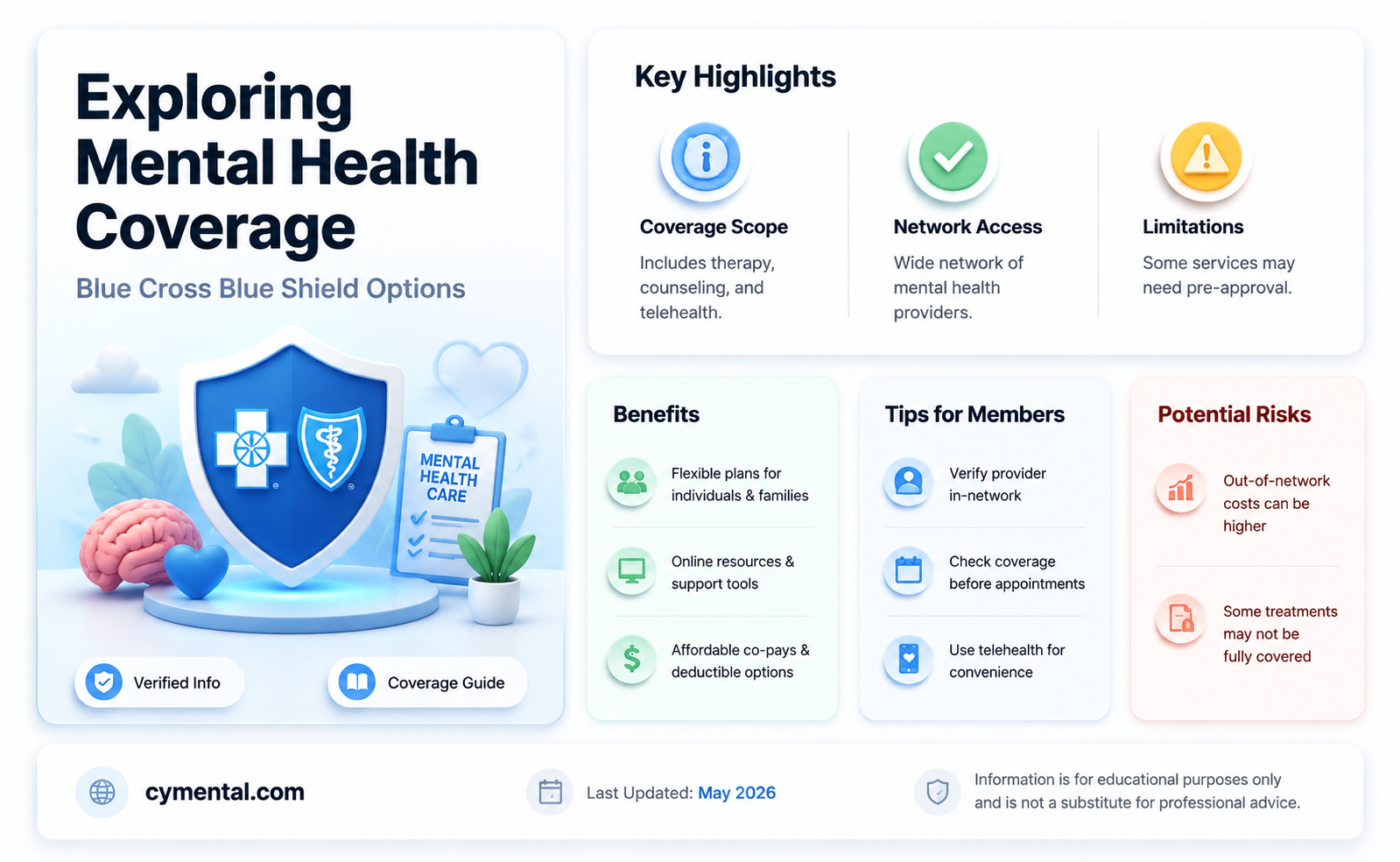
Blue Cross Blue Shield (BCBS) is a prominent health insurance provider in the United States, known for its extensive coverage options. Mental health is a crucial aspect of overall well-being, and many individuals seek insurance plans that cover mental health services. BCBS offers various plans that include mental health coverage, recognizing the importance of addressing mental health concerns. However, the specifics of this coverage can vary depending on the plan and state regulations. It is essential for individuals to review their policy details or contact BCBS directly to understand the extent of mental health services covered under their plan.
| Characteristics | Values |
|---|---|
| Coverage Type | Mental Health |
| Insurance Provider | Blue Cross Blue Shield |
| Coverage Scope | Varies by plan and state |
| Typical Coverage | Inpatient and outpatient services, prescription medications |
| Network Providers | Psychiatrists, psychologists, therapists, treatment centers |
| Deductibles and Copays | May apply, vary by plan |
| Pre-Authorization Requirements | Often required for certain treatments or providers |
| Parity Laws Compliance | Must comply with federal and state parity laws |
| Additional Resources | May offer mental health hotlines, online resources, and wellness programs |
Explore related products


What You'll Learn
- In-network vs. out-of-network providers: Understanding the difference in coverage and costs for mental health services
- Types of mental health services covered: Exploring the range of services, such as therapy, counseling, and psychiatric care
- Pre-authorization requirements: Learning about any necessary steps to get approval for mental health treatment coverage
- Copays and deductibles: Discovering the out-of-pocket costs associated with mental health services under Blue Cross Blue Shield
- Appealing denied claims: Guidance on how to navigate the appeals process if a mental health claim is denied

In-network vs. out-of-network providers: Understanding the difference in coverage and costs for mental health services
Understanding the difference between in-network and out-of-network providers is crucial when it comes to mental health coverage under Blue Cross Blue Shield (BCBS). In-network providers are those who have a contract with BCBS, agreeing to provide services at a negotiated rate. This typically means that the insured individual will pay less out-of-pocket for services rendered by these providers. On the other hand, out-of-network providers do not have a contract with BCBS and may charge higher rates, resulting in higher out-of-pocket costs for the insured.
When seeking mental health services, it's important to consider the financial implications of choosing an in-network versus an out-of-network provider. In-network providers are often more cost-effective, as the insurance company has negotiated lower rates for their services. This can be especially beneficial for individuals who require ongoing mental health care, such as therapy or counseling sessions. Out-of-network providers, while potentially offering specialized services or greater flexibility in scheduling, may result in significantly higher costs, which can quickly add up over time.
To determine whether a mental health provider is in-network or out-of-network, individuals can typically check with their BCBS insurance plan. Most plans have a provider directory available online or through a customer service representative, which lists the providers that are currently contracted with the insurance company. It's important to verify the provider's status before beginning treatment to avoid unexpected costs.
In some cases, individuals may choose to see an out-of-network provider despite the higher costs. This could be due to a variety of reasons, such as the provider's reputation, their specific area of expertise, or their location. However, it's essential to be aware of the potential financial impact of this decision and to plan accordingly. Some insurance plans may offer partial coverage for out-of-network services, but the insured individual will likely still be responsible for a larger portion of the costs.
Ultimately, the decision between in-network and out-of-network providers for mental health services under BCBS depends on the individual's specific needs and circumstances. By understanding the differences in coverage and costs, individuals can make informed decisions about their mental health care and ensure that they are able to access the services they need while managing their financial responsibilities.
Exploring the Nuances: Emotional Health vs. Mental Health
You may want to see also
Explore related products


Types of mental health services covered: Exploring the range of services, such as therapy, counseling, and psychiatric care
Blue Cross Blue Shield (BCBS) insurance plans typically cover a wide range of mental health services, recognizing the importance of mental well-being as part of overall health. These services can include therapy, counseling, and psychiatric care, among others. Therapy and counseling services are often provided by licensed professionals such as psychologists, social workers, and licensed counselors. These services can help individuals manage various mental health conditions, including anxiety, depression, and stress-related disorders. Psychiatric care, on the other hand, is usually provided by psychiatrists who are medical doctors specializing in mental health. They can diagnose mental health conditions, prescribe medications, and provide other medical treatments.
The extent of coverage for these services can vary depending on the specific BCBS plan and the state in which the plan is offered. Some plans may have limitations on the number of therapy sessions covered per year, while others may require pre-authorization for certain types of mental health treatments. It's important for individuals to review their plan's details to understand what services are covered and any potential limitations or requirements.
In addition to traditional in-person therapy and counseling, many BCBS plans also cover telehealth services, which allow individuals to receive mental health care remotely via phone or video calls. This can be particularly beneficial for those who live in areas with limited access to mental health professionals or who have mobility issues.
BCBS plans may also offer additional mental health resources, such as crisis hotlines, online mental health tools, and referrals to community-based mental health programs. These resources can provide valuable support and information for individuals seeking mental health care.
When seeking mental health services, it's important to choose a provider who is in-network with your BCBS plan to ensure the best coverage and minimize out-of-pocket costs. If you're unsure about your coverage or have questions about mental health services, you can contact your BCBS plan's customer service department for assistance.
Exploring the Role of a Mental Health Case Manager: A Comprehensive Guide
You may want to see also
Explore related products


Pre-authorization requirements: Learning about any necessary steps to get approval for mental health treatment coverage
Understanding pre-authorization requirements is crucial when seeking mental health treatment coverage under Blue Cross Blue Shield (BCBS). Pre-authorization, also known as prior authorization, is a process where the insurance company reviews and approves certain medical services before they are provided. This ensures that the services are medically necessary and meet the criteria set by the insurance plan.
To navigate the pre-authorization process for mental health treatment under BCBS, it's essential to follow specific steps. First, consult your healthcare provider to determine if the treatment you're seeking requires pre-authorization. Your provider should be familiar with the BCBS guidelines and can guide you through the process. Next, gather all necessary documentation, including medical records, treatment plans, and any supporting letters from your healthcare provider. This information will be submitted to BCBS for review.
Once you have the required documentation, contact BCBS directly to initiate the pre-authorization process. You can usually do this through their website or by calling their customer service number. Be prepared to provide detailed information about the treatment, including the type of therapy, the number of sessions, and the provider's name and credentials. BCBS will then review your request and make a decision based on their medical necessity criteria.
It's important to note that pre-authorization requirements can vary depending on your specific BCBS plan and state regulations. Some plans may have more stringent requirements or may cover certain mental health treatments without pre-authorization. To avoid any surprises, it's always best to check with your insurance provider directly to understand the specific requirements of your plan.
In conclusion, navigating the pre-authorization process for mental health treatment under BCBS can be complex, but with the right information and guidance, it's manageable. By understanding the requirements and following the necessary steps, you can ensure that you receive the coverage you need for your mental health treatment.
Understanding Mental Health Awareness Through Color Symbolism
You may want to see also
Explore related products



$28.99

$28.99


Copays and deductibles: Discovering the out-of-pocket costs associated with mental health services under Blue Cross Blue Shield
Understanding the out-of-pocket costs associated with mental health services under Blue Cross Blue Shield (BCBS) is crucial for individuals seeking care. While BCBS does cover mental health services, the extent of coverage and the costs incurred by the policyholder can vary significantly depending on the specific plan and state regulations.
To begin navigating these costs, it's essential to familiarize oneself with the terms 'copay' and 'deductible.' A copay is a fixed amount that a policyholder pays for each visit or service, while a deductible is the total amount a policyholder must pay out-of-pocket before the insurance company begins to cover services. These costs can add up quickly, especially for those requiring frequent mental health services.
For instance, under some BCBS plans, the copay for a therapy session might be $20, while the deductible for mental health services could be $500. This means that an individual would need to pay $500 out-of-pocket before their copays would be the only cost for each subsequent therapy session. It's also important to note that some plans may have separate deductibles for mental health services compared to other medical services.
To mitigate these costs, policyholders should consider several strategies. First, they should review their plan documents carefully to understand their specific coverage and out-of-pocket responsibilities. Second, they might explore the option of using a Health Savings Account (HSA) or Flexible Spending Account (FSA) to set aside pre-tax dollars for mental health expenses. Finally, policyholders could discuss payment plans or sliding scale fees with their mental health providers, which can help make services more affordable.
In conclusion, while BCBS does provide coverage for mental health services, the associated copays and deductibles can be significant. By understanding these costs and exploring strategies to manage them, individuals can make informed decisions about their mental health care and minimize their financial burden.
Navigating Recovery: Understanding the Role of Halfway Houses in Mental Health
You may want to see also
Explore related products


Appealing denied claims: Guidance on how to navigate the appeals process if a mental health claim is denied
If your mental health claim has been denied by Blue Cross Blue Shield, it's crucial to understand that you have the right to appeal the decision. The appeals process can be complex, but with the right guidance, you can navigate it effectively. Here's a step-by-step breakdown to help you get started:
- Review the Denial Notice: The first step is to carefully read the denial notice you received. This document should outline the reasons for the denial and provide information on how to appeal. Pay close attention to any deadlines mentioned, as you'll need to act quickly to initiate the appeals process.
- Gather Supporting Documentation: Collect any additional documents or information that support your claim. This may include medical records, letters from your healthcare provider, or any other relevant evidence that demonstrates the necessity of the treatment or service in question.
- Submit a Written Appeal: Most appeals require a written submission. Draft a clear and concise letter stating your intent to appeal and outlining the reasons why you believe the claim should be approved. Be sure to include your policy number, the claim number, and any other identifying information.
- Follow Up: After submitting your appeal, it's important to follow up with Blue Cross Blue Shield to ensure that your appeal is being processed. You may need to provide additional information or documentation, so stay proactive and responsive to any requests.
- Consider an Independent Review: If your initial appeal is denied, you may have the option to request an independent review. This involves having your case reviewed by a third-party organization to ensure that the denial was fair and accurate.
Remember, the key to successfully appealing a denied mental health claim is to be thorough, persistent, and well-informed. By understanding the appeals process and taking the necessary steps, you can increase your chances of having your claim approved and receiving the coverage you need.
Understanding the Nuances: Mental Health vs. Behavioral Health
You may want to see also
Frequently asked questions
Yes, Blue Cross Blue Shield typically covers mental health services, including therapy sessions, counseling, and psychiatric care. Coverage may vary depending on the specific plan and state regulations.
The Blue Cross Blue Shield network usually includes a range of mental health professionals such as psychologists, psychiatrists, licensed therapists, and counselors. It's advisable to check the provider directory for a comprehensive list.
While Blue Cross Blue Shield generally covers mental health services, there may be limitations or exclusions based on the plan. These could include restrictions on the number of therapy sessions per year, requirements for pre-authorization, or exclusions for certain types of mental health treatments.
To find a mental health provider within the Blue Cross Blue Shield network, you can visit their official website and use the provider directory search tool. You can filter results by location, specialty, and other criteria to find a suitable provider.
If a mental health claim is denied by Blue Cross Blue Shield, you have the right to appeal the decision. The appeals process typically involves submitting a written request for review, providing additional documentation or information to support your claim, and awaiting a decision from the insurer. It's important to follow the specific appeals procedures outlined in your plan documents.