 Harper Lewis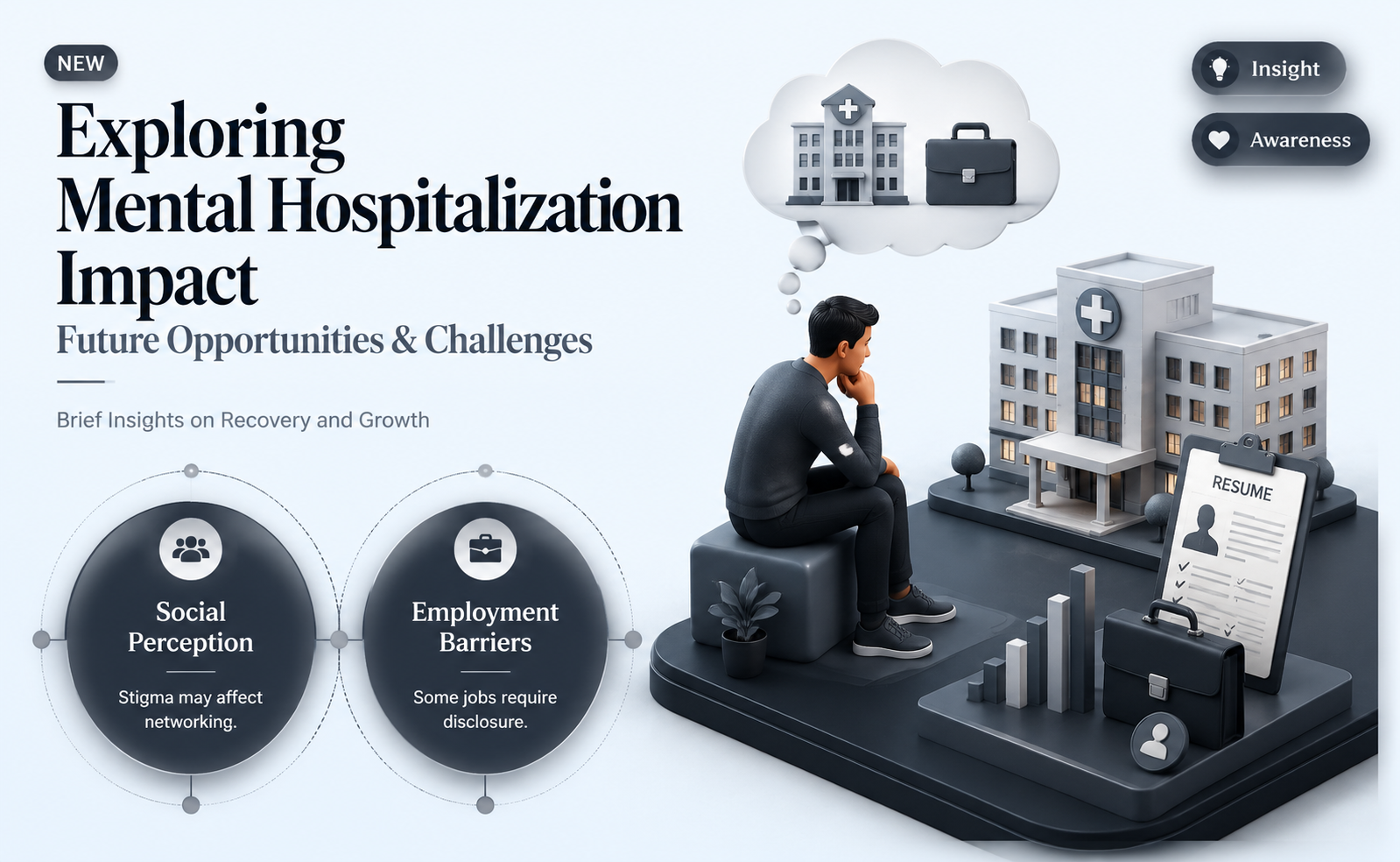
The question of whether going to a mental hospital affects one's future is a complex and multifaceted issue. On one hand, seeking treatment at a mental health facility can be a crucial step towards recovery and managing mental health conditions. It can provide individuals with the necessary tools, therapy, and support to improve their well-being and lead a more stable life. However, there are also potential drawbacks and stigmas associated with mental hospitalization that can impact various aspects of a person's future, including employment opportunities, relationships, and overall societal perception. It's essential to weigh these factors and consider the long-term implications of mental health treatment decisions.
| Characteristics | Values |
|---|---|
| Impact on Employment | May affect job prospects and career advancement due to potential stigma and disclosure requirements. |
| Duration of Stay | Varies depending on individual treatment needs; can range from short-term (days to weeks) to long-term (months to years). |
| Type of Treatment | Inpatient care includes therapy sessions, medication management, and 24/7 monitoring by mental health professionals. |
| Voluntary vs. Involuntary Admission | Voluntary admission is preferred, but involuntary commitment may be necessary in cases of severe mental illness or risk of harm to self or others. |
| Cost | Expensive; often covered by insurance, but out-of-pocket costs can be significant depending on the facility and length of stay. |
| Location | Mental hospitals are typically located in urban areas, but rural residents may have limited access to nearby facilities. |
| Support Services | Many hospitals offer support groups, family therapy, and aftercare planning to aid in the transition back to daily life. |
| Stigma | Societal stigma surrounding mental illness can lead to discrimination and negative perceptions, potentially affecting personal and professional relationships. |
| Legal Rights | Patients have rights to confidentiality, informed consent, and the ability to refuse treatment, although these rights may be limited in cases of involuntary commitment. |
| Effect on Education | May impact academic performance and future educational opportunities due to time away from studies and potential stigma. |
| Housing | Temporary housing is provided within the hospital, but finding stable housing post-discharge can be challenging, especially for those with limited financial resources. |
| Social Relationships | Can strain relationships with family and friends due to the emotional toll of hospitalization and the stigma associated with mental illness. |
| Self-Esteem | Hospitalization may affect self-esteem and self-image, potentially leading to feelings of shame or guilt. |
| Access to Care | Mental hospitals provide intensive care and resources that may not be available in outpatient settings, potentially leading to better long-term outcomes. |
| Follow-Up Care | Discharge planning often includes arrangements for follow-up care, such as outpatient therapy and medication management, to support ongoing recovery. |
Explore related products

What You'll Learn
- Employment Opportunities: Mental health treatment may impact job prospects, but laws protect against discrimination
- Education: Hospitals provide resources for continuing education, ensuring patients don't fall behind academically
- Relationships: Treatment can improve personal relationships by addressing underlying mental health issues
- Legal Rights: Patients have rights to privacy and confidentiality, safeguarding their personal information
- Long-term Care: Discharge planning and aftercare services help patients transition back into society smoothly

Employment Opportunities: Mental health treatment may impact job prospects, but laws protect against discrimination
Mental health treatment can have a significant impact on an individual's job prospects. However, it is essential to note that laws exist to protect individuals from discrimination based on their mental health history. The Americans with Disabilities Act (ADA) and other similar laws around the world prohibit employers from discriminating against qualified individuals with disabilities, including mental health conditions.
Despite these protections, individuals may still face challenges in the workplace due to stigma and misconceptions surrounding mental health. It is crucial for individuals to understand their rights and the resources available to them to address any potential discrimination.
One unique angle to consider is the impact of mental health treatment on career advancement. While seeking treatment may initially affect job performance or attendance, it can also lead to improved mental health and increased productivity in the long run. Employers who recognize the value of mental health treatment may view it as a positive factor in an individual's career trajectory.
Another important aspect to consider is the role of disclosure in the hiring process. Individuals may be required to disclose their mental health history or treatment in certain circumstances, such as when applying for jobs in the public sector or in industries with specific regulations. Understanding the disclosure requirements and the potential implications of disclosure is crucial for individuals navigating the job market.
In conclusion, while mental health treatment may impact job prospects, laws exist to protect individuals from discrimination. By understanding their rights and the resources available, individuals can navigate the workplace and career advancement with confidence.
Packing Essentials: What to Bring to a Mental Health Facility
You may want to see also
Education: Hospitals provide resources for continuing education, ensuring patients don't fall behind academically
Hospitals play a crucial role in providing educational resources to patients, particularly those who may be at risk of falling behind academically due to mental health challenges. This support is essential in ensuring that patients can continue their education while receiving treatment, thereby mitigating any potential long-term impacts on their academic progress and future opportunities.
One of the key ways hospitals facilitate continuing education is through on-site educational programs. These programs often include tutors, teachers, or educational therapists who work directly with patients to help them keep up with their coursework. Additionally, hospitals may partner with local schools or educational institutions to provide patients with access to online learning platforms, textbooks, and other educational materials.
For patients who are unable to attend traditional classes due to their treatment plans, hospitals may offer alternative educational pathways. This could include individualized learning plans, correspondence courses, or even virtual classrooms that allow patients to participate in lessons remotely. By providing these flexible learning options, hospitals help ensure that patients can continue their education at their own pace and in a manner that accommodates their unique needs.
Furthermore, hospitals often recognize the importance of addressing the emotional and psychological aspects of education. Patients may experience anxiety, depression, or other mental health issues that can impact their ability to focus and learn. To address these challenges, hospitals may integrate mental health support services into their educational programs, providing patients with counseling, therapy, or other forms of emotional support to help them succeed academically.
In conclusion, hospitals provide a range of resources and support services to ensure that patients can continue their education while receiving mental health treatment. By offering on-site educational programs, alternative learning pathways, and mental health support services, hospitals help patients stay on track academically and prepare for a successful future.
Reagan's Impact on Mental Health Care: The Closure of Hospitals
You may want to see also
Relationships: Treatment can improve personal relationships by addressing underlying mental health issues
Seeking treatment for mental health issues can have a profound impact on personal relationships. When individuals address underlying psychological challenges, they often experience improvements in their ability to communicate, empathize, and connect with others. This can lead to stronger, more fulfilling relationships with family members, friends, and romantic partners.
One of the key ways that treatment can improve relationships is by enhancing emotional regulation. When individuals learn to manage their emotions effectively, they are better equipped to handle conflicts and disagreements in a constructive manner. This can reduce tension and resentment in relationships, leading to a more harmonious and supportive environment.
Additionally, treatment can help individuals develop healthier coping mechanisms for stress and anxiety. When people are able to manage their mental health symptoms, they are less likely to engage in destructive behaviors that can harm their relationships, such as substance abuse or avoidance. This can lead to increased trust and intimacy in relationships, as individuals are better able to show up for their loved ones in times of need.
Furthermore, treatment can provide individuals with a greater sense of self-awareness and self-esteem. When people understand their own needs and boundaries, they are better able to communicate these to their loved ones, leading to more balanced and respectful relationships. This increased self-awareness can also help individuals recognize and address patterns of unhealthy behavior, such as codependency or people-pleasing, that may be negatively impacting their relationships.
In conclusion, seeking treatment for mental health issues can have a ripple effect on personal relationships, leading to improved communication, emotional regulation, and overall connection with others. By addressing underlying psychological challenges, individuals can create a more supportive and fulfilling environment for themselves and their loved ones.
Understanding Voluntary Admission to Psychiatric Facilities: A Guide
You may want to see also
Legal Rights: Patients have rights to privacy and confidentiality, safeguarding their personal information
Patients seeking mental health treatment are entitled to privacy and confidentiality, which are fundamental legal rights. These rights are designed to protect personal information and ensure that individuals feel safe and secure when discussing sensitive matters with healthcare providers. In the context of mental hospitals, these legal protections are especially crucial, as patients may be more vulnerable and concerned about the potential consequences of disclosing their mental health struggles.
The right to privacy encompasses the individual's ability to control access to their personal information, including medical records, treatment plans, and communications with healthcare professionals. Mental health facilities are required to implement robust security measures to safeguard this information, such as secure storage of records, restricted access to authorized personnel, and encryption of electronic communications. Patients should be informed about the facility's privacy policies and procedures, and their consent should be obtained before any personal information is shared with third parties.
Confidentiality, on the other hand, refers to the ethical and legal obligation of healthcare providers to maintain the privacy of patient information and not disclose it to unauthorized individuals. Mental health professionals are bound by strict confidentiality rules, which are enforced by laws such as the Health Insurance Portability and Accountability Act (HIPAA) in the United States. Breaches of confidentiality can result in legal consequences for the healthcare provider and may also lead to a loss of trust between the patient and the provider, potentially hindering the therapeutic process.
In addition to these legal protections, mental health facilities should also prioritize creating a culture of respect and discretion. Staff should be trained to handle patient information sensitively and to avoid discussing patient matters in public areas or with unauthorized individuals. Patients should also be encouraged to ask questions and express any concerns they may have about their privacy and confidentiality, and their feedback should be taken seriously and addressed promptly.
Ultimately, the legal rights to privacy and confidentiality are essential components of mental health care, as they help to establish a trusting relationship between patients and providers and ensure that individuals feel comfortable seeking the treatment they need. By upholding these rights, mental health facilities can promote a safe and supportive environment for patients, which is critical for their recovery and well-being.
Exploring the Rules: Phone Usage in Mental Health Facilities
You may want to see also
Long-term Care: Discharge planning and aftercare services help patients transition back into society smoothly
Discharge planning is a critical component of long-term care in mental health facilities, aimed at ensuring that patients can reintegrate into society as smoothly as possible. This process involves a multidisciplinary team, including psychiatrists, social workers, and nurses, who collaborate to create a personalized plan for each patient. The plan typically addresses various aspects of the patient's life, such as housing, employment, education, and social support networks. By providing a structured approach to transitioning out of the hospital, discharge planning helps to reduce the risk of relapse and improve overall outcomes for patients.
Aftercare services play a vital role in supporting patients after they leave the hospital. These services can include follow-up appointments with mental health professionals, medication management, and access to community resources such as support groups and vocational training programs. Aftercare services are designed to provide ongoing support and guidance, helping patients to maintain their mental health and stability in the long term. Research has shown that patients who receive comprehensive aftercare services are less likely to experience a recurrence of their mental health issues and are more likely to lead fulfilling lives in the community.
One of the key challenges in discharge planning and aftercare services is ensuring that patients have access to the necessary resources and support. This can be particularly difficult for patients who lack a strong social support network or who face significant barriers to accessing community resources. In such cases, mental health professionals may need to work closely with community organizations and government agencies to help patients secure the resources they need to thrive outside of the hospital. By addressing these challenges proactively, discharge planning and aftercare services can help to mitigate the potential negative impacts of hospitalization on a patient's future.
In conclusion, discharge planning and aftercare services are essential components of long-term care in mental health facilities. These services help patients to transition back into society smoothly, reduce the risk of relapse, and improve overall outcomes. By providing personalized support and access to community resources, mental health professionals can help patients to build a strong foundation for their future and lead fulfilling lives in the community.
Navigating Mental Health Crises: When Hospitalization Becomes Necessary
You may want to see also
Frequently asked questions
Seeking treatment at a mental hospital can impact your employment prospects, but not necessarily in a negative way. Employers may view your decision to seek help as a sign of strength and responsibility. However, it's essential to be prepared to discuss your treatment and how it has helped you manage your mental health during job interviews.
Yes, a mental hospital stay will be documented in your medical records. However, access to these records is protected by privacy laws, and they are typically only shared with healthcare providers and others authorized by you.
A mental hospital admission may impact your ability to obtain life insurance, as insurance companies often consider mental health history when assessing risk. However, the impact can vary depending on the specific circumstances of your treatment and the insurance provider's policies.
Seeking treatment at a mental hospital does not mean you will be labeled as "crazy" or "insane." Mental illness is a common and treatable health condition, and seeking help is a sign of strength. The stigma surrounding mental illness is decreasing, and many people who have received treatment go on to lead fulfilling and successful lives.
