Harper Lewis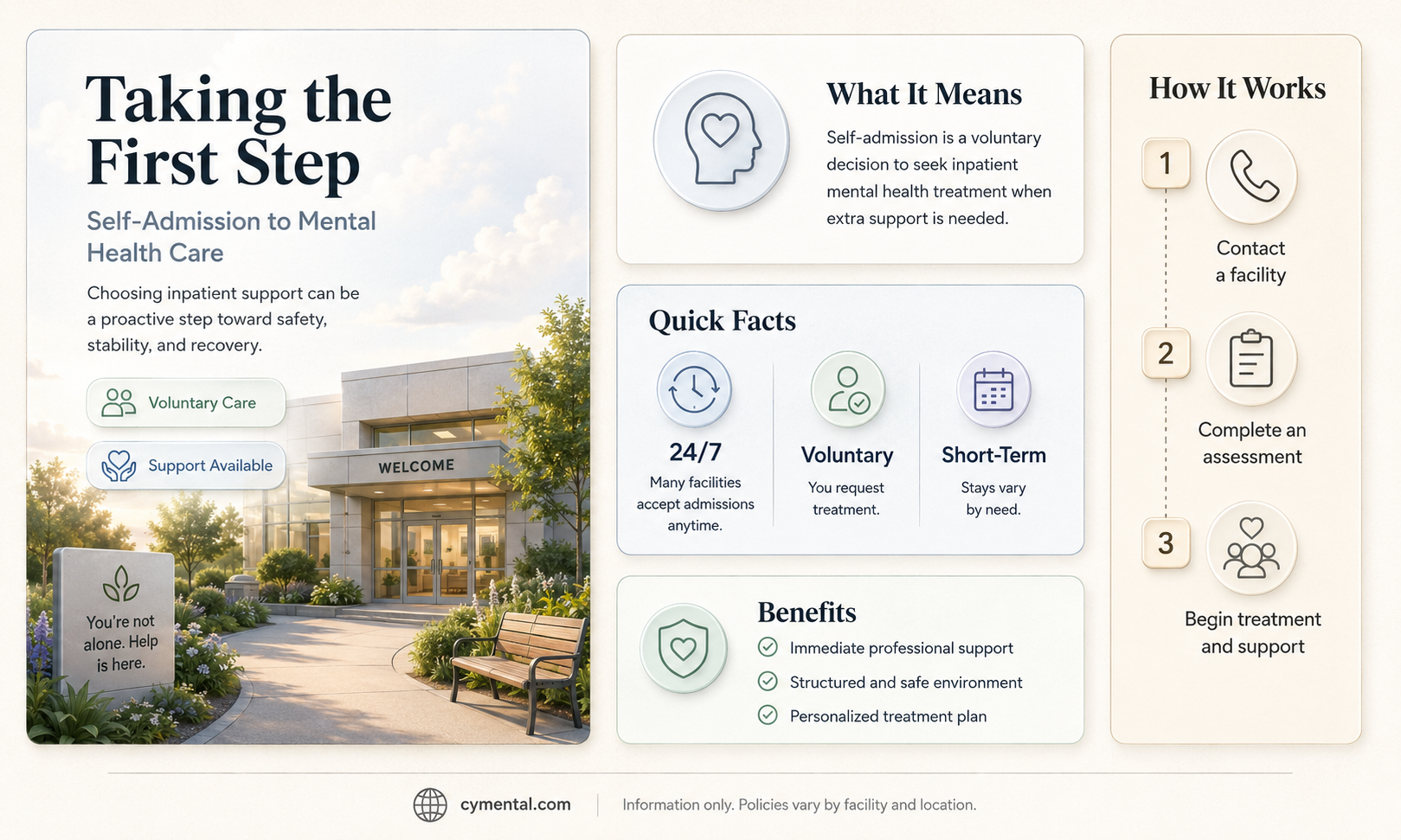
If you're considering checking yourself into a mental health hospital, it's important to recognize that seeking help is a sign of strength. Mental health hospitals provide a safe and supportive environment where you can receive intensive care and treatment for various mental health conditions. The process typically involves contacting the hospital directly, either by phone or in person, and explaining your situation to the admissions staff. They will guide you through the necessary steps, which may include an initial assessment, insurance verification, and arranging for transportation to the facility. It's also helpful to have a support person with you during this process, such as a family member or friend, who can provide emotional support and help with logistics. Remember, taking this step towards prioritizing your mental health is a courageous decision, and there are resources available to assist you every step of the way.
Explore related products


What You'll Learn
- Research local facilities: Look up mental health hospitals in your area, considering factors like insurance acceptance and available services
- Contact your doctor: Discuss your concerns with your primary care physician, who can provide referrals and guidance on the admission process
- Understand admission criteria: Familiarize yourself with the hospital's requirements for admission, such as presenting a crisis or needing intensive care
- Prepare necessary documents: Gather important paperwork, including insurance information, medical records, and a list of current medications
- Plan for transportation: Arrange for a safe and reliable way to get to the hospital, considering options like calling a taxi or asking a trusted friend or family member for a ride

Research local facilities: Look up mental health hospitals in your area, considering factors like insurance acceptance and available services
To begin the process of checking yourself into a mental health hospital, it's crucial to research local facilities thoroughly. Start by compiling a list of mental health hospitals in your area. You can use online directories, such as those provided by your insurance company or government health services, to find facilities near you. When creating this list, consider factors like insurance acceptance, available services, and the hospital's reputation.
Once you have a list of potential hospitals, visit their websites to gather more detailed information. Look for sections on their sites that outline the services they offer, such as inpatient care, outpatient programs, or specialized treatment for specific mental health conditions. Pay attention to the hospital's mission statement and values, as these can give you insight into their approach to mental health care. Additionally, check if the hospital has any patient testimonials or reviews available, which can provide valuable perspectives on the quality of care.
Another important aspect to consider is the hospital's accreditation and licensing. Ensure that the facilities you're considering are accredited by a recognized organization, such as The Joint Commission, and are licensed by your state's health department. This information is typically available on the hospital's website or through a simple online search. Accreditation and licensing are indicators of a hospital's commitment to meeting certain standards of care and safety.
After narrowing down your list based on the above factors, it's a good idea to contact the hospitals directly to ask any additional questions you may have. This could include inquiries about the admission process, the length of stay, the cost of treatment, and the availability of specific therapies or medications. Speaking with a representative from the hospital can also give you a sense of the facility's atmosphere and how well they communicate with patients and their families.
Finally, if possible, consider visiting the hospitals in person before making a decision. This will allow you to see the facility firsthand, meet with staff members, and get a feel for the environment. Touring the hospital can help you determine if it's a good fit for your needs and preferences. Remember, choosing the right mental health hospital is an important decision, and taking the time to research and evaluate your options can significantly impact your treatment experience and outcomes.
Comfort in Care: The Role of Stuffed Animals in Mental Health Hospitals
You may want to see also
Contact your doctor: Discuss your concerns with your primary care physician, who can provide referrals and guidance on the admission process
If you're considering checking yourself into a mental health hospital, it's crucial to start by consulting your primary care physician. They can offer valuable insight into your condition and recommend the most appropriate course of action. During your appointment, be open and honest about your symptoms, concerns, and any thoughts of self-harm or suicide. This information will help your doctor assess the severity of your situation and determine whether inpatient treatment is necessary.
Your primary care physician can also provide referrals to mental health specialists or hospitals in your area. They may have specific recommendations based on your medical history, insurance coverage, and the type of care you require. Additionally, your doctor can guide you through the admission process, explaining what to expect and helping you prepare for your stay.
It's important to note that your primary care physician may suggest alternative treatments or interventions before recommending hospitalization. These could include outpatient therapy, medication management, or community support programs. Be sure to discuss all options thoroughly and ask questions to ensure you understand the potential benefits and drawbacks of each approach.
In some cases, your doctor may determine that immediate hospitalization is necessary for your safety. If this is the case, they will likely arrange for an emergency admission. In other situations, you may be able to schedule a planned admission, which can be less stressful and allow you to prepare in advance.
Remember, reaching out to your primary care physician is a brave and important step in seeking help for your mental health. They are trained to support you and can provide the guidance and resources you need to make informed decisions about your care.
Navigating Mental Health Facilities: Phone Policies Explained
You may want to see also
Understand admission criteria: Familiarize yourself with the hospital's requirements for admission, such as presenting a crisis or needing intensive care
To check yourself into a mental health hospital, it's crucial to understand the admission criteria. Each hospital may have specific requirements, but generally, they look for individuals who are experiencing a mental health crisis or require intensive care. This could include severe depression, suicidal thoughts, psychosis, or other acute psychiatric conditions. Familiarize yourself with the hospital's guidelines to ensure you meet their criteria.
Start by researching the hospital's website or contacting their admissions department directly. Ask about their specific criteria for admission, such as the presence of a crisis, the need for intensive care, or any other requirements they may have. Some hospitals may also have age restrictions or specific programs for certain conditions.
It's important to note that the admission process may vary depending on the hospital's policies and the severity of your condition. In some cases, you may be able to admit yourself voluntarily, while in others, you may need a referral from a mental health professional or a court order. Be prepared to provide detailed information about your symptoms, medical history, and any previous mental health treatments you've received.
Once you've gathered the necessary information, you can begin the admission process. This may involve filling out paperwork, undergoing a mental health evaluation, and meeting with hospital staff to discuss your treatment plan. Remember to be honest and open about your symptoms and needs, as this will help the hospital provide you with the best possible care.
In conclusion, understanding the admission criteria for a mental health hospital is the first step in the process of checking yourself in. By familiarizing yourself with the hospital's requirements and being prepared to provide detailed information about your condition, you can ensure a smoother admission process and receive the care you need.
Navigating Mental Health Care: Understanding Discharge from Psychiatric Facilities
You may want to see also
Prepare necessary documents: Gather important paperwork, including insurance information, medical records, and a list of current medications
Before checking into a mental health hospital, it's crucial to gather all necessary documents to ensure a smooth admission process. This includes insurance information, which will help determine coverage and potential out-of-pocket costs. Medical records are also essential, as they provide the hospital with a comprehensive understanding of your medical history, previous treatments, and any underlying conditions that may impact your mental health care.
In addition to insurance and medical records, it's important to compile a list of current medications, including dosage information and the prescribing doctor's contact details. This will help the hospital staff understand your current treatment regimen and make informed decisions about your care. If you're unsure about any of your medications, it's a good idea to consult with your primary care physician or a pharmacist before checking into the hospital.
When gathering these documents, it's helpful to organize them in a clear and concise manner. Consider using a folder or binder to keep everything together, and make sure to label each document clearly. This will make it easier for the hospital staff to review your information and get you settled into the facility.
It's also a good idea to have a list of emergency contacts, including family members, friends, or mental health professionals who can be reached in case of an emergency. This will help ensure that you have a support system in place during your stay at the hospital.
Finally, if you have any specific preferences or needs regarding your care, it's important to communicate these to the hospital staff. This could include dietary restrictions, cultural or religious considerations, or any other factors that may impact your treatment. By being proactive and providing the hospital with all the necessary information, you can help ensure a more comfortable and effective stay.
Understanding Mental Health Care Options for Preteens
You may want to see also
Plan for transportation: Arrange for a safe and reliable way to get to the hospital, considering options like calling a taxi or asking a trusted friend or family member for a ride
Ensuring you have a safe and reliable means of transportation to the hospital is a critical step in the process of checking yourself into a mental health facility. This logistical detail can significantly impact your experience and should be handled with care. Here are some practical considerations and steps to take when arranging your transportation.
Firstly, assess your personal situation to determine the most suitable transportation option. If you are in a crisis or feel unsafe driving yourself, calling a taxi or ride-sharing service may be the best choice. These services provide a quick and convenient way to reach the hospital without the need for personal connections. When booking, be sure to specify that you require a ride to a mental health hospital, as this may influence the driver's approach and preparedness.
Alternatively, if you have a trusted friend or family member available, asking them for a ride can provide emotional support during this challenging time. It is essential, however, to ensure that the person you choose is reliable and capable of providing the necessary assistance. Discuss your needs and expectations with them beforehand, including the importance of punctuality and confidentiality.
In either case, it is advisable to plan your transportation in advance to avoid last-minute stress. If possible, schedule your ride to arrive at the hospital a few minutes early, allowing time for any unforeseen delays or complications. Additionally, consider having a backup transportation plan in place, such as a second contact or a pre-booked taxi, in case your primary arrangement falls through.
Lastly, if you are using public transportation, research the route and schedule ahead of time to ensure you arrive at the hospital efficiently. Familiarize yourself with the location of the nearest bus or train stops and factor in any potential delays or service disruptions. It may also be helpful to have a small amount of cash on hand for fares or to use a transit app that provides real-time updates and route information.
By carefully planning your transportation, you can help ensure a smoother and less stressful experience as you take this important step towards seeking mental health care.
Unraveling the Myth: The Truth About Pink Crayons in Mental Health Facilities
You may want to see also
Frequently asked questions
If you're considering checking yourself into a mental health hospital, it's important to first consult with a mental health professional or your primary care physician. They can help assess your situation and provide guidance on the best course of action. Additionally, you can research local mental health hospitals, their services, and admission processes online or by contacting them directly.
When checking into a mental health hospital, you will likely need to provide personal information such as your name, date of birth, address, and contact details. You may also need to provide information about your mental health history, current symptoms, and any medications you are taking. It's a good idea to have this information prepared ahead of time to make the admission process smoother.
During your stay at a mental health hospital, you can expect to receive a comprehensive evaluation and treatment plan tailored to your specific needs. This may include individual and group therapy sessions, medication management, and various therapeutic activities. The length of your stay will depend on your individual circumstances and progress in treatment. It's important to be open and honest with your treatment team to ensure you receive the best possible care.