Caleb Wright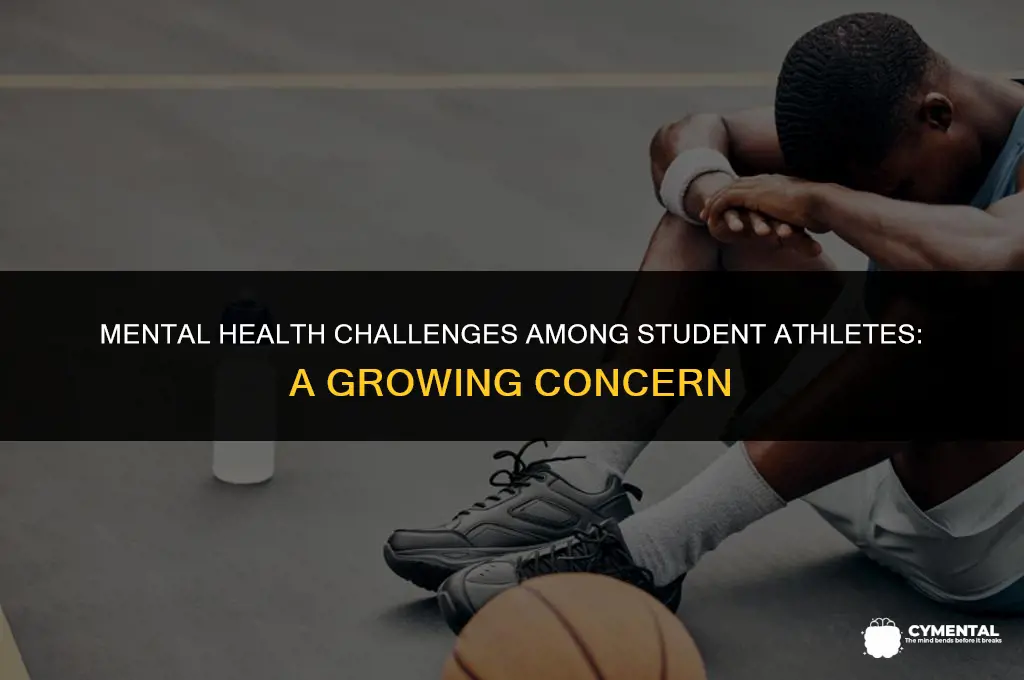
Mental health challenges are prevalent among student athletes, who often face unique pressures and stressors that can impact their psychological well-being. The competitive nature of sports, combined with academic demands, social expectations, and the pressure to perform, can lead to anxiety, depression, and other mental health issues. While student athletes may appear to be thriving on the surface, many struggle silently with these challenges, which can affect their performance, relationships, and overall quality of life. It is essential to raise awareness about the mental health struggles faced by student athletes and to provide them with the support and resources they need to cope effectively.
Explore related products


What You'll Learn
- Prevalence of Mental Health Issues: Statistics on student athletes experiencing mental health challenges
- Types of Mental Health Concerns: Common issues like anxiety, depression, and eating disorders among student athletes
- Factors Contributing to Mental Health Struggles: Academic pressure, athletic performance stress, and social demands
- Consequences of Untreated Mental Health Issues: Impact on athletic performance, academic achievement, and overall well-being
- Support and Resources for Student Athletes: Availability of counseling services, support groups, and mental health initiatives

Prevalence of Mental Health Issues: Statistics on student athletes experiencing mental health challenges
Recent studies have shed light on the alarming prevalence of mental health issues among student athletes. According to a survey conducted by the National Collegiate Athletic Association (NCAA), approximately 30% of student athletes experience significant mental health challenges, with anxiety and depression being the most common. These statistics are particularly concerning given the added pressures and demands placed on student athletes, who must balance their academic responsibilities with the intense physical and emotional demands of competitive sports.
One of the key factors contributing to the high prevalence of mental health issues among student athletes is the stigma surrounding mental illness in the athletic community. Many athletes fear that seeking help will be perceived as a sign of weakness or will negatively impact their athletic performance. This stigma is further compounded by the lack of mental health resources and support available to student athletes, with many schools and athletic programs lacking dedicated mental health professionals or adequate funding for mental health services.
Another significant factor is the intense pressure to perform at a high level, both academically and athletically. Student athletes are often expected to excel in their sport while also maintaining a high GPA, which can lead to feelings of overwhelm, stress, and anxiety. Additionally, the physical demands of training and competition can take a toll on an athlete's mental health, with injuries and setbacks often leading to feelings of frustration, disappointment, and even depression.
To address these issues, it is essential that schools and athletic programs prioritize the mental health and well-being of their student athletes. This can be achieved by increasing funding for mental health services, providing access to dedicated mental health professionals, and implementing programs and initiatives aimed at reducing stigma and promoting mental health awareness. Additionally, coaches and athletic staff should be trained to recognize the signs of mental health issues and provide support and resources to athletes who may be struggling.
In conclusion, the prevalence of mental health issues among student athletes is a serious concern that requires immediate attention and action. By prioritizing the mental health and well-being of student athletes, schools and athletic programs can help to create a more supportive and inclusive environment that allows athletes to thrive both on and off the field.
Debunking Myths: What's Not Essential for Positive Mental Health?
You may want to see also
Explore related products


$16.97 $16.97


Types of Mental Health Concerns: Common issues like anxiety, depression, and eating disorders among student athletes
Student athletes often face a unique set of mental health challenges that can impact their performance and overall well-being. Among these challenges, anxiety, depression, and eating disorders are particularly prevalent. These issues can stem from a variety of factors, including the pressure to perform, the demands of balancing academics and athletics, and the social expectations placed on athletes.
Anxiety is a common concern among student athletes, as they may experience stress related to competition, fear of injury, and the need to maintain high grades. This anxiety can manifest in physical symptoms such as increased heart rate, muscle tension, and difficulty sleeping. Over time, if left untreated, anxiety can lead to more serious mental health issues and negatively impact an athlete's ability to focus and perform at their best.
Depression is another significant mental health concern for student athletes. The constant pressure to excel in both academics and athletics can lead to feelings of inadequacy and hopelessness. Additionally, the isolation that athletes may experience due to their demanding schedules can contribute to feelings of loneliness and depression. It is important for student athletes to recognize the signs of depression, such as persistent sadness, loss of interest in activities, and changes in appetite or sleep patterns, and seek help if needed.
Eating disorders are also a prevalent issue among student athletes, particularly those involved in sports that emphasize weight and body composition. The pressure to maintain a certain weight or body type can lead to unhealthy eating habits and, in some cases, eating disorders such as anorexia nervosa or bulimia nervosa. These disorders can have serious physical and mental health consequences, including malnutrition, osteoporosis, and depression. It is crucial for student athletes to have access to resources and support to address these issues and promote healthy eating habits.
In conclusion, student athletes face a range of mental health challenges, including anxiety, depression, and eating disorders. These issues can have significant impacts on their performance and overall well-being. It is essential for student athletes to be aware of these challenges and seek help when needed. By addressing these mental health concerns, student athletes can better navigate the pressures of their athletic and academic pursuits and achieve a healthier, more balanced lifestyle.
Prioritizing Your Well-being: The Art of Requesting a Mental Health Day
You may want to see also
Explore related products


Factors Contributing to Mental Health Struggles: Academic pressure, athletic performance stress, and social demands
Academic pressure is a significant factor contributing to mental health struggles among student athletes. The demands of maintaining high grades while also dedicating substantial time to athletic training can create a sense of overwhelming stress. This pressure is often exacerbated by the expectations placed on student athletes by coaches, parents, and peers to excel both academically and athletically. As a result, many student athletes may feel that they are constantly juggling multiple responsibilities, leading to feelings of anxiety and burnout.
Athletic performance stress is another critical factor that can impact the mental health of student athletes. The pressure to perform well in competitions, coupled with the fear of injury or failure, can lead to heightened levels of stress and anxiety. This stress can be further intensified by the public nature of athletic events, where student athletes may feel scrutinized by spectators, coaches, and teammates. The constant pursuit of perfection and the fear of not meeting expectations can take a significant toll on the mental well-being of student athletes.
Social demands also play a role in the mental health struggles of student athletes. The need to balance athletic commitments with social relationships can be challenging, leading to feelings of isolation and loneliness. Student athletes may also face pressure to conform to certain social norms or expectations, which can contribute to stress and anxiety. Additionally, the lack of time for leisure activities and personal interests can further exacerbate these feelings, making it difficult for student athletes to maintain a healthy work-life balance.
In conclusion, the combination of academic pressure, athletic performance stress, and social demands can create a perfect storm of mental health challenges for student athletes. It is essential for coaches, educators, and support staff to recognize these factors and provide resources and support to help student athletes manage their mental health effectively. By addressing these specific stressors, we can work towards creating a more supportive and nurturing environment for student athletes to thrive both academically and athletically.
Holistic Well-being: Beyond Physical, Mental, and Social Health
You may want to see also
Explore related products


Consequences of Untreated Mental Health Issues: Impact on athletic performance, academic achievement, and overall well-being
Student athletes facing untreated mental health issues often experience a decline in their athletic performance. This can manifest in various ways, such as decreased motivation, impaired focus, and reduced physical stamina. For instance, a study by the NCAA found that student athletes with untreated depression were more likely to miss practices and games, and their overall performance in competition suffered. Furthermore, the stress and anxiety associated with mental health struggles can lead to physical symptoms like muscle tension and gastrointestinal problems, which can further hinder athletic abilities.
Academically, untreated mental health issues can have a significant impact on a student athlete's achievement. The cognitive impairment caused by conditions like depression and anxiety can make it difficult to concentrate in class, complete assignments, and retain information. This can result in lower grades and a decreased likelihood of academic success. Additionally, the time and energy required to manage mental health struggles can detract from the time available for studying and other academic pursuits.
The overall well-being of student athletes is also at risk when mental health issues go untreated. Mental health struggles can lead to social isolation, as student athletes may feel unable to connect with their peers or teammates. This can exacerbate feelings of loneliness and despair, potentially leading to more severe mental health issues like suicidal ideation. Moreover, untreated mental health issues can have long-term consequences, affecting not only the student athlete's time in school but also their future career and personal life.
It is crucial for student athletes to seek help for mental health issues, as early intervention can significantly mitigate these consequences. By addressing mental health struggles proactively, student athletes can improve their athletic performance, academic achievement, and overall well-being, setting themselves up for success both in and out of school.
Navigating Court-Ordered Mental Health Evaluations: A Comprehensive Guide
You may want to see also
Explore related products


$32 $31.99


Support and Resources for Student Athletes: Availability of counseling services, support groups, and mental health initiatives
Student athletes often face unique mental health challenges due to the pressures of balancing academic responsibilities with the demands of their sport. Recognizing this, many educational institutions and sports organizations have begun to prioritize the mental well-being of student athletes by providing a range of support services and resources.
One key resource is counseling services, which offer student athletes the opportunity to speak with trained mental health professionals about their concerns. These services can help athletes manage stress, anxiety, and other mental health issues that may arise during their time in school and sports. Additionally, support groups can provide a sense of community and understanding among student athletes who may be experiencing similar struggles. These groups often meet regularly and are facilitated by mental health professionals or experienced peers.
Mental health initiatives are another important aspect of supporting student athletes. These initiatives can take many forms, such as workshops on stress management, mindfulness training, and educational programs about mental health. By providing student athletes with the tools and knowledge they need to maintain their mental well-being, these initiatives can help prevent mental health issues from developing in the first place.
It is also important to note that the availability of these resources can vary greatly depending on the institution or organization. Some schools may have comprehensive mental health programs in place, while others may offer more limited services. Student athletes should be encouraged to seek out the resources that are available to them and to advocate for additional support if needed.
In conclusion, the availability of counseling services, support groups, and mental health initiatives is crucial for supporting the mental well-being of student athletes. By providing these resources, educational institutions and sports organizations can help student athletes manage the unique challenges they face and thrive both academically and athletically.
Crafting Your Mental Health Safety Plan: A Guide to Wellness
You may want to see also
Frequently asked questions
Research indicates that approximately 30-35% of student athletes experience significant mental health challenges, which is higher than the general student population.
Student athletes often face issues such as anxiety, depression, stress, eating disorders, and sleep disturbances. These can be exacerbated by the pressures of competition, academic demands, and social expectations.
Mental health issues can significantly impact a student athlete's performance. They may experience decreased motivation, impaired concentration, and reduced physical stamina. Additionally, mental health struggles can lead to increased risk of injury and slower recovery times.
Many schools and athletic programs offer resources such as counseling services, mental health workshops, and support groups specifically tailored for student athletes. Additionally, there are online resources and hotlines available for immediate support.
Coaches and teammates can play a crucial role in supporting student athletes by creating an open and non-judgmental environment where athletes feel comfortable discussing their struggles. They can also encourage athletes to seek professional help and provide ongoing support and encouragement throughout their recovery process.