Lucas Bennett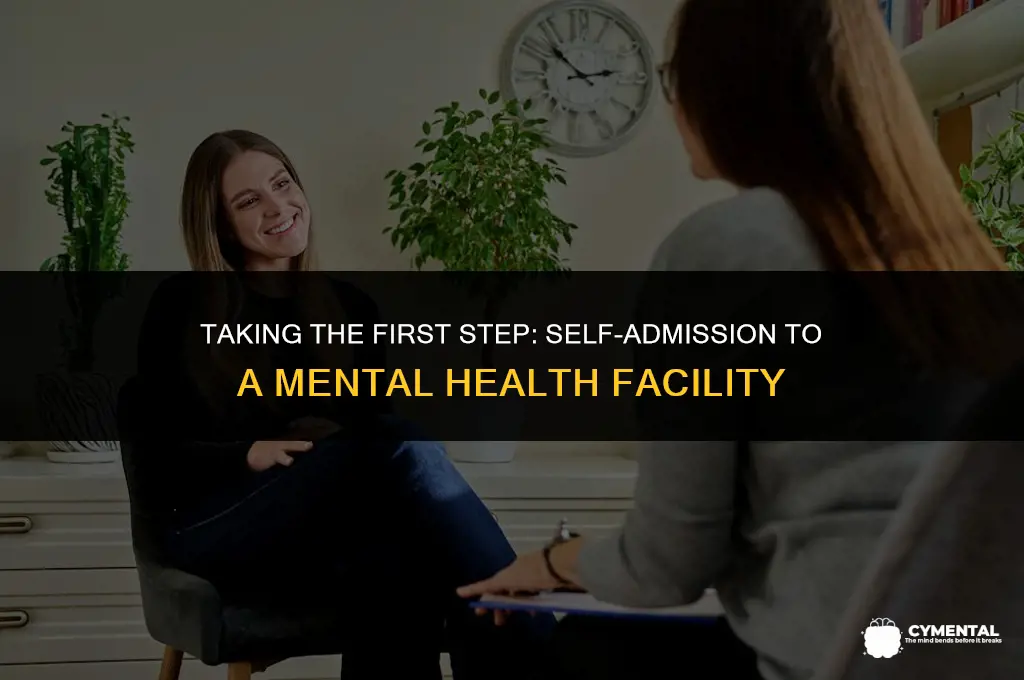
Seeking admission to a mental hospital can be a crucial step towards addressing mental health challenges and embarking on a path to recovery. This process typically involves several key steps: consulting with a mental health professional, undergoing an assessment to determine the level of care needed, and coordinating with the hospital's admissions department. It's important to approach this process with patience and self-compassion, recognizing that reaching out for help is a sign of strength. In this guide, we'll walk through each step in detail, providing insights and tips to help you navigate the admissions process smoothly and effectively.
Explore related products

What You'll Learn
- Recognizing the Need for Help: Identifying signs that you need professional mental health support
- Researching Facilities: Finding a suitable mental hospital that meets your specific needs and preferences
- Contacting Admissions: Reaching out to the hospital's admissions department to start the intake process
- Preparing for Admission: Gathering necessary documents and personal items for your hospital stay
- Understanding the Intake Process: Learning what to expect during the initial assessment and admission procedure

Recognizing the Need for Help: Identifying signs that you need professional mental health support
Recognizing the need for professional mental health support is a crucial step in the journey towards healing and recovery. It's essential to identify the signs that indicate you may require assistance beyond self-help or informal support networks. Here are some key indicators that it might be time to seek professional help:
Firstly, if you're experiencing persistent feelings of sadness, hopelessness, or emptiness that last for more than two weeks, it's a sign that you may need professional intervention. These feelings can be overwhelming and interfere with your daily life, making it difficult to function normally.
Secondly, if you're having thoughts of self-harm or suicide, it's imperative to seek help immediately. These thoughts can be a symptom of a deeper underlying issue that requires professional attention. Don't hesitate to reach out to a mental health professional or a crisis hotline if you're experiencing these thoughts.
Thirdly, if you're struggling with substance abuse or addiction, professional help can be invaluable. Addiction can have severe consequences on your physical and mental health, and trying to overcome it alone can be challenging. A mental health professional can provide you with the necessary support and guidance to overcome addiction.
Fourthly, if you're experiencing extreme mood swings, irritability, or anger that's impacting your relationships or work, it may be a sign of an underlying mental health condition. A professional can help you identify the root cause of these emotions and provide you with strategies to manage them effectively.
Lastly, if you're feeling overwhelmed by stress or anxiety that's interfering with your daily life, it's a good idea to seek professional help. Chronic stress and anxiety can have detrimental effects on your physical and mental health, and a mental health professional can teach you coping mechanisms to manage these feelings.
In conclusion, recognizing the need for professional mental health support is the first step towards getting the help you need. If you're experiencing any of these signs, don't hesitate to reach out to a mental health professional. They can provide you with the necessary support and guidance to overcome your challenges and improve your overall well-being.
Understanding Mental Health Care Costs: Insurance Coverage and Beyond
You may want to see also
Researching Facilities: Finding a suitable mental hospital that meets your specific needs and preferences
When researching facilities for mental health treatment, it's crucial to consider the specific services and amenities that align with your needs and preferences. Start by making a list of your priorities, such as the type of therapy offered, the availability of certain medications, or the presence of recreational activities. This will help you narrow down your options and ensure that you choose a facility that can provide the care you require.
Next, utilize online resources to gather information about potential facilities. Websites like the Substance Abuse and Mental Health Services Administration (SAMHSA) or the National Alliance on Mental Illness (NAMI) offer directories of mental health providers. You can also read reviews and testimonials from former patients to get a sense of their experiences. Additionally, consider reaching out to your primary care physician or a mental health professional for recommendations.
Once you have a shortlist of facilities, contact them directly to ask about their services, staff qualifications, and treatment approaches. Don't hesitate to ask about the facility's accreditation and licensing, as well as their policies regarding patient confidentiality and discharge planning. It's also important to inquire about the cost of treatment and whether the facility accepts your insurance.
Visiting the facility in person, if possible, can provide valuable insight into the environment and atmosphere. Pay attention to the cleanliness, the friendliness of the staff, and the overall ambiance. This can help you determine whether the facility feels like a good fit for your needs.
Finally, remember that finding the right mental health facility is a personal process, and what works for someone else may not work for you. Be patient and persistent in your search, and don't be afraid to seek out additional resources or support if needed.
Seeking Help Voluntarily: A Guide to Mental Health Hospitalization
You may want to see also
Contacting Admissions: Reaching out to the hospital's admissions department to start the intake process
To initiate the intake process at a mental hospital, the first crucial step is to contact the admissions department. This can often be a daunting task, but it's essential to approach it with a clear understanding of what to expect and how to prepare. Begin by researching the hospital's contact information, which is typically available on their official website or through a quick online search. Make a note of the phone number, email address, or any other relevant contact details.
Before reaching out, it's helpful to prepare a list of questions and concerns to discuss with the admissions representative. This might include inquiries about the hospital's programs, the admission process, insurance coverage, and any specific needs or requests you may have. Having these questions ready can help ensure that you cover all important topics during your conversation and receive the information you need to make an informed decision.
When contacting the admissions department, be prepared to provide some basic personal information, such as your name, date of birth, and contact details. The representative may also ask about your current situation, the reason for seeking admission, and any previous mental health treatment you've received. Be honest and open during this conversation, as the information you provide will help the hospital determine the most appropriate level of care for your needs.
During your initial contact, it's also important to inquire about the hospital's policies regarding self-admission. Some facilities may require a referral from a primary care physician or a mental health professional, while others may allow for self-referral. Understanding these requirements upfront can help you navigate the admission process more smoothly and avoid any potential delays.
Finally, don't hesitate to ask about the hospital's visitation policies, including any restrictions or guidelines for visitors. This information can be crucial for planning and ensuring that you have the support you need during your stay. By taking the time to thoroughly prepare and ask the right questions, you can help ensure a smoother and more successful admission process.
Do Mental Hospitals Listen to Phone Calls: Privacy Concerns Explored
You may want to see also
Preparing for Admission: Gathering necessary documents and personal items for your hospital stay
Before you can be admitted to a mental health hospital, there are several crucial documents and personal items you need to gather. This process can be overwhelming, but being prepared can make the admission process smoother and less stressful. Start by collecting all necessary medical records, including any previous psychiatric evaluations, medication lists, and relevant test results. These documents will help the hospital staff understand your medical history and provide appropriate care.
In addition to medical records, you'll need to bring personal identification, such as a driver's license or passport, and proof of insurance or Medicaid/Medicare information. If you have a living will or power of attorney, bring those documents as well. It's also important to pack essential personal items, like clothing, toiletries, and any comfort items that might help you feel more at ease during your stay.
When gathering your belongings, consider the hospital's policies on what items are allowed. For example, some hospitals may restrict the use of electronic devices or limit the amount of personal items you can bring. Be sure to check with the hospital beforehand to avoid any surprises.
It's also a good idea to prepare a list of emergency contacts and any important phone numbers, such as your primary care physician or a trusted family member. This information will be useful in case of an emergency or if the hospital needs to contact someone on your behalf.
Finally, take some time to think about your goals for your hospital stay. What do you hope to achieve or improve during your time there? Writing down your thoughts and expectations can help you communicate more effectively with the hospital staff and ensure that your needs are met.
Remember, being prepared can make a significant difference in your hospital experience. By gathering the necessary documents and personal items, you're taking an important step towards getting the help you need.
Understanding Mental Health Care Options for Young Children
You may want to see also
Understanding the Intake Process: Learning what to expect during the initial assessment and admission procedure
The intake process at a mental hospital is a critical first step in your journey towards recovery. It begins with an initial assessment, which is typically conducted by a trained mental health professional. This assessment will involve a series of questions about your symptoms, medical history, and current circumstances. Be prepared to discuss your feelings and experiences openly and honestly, as this will help the staff understand your needs and develop an appropriate treatment plan.
Following the assessment, you will likely undergo a physical examination and possibly some laboratory tests to rule out any underlying medical conditions that could be contributing to your symptoms. This is a standard procedure and is important for ensuring that your mental health treatment is safe and effective.
Once the assessment and examination are complete, the hospital staff will review your case and determine whether admission is appropriate. If admission is recommended, you will be provided with information about the hospital's policies and procedures, as well as an overview of your treatment plan. This is an important time to ask any questions you may have and to ensure that you understand what to expect during your stay.
The admission process can vary depending on the hospital and your individual circumstances. In some cases, you may be able to admit yourself voluntarily, while in others, you may require a referral from a doctor or a court order. It is important to be aware of the specific requirements and procedures at the hospital you are considering.
During the intake process, it is essential to be patient and cooperative. The staff is there to help you, and the more information you can provide, the better they will be able to assist you. Remember that this is just the beginning of your journey towards recovery, and that with time and support, you can overcome your challenges and achieve your goals.
Empowering Youth: Understanding Minors' Rights in Mental Health Care
You may want to see also