Caleb Wright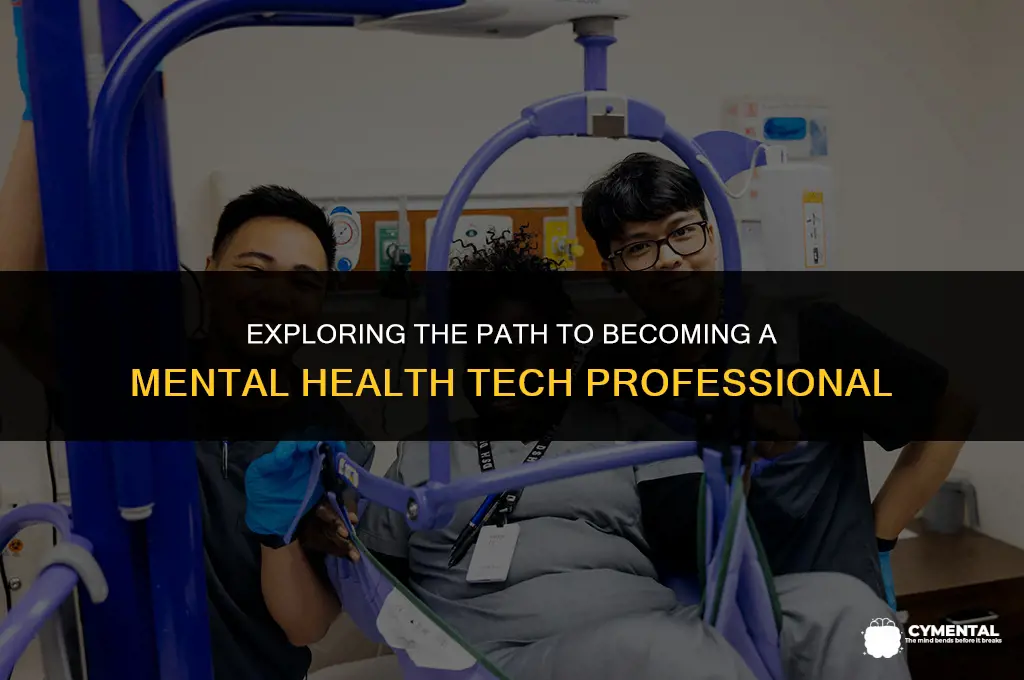
Becoming a mental health tech involves a combination of education, practical experience, and a genuine passion for supporting individuals in their mental health journeys. Typically, the process begins with obtaining a high school diploma or equivalent, followed by enrollment in a post-secondary program focused on mental health technology or a related field such as psychology, counseling, or social work. These programs often include coursework in areas like crisis intervention, counseling techniques, and mental health assessment. In addition to formal education, gaining hands-on experience through internships or volunteer work at mental health facilities can provide invaluable insights and networking opportunities. Certification requirements may vary by location, but many mental health techs pursue credentials such as the Certified Mental Health Technician (CMHT) designation to enhance their qualifications and career prospects. Throughout this journey, it's essential to cultivate strong communication skills, empathy, and a commitment to ongoing learning and professional development in order to effectively support clients and contribute to the mental health care team.
| Characteristics | Values |
|---|---|
| Job Title | Mental Health Technician |
| Education | Typically requires a postsecondary non-degree award or associate's degree |
| Training | On-the-job training common |
| Certification | May require certification depending on state regulations |
| Responsibilities | Assist mental health professionals, provide support to patients, maintain patient records |
| Skills | Communication, empathy, patience, attention to detail |
| Work Environment | Hospitals, clinics, residential care facilities |
| Job Outlook | Growing demand, opportunities for advancement |
| Salary | Varies by location and experience, generally competitive |
| Professional Development | Opportunities for specialization and further education |
Explore related products





What You'll Learn
- Education Requirements: Explore necessary degrees, certifications, and training programs for mental health technicians
- Job Responsibilities: Understand the daily tasks, patient interactions, and administrative duties of a mental health tech
- Skill Development: Identify key skills needed, such as communication, empathy, and crisis intervention techniques
- Work Environments: Discover various settings where mental health techs work, including hospitals, clinics, and private practices
- Career Advancement: Learn about potential career paths, specializations, and opportunities for growth in the mental health field

Education Requirements: Explore necessary degrees, certifications, and training programs for mental health technicians
To become a mental health technician, one must typically complete a postsecondary nondegree award, such as a certificate or diploma in mental health technology or a related field. These programs usually require a high school diploma or equivalent and may include coursework in psychology, sociology, human development, and crisis intervention. Some programs also offer specialized training in areas like substance abuse counseling or working with specific populations, such as children or the elderly.
In addition to formal education, mental health technicians often need to obtain certification to practice in their state. Certification requirements vary by state but may include passing a standardized exam, completing a certain number of supervised work hours, and maintaining continuing education credits to keep the certification current. Some states also have different levels of certification, such as certified mental health technician (CMHT) and advanced certified mental health technician (ACMHT), which may require additional education or experience.
On-the-job training is another crucial component of becoming a mental health technician. New technicians typically receive training from their employer on specific policies, procedures, and techniques relevant to their workplace. This may include training on electronic health records, crisis de-escalation techniques, and patient safety protocols. Ongoing training and professional development are essential for mental health technicians to stay up-to-date with the latest research, best practices, and regulatory requirements in the field.
Some mental health technicians may also choose to pursue an associate's or bachelor's degree in a related field, such as psychology, social work, or counseling, to advance their career or qualify for more specialized roles. However, a degree is not always required for entry-level positions, and many technicians find that a combination of formal education, certification, and on-the-job training provides them with the necessary skills and knowledge to succeed in their role.
Understanding PEC in Mental Health: A Comprehensive Guide
You may want to see also
Explore related products


Job Responsibilities: Understand the daily tasks, patient interactions, and administrative duties of a mental health tech
As a mental health tech, your daily tasks will be diverse and demanding, requiring a blend of clinical knowledge and administrative skills. On the clinical side, you'll be responsible for monitoring patients' vital signs, administering medications, and assisting with therapeutic activities. This could involve leading group therapy sessions, conducting one-on-one counseling, or helping patients with their daily living tasks. You'll need to be observant and detail-oriented, as even small changes in a patient's behavior or physical condition can be significant indicators of their mental health status.
Patient interactions are a crucial part of your role. You'll be the primary point of contact for many patients, providing emotional support and helping them navigate the complexities of their treatment plans. Effective communication skills are essential, as you'll need to convey complex medical information in a way that's understandable and reassuring to patients. You'll also need to be empathetic and non-judgmental, providing a safe and supportive environment for patients to express their feelings and concerns.
On the administrative side, you'll be responsible for maintaining patient records, scheduling appointments, and coordinating with other healthcare professionals. This could involve updating electronic health records, verifying insurance coverage, and arranging for patient transportation. You'll need to be organized and efficient, as these tasks can be time-consuming and require a high level of accuracy.
In addition to these core responsibilities, you may also be involved in crisis intervention, providing immediate support to patients who are experiencing acute mental health issues. This could involve de-escalating tense situations, providing emergency medication, or coordinating with emergency services. You'll need to be calm under pressure and able to think quickly on your feet.
Overall, the role of a mental health tech is multifaceted and requires a unique combination of clinical, interpersonal, and administrative skills. By understanding these job responsibilities, you can better prepare yourself for the challenges and rewards of this important profession.
Decoding Mental Health Acronyms: What Does 'FINE' Really Stand For?
You may want to see also
Explore related products


Skill Development: Identify key skills needed, such as communication, empathy, and crisis intervention techniques
Effective communication is the cornerstone of a mental health technician's skill set. It involves not only the ability to convey information clearly and concisely but also to listen actively and empathetically. Mental health techs must be adept at understanding non-verbal cues, maintaining eye contact, and using open-ended questions to encourage patients to express their thoughts and feelings. This skill is crucial in building trust and rapport with patients, which is essential for successful therapeutic interactions.
Empathy is another vital skill for mental health technicians. It requires the ability to put oneself in the patient's shoes and understand their experiences and emotions. This does not mean sympathizing or feeling sorry for the patient but rather acknowledging their feelings and validating their experiences. Empathy helps to create a safe and supportive environment where patients feel understood and accepted, which is conducive to healing and growth.
Crisis intervention techniques are also essential for mental health techs. They must be able to recognize the signs of a crisis, such as suicidal ideation, homicidal thoughts, or severe agitation, and respond appropriately. This may involve de-escalation techniques, such as speaking calmly and firmly, using non-threatening body language, and offering reassurance. In some cases, it may be necessary to call for additional support or initiate emergency protocols. Mental health techs must be prepared to handle these situations with confidence and competence.
In addition to these key skills, mental health technicians must also be knowledgeable about mental health disorders, treatment plans, and medication management. They must be able to work collaboratively with other healthcare professionals, such as psychiatrists, psychologists, and social workers, to provide comprehensive care for patients. Furthermore, they must be able to maintain accurate and detailed records of patient interactions and progress, which is essential for ongoing treatment and evaluation.
To develop these skills, mental health techs can pursue various educational and training opportunities. Many community colleges and universities offer certificate or associate degree programs in mental health technology, which provide a solid foundation in the necessary skills and knowledge. Additionally, on-the-job training and continuing education courses can help mental health techs to refine their skills and stay up-to-date with the latest research and best practices in the field.
In conclusion, skill development is a critical component of becoming a mental health technician. By focusing on communication, empathy, crisis intervention techniques, and other essential skills, mental health techs can provide high-quality care and support to patients in need. With the right education, training, and dedication, mental health technicians can make a significant difference in the lives of those they serve.
Understanding the Duration of Mental Health Court Proceedings
You may want to see also
Explore related products


Work Environments: Discover various settings where mental health techs work, including hospitals, clinics, and private practices
Mental health technicians work in a variety of settings, each with its own unique challenges and opportunities. Hospitals are one of the most common places where mental health techs are employed. In this environment, techs often work closely with nurses, doctors, and other healthcare professionals to provide care for patients with acute mental health issues. They may assist with medication administration, patient monitoring, and crisis intervention.
Clinics are another important setting for mental health techs. These facilities often provide outpatient services, allowing techs to work with patients who are not hospitalized but still require mental health support. In clinics, techs may be involved in scheduling appointments, preparing patients for sessions, and assisting therapists during treatment.
Private practices are also a significant employer of mental health techs. In these settings, techs often have more specialized roles, such as working with specific populations (e.g., children, adolescents, or older adults) or providing targeted interventions (e.g., substance abuse treatment or trauma therapy). Private practices may offer more flexibility in terms of scheduling and treatment approaches, allowing techs to develop specialized skills and expertise.
In addition to these traditional settings, mental health techs may also work in community mental health centers, schools, correctional facilities, and other organizations that provide mental health services. Each of these environments requires techs to adapt their skills and knowledge to meet the unique needs of their clients and colleagues.
Regardless of the specific setting, mental health techs play a critical role in supporting the mental health and well-being of individuals and communities. By understanding the various work environments available to them, techs can choose a path that aligns with their interests, skills, and career goals.
Unveiling the Truth: November and Men's Mental Health Awareness
You may want to see also
Explore related products


Career Advancement: Learn about potential career paths, specializations, and opportunities for growth in the mental health field
As a mental health tech, career advancement opportunities are diverse and rewarding. One potential path is to specialize in a particular area of mental health, such as substance abuse counseling, child and adolescent therapy, or geriatric mental health. Specialization can lead to increased job satisfaction and higher earning potential.
Another avenue for career growth is to pursue leadership roles within mental health organizations. With experience, mental health techs can move into supervisory positions, program management, or even executive roles. These positions require strong leadership skills, a deep understanding of mental health services, and the ability to manage budgets and staff.
Continuing education is crucial for career advancement in the mental health field. Mental health techs can pursue higher degrees, such as a master's in counseling or social work, to expand their skill set and qualify for more advanced positions. Additionally, obtaining certifications in specific areas of mental health, such as crisis intervention or trauma counseling, can demonstrate expertise and commitment to the field.
Networking is also an important aspect of career growth. Mental health techs can join professional organizations, attend conferences, and participate in online forums to connect with others in the field. These connections can lead to job opportunities, mentorship, and collaboration on research projects or community initiatives.
Lastly, mental health techs should be aware of the importance of self-care in their career advancement. The mental health field can be emotionally demanding, and it's essential to prioritize personal well-being to avoid burnout. By maintaining a healthy work-life balance and seeking support when needed, mental health techs can ensure they are able to provide the best possible care to their clients while also advancing their careers.
Unveiling the Truth: Men's Mental Health Matters Every Day
You may want to see also
Frequently asked questions
Mental health techs, also known as psychiatric technicians or mental health technicians, are responsible for assisting in the care and treatment of patients with mental health disorders. Their duties typically include monitoring patients, documenting their behavior and progress, providing support during therapy sessions, and helping patients with daily living activities. They may also administer medications under the supervision of a licensed healthcare professional.
To become a mental health tech, one usually needs to complete a postsecondary non-degree award, such as a certificate or diploma in psychiatric technology or a related field. These programs typically last one to two years and include both classroom instruction and practical experience through internships or supervised clinical practice. Some employers may also require or prefer candidates to have an associate's degree in a relevant field.
Licensing and certification requirements for mental health techs vary by state and employer. In some states, mental health techs must be licensed or registered with a state board. Certification is also available through professional organizations, such as the American Association of Psychiatric Technicians (AAPT), which offers the Certified Psychiatric Technician (CPT) credential. Certification can demonstrate a higher level of competence and may be preferred or required by some employers.
Essential skills for a mental health tech include strong communication and interpersonal skills, empathy, patience, and the ability to remain calm in stressful situations. They should also have good observational skills, be detail-oriented, and be able to document patient information accurately. Additionally, mental health techs need to be knowledgeable about mental health disorders, treatment plans, and crisis intervention techniques. Basic computer skills are also important for managing patient records and other administrative tasks.
The job outlook for mental health techs is generally positive. According to the U.S. Bureau of Labor Statistics, employment of psychiatric technicians is projected to grow 12% from 2020 to 2030, which is faster than the average for all occupations. This growth is expected to be driven by an increasing demand for mental health services and a growing awareness of the importance of mental health care. Mental health techs can find employment in a variety of settings, including hospitals, mental health clinics, residential treatment facilities, and private practices.