Harper Lewis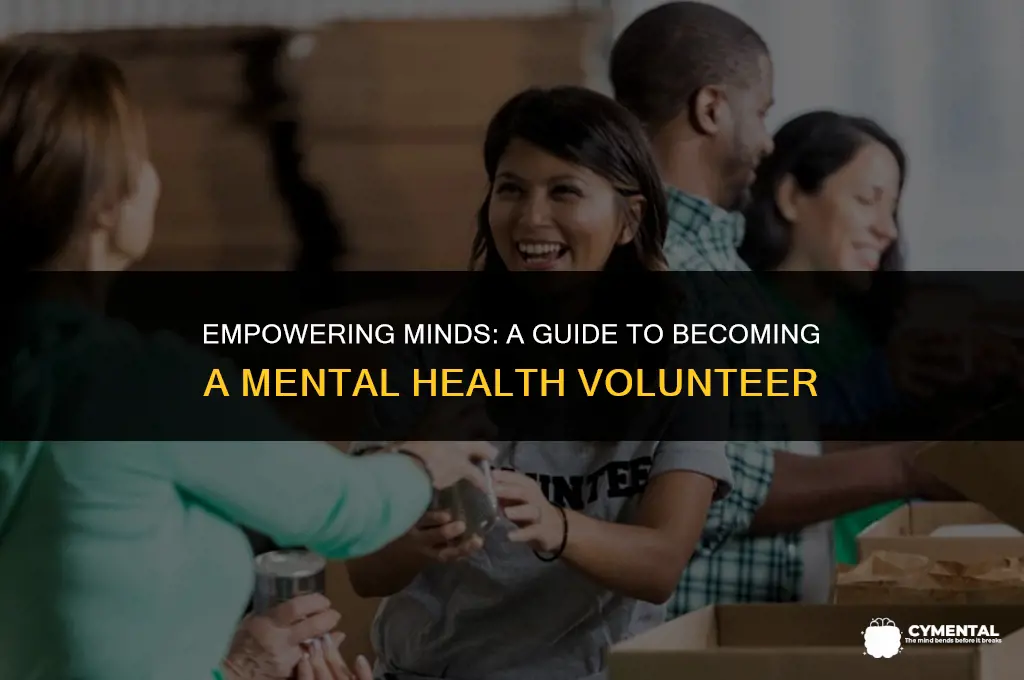
Becoming a mental health volunteer is a rewarding way to make a positive impact on your community and support individuals struggling with mental health issues. This role involves offering your time and skills to assist mental health professionals, provide emotional support to clients, and help raise awareness about mental health challenges. Whether you're a student, a professional, or simply someone passionate about mental health, volunteering in this field can be a fulfilling experience that allows you to contribute to the well-being of others while also gaining valuable insights and skills.
Explore related products


What You'll Learn
- Research mental health organizations: Identify reputable groups like NAMI, MHA, or local crisis centers that align with your interests
- Meet educational requirements: Many programs require a high school diploma or higher; some may require specific coursework or degrees
- Complete necessary training: Attend workshops, seminars, or online courses to learn about mental health issues, crisis intervention, and support techniques
- Gain relevant experience: Volunteer in related fields like social work, counseling, or healthcare to build your skills and network
- Maintain personal well-being: Prioritize self-care, set boundaries, and seek support to ensure you can effectively help others without burnout

Research mental health organizations: Identify reputable groups like NAMI, MHA, or local crisis centers that align with your interests
To become a mental health volunteer, it's crucial to align yourself with reputable organizations that match your interests and values. Begin by researching well-known groups such as the National Alliance on Mental Illness (NAMI), Mental Health America (MHA), or local crisis centers. These organizations often have a strong track record of providing support, resources, and advocacy for mental health issues.
When researching potential organizations, consider their mission statements, programs, and initiatives. Look for groups that focus on areas you're passionate about, such as suicide prevention, youth mental health, or supporting specific communities. You can also explore their volunteer opportunities, training programs, and requirements to ensure they're a good fit for your skills and availability.
In addition to national organizations, don't overlook local mental health groups and crisis centers. These organizations often have a deep understanding of the unique challenges facing their communities and may offer more hands-on volunteer experiences. Reach out to them directly to inquire about volunteer opportunities and how you can get involved.
As you research, be cautious of organizations that lack transparency, have controversial practices, or make unrealistic promises. Reputable mental health organizations should be open about their funding sources, leadership, and program outcomes. They should also prioritize the well-being and safety of their volunteers and the individuals they serve.
Once you've identified potential organizations, take the time to connect with current volunteers or staff members. Ask about their experiences, the impact of their work, and any challenges they face. This can provide valuable insights into the organization's culture and help you determine if it's the right fit for you.
Remember, becoming a mental health volunteer is a significant commitment, and it's essential to find an organization that aligns with your values and goals. By doing thorough research and due diligence, you can ensure that you're making a meaningful contribution to the mental health community.
Prioritizing Wellness: The Case for Mental Health Days in Education
You may want to see also
Explore related products


Meet educational requirements: Many programs require a high school diploma or higher; some may require specific coursework or degrees
To become a mental health volunteer, meeting educational requirements is a crucial first step. Many programs require at least a high school diploma, while others may demand more advanced degrees or specific coursework. It's essential to research the educational prerequisites of the programs you're interested in to ensure you meet their criteria.
For instance, some mental health organizations may require volunteers to have completed courses in psychology, counseling, or social work. Others might prefer candidates with a bachelor's or master's degree in a related field. Additionally, certain programs may offer training or certification opportunities for volunteers who wish to enhance their skills and knowledge in mental health support.
When considering educational requirements, it's also important to think about the time and financial commitment involved. Pursuing higher education or specialized training can be a significant investment, both in terms of time and money. However, many mental health organizations offer scholarships, grants, or reimbursement programs to help offset these costs.
Furthermore, meeting educational requirements can also impact the type of volunteer work you'll be able to do. For example, a volunteer with a high school diploma may be limited to administrative tasks or peer support, while a volunteer with a master's degree in counseling may be able to provide more direct mental health services.
In conclusion, understanding and meeting the educational requirements for mental health volunteer programs is essential for anyone looking to get involved in this field. By researching the specific needs of the programs you're interested in and investing in the necessary education and training, you can increase your chances of making a meaningful impact as a mental health volunteer.
Nurturing Minds: The Case for Mental Health Days in Schools
You may want to see also
Explore related products


Complete necessary training: Attend workshops, seminars, or online courses to learn about mental health issues, crisis intervention, and support techniques
To become a mental health volunteer, it is crucial to undergo comprehensive training that equips you with the necessary skills and knowledge to provide effective support. Attending workshops, seminars, and online courses is an excellent way to gain a deeper understanding of mental health issues, crisis intervention strategies, and support techniques. These educational opportunities will not only enhance your ability to assist others but also ensure that you are well-prepared to handle the challenges that may arise in your volunteer work.
When selecting training programs, look for those that cover a wide range of topics, including the recognition of mental health disorders, communication skills, active listening techniques, and crisis management. It is also important to choose programs that are facilitated by experienced professionals who can provide valuable insights and guidance. Additionally, consider the format of the training, as some individuals may prefer the flexibility of online courses, while others may benefit more from the interactive nature of in-person workshops or seminars.
During your training, be sure to actively participate and engage with the material. This may involve asking questions, sharing personal experiences, or practicing the techniques discussed in the program. By taking an active role in your learning, you will be better able to retain the information and apply it in real-world situations. Furthermore, many training programs offer opportunities for networking with other volunteers and professionals in the field, which can be invaluable for building connections and gaining additional support.
Upon completing your training, it is essential to continue seeking out opportunities for professional development and skill enhancement. This may involve attending additional workshops or seminars, participating in online forums or discussion groups, or pursuing further education in the field of mental health. By committing to ongoing learning, you will be able to stay up-to-date with the latest research and best practices, ensuring that you are always equipped to provide the highest level of support to those in need.
In conclusion, completing necessary training is a critical step in becoming a mental health volunteer. By attending workshops, seminars, and online courses, you will gain the knowledge and skills required to effectively assist others and make a meaningful impact in the lives of those struggling with mental health issues. Remember to choose programs that cover a comprehensive range of topics, actively engage with the material, and continue seeking out opportunities for professional development throughout your volunteer journey.
Understanding the Impact of 302 on Mental Health Care
You may want to see also
Explore related products


Gain relevant experience: Volunteer in related fields like social work, counseling, or healthcare to build your skills and network
Volunteering in related fields such as social work, counseling, or healthcare is a strategic way to gain relevant experience and build a strong foundation for a career in mental health. By immersing yourself in these environments, you can develop essential skills, expand your knowledge, and establish valuable connections within the industry.
One effective approach is to seek out volunteer opportunities at local community centers, hospitals, or non-profit organizations that focus on mental health and wellbeing. These roles may involve assisting with outreach programs, providing support to individuals in crisis, or helping to facilitate therapy sessions. Not only will this hands-on experience enhance your understanding of mental health issues, but it will also demonstrate your commitment and passion for the field to potential employers.
Another benefit of volunteering in related fields is the opportunity to network with professionals and peers who share your interests. Building relationships with individuals who work in mental health can lead to valuable mentorship, job leads, and collaborative opportunities. Additionally, volunteering can help you develop a sense of community and belonging, which is particularly important in a field that often involves supporting others through challenging times.
When selecting volunteer positions, it's essential to consider how they align with your long-term career goals. For example, if you're interested in working with a specific population, such as children or the elderly, seek out opportunities that will allow you to gain experience with those groups. Similarly, if you're interested in a particular area of mental health, such as substance abuse or trauma, look for volunteer roles that will provide you with relevant experience and training.
In conclusion, volunteering in related fields is a valuable way to gain experience, build your network, and develop the skills necessary for a successful career in mental health. By strategically selecting volunteer opportunities that align with your interests and goals, you can set yourself up for success and make a meaningful impact in the lives of others.
Mindful May: Engaging Activities for Mental Health Awareness Month
You may want to see also
Explore related products


Maintain personal well-being: Prioritize self-care, set boundaries, and seek support to ensure you can effectively help others without burnout
As a mental health volunteer, it's crucial to recognize that your own well-being is just as important as the individuals you're supporting. Burnout is a common risk in this field, and it can significantly impact your ability to provide effective help. To maintain your personal well-being, start by prioritizing self-care. This might include regular exercise, meditation, or engaging in hobbies that bring you joy and relaxation.
Setting boundaries is another essential aspect of self-care. Establish clear limits on your time and responsibilities, and communicate these boundaries to your clients and colleagues. This helps prevent overextension and ensures that you have time for your own needs. For instance, you might set a boundary of only working a certain number of hours per week or not checking work emails outside of your designated work time.
Seeking support is also vital in maintaining your well-being. This could involve regular supervision sessions with a more experienced mental health professional, joining a support group for volunteers, or simply talking to friends and family about your experiences. Having a strong support network can help you process challenging situations and provide a sense of community and understanding.
Additionally, it's important to be aware of the signs of burnout and take action if you notice them. These signs might include feeling exhausted, detached, or overwhelmed, or experiencing a decrease in your performance or motivation. If you recognize these signs, reach out to your supervisor or a mental health professional for guidance and support.
Remember, by prioritizing your own well-being, you're not only taking care of yourself but also ensuring that you can provide the best possible support to others. Your mental health and resilience are essential tools in your volunteer work, and by maintaining them, you can make a more significant and sustainable impact in the lives of those you're helping.
Unveiling the Truth: Men's Mental Health Matters Every Day
You may want to see also
Frequently asked questions
To become a mental health volunteer, you typically need to be at least 18 years old, have a high school diploma or equivalent, and undergo a background check. Some organizations may also require additional training or certifications in mental health first aid or related fields.
As a mental health volunteer, you may receive training in areas such as active listening, crisis intervention, mental health first aid, and suicide prevention. This training will equip you with the necessary skills to provide support and assistance to individuals in need.
Mental health volunteers may be responsible for tasks such as providing emotional support to individuals in crisis, assisting with the coordination of mental health services, leading support groups, and helping to raise awareness about mental health issues in the community.
You can find mental health volunteer opportunities in your area by contacting local mental health organizations, hospitals, or community centers. You can also search online through volunteer matching websites or social media platforms to find opportunities that align with your interests and skills.