Lucas Bennett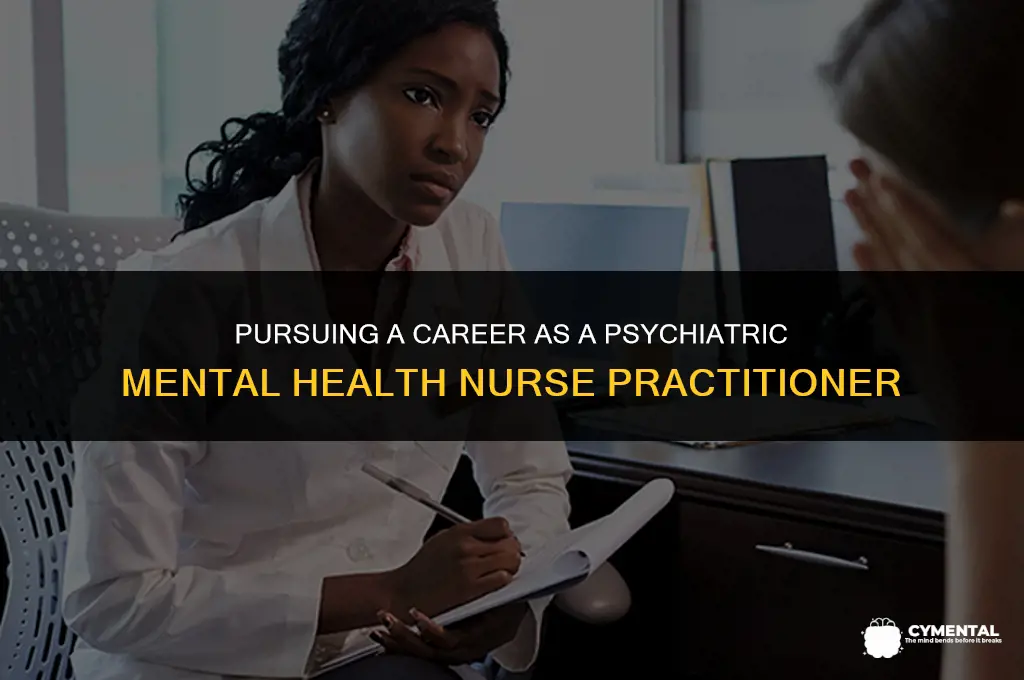
Becoming a psychiatric mental health nurse practitioner (PMHNP) involves a specialized educational and professional journey. It begins with obtaining a Bachelor of Science in Nursing (BSN) degree from an accredited program, followed by gaining experience as a registered nurse (RN) in a mental health setting. The next step is to pursue a Master of Science in Nursing (MSN) or a Doctor of Nursing Practice (DNP) degree with a focus on psychiatric mental health. These advanced degrees provide the necessary knowledge and skills to diagnose and treat mental health conditions, prescribe medications, and develop individualized treatment plans. After completing the educational requirements, aspiring PMHNPs must obtain licensure and certification to practice in their state. This typically involves passing a national certification exam administered by the American Nurses Credentialing Center (ANCC) or another recognized organization. Throughout their careers, PMHNPs must stay current with the latest research and best practices in the field, often through continuing education and professional development opportunities. The role of a PMHNP is both challenging and rewarding, as they play a crucial part in addressing the mental health needs of individuals and communities.
Explore related products


What You'll Learn
- Education Requirements: Obtain a Bachelor's degree in Nursing, then a Master's or Doctoral degree in Psychiatric Nursing
- Licensure and Certification: Acquire RN licensure and PMHCNS-BC certification to practice as a Psychiatric Nurse Practitioner
- Clinical Experience: Gain experience in mental health settings, working with diverse patient populations to develop clinical skills
- Specialized Training: Pursue additional training in areas like substance abuse, gerontology, or child/adolescent psychiatry to enhance expertise
- Professional Development: Engage in ongoing education, attend conferences, and join professional organizations to stay updated in the field

Education Requirements: Obtain a Bachelor's degree in Nursing, then a Master's or Doctoral degree in Psychiatric Nursing
To become a psychiatric mental health nurse practitioner, one must first obtain a Bachelor's degree in Nursing. This foundational degree typically takes four years to complete and covers a wide range of topics, including anatomy, physiology, pharmacology, and patient care. During this time, students will gain hands-on experience through clinical rotations, which may include placements in psychiatric settings.
Following the completion of a Bachelor's degree, aspiring psychiatric nurse practitioners must then pursue a Master's or Doctoral degree in Psychiatric Nursing. A Master's program usually takes two to three years to finish and provides advanced training in psychiatric assessment, diagnosis, and treatment. Coursework may include classes on psychotherapy, psychopharmacology, and crisis intervention. Doctoral programs, which can take four to six years to complete, offer even more specialized training and may include research opportunities or a clinical practicum.
Throughout their education, students should seek out opportunities to gain experience in psychiatric nursing. This could include volunteering at mental health clinics, participating in internships, or working as a registered nurse in a psychiatric unit. Gaining practical experience will not only enhance their resume but also provide valuable insights into the field and help them develop the skills needed to succeed as a psychiatric nurse practitioner.
Upon completing their advanced degree, individuals must then obtain licensure as a nurse practitioner. Requirements for licensure vary by state but typically include passing a certification exam and meeting certain practice requirements. Once licensed, psychiatric nurse practitioners can begin working in a variety of settings, including hospitals, clinics, and private practices.
Continuing education is also an important aspect of a psychiatric nurse practitioner's career. The field of mental health is constantly evolving, and staying up-to-date on the latest research, treatments, and best practices is crucial for providing high-quality care. Many states require nurse practitioners to complete a certain number of continuing education hours each year to maintain their licensure.
Exploring the Earning Potential of Mental Health Nurse Practitioners
You may want to see also
Explore related products


$81.97 $94.99


Licensure and Certification: Acquire RN licensure and PMHCNS-BC certification to practice as a Psychiatric Nurse Practitioner
To practice as a Psychiatric Nurse Practitioner, acquiring the necessary licensure and certification is a critical step. The process begins with obtaining Registered Nurse (RN) licensure, which is a prerequisite for advanced practice roles. Each state has its own licensing board and requirements, typically involving passing the National Council Licensure Examination (NCLEX-RN) after completing an accredited nursing program.
Once RN licensure is secured, the next step is to pursue certification as a Psychiatric-Mental Health Nurse Practitioner (PMHCNS-BC). This certification is offered by the American Nurses Credentialing Center (ANCC) and requires meeting specific eligibility criteria, including a minimum of 2,000 hours of clinical practice in psychiatric-mental health nursing within the past five years. Applicants must also complete a graduate-level program in psychiatric-mental health nursing that is accredited by the Commission on Collegiate Nursing Education (CCNE) or the Accreditation Commission for Education in Nursing (ACEN).
The PMHCNS-BC certification exam tests knowledge and skills in areas such as psychiatric diagnosis, treatment planning, and psychopharmacology. Preparation for the exam often involves studying the ANCC's test blueprint and utilizing review materials or courses. Maintaining certification requires ongoing professional development and adherence to the ANCC's renewal requirements, which typically include completing continuing education hours and paying a renewal fee.
In addition to licensure and certification, Psychiatric Nurse Practitioners must also consider state-specific regulations regarding prescriptive authority and scope of practice. Some states require additional permits or certifications to prescribe medications, while others have specific guidelines for the types of patients that can be treated. Staying informed about these regulations is essential to ensure legal and ethical practice.
Overall, the process of becoming a Psychiatric Nurse Practitioner involves a significant investment of time and effort, but it is a rewarding career path for those passionate about mental health care. By following the necessary steps to obtain licensure and certification, aspiring Psychiatric Nurse Practitioners can position themselves to make a meaningful impact in the lives of their patients.
Unveiling the Salary Range for Mental Health Tech Professionals
You may want to see also
Explore related products


![Psychiatric Mental Health Nursing Study Guide: PMHN Practitioner Exam Review Secrets, Full-Length Practice Test, Detailed Answer Explanations: [3rd Edition] (Mometrix Test Preparation)](https://m.media-amazon.com/images/I/719Plao-cKL._AC_UY218_.jpg)


Clinical Experience: Gain experience in mental health settings, working with diverse patient populations to develop clinical skills
Gaining clinical experience in mental health settings is a pivotal step in becoming a psychiatric mental health nurse practitioner (PMHNP). This hands-on experience allows aspiring PMHNPs to work directly with diverse patient populations, honing their clinical skills and deepening their understanding of mental health issues. Clinical experience can be obtained through various avenues, such as internships, practicums, and part-time or full-time employment in mental health facilities.
One effective way to gain clinical experience is through internships or practicums, which are often integrated into graduate nursing programs. These structured experiences provide students with the opportunity to apply theoretical knowledge in real-world settings under the supervision of experienced mental health professionals. Internships and practicums can take place in a variety of mental health environments, including hospitals, outpatient clinics, community mental health centers, and private practices.
Another approach to gaining clinical experience is by securing employment in mental health settings. This can be done by applying for positions such as a registered nurse (RN) or a licensed practical nurse (LPN) in psychiatric units, outpatient clinics, or other mental health facilities. Working in these roles allows individuals to gain valuable experience while also earning a salary. It is important to note that some positions may require additional certifications or training, such as crisis intervention training or certification in psychiatric nursing.
When seeking clinical experience, it is crucial to consider the diversity of patient populations. Working with a wide range of patients, including those from different age groups, cultural backgrounds, and socioeconomic statuses, helps aspiring PMHNPs develop a comprehensive understanding of mental health issues and the ability to provide culturally sensitive care. This diverse experience also enhances the development of critical thinking and problem-solving skills, which are essential for PMHNPs.
In addition to gaining clinical experience, it is important for aspiring PMHNPs to continuously seek opportunities for professional development. This can include attending workshops, conferences, and seminars on mental health topics, as well as pursuing additional certifications or advanced degrees. Staying current with the latest research and best practices in mental health care ensures that PMHNPs are well-equipped to provide high-quality care to their patients.
In conclusion, gaining clinical experience in mental health settings is a critical component of becoming a PMHNP. Through internships, practicums, and employment opportunities, aspiring PMHNPs can develop the necessary clinical skills and knowledge to provide effective mental health care. By working with diverse patient populations and continuously seeking professional development, PMHNPs can enhance their ability to deliver compassionate and culturally sensitive care to those in need.
Unraveling the Costs: Who Bears the Burden of Court-Ordered Mental Health Evaluations?
You may want to see also
Explore related products


Specialized Training: Pursue additional training in areas like substance abuse, gerontology, or child/adolescent psychiatry to enhance expertise
Pursuing specialized training is a critical step for psychiatric mental health nurse practitioners (PMHNPs) who wish to deepen their expertise and provide more targeted care. This additional training can encompass a variety of areas, each offering unique challenges and rewards. For instance, substance abuse training equips PMHNPs with the skills to address the complex interplay between mental health and addiction, a crucial competency given the rising rates of co-occurring disorders. Gerontology training, on the other hand, prepares practitioners to meet the distinct needs of the aging population, a demographic that is growing rapidly and often faces multiple health challenges. Child and adolescent psychiatry training focuses on the developmental aspects of mental health, enabling PMHNPs to work effectively with younger patients and their families.
Specialized training typically involves a combination of theoretical knowledge and practical experience. It may include coursework, workshops, clinical rotations, and preceptorships. These programs are designed to build upon the foundational skills acquired during initial PMHNP training, providing a more nuanced understanding of specific populations and conditions. For example, a PMHNP specializing in substance abuse might learn about evidence-based treatment modalities such as cognitive-behavioral therapy (CBT) and motivational interviewing (MI), as well as pharmacological interventions like medication-assisted treatment (MAT).
The benefits of specialized training are multifaceted. It not only enhances the PMHNP's ability to provide high-quality care but also increases their marketability and potential for career advancement. Employers often value practitioners with specialized skills, as they can address specific needs within the patient population more effectively. Additionally, specialized training can lead to greater job satisfaction, as PMHNPs are better equipped to handle complex cases and see more positive outcomes.
However, it is important to note that specialized training also comes with challenges. It requires a significant investment of time and resources, and it may necessitate additional licensure or certification. PMHNPs must carefully consider their career goals and the needs of their patient population when deciding which area of specialization to pursue.
In conclusion, specialized training is a valuable tool for PMHNPs looking to enhance their expertise and provide more targeted care. By focusing on areas such as substance abuse, gerontology, or child/adolescent psychiatry, practitioners can develop the skills needed to address the unique challenges faced by different patient populations, ultimately leading to improved patient outcomes and greater professional fulfillment.
Unlocking Mental Wellness: The Surprising Factors That Shape Your Mind
You may want to see also
Explore related products


Professional Development: Engage in ongoing education, attend conferences, and join professional organizations to stay updated in the field
Continuing education is a cornerstone of professional development for psychiatric mental health nurse practitioners (PMHNPs). To stay current with the latest research, treatment modalities, and best practices, PMHNPs should commit to lifelong learning. This can be achieved through various means, including attending workshops, seminars, and conferences that focus on mental health care. These events provide opportunities to learn from experts in the field, network with peers, and gain insights into emerging trends and innovative approaches to patient care.
In addition to formal education, PMHNPs can benefit from joining professional organizations such as the American Psychiatric Nurses Association (APNA) or the International Society of Psychiatric-Mental Health Nurses (ISPN). Membership in these organizations often includes access to online resources, journals, and educational materials that can enhance a practitioner's knowledge and skills. Furthermore, these organizations may offer certification programs that can help PMHNPs demonstrate their expertise and commitment to the field.
Another valuable aspect of professional development is staying informed about changes in healthcare policy and regulations that affect mental health care. PMHNPs can do this by subscribing to relevant newsletters, journals, and online forums. They should also be aware of the latest pharmacological treatments and psychotherapeutic techniques, as well as any new technologies that can aid in patient care, such as telehealth platforms and electronic health records.
Moreover, PMHNPs should seek out opportunities for interdisciplinary collaboration and consultation. Working closely with psychiatrists, psychologists, social workers, and other mental health professionals can provide valuable insights and perspectives that can inform and improve patient care. This collaborative approach can also help PMHNPs develop their skills in areas such as crisis intervention, medication management, and therapy.
Finally, PMHNPs should not overlook the importance of self-care and personal growth in their professional development. Engaging in activities that promote physical and mental well-being, such as exercise, meditation, and hobbies, can help practitioners maintain their resilience and effectiveness in the demanding field of mental health care. By prioritizing their own well-being, PMHNPs can better support their patients and contribute to a positive and compassionate healthcare environment.
Prioritizing Your Well-being: A Guide to Taking a Mental Health Day
You may want to see also
Frequently asked questions
To become a psychiatric mental health nurse practitioner, one must typically obtain a Master of Science in Nursing (MSN) or a Doctor of Nursing Practice (DNP) degree with a specialization in psychiatric mental health. These programs usually require a Bachelor of Science in Nursing (BSN) degree and a current registered nurse (RN) license.
Psychiatric mental health nurse practitioners need substantial clinical experience in mental health settings. This can include internships, practicums, or supervised clinical hours in psychiatric hospitals, outpatient clinics, or community mental health centers. Experience in crisis intervention, medication management, and psychotherapy is particularly valuable.
Yes, psychiatric mental health nurse practitioners are typically required to obtain certification through a recognized professional organization, such as the American Nurses Credentialing Center (ANCC) or the American Association of Nurse Practitioners (AANP). Certification exams assess knowledge and skills in psychiatric mental health nursing, including diagnosis, treatment, and management of mental health conditions.



![PMHNP Certification Study Cards: PMHNP-BC Certification Review and Practice Test Questions for the Psychiatric Mental Health Nurse Practitioner Exam [Full Color Cards]](https://m.media-amazon.com/images/I/51l26fxBp8L._AC_UY218_.jpg)


![Psychiatric Mental Health Nurse Practitioner Exam Secrets Study Guide - PMHNP Certification Review with Practice Test Questions: [3rd Edition]](https://m.media-amazon.com/images/I/71HDpXOszeL._AC_UY218_.jpg)