Ava Ramirez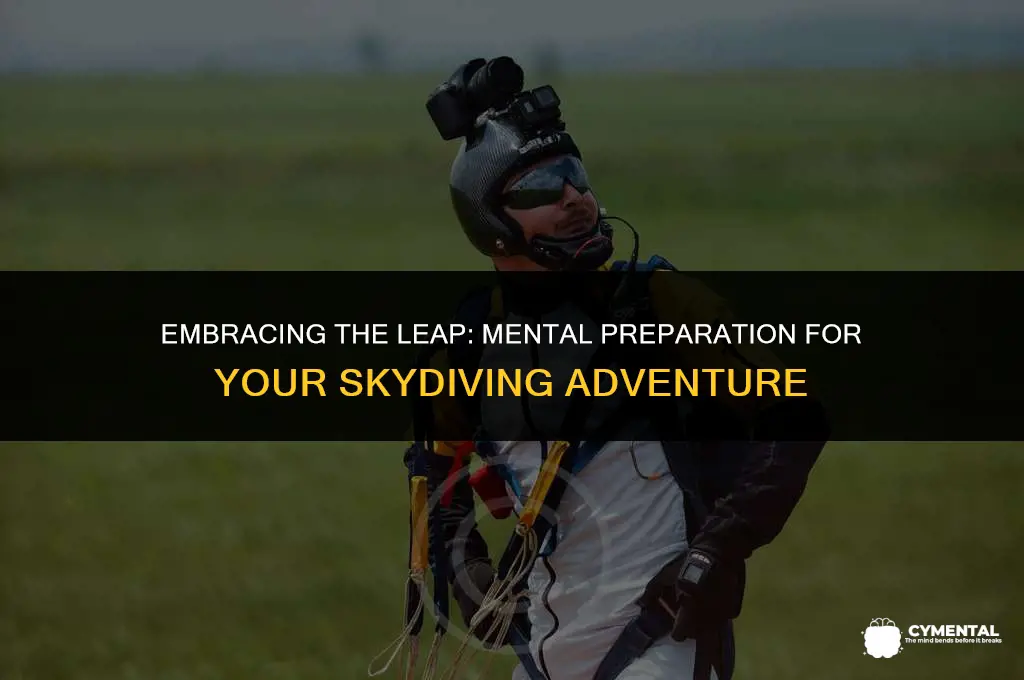
Skydiving is an exhilarating adventure that requires not only physical readiness but also a strong mental preparation. To mentally prepare for skydiving, it's essential to understand the process and what to expect. This includes learning about the equipment, the jump procedure, and emergency protocols. Visualization techniques can be incredibly helpful; imagine yourself confidently exiting the plane, free-falling, and deploying the parachute. Managing fear and anxiety is crucial, and this can be achieved through deep breathing exercises, meditation, and positive self-talk. Remind yourself of your motivations for skydiving and focus on the excitement and sense of accomplishment you'll feel after the jump. Building trust in your instructors and the safety measures in place is also vital. Finally, staying present and focused on the experience, rather than getting caught up in worries about the future or regrets about the past, will help you fully enjoy this thrilling activity.
| Characteristics | Values |
|---|---|
| Focus on breathing | Deep, controlled breaths to calm the mind |
| Visualization | Imagining the jump and landing successfully |
| Positive self-talk | Encouraging oneself with affirmations |
| Education | Learning about the equipment and safety procedures |
| Physical preparation | Ensuring proper gear fit and understanding body positioning |
| Mental rehearsal | Practicing the jump sequence in one's mind |
| Relaxation techniques | Using methods like meditation or progressive muscle relaxation |
| Confidence building | Reflecting on past successes and training |
| Fear management | Acknowledging and reframing fear as excitement |
| Instructor communication | Listening to and trusting the instructor's guidance |
Explore related products


What You'll Learn
- Research and Understand the Process: Learn about skydiving procedures, equipment, and safety measures to alleviate anxiety
- Build Mental Resilience: Practice stress management techniques, such as deep breathing and visualization, to stay calm
- Set Realistic Expectations: Understand the risks and sensations involved to avoid unrealistic fears or disappointments
- Focus on the Experience: Shift your mindset from fear to excitement by emphasizing the unique sensations and views
- Use Positive Affirmations: Repeat encouraging phrases to yourself to boost confidence and reduce negative thoughts

Research and Understand the Process: Learn about skydiving procedures, equipment, and safety measures to alleviate anxiety
Understanding the intricacies of skydiving procedures, equipment, and safety measures is crucial in alleviating anxiety and ensuring a positive experience. Begin by researching the skydiving process from start to finish, including pre-jump preparations, the actual jump, freefall, parachute deployment, and landing. Familiarize yourself with the roles of different professionals involved, such as instructors, tandem partners, and ground crew.
Next, delve into the equipment used in skydiving. Learn about the different types of parachutes, their deployment mechanisms, and how they are maintained. Understand the purpose and function of altimeters, automatic activation devices (AADs), and other safety gear. Knowing how each piece of equipment works and its safety features can significantly reduce anxiety.
Safety measures are paramount in skydiving. Research the safety protocols followed by skydiving centers, including pre-jump safety checks, emergency procedures, and post-jump debriefings. Learn about the risks associated with skydiving, such as equipment failure, weather conditions, and human error, and how these risks are mitigated. Understanding the comprehensive safety measures in place can help alleviate concerns and build confidence.
Additionally, consider reaching out to experienced skydivers for insights and advice. Join online forums or social media groups dedicated to skydiving to ask questions and learn from others' experiences. Many skydivers are eager to share their knowledge and help newcomers feel more at ease.
Finally, take the time to mentally rehearse the skydiving process. Visualization techniques can be powerful in reducing anxiety. Imagine yourself going through each step, from boarding the plane to landing safely on the ground. This mental preparation can help you feel more in control and ready for the actual experience.
Explore related products


Build Mental Resilience: Practice stress management techniques, such as deep breathing and visualization, to stay calm
The ability to remain calm under pressure is crucial when preparing mentally for skydiving. One effective method to achieve this is through the practice of stress management techniques. Deep breathing exercises, for instance, can help regulate your heart rate and reduce anxiety levels. By inhaling slowly through your nose and exhaling steadily through your mouth, you can activate your body's parasympathetic nervous system, which promotes relaxation. Visualization is another powerful tool that can aid in building mental resilience. Imagine yourself successfully completing the skydive, from the initial jump to the safe landing. This mental rehearsal can help you become more confident and better equipped to handle any challenges that may arise during the actual experience.
In addition to these techniques, it's essential to develop a pre-jump routine that helps you focus and center yourself. This could include activities such as meditation, listening to calming music, or engaging in light physical exercise. By establishing a consistent routine, you can create a sense of familiarity and control, which can be comforting when facing the unknowns of skydiving. Furthermore, it's important to educate yourself about the skydiving process and the potential risks involved. Understanding what to expect can help alleviate fears and uncertainties, allowing you to approach the experience with a clearer and more resilient mindset.
Remember, building mental resilience is an ongoing process that requires practice and dedication. By incorporating stress management techniques, visualization, and a pre-jump routine into your preparation, you can develop the calm and focused mindset necessary to enjoy a safe and exhilarating skydiving experience.
Explore related products


Set Realistic Expectations: Understand the risks and sensations involved to avoid unrealistic fears or disappointments
Skydiving, an exhilarating adventure sport, demands a thorough understanding of its inherent risks and sensations to ensure a safe and enjoyable experience. Setting realistic expectations is crucial in this context, as it helps to mitigate unrealistic fears and disappointments that could detract from the overall thrill. To achieve this, it is essential to educate oneself about the various aspects of skydiving, including the physical sensations during freefall, the potential risks involved, and the safety measures in place.
One of the key sensations experienced during skydiving is the intense rush of adrenaline, which can manifest as a mix of excitement and fear. Understanding that this is a normal response to the extreme situation can help to alleviate anxiety and promote a more positive mindset. Additionally, familiarizing oneself with the risks associated with skydiving, such as equipment failure, weather-related issues, and human error, can help to develop a realistic perspective on the activity. This knowledge can be gained through research, attending safety briefings, and consulting with experienced skydivers or instructors.
Another important aspect of setting realistic expectations is to have a clear understanding of one's own physical and mental limitations. Skydiving can be a physically demanding activity, and it is essential to ensure that one is in good health and fitness before undertaking the sport. Furthermore, mental preparedness is equally crucial, as the ability to remain calm and focused during the jump can significantly impact the overall experience. Practicing relaxation techniques, such as deep breathing and visualization, can help to cultivate a sense of inner calm and confidence.
In addition to understanding the risks and sensations involved, it is also important to set realistic goals and expectations for the skydiving experience. This may include acknowledging that the first jump may not be perfect, and that it may take several jumps to become comfortable with the sensations and techniques involved. By adopting a growth mindset and being open to learning and improvement, skydivers can gradually build their skills and confidence, leading to a more fulfilling and enjoyable experience.
Ultimately, setting realistic expectations is a critical component of mentally preparing for skydiving. By educating oneself about the risks and sensations involved, understanding one's own limitations, and adopting a growth mindset, skydivers can maximize their enjoyment and safety while minimizing unrealistic fears and disappointments. This approach not only enhances the overall experience but also promotes a more responsible and informed attitude towards the sport.
Explore related products



Focus on the Experience: Shift your mindset from fear to excitement by emphasizing the unique sensations and views
To mentally prepare for skydiving, it's crucial to shift your focus from the fear of the unknown to the excitement of the experience. One effective way to do this is by emphasizing the unique sensations and views that skydiving offers. Imagine the rush of adrenaline as you freefall through the sky, the wind whipping past your face, and the incredible panorama of the earth below you. By concentrating on these aspects, you can reframe your mindset and approach the jump with enthusiasm rather than trepidation.
Start by visualizing yourself successfully completing the jump. Picture the moment you step out of the plane, the initial freefall, the deployment of the parachute, and the gentle descent back to the ground. Focus on the positive emotions associated with each stage of the jump, such as the thrill of the freefall and the sense of accomplishment as you land safely. This visualization technique can help you build confidence and reduce anxiety.
Another strategy is to educate yourself about the skydiving process. Understanding the mechanics of the jump, the safety measures in place, and the role of your instructor can help alleviate fears and increase your sense of control. Attend a skydiving school, watch instructional videos, and ask experienced skydivers about their first jump. The more informed you are, the more prepared you'll feel.
It's also important to focus on your breathing and relaxation techniques. Deep, controlled breathing can help calm your nerves and keep you centered during the jump. Practice meditation or yoga to improve your ability to stay relaxed under pressure. On the day of the jump, take slow, deep breaths as you prepare to exit the plane, and remind yourself of the excitement and beauty that awaits you.
Finally, surround yourself with positive influences. Spend time with supportive friends and family who encourage your adventure, and connect with other skydivers who can share their experiences and offer advice. Join online skydiving communities or attend local skydiving events to immerse yourself in the culture and camaraderie of the sport. By focusing on the experience and the unique sensations and views that skydiving offers, you can shift your mindset from fear to excitement and make your first jump an unforgettable adventure.
Explore related products


Use Positive Affirmations: Repeat encouraging phrases to yourself to boost confidence and reduce negative thoughts
Positive affirmations are a powerful tool in mental preparation for skydiving. By repeating encouraging phrases to yourself, you can boost your confidence and reduce negative thoughts that might hinder your experience. This technique is particularly useful for first-time skydivers who may be grappling with fears and anxieties about the jump.
To effectively use positive affirmations, start by identifying common negative thoughts or fears you may have about skydiving. These could include worries about the height, the speed of the fall, or the possibility of equipment failure. Once you've acknowledged these fears, create affirmations that directly address and counteract them. For example, if you're afraid of the height, you could repeat the phrase, "I am safe and secure at any altitude." If you're worried about equipment failure, you might say, "My gear is reliable and well-maintained."
It's important to phrase your affirmations in the present tense, as if the positive outcome is already happening. This helps to reinforce the belief in your mind and makes the affirmation more powerful. Additionally, try to use affirmations that are specific to skydiving, rather than general positive statements. This will help you to focus your mind on the task at hand and build confidence in your ability to skydive.
One effective way to practice positive affirmations is to set aside a few minutes each day to repeat them out loud or to yourself. You can also write them down and post them in places where you'll see them frequently, such as on your bathroom mirror or on your desk at work. Another technique is to record yourself saying the affirmations and listen to the recording regularly, especially in the days leading up to your skydive.
Remember, the key to making positive affirmations work is consistency and repetition. By regularly practicing this technique, you can train your mind to focus on the positive aspects of skydiving and reduce the impact of negative thoughts. This will not only help you to mentally prepare for the jump but also enhance your overall experience and enjoyment of the sport.
Frequently asked questions
Common fears include heights, falling, and the unknown. To overcome these, educate yourself about the safety measures in place, visualize successful jumps, and focus on the excitement rather than fear.
Ensure you are in good physical condition by engaging in regular exercise, maintaining a healthy diet, and getting adequate sleep. Avoid alcohol and drugs before the jump to keep your body and mind sharp.
The pre-jump briefing will cover safety procedures, equipment usage, and emergency protocols. It is crucial to pay attention and ask questions to ensure you understand everything and feel confident before the jump.
Practice deep breathing exercises, maintain a positive mindset, and focus on your body position. Remember your training, trust your instructor, and enjoy the adrenaline rush.