Lucas Bennett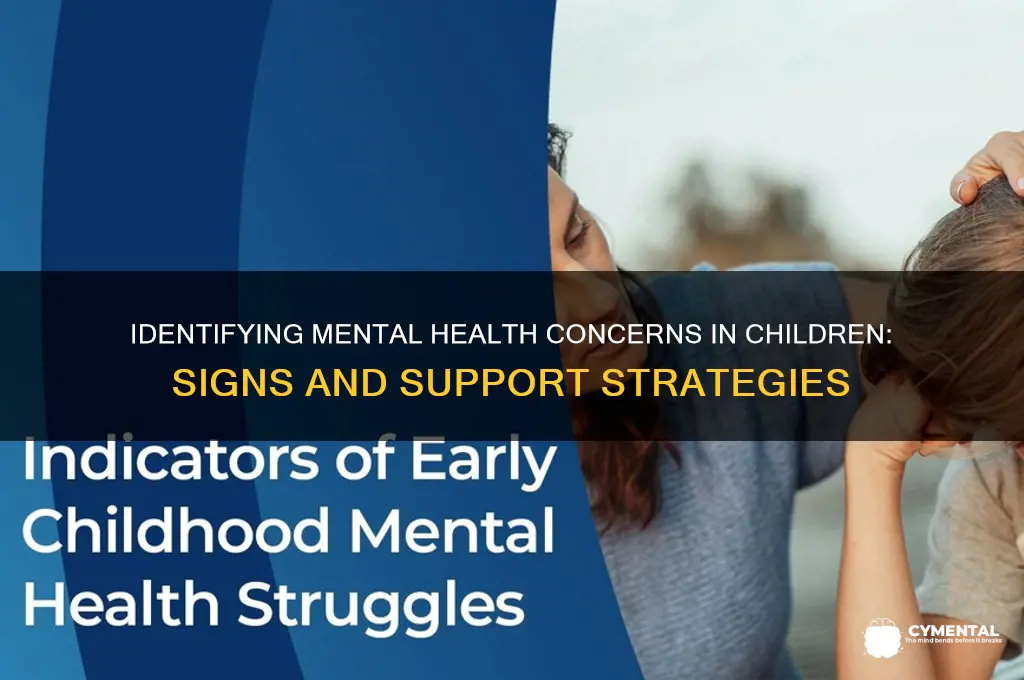
Identifying whether a child has a mental health issue can be challenging, as children often express their emotions and struggles differently than adults. Key signs to watch for include persistent changes in behavior, such as increased irritability, withdrawal from social activities, or a decline in academic performance. Emotional indicators like frequent sadness, anxiety, or extreme mood swings, as well as physical symptoms like headaches or stomachaches without a clear cause, may also signal underlying issues. Additionally, difficulties with concentration, sleep disturbances, or regression to younger behaviors (e.g., bedwetting) can be red flags. If these symptoms persist, interfere with daily functioning, or seem disproportionate to the situation, it’s important to consult a pediatrician or mental health professional for a thorough evaluation and appropriate support. Early intervention can make a significant difference in a child’s well-being and development.
Explore related products


What You'll Learn
- Behavioral Changes: Sudden shifts in mood, aggression, or withdrawal may indicate underlying mental health concerns
- Academic Struggles: Declining grades or difficulty concentrating can signal emotional or psychological distress
- Physical Symptoms: Headaches, stomachaches, or sleep disturbances often accompany mental health issues in children
- Social Withdrawal: Avoiding friends, family, or activities may reflect anxiety, depression, or trauma
- Extreme Emotions: Persistent sadness, fear, or irritability beyond typical developmental stages can be warning signs

Behavioral Changes: Sudden shifts in mood, aggression, or withdrawal may indicate underlying mental health concerns
Children's emotions can be a tempestuous sea, but sudden and extreme shifts in mood, aggression, or withdrawal often signal more than just typical growing pains. Imagine a once-cheerful 8-year-old who now bursts into tears at minor frustrations or a previously outgoing teenager who suddenly isolates themselves, refusing to engage with friends or family. These aren’t mere phases; they’re red flags. Behavioral changes, particularly when abrupt and persistent, can be early indicators of underlying mental health concerns such as anxiety, depression, or trauma. Recognizing these patterns is the first step in addressing potential issues before they escalate.
To identify these changes effectively, observe the *intensity* and *duration* of the behavior. For instance, occasional irritability is normal, but frequent, unprovoked outbursts in a 10-year-old might suggest emerging anger issues or emotional dysregulation. Similarly, a teenager who withdraws from social activities for weeks, neglecting hobbies and friendships, could be struggling with depression or anxiety. Keep a mental (or written) log of these behaviors to spot trends. For younger children, who may lack the vocabulary to express their feelings, look for nonverbal cues like clinginess, regression to younger behaviors (e.g., bedwetting), or physical symptoms like headaches or stomachaches.
While it’s tempting to dismiss these changes as "just a phase," inaction can delay critical intervention. Mental health issues in children are treatable, but early detection is key. If you notice persistent behavioral shifts, consult a pediatrician or mental health professional. They can assess whether the behavior stems from developmental stress, environmental factors, or a diagnosable condition. Practical steps include maintaining open communication, validating the child’s emotions, and creating a stable routine. For example, a 12-year-old exhibiting sudden aggression might benefit from structured activities like sports or therapy to channel their emotions constructively.
Comparing these changes to typical developmental milestones can also provide clarity. A preschooler’s tantrums are expected, but a school-aged child’s explosive anger is not. Similarly, adolescents often seek independence, but complete social withdrawal is atypical. Understanding these norms helps differentiate between age-appropriate behavior and potential mental health concerns. Remember, the goal isn’t to diagnose but to act as a vigilant observer, ensuring the child receives the support they need.
In conclusion, behavioral changes like sudden mood swings, aggression, or withdrawal are not to be ignored. They are often the child’s way of communicating distress when words fail. By staying attuned to these shifts, documenting patterns, and seeking professional guidance, caregivers can play a pivotal role in safeguarding a child’s mental well-being. Early intervention isn’t just beneficial—it’s transformative, offering children the tools to navigate their emotions and thrive.
Supporting Mental Health: Practical Ways to Help Others Heal and Thrive
You may want to see also
Explore related products




Academic Struggles: Declining grades or difficulty concentrating can signal emotional or psychological distress
A sudden drop in grades or a child's inability to focus in class can be more than just a phase of laziness or disinterest. It may be a silent cry for help, indicating underlying emotional or psychological turmoil. Academic struggles often serve as a red flag, alerting parents and educators to potential mental health issues that require attention.
Identifying the Signs:
Imagine a once-enthusiastic student now staring blankly at their textbook, struggling to comprehend the words. This could be a sign of anxiety or depression, where the child's mind is overwhelmed with intrusive thoughts, making concentration nearly impossible. For younger children, this might manifest as an increased difficulty in completing basic tasks or following instructions, while teenagers may exhibit a lack of motivation and disengagement from schoolwork. Keep an eye out for consistent patterns; occasional lapses in focus are normal, but persistent struggles warrant further investigation.
The Impact of Mental Health on Learning:
Mental health issues can significantly impair a child's cognitive abilities. For instance, anxiety disorders may lead to constant worry and fear, hindering information retention and problem-solving skills. Depression can sap energy and motivation, making even simple academic tasks feel insurmountable. These conditions create a vicious cycle: as grades decline, self-esteem plummets, further exacerbating the mental health struggle. It's crucial to recognize that these challenges are not a reflection of a child's intelligence but rather a symptom of a deeper issue.
Practical Steps for Support:
- Open Communication: Encourage a safe and non-judgmental environment for children to express their feelings. Regularly ask open-ended questions about their school experience and emotions.
- Collaborate with Educators: Maintain a close relationship with teachers to monitor academic progress and behavior. They can provide valuable insights into a child's performance and offer strategies to support learning.
- Seek Professional Help: Consult school counselors or mental health professionals who can assess and provide tailored interventions. Early intervention is key; consider therapy or counseling to address the root causes of distress.
- Create a Structured Routine: Establish a consistent study schedule, ensuring adequate breaks and a balanced approach to academics. This can reduce feelings of being overwhelmed.
A Holistic Approach:
Addressing academic struggles requires a comprehensive strategy. While academic support is essential, it should go hand in hand with nurturing a child's emotional well-being. This might include teaching stress management techniques, promoting healthy sleep habits, and encouraging physical activity, all of which can positively impact both mental health and academic performance. By recognizing the intricate link between emotional distress and academic challenges, parents and caregivers can provide the necessary support to help children navigate these difficulties.
In summary, declining academic performance and concentration issues are potential indicators of a child's mental health struggles. By being vigilant and responsive to these signs, adults can play a pivotal role in guiding children towards the support and resources they need to thrive academically and emotionally.
Seeking Support: A Guide to Accessing Mental Health Assistance
You may want to see also
Explore related products


Physical Symptoms: Headaches, stomachaches, or sleep disturbances often accompany mental health issues in children
Children experiencing mental health issues often manifest physical symptoms that can serve as red flags for parents and caregivers. Headaches, stomachaches, and sleep disturbances are among the most common indicators, frequently overlooked as mere physical ailments. These symptoms can stem from the body’s stress response, where heightened anxiety or emotional distress triggers physiological reactions. For instance, chronic headaches may arise from muscle tension, while stomachaches can result from gastrointestinal distress linked to stress. Sleep disturbances, such as insomnia or nightmares, often reflect an overactive mind struggling to cope with emotional turmoil. Recognizing these physical signs as potential markers of mental health struggles is the first step in addressing the underlying issue.
Analyzing the frequency and context of these symptoms is crucial for distinguishing between typical childhood complaints and signs of mental distress. Occasional headaches or stomachaches are common in children, but persistent or unexplained occurrences warrant attention. For example, a child who complains of stomach pain every morning before school or experiences headaches after social interactions may be expressing anxiety or fear indirectly. Sleep disturbances, too, should be evaluated for patterns—a child who suddenly develops difficulty falling asleep or wakes frequently may be processing emotional challenges subconsciously. Tracking these symptoms in relation to specific triggers, such as school days or social events, can provide valuable insights into their emotional state.
Practical steps can be taken to address these physical symptoms while investigating their mental health roots. For headaches, ensure the child stays hydrated, maintains a consistent sleep schedule, and practices relaxation techniques like deep breathing. Stomachaches may improve with a balanced diet, regular meals, and gentle physical activity to reduce stress. Sleep disturbances can be mitigated by establishing a calming bedtime routine, limiting screen time before bed, and creating a comfortable sleep environment. However, these measures should complement, not replace, efforts to address the child’s emotional well-being. Encouraging open conversations about feelings and seeking professional guidance from a pediatrician or mental health specialist is essential for comprehensive care.
Comparatively, these physical symptoms in children differ from those in adults, where mental health issues often manifest as chronic pain or fatigue. In children, the body’s response to emotional stress is more immediate and episodic, reflecting their developing ability to process and articulate emotions. For instance, a child might experience stomachaches during periods of heightened anxiety, such as before a test or after a conflict with peers, whereas an adult might internalize stress as persistent back pain. This distinction underscores the importance of age-appropriate approaches to identifying and addressing mental health concerns in children, emphasizing observation and proactive intervention.
In conclusion, physical symptoms like headaches, stomachaches, and sleep disturbances are not merely benign complaints but potential signals of mental health issues in children. By understanding their origins, analyzing their patterns, and implementing practical strategies, parents and caregivers can take meaningful steps to support a child’s emotional well-being. While addressing these symptoms directly is important, it is equally critical to explore the emotional factors driving them. Early recognition and intervention can prevent long-term consequences, fostering resilience and healthier coping mechanisms in children as they navigate their emotional landscapes.
Navigating College Life: Strategies for Managing Student Mental Health
You may want to see also
Explore related products


Social Withdrawal: Avoiding friends, family, or activities may reflect anxiety, depression, or trauma
A child who suddenly stops joining family game nights or declines invitations to hang out with friends might be signaling more than just a shift in interests. Social withdrawal often serves as a red flag for underlying mental health issues such as anxiety, depression, or trauma. Unlike typical shyness or occasional solitude, this behavior persists and intensifies, disrupting daily functioning. For instance, a teenager who stops attending soccer practice—an activity they once loved—may be struggling with overwhelming emotions rather than simply losing interest. Recognizing this pattern early is crucial, as prolonged isolation can exacerbate mental health challenges.
To assess whether a child’s social withdrawal is cause for concern, observe the context and duration of the behavior. Is the avoidance sudden or gradual? Does it coincide with a specific event, like bullying or a family conflict? Children under 12 may express withdrawal through clinginess or tantrums, while adolescents might retreat to their rooms for hours. Practical steps include maintaining open communication without judgment, asking neutral questions like, “I’ve noticed you haven’t been hanging out with your friends lately. Is everything okay?” Avoid forcing social interactions, as this can increase anxiety. Instead, offer alternatives like one-on-one outings or creative activities that feel less overwhelming.
Comparing social withdrawal to physical symptoms can help parents grasp its significance. Just as persistent headaches might indicate an underlying illness, consistent avoidance of social situations often points to emotional distress. For example, a child with anxiety might fear judgment from peers, while a traumatized child may associate social settings with past harm. Unlike adults, children lack the vocabulary to articulate these feelings, making their withdrawal a form of nonverbal communication. Parents and caregivers must act as translators, interpreting these behaviors and seeking professional guidance when necessary.
Persuading caregivers to take social withdrawal seriously requires emphasizing its potential long-term impact. Untreated anxiety or depression can lead to academic decline, low self-esteem, and even self-harm. A study by the American Psychological Association found that socially withdrawn adolescents are twice as likely to develop major depressive disorder by early adulthood. Early intervention, such as cognitive-behavioral therapy or family counseling, can teach coping strategies and rebuild social connections. Schools and pediatricians often serve as valuable resources, offering screenings and referrals to mental health specialists.
In conclusion, social withdrawal in children is not merely a phase but a critical indicator of deeper emotional struggles. By observing patterns, fostering open dialogue, and seeking timely support, caregivers can address the root causes and help children regain their footing. Remember, a child’s silence is often a plea for help, and responding with empathy and action can make all the difference.
Supporting Someone with Mental Health Issues: A Compassionate Guide
You may want to see also
Explore related products




Extreme Emotions: Persistent sadness, fear, or irritability beyond typical developmental stages can be warning signs
Children often experience a rollercoaster of emotions as they grow, but when does this emotional turbulence signal something more concerning? Persistent and extreme emotions like sadness, fear, or irritability that linger beyond what’s typical for their age can be red flags for underlying mental health issues. For instance, a 7-year-old who remains inconsolably sad for weeks after a minor disagreement with a friend, or a 10-year-old who exhibits constant, intense fear of everyday situations like going to school, may be struggling with more than just fleeting feelings. These emotions, when disproportionate and prolonged, warrant attention.
To assess whether a child’s emotions are cause for concern, consider both the intensity and duration. Developmental stages do include phases of heightened emotions—toddlers throw tantrums, and teenagers often feel moody. However, extreme emotions that interfere with daily functioning, such as a child refusing to attend school due to overwhelming anxiety or becoming physically aggressive when frustrated, should not be dismissed. A helpful benchmark is to observe if the behavior persists for more than two weeks or occurs in multiple settings (home, school, social environments). For younger children (ages 3–6), look for regression in behaviors, like bedwetting or renewed separation anxiety. In older children (ages 7–12), watch for withdrawal from activities they once enjoyed or sudden changes in academic performance.
Practical steps can help caregivers monitor and address these signs. First, maintain open communication by creating a safe space for the child to express their feelings without judgment. Use age-appropriate language—for example, ask a 5-year-old, “Does your tummy feel funny when you think about school?” instead of abstract questions about anxiety. Second, document patterns in a journal, noting triggers, duration, and severity of emotional episodes. This data can be invaluable when consulting a pediatrician or mental health professional. Third, collaborate with teachers or caregivers to gather observations from different environments, as children may exhibit varying behaviors outside the home.
While it’s tempting to reassure a child that “everything will be okay,” avoid minimizing their emotions. Instead, validate their feelings while offering support: “I see you’re really scared right now, and that’s okay. Let’s figure this out together.” If extreme emotions persist, seek professional help. Therapies like cognitive-behavioral therapy (CBT) are effective for children as young as 7, and play therapy can benefit younger children. Early intervention is key—unaddressed emotional distress can escalate into more severe mental health conditions, such as depression or anxiety disorders, later in life.
Finally, remember that children’s emotional struggles are not a reflection of parenting failures. Mental health issues can arise from a combination of genetic, environmental, and developmental factors. By staying vigilant, empathetic, and proactive, caregivers can help children navigate extreme emotions and build resilience for the future.
Supporting Your Child’s Mental Health: Practical Strategies for Parents
You may want to see also
Frequently asked questions
Look for persistent changes in behavior, mood, or functioning, such as prolonged sadness, extreme irritability, withdrawal from social activities, difficulty concentrating, or sudden changes in sleep or eating habits. If these symptoms interfere with daily life, consult a mental health professional.
Mental health issues can be identified as early as infancy, though they are more commonly recognized in preschool or school-aged children. Early signs may include developmental delays, excessive fear or anxiety, or difficulty regulating emotions.
Common signs of anxiety include excessive worry, avoidance of school or social situations, and physical symptoms like headaches or stomachaches. Depression may manifest as persistent sadness, loss of interest in activities, changes in appetite or sleep, or frequent talk of worthlessness.
Frequent, intense, and age-inappropriate temper tantrums or outbursts could be a sign of an underlying issue, such as oppositional defiant disorder (ODD), ADHD, or difficulty regulating emotions. If these behaviors disrupt home or school life, seek professional guidance.
Typical childhood behavior is usually transient and context-appropriate, while mental health issues involve persistent, severe, or disruptive symptoms that affect the child’s ability to function in daily life. If in doubt, consult a pediatrician or mental health specialist for an evaluation.