Lucas Bennett
ADHD, or Attention Deficit Hyperactivity Disorder, is a neurodevelopmental condition characterized by symptoms such as inattention, hyperactivity, and impulsiveness. It is often diagnosed in childhood and can persist into adulthood. While ADHD is not classified as a mental health disorder in the traditional sense, it is considered a mental health condition due to its impact on an individual's cognitive, emotional, and social functioning. Understanding ADHD involves recognizing its biological basis, its effects on daily life, and the various treatment options available to manage its symptoms.
Explore related products



What You'll Learn
- Definition and Diagnosis: Understanding ADHD as a neurodevelopmental disorder characterized by inattention, hyperactivity, and impulsivity
- Prevalence and Demographics: Exploring the global prevalence of ADHD, with a focus on age, gender, and cultural differences
- Causes and Risk Factors: Investigating the genetic, environmental, and neurological factors that contribute to the development of ADHD
- Symptoms and Impact: Examining the various symptoms of ADHD and their effects on daily life, relationships, and academic/professional performance
- Treatment and Management: Discussing evidence-based treatments for ADHD, including medication, behavioral therapy, and lifestyle interventions

Definition and Diagnosis: Understanding ADHD as a neurodevelopmental disorder characterized by inattention, hyperactivity, and impulsivity
ADHD, or Attention Deficit Hyperactivity Disorder, is a neurodevelopmental disorder that affects both children and adults. It is characterized by symptoms of inattention, hyperactivity, and impulsivity, which can significantly impact an individual's daily life and functioning. Inattention refers to difficulty sustaining focus, following instructions, and completing tasks, while hyperactivity involves excessive fidgeting, restlessness, and difficulty staying seated. Impulsivity manifests as acting without thinking, interrupting others, and difficulty waiting for one's turn.
Diagnosing ADHD involves a comprehensive evaluation by a healthcare professional, typically a psychiatrist or psychologist. The diagnostic process includes a review of the individual's medical history, behavioral observations, and input from parents, teachers, or other caregivers. The criteria for diagnosing ADHD are outlined in the Diagnostic and Statistical Manual of Mental Disorders (DSM-5), which specifies that an individual must exhibit at least six symptoms of inattention and/or hyperactivity-impulsivity for at least six months to receive a diagnosis.
It is essential to understand that ADHD is not simply a matter of poor behavior or lack of discipline. It is a legitimate medical condition that can be treated with a combination of medication, behavioral therapy, and lifestyle modifications. Medications such as stimulants (e.g., Ritalin, Adderall) and non-stimulants (e.g., Strattera) can help manage symptoms by improving focus and reducing impulsivity. Behavioral therapies, such as cognitive-behavioral therapy (CBT) and parent-teacher behavioral training, can provide individuals with strategies to better manage their symptoms and improve their overall functioning.
In addition to medical and therapeutic interventions, individuals with ADHD can benefit from lifestyle modifications such as regular exercise, a balanced diet, and adequate sleep. These interventions can help improve focus, reduce stress, and enhance overall well-being. It is also crucial for individuals with ADHD to develop coping strategies and self-management skills to navigate the challenges they may face in their personal and professional lives.
Understanding ADHD as a neurodevelopmental disorder is key to providing appropriate support and interventions for those affected. By recognizing the biological basis of the condition and its impact on daily functioning, we can work towards reducing stigma and improving outcomes for individuals with ADHD.
Exploring the Psychology Behind Fabricating False Scenarios
You may want to see also
Explore related products


Prevalence and Demographics: Exploring the global prevalence of ADHD, with a focus on age, gender, and cultural differences
Attention Deficit Hyperactivity Disorder (ADHD) is a neurodevelopmental condition characterized by symptoms of inattention, hyperactivity, and impulsivity. While often associated with childhood, ADHD can persist into adulthood and affect individuals across various demographics. The global prevalence of ADHD is estimated to be around 5-10%, with significant variations observed across different regions and cultures.
Age is a critical factor in understanding ADHD prevalence. The disorder typically presents in childhood, with symptoms often becoming apparent before the age of 12. However, ADHD can also be diagnosed in adolescence and adulthood. In fact, many adults with ADHD may have gone undiagnosed during their childhood years. The prevalence of ADHD in adults is estimated to be around 4-5%, with some studies suggesting that the condition may become more prevalent with age.
Gender differences also play a role in ADHD prevalence. Historically, ADHD has been more commonly diagnosed in males than females. However, recent research suggests that this gender gap may be narrowing. Some studies have found that the prevalence of ADHD in females may be as high as 3-5%, comparable to that of males. It is important to note that gender differences in ADHD may be influenced by various factors, including biological, social, and cultural variables.
Cultural differences can also impact ADHD prevalence and diagnosis. The disorder is more commonly diagnosed in Western countries, particularly in North America and Europe. However, ADHD is increasingly being recognized in non-Western countries as well. Some studies have found that the prevalence of ADHD in countries like China, India, and Brazil may be as high as 10-15%. It is important to consider that cultural differences in parenting styles, educational systems, and healthcare practices may influence the recognition and diagnosis of ADHD.
In conclusion, ADHD is a complex disorder that affects individuals across various demographics. Understanding the global prevalence of ADHD, with a focus on age, gender, and cultural differences, is crucial for developing effective diagnostic and treatment strategies. By recognizing these differences, healthcare professionals can better tailor their approaches to meet the unique needs of individuals with ADHD.
Understanding Intellectual Disabilities: A Comprehensive Overview
You may want to see also
Explore related products


$16.99 $19.99


Causes and Risk Factors: Investigating the genetic, environmental, and neurological factors that contribute to the development of ADHD
Recent studies have identified several genetic variants associated with ADHD, suggesting a strong hereditary component. For instance, genes involved in dopamine regulation, such as DRD4 and DAT1, have been implicated in ADHD susceptibility. These genetic factors may influence brain structure and function, particularly in regions responsible for attention and impulse control. While no single gene is solely responsible for ADHD, the cumulative effect of multiple genetic variations can significantly increase the risk of developing the disorder.
Environmental factors also play a crucial role in ADHD development. Prenatal exposure to substances like tobacco, alcohol, and certain chemicals can disrupt fetal brain development, increasing the likelihood of ADHD. Additionally, early childhood experiences, such as trauma, neglect, or exposure to violence, can impact brain function and contribute to ADHD symptoms. Nutritional deficiencies, particularly in omega-3 fatty acids and certain vitamins, have also been linked to ADHD.
Neurological factors, including brain structure and function abnormalities, are key contributors to ADHD. Functional MRI studies have shown differences in brain activity patterns between individuals with ADHD and those without the disorder, particularly in the prefrontal cortex and basal ganglia regions. These differences may reflect impairments in executive function, attention regulation, and impulse control. Furthermore, structural abnormalities, such as reduced brain volume in certain areas, have been observed in ADHD patients, suggesting a potential link between brain development and the disorder.
The interplay between genetic, environmental, and neurological factors is complex and not fully understood. However, research suggests that these factors interact in a multifaceted manner to influence ADHD risk. For example, genetic predispositions may make individuals more susceptible to the effects of environmental toxins or stressors, which in turn can impact brain development and function. Understanding these interactions is crucial for developing effective prevention and treatment strategies for ADHD.
In conclusion, ADHD is a multifactorial disorder influenced by a combination of genetic, environmental, and neurological factors. While significant progress has been made in identifying these factors, further research is needed to elucidate their complex interactions and to develop targeted interventions for ADHD prevention and management.
Understanding Tourette Syndrome: Mental Health Perspectives
You may want to see also
Explore related products


Symptoms and Impact: Examining the various symptoms of ADHD and their effects on daily life, relationships, and academic/professional performance
ADHD, or Attention Deficit Hyperactivity Disorder, manifests through a range of symptoms that can significantly impact an individual's daily life. These symptoms are typically grouped into three categories: inattention, hyperactivity, and impulsivity. Inattention may lead to difficulties in sustaining focus on tasks, following instructions, or remembering important details. Hyperactivity can result in excessive fidgeting, restlessness, or difficulty staying seated. Impulsivity might cause individuals to act without thinking, interrupting others, or engaging in risky behaviors.
The effects of ADHD on daily life can be profound. For children, it may lead to challenges in school, such as falling behind academically, difficulty with organization, and strained relationships with peers and teachers. Adults with ADHD might struggle with time management, maintaining employment, and managing finances. The disorder can also impact personal relationships, as individuals may have trouble with communication, empathy, and maintaining consistent effort in their interactions with others.
In terms of academic and professional performance, ADHD can present significant hurdles. Students may find it difficult to complete assignments on time, stay organized, and maintain focus during exams. This can lead to underachievement and frustration. In the workplace, adults with ADHD might struggle with meeting deadlines, staying on task, and effectively managing projects. These challenges can hinder career advancement and lead to feelings of inadequacy.
It's important to note that while ADHD can have a substantial impact on an individual's life, it is a treatable condition. With the right combination of medication, therapy, and lifestyle adjustments, many people with ADHD are able to manage their symptoms effectively and lead fulfilling lives. Early diagnosis and intervention are key in mitigating the long-term effects of the disorder.
In conclusion, ADHD is characterized by a set of symptoms that can have far-reaching consequences on various aspects of an individual's life. By understanding these symptoms and their impacts, we can better appreciate the challenges faced by those with ADHD and the importance of seeking appropriate treatment and support.
Unraveling the Complex Mind: Jeffrey Dahmer's Mental Health Disorders
You may want to see also
Explore related products


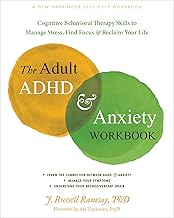



Treatment and Management: Discussing evidence-based treatments for ADHD, including medication, behavioral therapy, and lifestyle interventions
Medication is a cornerstone in the treatment of ADHD, with stimulants like methylphenidate and amphetamines being the most commonly prescribed. These medications work by increasing the levels of dopamine and norepinephrine in the brain, which helps to improve focus, reduce impulsivity, and manage hyperactivity. Non-stimulant medications, such as atomoxetine, may also be used, particularly for individuals who do not respond well to stimulants or have certain medical conditions. It is crucial for medication to be closely monitored by a healthcare professional to ensure efficacy and minimize potential side effects.
Behavioral therapy is another vital component in managing ADHD. Cognitive-behavioral therapy (CBT) can help individuals with ADHD develop better coping mechanisms, improve organizational skills, and reduce negative thought patterns. Family therapy may also be beneficial, as it can help family members understand ADHD better and develop strategies to support their loved one. Additionally, behavioral interventions in school settings, such as the implementation of individualized education plans (IEPs), can provide structured support and accommodations to help students with ADHD succeed academically.
Lifestyle interventions play a significant role in the holistic management of ADHD. Regular physical activity has been shown to improve symptoms by increasing brain sensitivity for the hormones serotonin and norepinephrine, which relieve feelings of depression and improve focus. A balanced diet, rich in omega-3 fatty acids, vitamins, and minerals, can also support brain health and reduce ADHD symptoms. Furthermore, establishing a consistent sleep schedule and creating a structured daily routine can help individuals with ADHD maintain better control over their symptoms and improve overall functioning.
In conclusion, the treatment and management of ADHD involve a multifaceted approach that includes medication, behavioral therapy, and lifestyle interventions. By combining these evidence-based treatments, individuals with ADHD can effectively manage their symptoms and improve their quality of life. It is essential for healthcare professionals, educators, and family members to work collaboratively to develop a comprehensive treatment plan tailored to the unique needs of each individual with ADHD.
Exploring the Spectrum: Types of Mental Disorders Explained
You may want to see also
Frequently asked questions
Yes, ADHD (Attention Deficit Hyperactivity Disorder) is classified as a mental health disorder. It is characterized by symptoms such as inattention, hyperactivity, and impulsiveness, which can significantly impact daily functioning and well-being.
The common symptoms of ADHD include difficulty paying attention, easily getting distracted, forgetfulness, fidgeting, restlessness, impulsiveness, and difficulty waiting for one's turn. These symptoms can vary in severity and may affect different aspects of a person's life, including school, work, and relationships.
ADHD is typically diagnosed through a comprehensive evaluation by a healthcare professional, which may include interviews, behavioral observations, and sometimes cognitive testing. Treatment for ADHD often involves a combination of medication, such as stimulants or non-stimulants, and behavioral interventions like therapy and lifestyle modifications. Early diagnosis and appropriate treatment can help manage symptoms and improve overall quality of life for individuals with ADHD.