Noah Parker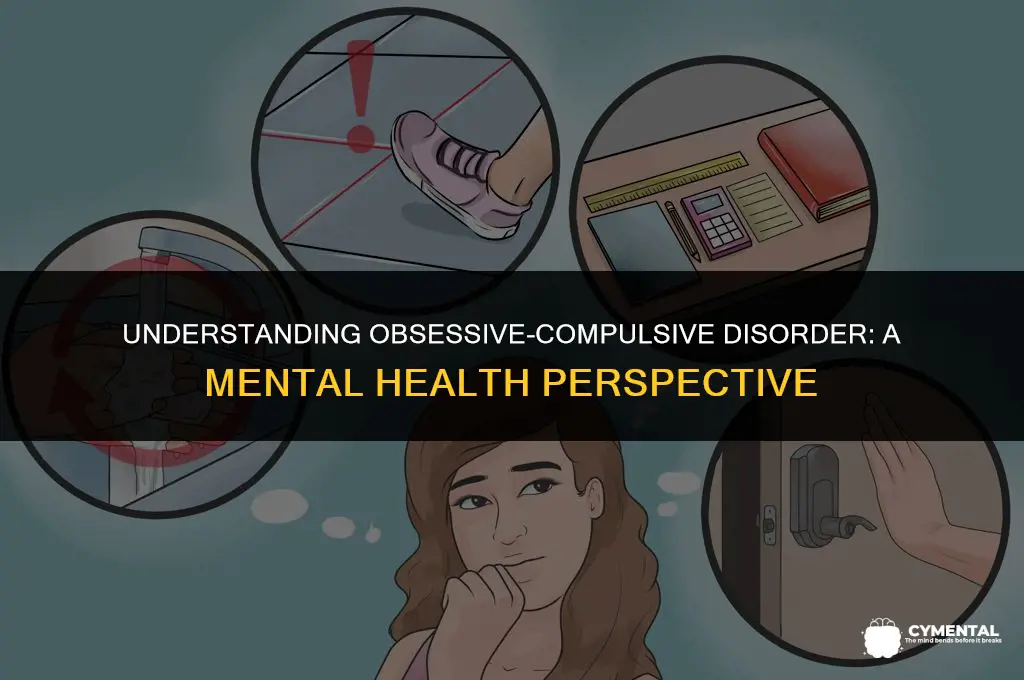
Obsessive-Compulsive Disorder (OCD) is a complex mental health condition that affects millions of people worldwide. Characterized by intrusive, unwanted thoughts (obsessions) and repetitive behaviors (compulsions), OCD can significantly impact an individual's daily life and overall well-being. While it is often portrayed in popular culture as a quirky or eccentric trait, OCD is, in fact, a serious mental illness that requires professional treatment and support. Understanding the nature of OCD, its symptoms, and its treatment options is crucial for promoting awareness and reducing the stigma associated with this condition.
Explore related products


What You'll Learn

Definition and Diagnosis
Obsessive-Compulsive Disorder (OCD) is a mental health condition characterized by a cycle of unwanted thoughts (obsessions) and repetitive behaviors (compulsions). These obsessions are intrusive, persistent, and distressing, often leading to compulsive actions performed in an attempt to relieve the stress or anxiety caused by these thoughts. Common compulsions include handwashing, checking, counting, or arranging things in a particular way.
Diagnosing OCD involves identifying these key symptoms and their impact on an individual's daily life. Mental health professionals use criteria outlined in the Diagnostic and Statistical Manual of Mental Disorders (DSM-5) to make a diagnosis. According to the DSM-5, a person must experience obsessions, compulsions, or both, that are time-consuming (taking up more than 1 hour a day) or cause significant distress or impairment in social, occupational, or other areas of functioning.
A thorough diagnostic process typically includes a clinical interview, where the individual describes their symptoms and experiences. The clinician may also use standardized assessment tools, such as the Yale-Brown Obsessive Compulsive Scale (Y-BOCS), to evaluate the severity of symptoms. Additionally, the clinician will consider the individual's medical history, family history of mental health conditions, and any other factors that may contribute to the symptoms.
It's important to differentiate OCD from other mental health conditions that may present similar symptoms, such as anxiety disorders or tic disorders. A careful and comprehensive diagnostic approach ensures that the individual receives an accurate diagnosis and appropriate treatment. Early diagnosis and treatment can significantly improve outcomes for people with OCD, helping them manage their symptoms and lead fulfilling lives.
Unraveling the Link: Alcohol Consumption and Mental Health Disorders
You may want to see also
Explore related products



Symptoms and Behaviors
Obsessive-compulsive disorder (OCD) manifests through a variety of symptoms and behaviors that can significantly impact an individual's daily life. One of the primary symptoms is the presence of obsessions, which are intrusive, unwanted thoughts, images, or urges that cause distress. These obsessions often revolve around themes such as cleanliness, order, safety, or morality. For example, a person with OCD might have recurring thoughts about whether they have locked the door or turned off the stove, despite having checked multiple times.
Compulsions are another key feature of OCD. These are repetitive behaviors or mental acts that a person feels compelled to perform in response to their obsessions. Common compulsions include handwashing, checking, counting, or arranging things in a particular way. The goal of these compulsions is often to reduce the anxiety or discomfort caused by the obsessions. However, they can become time-consuming and interfere with normal functioning. For instance, someone with OCD might spend hours each day washing their hands, which can lead to skin irritation and social isolation.
In addition to obsessions and compulsions, individuals with OCD may also experience other symptoms such as anxiety, depression, or tic disorders. The severity of OCD symptoms can vary widely from person to person. Some individuals may have mild symptoms that do not significantly impact their lives, while others may have severe symptoms that require intensive treatment.
It is important to note that OCD is a treatable condition. Cognitive-behavioral therapy (CBT), particularly exposure and response prevention (ERP), is a highly effective treatment for OCD. Medications such as selective serotonin reuptake inhibitors (SSRIs) can also be helpful in reducing symptoms. With proper treatment, many individuals with OCD are able to manage their symptoms and lead fulfilling lives.
In conclusion, OCD is characterized by a cycle of obsessions and compulsions that can cause significant distress and impairment. However, with the right treatment and support, individuals with OCD can learn to manage their symptoms and improve their quality of life.
Unraveling the Joker's Psyche: A Deep Dive into His Mental State
You may want to see also
Explore related products


$46.92 $61.2


Causes and Risk Factors
Obsessive-compulsive disorder (OCD) is a complex mental health condition that arises from a combination of genetic, environmental, and psychological factors. Research suggests that individuals with a family history of OCD are more likely to develop the disorder, indicating a potential genetic predisposition. Additionally, certain environmental stressors, such as traumatic events or significant life changes, can trigger the onset of OCD symptoms in susceptible individuals.
Neurobiological factors also play a crucial role in the development of OCD. Studies have shown that abnormalities in brain structure and function, particularly in regions involved in emotion regulation and impulse control, are associated with the disorder. Furthermore, imbalances in neurotransmitters like serotonin and dopamine can contribute to the manifestation of OCD symptoms.
Psychological factors, such as cognitive distortions and maladaptive coping mechanisms, can exacerbate OCD symptoms. For example, individuals with OCD may have a tendency to catastrophize or overestimate the importance of their intrusive thoughts, leading to increased anxiety and compulsive behaviors. Additionally, avoidance behaviors and perfectionism can reinforce the cycle of obsessions and compulsions, making it difficult for individuals to break free from the disorder's grip.
It is essential to recognize that OCD is not caused by personal weakness or a lack of willpower. Rather, it is a legitimate mental health condition that requires professional treatment and support. Understanding the causes and risk factors associated with OCD can help individuals and their loved ones seek appropriate help and develop effective coping strategies to manage the disorder.
Unraveling the Signs: A Guide to Recognizing Mental Health Disorders
You may want to see also
Explore related products



Treatment Options
Cognitive Behavioral Therapy (CBT) is a frontline treatment for OCD, focusing on identifying and challenging negative thought patterns and behaviors. A specific form of CBT known as Exposure and Response Prevention (ERP) is particularly effective. ERP involves gradually exposing individuals to situations that trigger their obsessions, while teaching them to resist the urge to perform compulsive behaviors. This process helps to reduce the anxiety associated with obsessions over time.
Medication can also play a crucial role in managing OCD symptoms. Selective Serotonin Reuptake Inhibitors (SSRIs) are commonly prescribed, as they help to regulate serotonin levels in the brain, which can reduce the frequency and intensity of obsessive thoughts and compulsive behaviors. In some cases, a combination of CBT and medication may be recommended for optimal results.
For individuals who do not respond well to traditional treatments, alternative therapies may be considered. These can include mindfulness-based therapies, which teach individuals to cultivate awareness and acceptance of their thoughts and feelings, reducing the need for compulsive behaviors. Additionally, some people may benefit from group therapy or family therapy, which can provide support and education to loved ones, helping to create a more supportive environment for recovery.
In more severe cases, where traditional treatments have not been effective, deep brain stimulation (DBS) may be an option. DBS involves implanting a device that delivers electrical impulses to specific areas of the brain, helping to regulate abnormal brain activity associated with OCD. This treatment is typically reserved for individuals with treatment-resistant OCD and is performed by a specialized team of neurosurgeons and psychiatrists.
It's important to note that treatment for OCD should be tailored to the individual's specific needs and circumstances. A comprehensive treatment plan may involve a combination of therapies and medications, along with lifestyle changes and support from loved ones. With the right treatment approach, many individuals with OCD can experience significant symptom reduction and improved quality of life.
Unraveling Jinx's Psyche: A Deep Dive into Her Mental Health Struggles
You may want to see also
Explore related products


Impact on Daily Life
Obsessive-compulsive disorder (OCD) can significantly impact daily life, affecting various aspects of an individual's routine and overall well-being. One of the primary ways OCD influences daily life is through the time-consuming nature of compulsions. Individuals with OCD may spend hours each day performing repetitive behaviors, such as handwashing, checking, or arranging items in a specific order, which can interfere with their ability to complete tasks efficiently.
Moreover, OCD can lead to avoidance behaviors, where individuals may steer clear of certain situations or objects that trigger their obsessions. This avoidance can limit their ability to participate in social activities, pursue hobbies, or even maintain employment. For example, someone with contamination fears may avoid public places or touching common surfaces, which can isolate them from social interactions and limit their mobility.
The mental toll of OCD should not be underestimated. The constant presence of intrusive thoughts and the need to perform compulsions can cause significant distress and anxiety. This can lead to difficulties in concentrating, making decisions, and managing emotions effectively. Individuals with OCD may also experience feelings of shame or guilt related to their symptoms, which can further exacerbate their emotional struggles.
In addition to these challenges, OCD can impact physical health. The repetitive nature of compulsions can lead to physical strain or injury, such as skin irritation from excessive handwashing or musculoskeletal problems from repetitive movements. Furthermore, the stress associated with OCD can weaken the immune system, making individuals more susceptible to illnesses.
To mitigate the impact of OCD on daily life, it is essential to seek professional help. Cognitive-behavioral therapy (CBT), particularly exposure and response prevention (ERP), is a highly effective treatment for OCD. Medications, such as selective serotonin reuptake inhibitors (SSRIs), can also be beneficial in managing symptoms. By addressing OCD through appropriate treatment, individuals can learn to manage their symptoms, reduce the time spent on compulsions, and improve their overall quality of life.
Exploring Feline Psychology: Do Cats Experience Mental Disorders?
You may want to see also
Frequently asked questions
Yes, Obsessive-Compulsive Disorder (OCD) is classified as a mental illness. It is characterized by unwanted and intrusive thoughts (obsessions) that often lead to repetitive behaviors (compulsions). These behaviors are performed in an attempt to relieve the stress or anxiety caused by these obsessions.
Common symptoms of OCD include persistent, unwanted thoughts or urges that cause significant distress, such as fears of contamination, making mistakes, or harming oneself or others. Compulsive behaviors may include handwashing, checking, counting, or arranging things in a particular way. These behaviors can interfere with daily life and cause significant impairment.
OCD is typically treated with a combination of medication and psychotherapy. Selective Serotonin Reuptake Inhibitors (SSRIs) are often used to help reduce the symptoms of OCD. Cognitive-Behavioral Therapy (CBT), specifically Exposure and Response Prevention (ERP), is a common form of psychotherapy used to treat OCD. ERP involves gradually exposing individuals to their fears or obsessions and teaching them to resist the urge to perform compulsive behaviors.
While there is no definitive cure for OCD, it can be effectively managed with proper treatment. Many individuals with OCD can experience significant improvement in their symptoms and quality of life with the right combination of medication and psychotherapy. It is important for individuals with OCD to seek professional help and to be patient and persistent in their treatment journey.