Ava Ramirez
Reading is widely regarded as a beneficial activity for mental health. It can serve as a form of relaxation, allowing individuals to escape from the stresses of daily life and immerse themselves in different worlds and perspectives. Additionally, reading has been shown to improve cognitive functions such as memory, concentration, and critical thinking. By engaging with complex narratives and ideas, readers can enhance their understanding of themselves and others, fostering empathy and emotional intelligence. Furthermore, reading can provide a sense of accomplishment and boost self-esteem, especially when completing challenging texts. Overall, incorporating reading into one's routine can have a positive impact on mental well-being, offering both immediate and long-term benefits.
Explore related products


What You'll Learn
- Reduces Stress: Reading can lower heart rate and reduce muscle tension, promoting relaxation
- Improves Focus: Engaging with books helps sustain attention, combating the effects of digital distractions
- Boosts Empathy: Fiction, in particular, allows readers to experience different perspectives, fostering empathy
- Enhances Cognitive Function: Regular reading may improve memory, critical thinking, and problem-solving skills
- Supports Emotional Well-being: Books can offer comfort, validation, and a sense of connection, aiding mental health

Reduces Stress: Reading can lower heart rate and reduce muscle tension, promoting relaxation
Reading has been shown to have a profound impact on our mental health, particularly in its ability to reduce stress levels. When we immerse ourselves in a good book, our heart rate slows down, and muscle tension is released, promoting a state of deep relaxation. This physiological response is similar to that of meditation, highlighting the powerful calming effects of reading.
One study found that just six minutes of reading can reduce stress levels by up to 68%, making it a highly effective stress-reduction technique. This is because reading requires focus and concentration, which helps to distract our minds from daily worries and concerns. As we become absorbed in a story, our brain waves slow down, and we enter a state of flow, which is associated with feelings of calmness and tranquility.
Furthermore, reading can also help to reduce symptoms of anxiety and depression. By exploring different perspectives and experiences through literature, we can gain a deeper understanding of our own emotions and feelings. This increased self-awareness can lead to improved emotional regulation and resilience, making us better equipped to cope with life's challenges.
In addition to its mental health benefits, reading can also have a positive impact on our physical health. Chronic stress is known to contribute to a range of health problems, including heart disease, diabetes, and obesity. By reducing stress levels through reading, we can also lower our risk of developing these conditions.
To maximize the stress-reducing benefits of reading, it's important to choose the right type of material. Opt for books that are engaging and enjoyable, rather than those that are too challenging or stimulating. It's also helpful to create a relaxing reading environment, free from distractions and noise. By making reading a regular part of our routine, we can experience the many benefits it has to offer for our mental and physical well-being.
Empowering Wellness: Your Guide to Becoming a Mental Health Coach
You may want to see also
Explore related products


Improves Focus: Engaging with books helps sustain attention, combating the effects of digital distractions
In an era dominated by digital screens, the act of reading a physical book can seem almost antiquated. However, research suggests that engaging with books can have a profound impact on our ability to focus. Unlike digital media, which often bombards us with notifications and distractions, reading a book requires sustained attention and minimal multitasking. This focused engagement can help combat the effects of digital distractions, training our brains to concentrate for longer periods.
One study found that reading for just 30 minutes a day can improve focus and reduce stress levels. This is because reading requires the brain to work harder to process information, which in turn strengthens neural connections and improves cognitive function. Additionally, the physical act of turning pages and holding a book can provide a tactile experience that digital devices cannot replicate, further enhancing the reader's focus and immersion.
To maximize the focus-enhancing benefits of reading, it's important to create an environment conducive to concentration. This might include finding a quiet, comfortable space away from digital devices, and setting aside dedicated time for reading each day. It's also helpful to choose books that are engaging and challenging, as this will encourage the brain to work harder and stay focused.
In conclusion, reading books can be a powerful tool for improving focus and combating the effects of digital distractions. By setting aside time for reading and creating an environment that promotes concentration, individuals can train their brains to focus more effectively and reduce stress levels.
Unveiling the Truth: Men's Mental Health Matters Every Month
You may want to see also
Explore related products


Boosts Empathy: Fiction, in particular, allows readers to experience different perspectives, fostering empathy
Fiction has a unique ability to transport readers into the minds and experiences of others, offering a powerful tool for empathy development. By immersing ourselves in stories that explore diverse perspectives, we can gain a deeper understanding of the human condition and the complexities of different lives. This empathetic connection can have profound effects on our mental health, as it allows us to feel less isolated and more compassionate towards others.
Research has shown that reading fiction can increase our capacity for empathy by activating areas of the brain associated with social cognition and emotional processing. When we engage with characters who are facing challenges or experiencing emotions that are different from our own, we are forced to confront our biases and assumptions, leading to a more nuanced understanding of the world around us. This increased empathy can translate into improved relationships, reduced stress, and a greater sense of overall well-being.
One of the most compelling aspects of fiction is its ability to present us with moral dilemmas and ethical questions that challenge our own beliefs and values. By exploring these complex issues through the lens of a story, we can develop a more flexible and open-minded approach to problem-solving, which can be beneficial for our mental health. Fiction can also serve as a form of emotional catharsis, allowing us to process our own feelings and experiences through the characters and situations we encounter on the page.
In addition to its empathetic benefits, reading fiction can also provide a much-needed escape from the stresses of everyday life. By losing ourselves in a good book, we can temporarily forget about our own worries and concerns, giving our minds a chance to relax and recharge. This mental break can be particularly important for individuals who are struggling with anxiety or depression, as it offers a healthy and engaging way to cope with difficult emotions.
In conclusion, the empathetic boost that fiction provides can have a significant impact on our mental health and well-being. By expanding our understanding of the human experience and offering a respite from the challenges of daily life, reading fiction can be a powerful tool for personal growth and emotional resilience.
February: A Month Dedicated to Mental Health Awareness
You may want to see also
Explore related products






Enhances Cognitive Function: Regular reading may improve memory, critical thinking, and problem-solving skills
Reading is a powerful tool for cognitive enhancement, offering a range of benefits that extend beyond mere entertainment. Regular engagement with written material can significantly improve memory, critical thinking, and problem-solving skills, all of which are crucial for maintaining and enhancing mental health.
One of the primary ways reading enhances cognitive function is through its impact on memory. When we read, our brains are actively processing and storing new information, which strengthens neural connections and improves our ability to recall details. This is particularly true for reading that challenges us, such as complex narratives or non-fiction works that require us to engage deeply with the material.
In addition to improving memory, reading also fosters critical thinking skills. As we encounter new ideas and perspectives through reading, we are forced to evaluate and analyze them, which sharpens our ability to discern fact from fiction and make informed judgments. This is an essential skill in today's information-saturated world, where the ability to think critically can help us navigate complex issues and make better decisions.
Reading can also enhance our problem-solving abilities. When we immerse ourselves in stories or scenarios that present challenges and conflicts, our brains are stimulated to think creatively and develop solutions. This can be particularly beneficial for individuals who struggle with problem-solving in their daily lives, as reading provides a safe and engaging environment to practice and improve these skills.
To maximize the cognitive benefits of reading, it's important to choose material that challenges and engages us. This could include books that are outside our comfort zone, articles on topics we're unfamiliar with, or even puzzles and brain teasers that require us to think creatively. Additionally, setting aside dedicated time for reading each day can help establish a consistent routine and ensure that we're giving our brains the regular workout they need.
In conclusion, reading is a simple yet powerful way to enhance cognitive function and support mental health. By improving memory, critical thinking, and problem-solving skills, reading can help us navigate the complexities of modern life and maintain a sharp, engaged mind.
Unveiling the Significance: Mental Health Awareness in October
You may want to see also
Explore related products
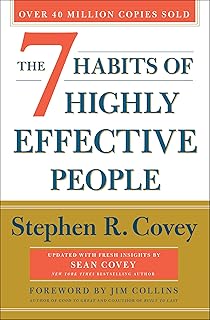


Supports Emotional Well-being: Books can offer comfort, validation, and a sense of connection, aiding mental health
Books have long been revered as a source of solace and wisdom, but their impact on emotional well-being is more profound than one might initially realize. Research has shown that reading can significantly reduce stress levels, alleviate symptoms of anxiety and depression, and even foster a greater sense of empathy and emotional intelligence. This is largely due to the immersive nature of reading, which allows individuals to temporarily escape from their own worries and concerns, and immerse themselves in the experiences and perspectives of others.
One of the key ways in which reading supports emotional well-being is by providing a sense of validation and connection. When we read about characters who are struggling with similar issues to our own, we feel seen and understood. This can be particularly powerful for individuals who may feel isolated or misunderstood in their daily lives. Furthermore, reading can help us to develop a greater sense of empathy, as we are exposed to a wide range of perspectives and experiences that may be different from our own.
In addition to these emotional benefits, reading can also have a positive impact on our mental health by improving cognitive function and reducing the risk of cognitive decline. Studies have shown that regular reading can improve memory, concentration, and critical thinking skills, all of which are essential for maintaining good mental health. Moreover, reading can help to slow down the aging process of the brain, reducing the risk of conditions such as Alzheimer's disease and dementia.
So, how can we harness the power of reading to support our emotional well-being? One approach is to make reading a regular part of our daily routine, setting aside time each day to immerse ourselves in a good book. It's also important to choose books that resonate with us on an emotional level, whether that means seeking out stories that reflect our own experiences or exploring new perspectives that challenge our assumptions.
In conclusion, the emotional benefits of reading are vast and varied, from providing comfort and validation to improving cognitive function and fostering empathy. By making reading a priority in our lives, we can tap into these benefits and support our overall mental health and well-being.
Exploring Your Mental Health Records: A Comprehensive Guide
You may want to see also
Frequently asked questions
Yes, reading is widely considered beneficial for mental health. It can reduce stress, improve focus, and enhance cognitive function.
Reading can lower heart rate and reduce muscle tension, which helps in decreasing stress levels. It serves as a mental escape, allowing the mind to relax.
Absolutely. Regular reading exercises the brain, improving memory, concentration, and critical thinking skills. It also expands vocabulary and knowledge.
While any reading can be beneficial, materials that promote relaxation and positive thinking, such as fiction, self-help books, and poetry, are particularly good for mental health.