Caleb Wright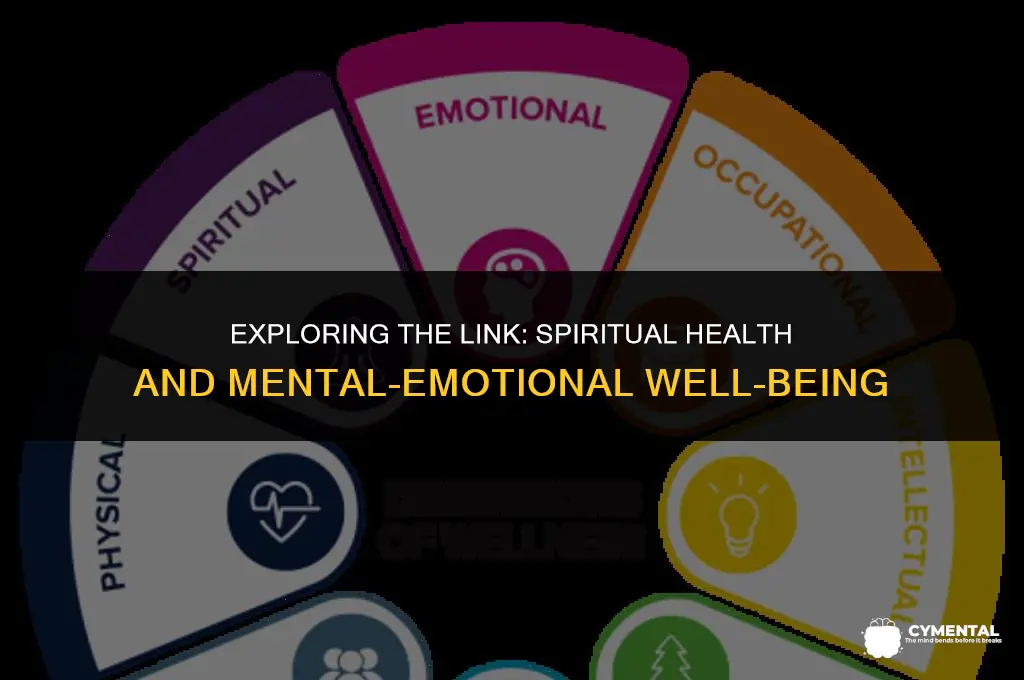
Spiritual health is an integral component of overall mental and emotional well-being. It encompasses an individual's sense of purpose, connection to something greater than oneself, and the ability to find meaning and fulfillment in life. While mental health focuses on the mind and emotional health centers on feelings, spiritual health addresses the deeper, existential aspects of human experience. A holistic approach to health recognizes the interconnectedness of these dimensions, understanding that spiritual well-being can profoundly impact one's mental and emotional states. For instance, a strong spiritual foundation can provide resilience during times of stress, foster a sense of peace and contentment, and enhance one's ability to cope with life's challenges. Conversely, neglecting spiritual health can lead to feelings of emptiness, disconnection, and a lack of direction. Therefore, it is essential to consider spiritual health as a vital part of the broader spectrum of mental and emotional health.
| Characteristics | Values |
|---|---|
| Definition | Spiritual health is an aspect of mental and emotional health that involves a sense of connection to something greater than oneself, such as a higher power, nature, or a set of beliefs and values. |
| Importance | Spiritual health is important for overall well-being, as it can provide a sense of purpose, meaning, and hope, and can help individuals cope with stress, anxiety, and depression. |
| Components | Components of spiritual health include a sense of connection to others, a sense of connection to nature, a sense of connection to a higher power or something greater than oneself, and a set of beliefs and values that guide one's actions and decisions. |
| Assessment | Spiritual health can be assessed through various measures, such as self-report questionnaires, interviews, and observational methods. |
| Interventions | Interventions to promote spiritual health include mindfulness practices, meditation, prayer, yoga, and other activities that encourage a sense of connection to oneself, others, and the world around us. |
| Relationship with mental and emotional health | Spiritual health is closely linked to mental and emotional health, as it can influence one's mood, behavior, and overall sense of well-being. |
| Cultural and individual differences | Spiritual health can vary across cultures and individuals, as different people may have different beliefs, values, and practices that contribute to their sense of spiritual well-being. |
| Challenges | Challenges to spiritual health include stress, anxiety, depression, trauma, and other mental health conditions that can negatively impact one's sense of connection and purpose. |
| Resilience | Resilience in spiritual health involves the ability to maintain a sense of connection and purpose in the face of adversity, and can be fostered through practices such as mindfulness, meditation, and social support. |
| Integration with healthcare | Spiritual health is increasingly being recognized as an important aspect of healthcare, and is being integrated into treatment plans for mental health conditions, chronic illnesses, and end-of-life care. |
Explore related products

$22.98 $29.99


What You'll Learn
- Interconnectedness: Spiritual health and mental-emotional health are deeply interconnected, influencing overall well-being
- Coping Mechanisms: Spiritual practices can provide effective coping mechanisms for mental-emotional challenges
- Purpose and Meaning: Spiritual health helps individuals find purpose and meaning, enhancing mental-emotional resilience
- Holistic Approach: Addressing spiritual health is essential for a holistic approach to mental-emotional wellness
- Cultural Perspectives: Different cultures view the relationship between spiritual and mental-emotional health uniquely, impacting overall health

Interconnectedness: Spiritual health and mental-emotional health are deeply interconnected, influencing overall well-being
Spiritual health and mental-emotional health are intricately linked, each influencing the other in profound ways. This interconnectedness is essential to understanding the holistic nature of well-being. When one's spiritual health is thriving, it can provide a sense of purpose and meaning that bolsters mental resilience and emotional stability. Conversely, neglecting spiritual health can lead to a void that may manifest as anxiety, depression, or a general sense of disconnection from oneself and others.
Consider the example of mindfulness practices, which have roots in spiritual traditions but are widely used today for their mental health benefits. Engaging in mindfulness meditation can reduce stress and improve emotional regulation, while also fostering a deeper connection to one's inner self and values. This illustrates how activities that promote spiritual health can simultaneously enhance mental-emotional well-being.
Moreover, research has shown that individuals who report higher levels of spiritual well-being tend to have better mental health outcomes. This correlation is observed across various cultures and socioeconomic backgrounds, suggesting that the relationship between spiritual and mental-emotional health is universal. It is important to note, however, that the specific practices and beliefs that contribute to spiritual health can vary greatly among individuals, and what works for one person may not work for another.
In practical terms, recognizing the interconnectedness of spiritual and mental-emotional health can inform more effective approaches to self-care and therapy. For instance, a therapist might incorporate spiritual practices into treatment plans for clients struggling with mental health issues, or encourage clients to explore their spiritual beliefs as a means of finding meaning and purpose. Similarly, individuals can take steps to nurture their spiritual health through activities such as meditation, prayer, or engaging in community service, which can in turn have positive effects on their mental and emotional well-being.
In conclusion, the interconnectedness of spiritual health and mental-emotional health highlights the importance of addressing both aspects in the pursuit of overall well-being. By acknowledging and nurturing this connection, individuals can cultivate a more holistic and resilient approach to health and happiness.
Understanding the Duration of a Mental Health Evaluation: A Comprehensive Guide
You may want to see also
Explore related products

$7.84 $14.99


Coping Mechanisms: Spiritual practices can provide effective coping mechanisms for mental-emotional challenges
Spiritual practices have been shown to offer effective coping mechanisms for individuals facing mental and emotional challenges. These practices can provide a sense of comfort, peace, and purpose, which can be particularly beneficial during times of stress or crisis. For example, meditation and mindfulness exercises have been found to reduce symptoms of anxiety and depression by promoting relaxation and increasing self-awareness. Similarly, prayer and contemplation can offer a sense of connection to a higher power or a greater sense of meaning, which can help individuals navigate difficult emotions and life situations.
In addition to these psychological benefits, spiritual practices can also have a positive impact on physical health. Studies have shown that regular meditation can lower blood pressure, improve immune function, and reduce chronic pain. This mind-body connection is an important aspect of spiritual health and highlights the interconnectedness of mental, emotional, and physical well-being.
It is important to note that spiritual practices do not necessarily need to be associated with a specific religion or belief system. Many individuals find spiritual fulfillment through non-religious activities such as yoga, tai chi, or spending time in nature. The key is to find a practice that resonates with one's personal values and beliefs and that provides a sense of comfort and support.
When incorporating spiritual practices into a mental health treatment plan, it is essential to work with a qualified mental health professional who can guide individuals in finding the most appropriate and effective practices for their specific needs. This may involve exploring different spiritual traditions, experimenting with various techniques, and developing a personalized practice that aligns with one's unique circumstances and goals.
In conclusion, spiritual practices can be a valuable tool for coping with mental and emotional challenges. By providing a sense of comfort, purpose, and connection, these practices can help individuals navigate difficult times and improve their overall well-being. Whether through meditation, prayer, or other non-religious activities, finding a spiritual practice that resonates with one's personal values and beliefs can be a powerful step towards achieving mental and emotional health.
Launching Your Mental Health Consulting Business: A Comprehensive Guide
You may want to see also
Explore related products


$16.38 $18.99


Purpose and Meaning: Spiritual health helps individuals find purpose and meaning, enhancing mental-emotional resilience
Spiritual health plays a pivotal role in helping individuals discover their life's purpose and meaning, which in turn bolsters their mental and emotional resilience. This concept is rooted in the understanding that having a clear sense of direction and significance can provide a buffer against life's challenges and uncertainties. Research indicates that individuals who have a strong spiritual foundation are better equipped to handle stress, adversity, and change, as they possess a deeper sense of inner peace and stability.
One way spiritual health enhances mental-emotional resilience is by fostering a sense of connection to something greater than oneself. This connection can be to a higher power, nature, or a broader community, and it helps individuals feel less isolated and more supported. Furthermore, spiritual practices such as meditation, prayer, and mindfulness can help calm the mind and reduce anxiety, leading to improved emotional well-being.
Spiritual health also encourages individuals to engage in self-reflection and introspection, which can lead to a better understanding of their values, beliefs, and goals. This self-awareness is crucial for making informed decisions and navigating life's complexities with confidence. Additionally, spiritual health can provide a framework for finding meaning in difficult experiences, helping individuals to reframe challenges as opportunities for growth and learning.
In practical terms, enhancing spiritual health can involve a variety of activities, such as participating in religious services, engaging in spiritual retreats, or simply taking time each day for quiet contemplation. It's important to note that spiritual health is a deeply personal aspect of well-being, and what works for one individual may not work for another. Therefore, it's essential to explore different spiritual practices and find what resonates most with one's own beliefs and values.
In conclusion, spiritual health is a vital component of overall mental and emotional health, as it helps individuals find purpose and meaning in their lives. By fostering a sense of connection, promoting self-awareness, and providing a framework for finding meaning in adversity, spiritual health can significantly enhance an individual's resilience and well-being.
Prioritizing Your Well-being: A Guide to Taking a Mental Health Day
You may want to see also
Explore related products


Holistic Approach: Addressing spiritual health is essential for a holistic approach to mental-emotional wellness
Addressing spiritual health is a critical component of a holistic approach to mental and emotional wellness. While traditional healthcare often focuses on physical symptoms and psychological interventions, a growing body of research highlights the importance of spiritual well-being in overall health. Spiritual health encompasses an individual's sense of purpose, connection to something greater than oneself, and the ability to find meaning and fulfillment in life. By integrating spiritual practices into mental health treatment plans, individuals can experience a more comprehensive and sustainable recovery.
One unique angle to consider is the role of spiritual health in preventing mental health issues. Studies have shown that individuals with strong spiritual beliefs and practices tend to have lower rates of depression, anxiety, and substance abuse. This suggests that fostering spiritual health can be a proactive measure in maintaining mental and emotional well-being. For example, mindfulness meditation, which has roots in spiritual traditions, has been shown to reduce stress and improve mood. Similarly, engaging in acts of kindness and compassion, often motivated by spiritual values, can enhance feelings of connection and purpose.
In the context of mental health treatment, incorporating spiritual elements can provide a more personalized and effective approach. For instance, cognitive-behavioral therapy (CBT) can be adapted to include spiritual exercises, such as gratitude journaling or guided imagery, to help individuals reframe negative thoughts and behaviors. Group therapy sessions can also benefit from spiritual discussions, allowing participants to share their experiences and find support in a shared sense of purpose. Furthermore, healthcare providers can encourage patients to explore their spiritual beliefs and practices, helping them to identify and leverage their own resources for healing and growth.
It is important to note that addressing spiritual health does not necessarily require religious affiliation. Spirituality can be a deeply personal and individualized experience, separate from organized religion. Healthcare providers should approach spiritual discussions with sensitivity and respect, recognizing that each person's spiritual journey is unique. By doing so, they can create a safe and supportive environment for individuals to explore and nurture their spiritual well-being.
In conclusion, a holistic approach to mental and emotional wellness must consider the role of spiritual health. By integrating spiritual practices and discussions into healthcare settings, individuals can experience a more comprehensive and sustainable recovery. Healthcare providers can support this process by creating a safe and respectful space for patients to explore their spiritual beliefs and practices, ultimately enhancing their overall well-being.
Empowering Baytown: A Guide to Mental Health Volunteering Opportunities
You may want to see also
Explore related products


$17.99 $37.99


Cultural Perspectives: Different cultures view the relationship between spiritual and mental-emotional health uniquely, impacting overall health
In many Indigenous cultures, spiritual health is deeply intertwined with mental and emotional well-being. For example, the Maori people of New Zealand view spiritual health as a critical component of overall health, believing that it is essential for maintaining balance and harmony within oneself and with the environment. This perspective is reflected in their traditional healing practices, which often incorporate spiritual elements such as prayer, meditation, and connection with nature.
In contrast, Western cultures have historically tended to view spiritual and mental-emotional health as separate entities. However, this is beginning to change, with a growing recognition of the importance of addressing spiritual needs in mental health care. For instance, some hospitals and clinics in the United States now offer spiritual care services, such as chaplaincy and spiritual counseling, as part of their mental health programs.
In Asian cultures, the relationship between spiritual and mental-emotional health is often seen through the lens of balance and harmony. Traditional Chinese medicine, for example, views spiritual health as essential for maintaining the balance of qi, or life energy, within the body. Practices such as tai chi, qigong, and acupuncture are used to promote this balance and support overall health.
In African cultures, spiritual health is often closely tied to community and social relationships. Many African societies view spiritual well-being as a collective responsibility, with individuals seeking support and guidance from their community and spiritual leaders. This is reflected in the importance placed on communal rituals, ceremonies, and celebrations, which are seen as essential for maintaining spiritual health and fostering social cohesion.
In Latin American cultures, spiritual health is often associated with religious faith and devotion. For many people in these cultures, spiritual well-being is closely tied to their relationship with God or a higher power, and religious practices such as prayer, fasting, and pilgrimage are seen as essential for maintaining spiritual health. This is reflected in the strong role that religion plays in many Latin American communities, with churches and religious organizations often serving as centers for social and emotional support.
Addressing the Absence: Why Women's Mental Health Month is Missing
You may want to see also
Frequently asked questions
Yes, spiritual health is often regarded as an integral part of overall mental and emotional well-being. It involves a sense of connection to something greater than oneself and can provide meaning, purpose, and resilience.
Spiritual health can positively impact mental and emotional health by offering a sense of peace, reducing stress, and enhancing coping mechanisms. It can also foster a sense of community and support, which are crucial for mental well-being.
Practices such as meditation, prayer, yoga, and mindfulness can enhance spiritual health. Engaging in activities that align with one's values and beliefs, spending time in nature, and cultivating gratitude are also beneficial.
While spiritual health is subjective and personal, there are various tools and assessments available to measure aspects of it, such as the Spiritual Well-Being Scale or the Mindfulness Attention Awareness Scale.
Yes, spiritual health is important for everyone as it encompasses a broad range of experiences and beliefs. It is not limited to religious practices and can be relevant to individuals with diverse spiritual or non-spiritual beliefs.