Harper Lewis
Protective factors for mental health issues play a crucial role in mitigating the risk of developing psychological problems. These factors can be defined as characteristics, conditions, or interventions that reduce the likelihood of an individual experiencing mental health challenges. They encompass a wide range of elements, including biological, psychological, social, and environmental aspects. For instance, a strong support network, effective coping strategies, and a healthy lifestyle can all contribute to better mental health outcomes. Understanding and fostering these protective factors is essential for promoting overall well-being and preventing the onset of mental health disorders.
Explore related products


What You'll Learn
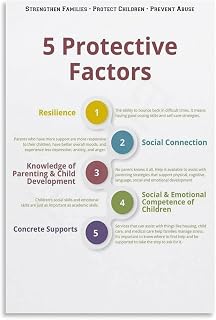
- Strong social connections: Having supportive relationships with family, friends, and community can enhance mental well-being
- Healthy coping mechanisms: Engaging in activities like exercise, meditation, or hobbies can help manage stress and emotions
- Access to healthcare: Regular check-ups and timely treatment can prevent mental health issues from escalating
- Positive self-esteem: A healthy sense of self-worth and confidence can protect against negative thoughts and behaviors
- Safe and stable environment: Living in a secure, comfortable setting can reduce stress and promote mental health

Strong social connections: Having supportive relationships with family, friends, and community can enhance mental well-being
Social connections play a pivotal role in safeguarding mental health. Research indicates that individuals with robust support networks are better equipped to handle stress, anxiety, and other mental health challenges. This is due to the emotional support, practical assistance, and sense of belonging that these relationships provide.
One key aspect of strong social connections is the quality of relationships rather than quantity. A small circle of close, trusted friends and family members can be more beneficial than a large network of acquaintances. These intimate relationships offer a safe space for individuals to express their feelings, seek advice, and receive unconditional support.
Moreover, community involvement can also contribute to mental well-being. Participating in local groups, volunteering, or joining clubs can help individuals feel connected to a larger social fabric. This sense of community can foster feelings of purpose and belonging, which are essential for maintaining good mental health.
In addition to emotional support, social connections can provide practical benefits. For instance, friends and family members can offer help with daily tasks, childcare, or financial assistance during difficult times. This practical support can alleviate stress and allow individuals to focus on their mental health.
Furthermore, social connections can encourage healthy behaviors. Individuals with strong support networks are more likely to engage in physical activities, maintain a balanced diet, and avoid harmful substances. These healthy habits can have a positive impact on mental health and reduce the risk of developing mental health issues.
In conclusion, strong social connections are a vital protective factor for mental health. By providing emotional support, practical assistance, and a sense of belonging, these relationships can enhance mental well-being and help individuals navigate life's challenges more effectively.
Exploring the Link Between Mental Health and Sun Sensitivity
You may want to see also
Explore related products

$19.83 $21.95

$9.99 $12.99

$0.99 $12.99


Healthy coping mechanisms: Engaging in activities like exercise, meditation, or hobbies can help manage stress and emotions
Engaging in regular physical activity is a powerful coping mechanism that can significantly reduce stress and anxiety levels. Exercise releases endorphins, which are natural mood elevators, and helps to reduce the production of stress hormones like cortisol. Aim for at least 30 minutes of moderate-intensity exercise, such as brisk walking, cycling, or swimming, most days of the week. Not only will this improve your mental health, but it will also have numerous physical health benefits.
Meditation is another effective coping strategy that can help to calm the mind and reduce feelings of overwhelm. By focusing on the present moment and practicing mindfulness, you can learn to manage your emotions more effectively and develop a greater sense of inner peace. Start with just a few minutes of meditation each day and gradually increase the duration as you become more comfortable with the practice. There are many guided meditation apps and online resources available to help you get started.
Pursuing hobbies and creative interests can also be a valuable way to manage stress and emotions. Engaging in activities that you enjoy and that challenge you can help to take your mind off of daily worries and provide a sense of accomplishment and fulfillment. Whether it's painting, playing an instrument, gardening, or cooking, make time for activities that bring you joy and help you to relax.
In addition to these specific coping mechanisms, it's important to prioritize self-care and maintain a healthy work-life balance. Make sure to get enough sleep, eat a balanced diet, and limit your intake of alcohol and caffeine, as these can all impact your mental health. Reach out to friends and family for support when you need it, and don't hesitate to seek professional help if you're struggling with your mental health.
Remember, developing healthy coping mechanisms takes time and practice. Be patient with yourself and experiment with different activities and strategies to find what works best for you. By incorporating these practices into your daily routine, you can build resilience and better manage stress and emotions, ultimately improving your overall mental health and well-being.
Navigating Resignation: When to Disclose Mental Health Concerns to Your Boss
You may want to see also
Explore related products


Access to healthcare: Regular check-ups and timely treatment can prevent mental health issues from escalating
Regular health check-ups play a crucial role in maintaining mental well-being by identifying and addressing potential issues before they become severe. These check-ups can include both physical and mental health screenings, which are essential for early detection of conditions like depression, anxiety, and stress-related disorders. Early intervention often leads to better outcomes, as treatments can be more effective when started sooner.
Timely treatment is equally important in preventing the escalation of mental health issues. This can involve a range of interventions, from medication and therapy to lifestyle changes and support groups. Access to these treatments can significantly reduce the risk of complications and improve quality of life. For instance, cognitive-behavioral therapy (CBT) has been shown to be effective in treating anxiety and depression, while medication can help manage symptoms and stabilize mood.
In addition to professional help, regular check-ups can also encourage individuals to take a more proactive approach to their mental health. By monitoring their well-being and seeking help when needed, individuals can develop better coping strategies and resilience. This can involve practices like mindfulness, exercise, and maintaining a healthy diet, all of which have been linked to improved mental health outcomes.
Furthermore, access to healthcare can address social determinants of mental health, such as socioeconomic status and access to education. By ensuring that all individuals have access to quality healthcare, regardless of their background, we can help reduce disparities in mental health outcomes. This can involve policy changes, community programs, and outreach initiatives aimed at increasing access to mental health services.
In conclusion, regular check-ups and timely treatment are essential protective factors for mental health issues. By identifying and addressing potential problems early on, we can prevent conditions from escalating and improve overall well-being. This requires a multifaceted approach that includes both professional interventions and individual actions, as well as broader societal changes to ensure equitable access to healthcare.
Understanding the Severity of Mental Health Issues: A Comprehensive Overview
You may want to see also
Explore related products


Positive self-esteem: A healthy sense of self-worth and confidence can protect against negative thoughts and behaviors
Positive self-esteem serves as a robust protective factor against mental health issues by fostering a healthy sense of self-worth and confidence. This psychological asset enables individuals to view themselves in a positive light, which can mitigate the impact of negative thoughts and behaviors. Research indicates that high self-esteem is associated with better mental health outcomes, including reduced symptoms of depression and anxiety.
One key mechanism through which positive self-esteem exerts its protective influence is by enhancing resilience. Individuals with high self-esteem are more likely to perceive challenges as opportunities for growth rather than threats to their self-worth. This adaptive mindset allows them to cope more effectively with stressors and setbacks, reducing the likelihood of developing mental health problems.
Moreover, positive self-esteem can lead to healthier interpersonal relationships. When individuals feel good about themselves, they are more likely to engage in social interactions that are mutually respectful and supportive. This, in turn, can provide a buffer against mental health issues by fostering a sense of belonging and social support.
To cultivate positive self-esteem, it is essential to practice self-compassion and self-care. This may involve setting realistic goals, celebrating achievements, and reframing negative self-talk into more positive and constructive statements. Additionally, seeking support from mental health professionals or engaging in self-esteem-building activities, such as assertiveness training or mindfulness practices, can be beneficial.
In conclusion, positive self-esteem is a vital protective factor for mental health issues. By promoting resilience, healthy relationships, and adaptive coping strategies, it can help individuals navigate life's challenges more effectively and reduce the risk of developing mental health problems.
Empowering Educators: A Guide to Discussing Mental Health Issues
You may want to see also
Explore related products




Safe and stable environment: Living in a secure, comfortable setting can reduce stress and promote mental health
A safe and stable environment is a cornerstone of good mental health. When individuals feel secure in their surroundings, they are less likely to experience the chronic stress that can lead to mental health issues such as anxiety and depression. This sense of safety can be derived from various factors, including physical security, financial stability, and social support. For instance, having a reliable roof over one's head, access to nutritious food, and a supportive community can all contribute to a feeling of stability that promotes mental wellbeing.
Creating a comfortable living setting also plays a crucial role in reducing stress. Comfort can be subjective, but it often includes elements such as a clean and organized living space, adequate sleep, and leisure activities that bring joy and relaxation. By prioritizing comfort, individuals can create an environment that fosters resilience against the challenges and stressors of daily life.
Moreover, a stable environment can provide a sense of control and predictability, which is essential for mental health. When people know what to expect from their surroundings, they are better equipped to manage life's uncertainties. This predictability can be especially important for children and adolescents, as it helps them develop a sense of security that can carry into adulthood.
In addition to the individual benefits, a safe and stable environment can have a positive impact on the mental health of entire communities. Neighborhoods with low crime rates, good schools, and accessible healthcare services can create a collective sense of security and wellbeing. This, in turn, can lead to stronger social bonds and a greater sense of community, which are protective factors against mental health issues.
To promote mental health through environmental stability, it is important to address the systemic issues that can lead to insecurity and stress. This includes advocating for policies that support affordable housing, access to healthcare, and community development. By creating a society that prioritizes safety and stability, we can foster an environment that is conducive to good mental health for all.
Empowering Strategies to Overcome Mental Health Challenges and Thrive
You may want to see also
Frequently asked questions
Protective factors for mental health issues include having a strong support network, maintaining a healthy lifestyle, practicing stress management techniques, and fostering a positive mindset.
Social connections play a crucial role in mental health by providing emotional support, reducing feelings of loneliness, and increasing overall well-being. Strong relationships with friends and family can help individuals cope with stress and adversity.
Regular physical activity has been shown to have numerous benefits for mental health, including reducing symptoms of depression and anxiety, improving mood, and enhancing cognitive function. Exercise can also promote better sleep and overall well-being.
Effective stress management techniques include mindfulness meditation, deep breathing exercises, progressive muscle relaxation, and engaging in hobbies or activities that bring joy and relaxation. Developing healthy coping mechanisms can help individuals better manage stress and protect their mental health.