Ava Ramirez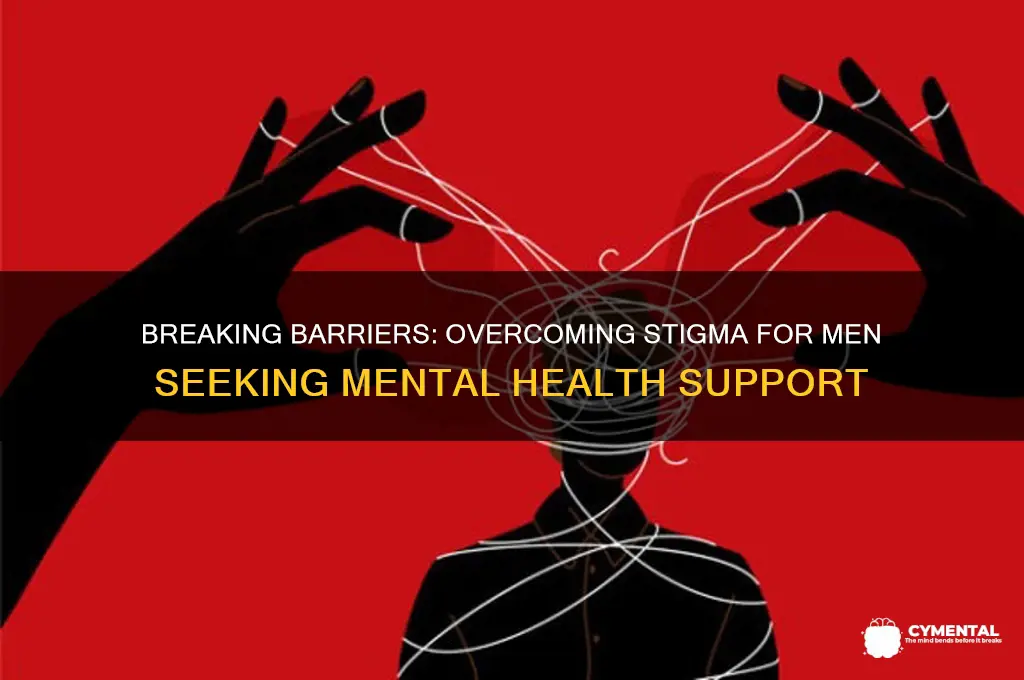
Stigma surrounding men seeking mental health support remains a pervasive barrier, deeply rooted in societal expectations of masculinity that equate emotional vulnerability with weakness. Traditional gender norms often pressure men to suppress their feelings, prioritize self-reliance, and maintain a facade of strength, discouraging them from acknowledging mental health struggles or seeking help. Fear of judgment, ridicule, or being perceived as less of a man further deters many from accessing care. Additionally, systemic biases in mental health services, which often cater more to women, can alienate men, while a lack of male-focused resources and role models perpetuates the cycle of silence. These intersecting factors create a culture where men are more likely to suffer in isolation, leading to untreated conditions, worsening outcomes, and, in extreme cases, tragic consequences like suicide. Addressing this stigma requires challenging outdated notions of masculinity, fostering open conversations, and creating inclusive, accessible mental health systems that encourage men to prioritize their well-being without fear of shame or rejection.
Explore related products

$7.84 $14.99


What You'll Learn

Societal expectations of masculinity
Men are often socialized to embody traits like stoicism, self-reliance, and emotional restraint, which can create a formidable barrier to seeking mental health support. These societal expectations of masculinity dictate that men should be strong, unyielding, and capable of handling problems on their own. As a result, admitting vulnerability or seeking help is frequently perceived as a sign of weakness, contradicting the very essence of what it means to be a "real man" in many cultural narratives. This internalized belief system can lead to men suppressing their emotions, avoiding conversations about mental health, and delaying or forgoing treatment altogether.
Consider the workplace, where men are often expected to prioritize productivity and competitiveness above all else. A 2019 study published in the *Journal of Men's Studies* found that men who exhibited emotional vulnerability at work were more likely to face negative consequences, such as being passed over for promotions or losing respect among colleagues. This professional environment reinforces the idea that showing emotional distress is incompatible with success, further discouraging men from acknowledging their mental health struggles. Practical steps to counteract this include fostering workplace cultures that explicitly value emotional well-being and providing training for managers to recognize and address mental health issues without stigma.
The media also plays a significant role in perpetuating narrow definitions of masculinity. From action heroes who never falter to advertisements featuring men as stoic providers, these portrayals reinforce the idea that emotional expression is unmasculine. For instance, a content analysis of popular films over the past decade revealed that male characters were three times more likely to solve problems through physical action than through emotional dialogue or seeking help. To challenge this, media creators can intentionally depict men seeking therapy, expressing emotions, or relying on support networks as normal and even heroic behaviors.
Breaking free from these societal expectations requires a multifaceted approach. One effective strategy is peer-led initiatives that redefine masculinity to include emotional openness and vulnerability. Programs like *HeadsUpGuys* in Canada and *Man Up Campaign* in the U.S. use male role models to share personal stories of seeking mental health support, normalizing the behavior for others. Additionally, schools and community organizations can implement curricula that teach emotional literacy from a young age, specifically targeting boys and young men to dismantle harmful stereotypes before they become ingrained.
Ultimately, societal expectations of masculinity are not immutable; they are constructed and can be deconstructed. By challenging these norms through education, media representation, and community action, we can create an environment where men feel empowered to seek mental health help without fear of judgment. The takeaway is clear: redefining masculinity to include vulnerability is not just a personal act of courage—it’s a collective responsibility that can save lives.
Boost Your Mental Health: Self-Care Strategies for Everyday Wellness
You may want to see also
Explore related products


$12.9 $16.99



Fear of being perceived as weak
One of the most pervasive barriers preventing men from seeking mental health support is the deeply ingrained fear of being perceived as weak. This fear is not merely a personal concern but a reflection of societal expectations that equate masculinity with stoicism, resilience, and emotional invulnerability. Men are often conditioned from a young age to suppress vulnerability, with phrases like "man up" or "boys don’t cry" reinforcing the idea that emotional expression is a sign of inadequacy. This internalized belief creates a psychological barrier, making it difficult for men to acknowledge their struggles, let alone seek help.
Consider the workplace, where men are frequently expected to embody traits like decisiveness, strength, and self-reliance. Admitting to mental health challenges in such an environment can be seen as a threat to professional credibility. For instance, a manager struggling with anxiety might avoid seeking therapy for fear that colleagues or superiors will question their ability to lead. This fear is not unfounded; studies show that men who disclose mental health issues often face stigmatization, including being passed over for promotions or marginalized in team dynamics. The result is a culture of silence, where men suffer in isolation rather than risk their perceived status.
The fear of weakness is also amplified by media portrayals of masculinity. Films, advertisements, and sports narratives often glorify the "strong, silent type," reinforcing the idea that true men handle problems alone. This cultural messaging seeps into personal identity, making it difficult for men to reconcile their struggles with the idealized version of masculinity they’ve been taught to aspire to. For example, a young man battling depression might feel he’s failing to live up to the heroic, self-sufficient figures he sees on screen, further discouraging him from reaching out for help.
Breaking this cycle requires a shift in perspective—both individually and collectively. Men must be encouraged to redefine strength as the courage to confront vulnerability, not the ability to endure it silently. Practical steps include fostering open conversations about mental health within male-dominated spaces, such as sports teams, workplaces, or social groups. Role models, whether celebrities or community leaders, can play a crucial role by sharing their own experiences with mental health struggles, normalizing the act of seeking help. Additionally, organizations can implement policies that explicitly support mental health, such as offering confidential counseling services or providing mental health days without stigma.
Ultimately, the fear of being perceived as weak is a symptom of a larger problem: a narrow, outdated definition of masculinity. By challenging this definition and promoting a more inclusive understanding of strength, society can create an environment where men feel safe to seek the support they need. This isn’t just about individual well-being—it’s about fostering healthier relationships, workplaces, and communities for everyone.
Supporting Your 34-Week Baby's Mental Growth: Essential Tips and Strategies
You may want to see also
Explore related products

$13.29 $16.99


Lack of awareness about mental health
Men often struggle to recognize the signs of mental health issues, mistaking symptoms like irritability, fatigue, or withdrawal as mere stress or temporary setbacks. This lack of awareness stems from a societal tendency to equate mental health solely with extreme conditions like depression or anxiety, ignoring subtler indicators such as changes in sleep patterns, appetite, or productivity. For instance, a man experiencing persistent difficulty concentrating at work might attribute it to burnout rather than an underlying anxiety disorder. This misattribution delays intervention and exacerbates the problem, as untreated mental health issues can spiral into more severe consequences, including physical health decline or strained relationships.
Compounding this issue is the scarcity of targeted education on men’s mental health. Traditional health campaigns often overlook gender-specific symptoms and coping mechanisms, leaving men unequipped to identify or address their struggles. For example, while women are more likely to report feelings of sadness, men often express depression through anger or aggression—behaviors that are frequently dismissed as personality traits rather than cries for help. Schools, workplaces, and media platforms rarely emphasize these distinctions, perpetuating a cycle of ignorance. A practical step to combat this would be integrating gender-specific mental health modules into corporate wellness programs or school curricula, using relatable examples to illustrate how mental health manifests differently across genders.
The digital age offers tools to bridge this awareness gap, yet many men remain unaware of their existence. Apps like Calm or Headspace provide accessible resources for stress management and mindfulness, but their marketing often skews toward a female audience, deterring male engagement. Similarly, online forums or support groups tailored to men’s mental health, such as Movember’s community platforms, are underutilized due to lack of visibility. Encouraging men to explore these resources requires targeted outreach—for instance, partnering with sports teams or male-dominated industries to promote these tools in familiar contexts. Even something as simple as a workplace email highlighting a mental health app can normalize its use.
Ultimately, addressing the awareness gap demands a shift in how mental health is framed for men. Instead of focusing solely on vulnerability, campaigns should emphasize resilience and strength—traits traditionally associated with masculinity. For example, reframing therapy as a tool for self-improvement rather than a sign of weakness can make it more appealing. Similarly, sharing stories of high-profile men who’ve openly addressed their mental health struggles, like athletes or CEOs, can dismantle stereotypes and inspire action. By aligning mental health care with values men already hold dear, such as problem-solving or personal growth, society can foster a culture where seeking help is seen not as a failure, but as a proactive step toward well-being.
Supporting Your Depressed Child: A Guide to Seeking Mental Health Care
You may want to see also
Explore related products

$9.83 $16.99


Limited role models seeking help
Men often look to their peers and public figures for cues on acceptable behavior, yet few prominent male role models openly discuss seeking mental health support. This absence creates a void in the narrative around vulnerability and self-care, leaving many men to believe that asking for help is a sign of weakness. For instance, while celebrities like Dwayne “The Rock” Johnson have spoken about therapy, such examples remain rare compared to the pervasive image of stoicism in male-dominated industries like sports, business, and entertainment. Without visible examples of men thriving after seeking help, the stigma persists, reinforced by a culture that equates silence with strength.
Consider the impact of a high-profile athlete sharing their mental health journey during a press conference or a CEO discussing therapy in a corporate setting. Such actions could normalize the conversation, but they are exceptions rather than the rule. The scarcity of these narratives leaves younger men, particularly those aged 18–35, without a blueprint for how to navigate emotional struggles. Research shows that this demographic is among the least likely to seek mental health services, partly due to the lack of relatable figures who model healthy coping mechanisms. Without these role models, the cycle of silence continues, perpetuating the stigma.
To address this gap, organizations and media platforms can play a pivotal role by amplifying stories of men who have sought help. For example, campaigns featuring everyday men sharing their experiences with therapy or support groups could humanize the process and make it more accessible. Schools and workplaces could integrate programs that highlight male leaders who prioritize mental well-being, offering tangible examples for others to follow. Even small steps, like featuring diverse male role models in mental health awareness materials, can begin to shift societal norms.
However, caution must be taken to avoid tokenism or superficial representation. Simply showcasing one or two men’s stories is not enough; the goal should be to create a sustained dialogue that reflects the diversity of male experiences. For instance, including voices from different racial, cultural, and socioeconomic backgrounds ensures that the message resonates broadly. Additionally, role models should not be portrayed as having “overcome” mental health challenges but rather as individuals who actively manage their well-being, emphasizing that seeking help is an ongoing process, not a one-time fix.
In conclusion, the limited number of male role models openly seeking mental health support is a significant barrier to reducing stigma. By strategically highlighting diverse examples and fostering authentic conversations, society can begin to dismantle the notion that vulnerability is incompatible with masculinity. This shift will not happen overnight, but every visible act of a man seeking help—whether a celebrity or a coworker—moves the needle toward a culture where asking for support is seen as a sign of strength, not weakness.
Social Media's Positive Impact: Boosting Youth Mental Health and Well-being
You may want to see also
Explore related products


Stigma in workplace environments
Workplace cultures often perpetuate stigma by equating mental health struggles with weakness, directly discouraging men from seeking support. A 2019 study by Mind found that 50% of men feared being treated differently at work if they disclosed mental health issues. This perception isn’t baseless; phrases like “toughen up” or “man up” are still commonplace in professional settings, reinforcing toxic masculinity. Such environments foster silence, where men internalize their struggles rather than risk career repercussions or social ostracization.
Consider the unspoken rules of many workplaces: productivity is king, and emotional vulnerability is seen as a liability. For instance, a manager might overlook an employee consistently working overtime despite burnout, praising their dedication instead of addressing the underlying issue. This normalization of overwork not only masks mental health problems but also sets a dangerous precedent. Practical steps to counter this include implementing mandatory mental health training for managers, ensuring they recognize signs of distress and respond empathetically.
A comparative analysis reveals that industries with high physical risk, like construction or manufacturing, often have the most rigid stigma. In these sectors, mental health conversations are virtually nonexistent, partly due to the “strong and silent” archetype ingrained in the culture. However, progressive companies are breaking this mold. For example, construction firm Lendlease introduced peer support programs where workers trained as mental health first aiders provide confidential assistance. Such initiatives prove that even the toughest environments can evolve with intentional effort.
To dismantle stigma, workplaces must adopt policies that prioritize mental health without penalizing honesty. Start by anonymizing employee assistance programs (EAPs) to encourage usage. Incorporate flexible work arrangements to reduce burnout, and publicly celebrate leaders who share their mental health journeys. Caution: avoid token gestures like one-off wellness days; sustained, systemic change is key. By reframing mental health as a collective responsibility, workplaces can become safe spaces for men to seek help without fear of judgment or career setbacks.
Mastering Mental Math: Boosting Speed, Accuracy, and Everyday Problem-Solving Skills
You may want to see also
Frequently asked questions
Societal expectations of masculinity often pressure men to be strong, self-reliant, and emotionally stoic. Seeking help for mental health issues can be seen as a sign of weakness, leading to fear of judgment or rejection, which deters many men from accessing support.
Workplace cultures that prioritize productivity and toughness often discourage open discussions about mental health. Men may fear being perceived as less competent or reliable if they disclose their struggles, creating a barrier to seeking help.
Men may internalize societal stigma, believing that seeking help is a personal failure or that they should handle their issues alone. This self-stigma can lead to feelings of shame and guilt, preventing them from reaching out for assistance.
Limited representation of men discussing mental health in media and public discourse perpetuates the stigma. Without visible role models or awareness campaigns, men may feel isolated or unsure about where to turn for help, further discouraging them from seeking support.