Madison Cole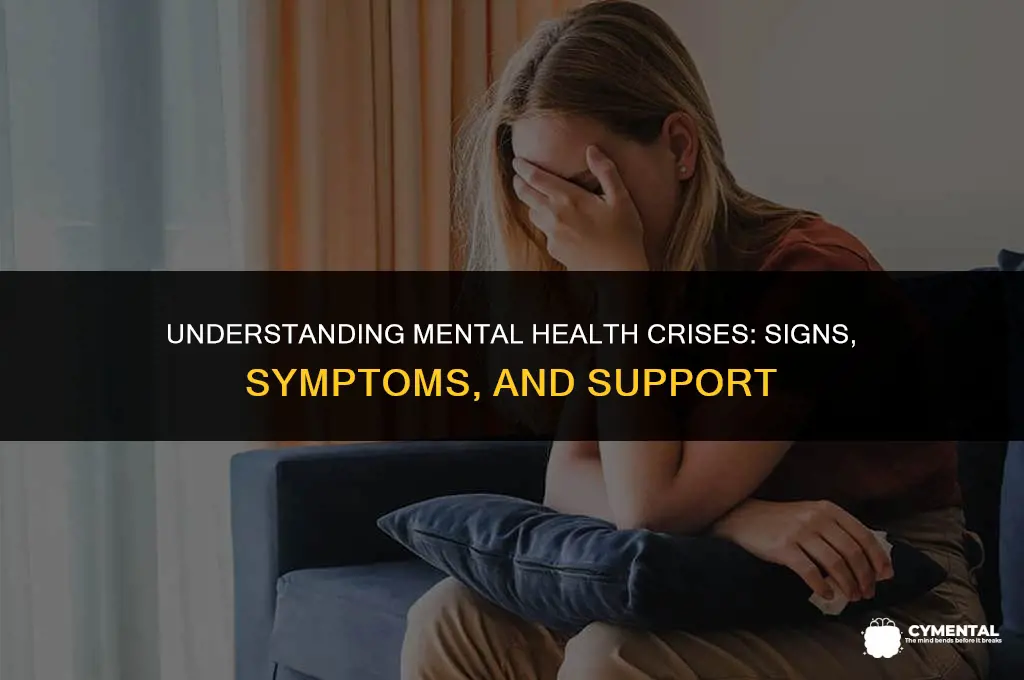
A mental health crisis refers to a situation where an individual's mental well-being is at significant risk, and they may be experiencing intense emotional distress or psychological turmoil. This can manifest in various ways, such as suicidal thoughts, self-harm, psychosis, severe anxiety, or depression. During a mental health crisis, a person may struggle to cope with daily life, experience a decline in their ability to function, or feel overwhelmed by their emotions. It is essential to recognize the signs of a mental health crisis and seek appropriate support, as timely intervention can be crucial in preventing further harm and promoting recovery.
Explore related products


What You'll Learn
- Severe Depression: Persistent feelings of sadness, hopelessness, and loss of interest in activities
- Anxiety Disorders: Excessive worry, fear, or anxiety that interferes with daily life and relationships
- Psychosis: Detachment from reality, including hallucinations, delusions, and disorganized thinking
- Suicidal Thoughts: Serious considerations or plans to end one's life, often accompanied by a sense of helplessness
- Panic Attacks: Sudden, intense episodes of fear or discomfort, often with physical symptoms like rapid heartbeat

Severe Depression: Persistent feelings of sadness, hopelessness, and loss of interest in activities
Severe depression is characterized by a pervasive and persistent sense of sadness, hopelessness, and a significant loss of interest in activities that were once enjoyable. This condition represents a mental health crisis due to its potential to severely impair an individual's ability to function in daily life, maintain relationships, and even sustain employment. Unlike temporary feelings of sadness or grief, severe depression is a chronic condition that can last for months or even years if left untreated.
One of the key indicators of severe depression is the presence of suicidal thoughts or behaviors. Individuals experiencing such thoughts should seek immediate professional help, as they are at a heightened risk of self-harm. Other symptoms that may accompany severe depression include changes in appetite, sleep disturbances, fatigue, difficulty concentrating, and physical symptoms such as headaches or stomachaches. These symptoms can further exacerbate the individual's distress and impairment, making it crucial to address the condition promptly.
Treatment for severe depression typically involves a combination of psychotherapy and medication. Cognitive-behavioral therapy (CBT) is a common form of psychotherapy that helps individuals identify and change negative thought patterns and behaviors. Medications such as selective serotonin reuptake inhibitors (SSRIs) or tricyclic antidepressants may also be prescribed to help alleviate symptoms. In some cases, hospitalization may be necessary to ensure the individual's safety and provide intensive treatment.
It is important to note that severe depression can affect anyone, regardless of age, gender, or socioeconomic status. However, certain populations may be at a higher risk, including individuals with a family history of depression, those who have experienced trauma, or those with chronic medical conditions. By recognizing the signs and symptoms of severe depression and seeking appropriate treatment, individuals can take the first step towards recovery and regaining control of their lives.
Effective Strategies for Marketing Mental Health Services
You may want to see also
Explore related products


Anxiety Disorders: Excessive worry, fear, or anxiety that interferes with daily life and relationships
Anxiety disorders are characterized by persistent and excessive worry, fear, or anxiety that significantly impacts an individual's daily life and relationships. This can manifest in various ways, such as generalized anxiety disorder, panic disorder, social anxiety disorder, and specific phobias. Unlike normal feelings of anxiety that come and go, anxiety disorders are chronic and can worsen over time if left untreated.
One unique aspect of anxiety disorders is their ability to interfere with daily functioning. For example, individuals with generalized anxiety disorder may find it difficult to concentrate at work or school, leading to decreased productivity and performance. Those with social anxiety disorder may avoid social situations altogether, which can limit their ability to form and maintain relationships. Panic disorder can be particularly debilitating, as individuals may experience sudden and intense panic attacks that can occur at any time, leading to a constant state of fear and avoidance.
Another important consideration is the physical symptoms that often accompany anxiety disorders. These can include rapid heartbeat, shortness of breath, muscle tension, and gastrointestinal issues. Over time, these physical symptoms can lead to other health problems, such as cardiovascular disease and chronic pain. Therefore, it is essential to address anxiety disorders not only for mental health reasons but also for overall physical well-being.
Treatment for anxiety disorders typically involves a combination of psychotherapy and medication. Cognitive-behavioral therapy (CBT) is a common and effective form of psychotherapy that helps individuals identify and change negative thought patterns and behaviors. Medications such as selective serotonin reuptake inhibitors (SSRIs) and benzodiazepines can also be helpful in managing symptoms. However, it is important to note that medication should be used under the guidance of a healthcare professional, as it can have side effects and may not be suitable for everyone.
In addition to professional treatment, there are several self-help strategies that individuals can use to manage anxiety. These include practicing relaxation techniques such as deep breathing and meditation, engaging in regular physical activity, and maintaining a healthy diet. It is also important to prioritize sleep and to avoid substances such as caffeine and alcohol, which can exacerbate anxiety symptoms.
In conclusion, anxiety disorders are a serious mental health concern that can have a significant impact on daily life and relationships. However, with proper treatment and self-care, individuals can learn to manage their symptoms and improve their overall quality of life. If you or someone you know is struggling with anxiety, it is important to seek help from a healthcare professional or mental health organization.
Navigating Mental Health: The Power of Care Coordination
You may want to see also
Explore related products






Psychosis: Detachment from reality, including hallucinations, delusions, and disorganized thinking
Psychosis represents a significant departure from reality, characterized by a constellation of symptoms that can be profoundly distressing and disruptive. Hallucinations, which are sensory experiences that occur without an external stimulus, can manifest in any sensory modality—seeing things that aren't there, hearing voices, smelling odors, tasting flavors, or feeling sensations on the skin. Delusions are firmly held beliefs that are not based in reality, often involving grandiose, persecutory, or bizarre themes. Disorganized thinking, also known as thought disorder, is evident when a person's thoughts become jumbled, rapid, or tangential, making it difficult to follow their train of thought or to communicate effectively.
In the context of a mental health crisis, psychosis can be particularly alarming because it can lead to behaviors that are dangerous to the individual or others. For instance, a person experiencing persecutory delusions may feel compelled to defend themselves against perceived threats, potentially leading to violent behavior. Conversely, those with grandiose delusions may engage in risky or impulsive actions based on their inflated sense of self-importance or abilities. The disorganized thinking associated with psychosis can also impair a person's ability to care for themselves, manage their daily affairs, or maintain social relationships.
It is crucial to recognize the signs of psychosis early, as prompt intervention can significantly improve outcomes. Treatment typically involves a combination of antipsychotic medications and psychotherapy, aimed at reducing symptoms and helping the individual to regain a foothold in reality. In some cases, hospitalization may be necessary to ensure the person's safety and to provide intensive treatment. Support from family, friends, and community resources can also play a vital role in the recovery process, offering emotional support and practical assistance as the individual navigates their journey back to mental health stability.
In summary, psychosis is a serious mental health condition that requires immediate attention and comprehensive treatment. By understanding the symptoms and seeking help promptly, individuals experiencing psychosis can receive the care they need to manage their condition and improve their quality of life.
Mindful May: Engaging Activities for Mental Health Awareness Month
You may want to see also
Explore related products


Suicidal Thoughts: Serious considerations or plans to end one's life, often accompanied by a sense of helplessness
Suicidal thoughts are a critical component of what constitutes a mental health crisis. These thoughts can manifest as serious considerations or plans to end one's life, often accompanied by a profound sense of helplessness. It is essential to recognize that suicidal ideation is not just a fleeting thought but a symptom of underlying mental health issues that require immediate attention.
One unique angle to consider is the role of social isolation in exacerbating suicidal thoughts. Research indicates that individuals who experience prolonged periods of loneliness or social disconnection are at a higher risk of developing suicidal ideation. This is because social support networks play a crucial role in mitigating feelings of helplessness and providing a sense of belonging. When these networks are absent or weakened, individuals may feel more overwhelmed by their struggles, leading to a greater likelihood of suicidal thoughts.
Another important consideration is the impact of untreated mental health conditions on suicidal ideation. Conditions such as depression, anxiety, and bipolar disorder can significantly increase the risk of suicidal thoughts if left untreated. It is crucial for individuals experiencing these conditions to seek professional help and adhere to their treatment plans. Additionally, healthcare providers must be vigilant in monitoring patients for signs of suicidal ideation and adjusting their treatment strategies accordingly.
In terms of practical steps, it is vital to know how to respond if someone expresses suicidal thoughts. Listening without judgment, offering emotional support, and helping the individual connect with mental health resources can be life-saving. It is also important to follow up with the individual to ensure they are receiving the help they need.
In conclusion, suicidal thoughts are a serious indicator of a mental health crisis, often linked to social isolation and untreated mental health conditions. Recognizing the signs, providing support, and ensuring access to professional help are critical steps in addressing this issue and preventing tragic outcomes.
Canceling Your Breeze Mental Health Subscription: A Step-by-Step Guide
You may want to see also
Explore related products


$18.08 $32.99


Panic Attacks: Sudden, intense episodes of fear or discomfort, often with physical symptoms like rapid heartbeat
Panic attacks are sudden, intense episodes of fear or discomfort that can strike without warning. They are often accompanied by physical symptoms such as a rapid heartbeat, shortness of breath, trembling, and sweating. These attacks can be so overwhelming that they may lead individuals to believe they are having a heart attack or losing control.
One unique aspect of panic attacks is their tendency to create a cycle of fear. Individuals who experience panic attacks may develop a fear of having another attack, which can lead to avoidance behaviors and a significant impact on daily life. This fear can be so debilitating that it may prevent people from leaving their homes, driving, or engaging in social activities.
Panic attacks can also be a symptom of other mental health conditions, such as anxiety disorders, depression, or post-traumatic stress disorder (PTSD). In some cases, they may be triggered by specific situations or events, such as public speaking, heights, or enclosed spaces. However, they can also occur spontaneously, without any apparent trigger.
It is essential to recognize that panic attacks are treatable. Cognitive-behavioral therapy (CBT) and medication are effective treatments for panic disorder. CBT helps individuals identify and challenge negative thought patterns and behaviors that contribute to panic attacks. Medications, such as selective serotonin reuptake inhibitors (SSRIs) and benzodiazepines, can help reduce the frequency and severity of panic attacks.
In addition to professional treatment, there are several self-help strategies that individuals can use to manage panic attacks. These include practicing relaxation techniques, such as deep breathing and progressive muscle relaxation, and engaging in regular physical activity. It is also important to maintain a healthy lifestyle, including a balanced diet and adequate sleep, as these factors can influence the frequency and severity of panic attacks.
In conclusion, panic attacks are a serious mental health concern that can significantly impact an individual's quality of life. However, with proper treatment and self-help strategies, it is possible to manage and overcome panic attacks. If you or someone you know is experiencing panic attacks, it is essential to seek professional help and support.
Unveiling the Truth: Men's Mental Health Matters Every Day
You may want to see also
Frequently asked questions
Common signs of a mental health crisis include sudden changes in behavior, mood swings, increased anxiety or depression, withdrawal from social activities, changes in sleep or appetite, and expressions of hopelessness or suicidal thoughts.
If you suspect someone is experiencing a mental health crisis, it's important to approach them with empathy and support. Listen to their concerns without judgment, encourage them to seek professional help, and offer to accompany them to appointments. In emergency situations, contact local crisis services or emergency numbers.
If you're experiencing a mental health crisis, reach out to a trusted friend or family member for support. Contact your healthcare provider or a mental health professional for guidance. In urgent situations, call a crisis hotline or go to the nearest emergency room. Remember, seeking help is a sign of strength.
Yes, certain events or situations can trigger a mental health crisis, such as the loss of a loved one, a traumatic event, a major life change, or chronic stress. It's important to be aware of these potential triggers and to seek support if you're struggling to cope.