Caleb Wright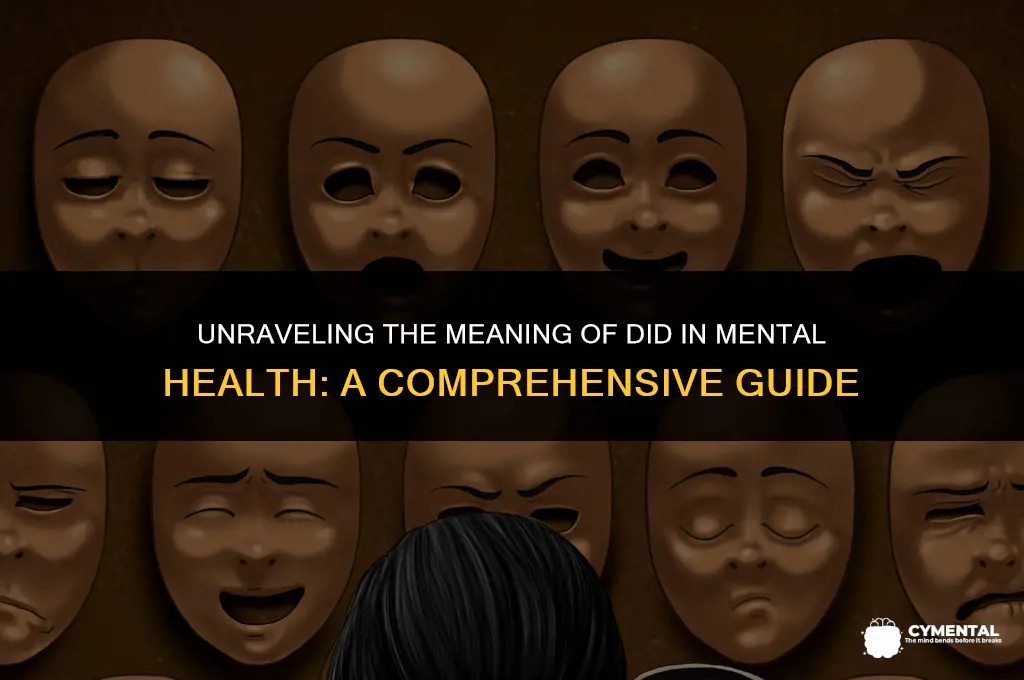
Dissociative Identity Disorder (DID), previously known as Multiple Personality Disorder, is a complex mental health condition characterized by the presence of two or more distinct identities or personality states within an individual. These identities may have their own unique behaviors, memories, and ways of interacting with the world, often leading to significant distress and impairment in daily functioning. DID is typically associated with a history of severe trauma, such as physical or sexual abuse, and is often accompanied by other mental health conditions like depression, anxiety, and post-traumatic stress disorder. Understanding DID is crucial for providing appropriate support and treatment to those affected by this challenging condition.
Explore related products


What You'll Learn
- Definition: DID stands for Dissociative Identity Disorder, a mental health condition characterized by multiple identities
- Symptoms: Common symptoms include memory loss, identity confusion, and experiencing different personalities
- Causes: Often linked to childhood trauma, abuse, or neglect, leading to dissociation as a coping mechanism
- Diagnosis: Diagnosed through clinical interviews, psychological evaluations, and ruling out other conditions
- Treatment: Typically involves psychotherapy, cognitive-behavioral therapy, and sometimes medication to manage symptoms

Definition: DID stands for Dissociative Identity Disorder, a mental health condition characterized by multiple identities
Dissociative Identity Disorder (DID) is a complex mental health condition that is often misunderstood. At its core, DID is characterized by the presence of multiple identities within a single individual. These identities, sometimes referred to as alters, can be quite distinct from one another, each with its own personality traits, memories, and even physical characteristics. The condition is a form of dissociative disorder, which means that it involves a disruption in the normal integration of consciousness, memory, identity, emotion, perception, body representation, motor control, and behavior.
One of the key features of DID is the phenomenon of identity switching. This can happen suddenly and without warning, leaving the individual feeling disoriented and confused. The switches can be triggered by various factors, including stress, trauma, or even seemingly innocuous events. During a switch, the individual may experience a sudden change in their sense of self, as if they have been hijacked by another personality. This can be a frightening and overwhelming experience, both for the individual with DID and for those around them.
DID is often associated with a history of trauma, particularly childhood abuse or neglect. The condition is thought to develop as a coping mechanism, allowing the individual to dissociate from the traumatic experiences and create separate identities to deal with different aspects of their life. However, DID can also occur without a clear history of trauma, and the exact causes of the condition are still not fully understood.
Diagnosing DID can be challenging, as the symptoms can be similar to those of other mental health conditions, such as schizophrenia or borderline personality disorder. A thorough evaluation by a mental health professional is necessary to make an accurate diagnosis. Treatment for DID typically involves a combination of psychotherapy, medication, and support groups. The goal of treatment is to help the individual integrate their multiple identities and develop a more cohesive sense of self.
Living with DID can be a daily struggle, but with the right treatment and support, individuals with the condition can learn to manage their symptoms and lead fulfilling lives. It is important to remember that DID is a real and treatable condition, and that those who suffer from it are not alone.
Exploring Promethazine's Role in Mental Health Treatment
You may want to see also
Explore related products

$15.65 $18.95


Symptoms: Common symptoms include memory loss, identity confusion, and experiencing different personalities
Dissociative Identity Disorder (DID), previously known as Multiple Personality Disorder, is characterized by the presence of two or more distinct identities or personality states that recurrently control an individual's behavior. One of the hallmark symptoms of DID is memory loss, particularly for significant events or periods of time. This amnesia can be retrograde, affecting memories from the past, or anterograde, impacting the ability to form new memories. Identity confusion is another common symptom, where individuals may feel uncertain about their identity or experience a sense of detachment from themselves.
In addition to memory loss and identity confusion, individuals with DID often report experiencing different personalities. These alternate personalities, known as alters, can have distinct characteristics, behaviors, and even physical attributes. The switches between these personalities can be sudden and may occur in response to stress or other triggers. Each alter may have its own unique memories, skills, and emotional responses, further contributing to the complexity of the disorder.
The symptoms of DID can significantly impact an individual's daily life, relationships, and overall functioning. For example, the memory loss associated with DID can lead to difficulties in maintaining employment or personal relationships. The presence of multiple personalities can also result in conflicts between alters, which may manifest as internal struggles or external behaviors that are inconsistent with the individual's usual demeanor.
Diagnosing DID involves a thorough clinical evaluation, often including interviews with the individual and their family members or friends. Clinicians may also use standardized assessment tools to help identify the presence of dissociative symptoms and rule out other potential causes. Treatment for DID typically involves psychotherapy, with a focus on helping the individual understand and manage their symptoms, as well as addressing any underlying trauma or stressors that may be contributing to the disorder.
In conclusion, the symptoms of DID, including memory loss, identity confusion, and experiencing different personalities, can be challenging for individuals to navigate. However, with appropriate diagnosis and treatment, it is possible for those affected by DID to lead fulfilling and stable lives.
Exploring Mental Health Through the Lens of Scripture
You may want to see also
Explore related products


Causes: Often linked to childhood trauma, abuse, or neglect, leading to dissociation as a coping mechanism
Dissociative Identity Disorder (DID), previously known as Multiple Personality Disorder, is a complex mental health condition that is often misunderstood. One of the key factors in the development of DID is childhood trauma, abuse, or neglect. When children experience severe and prolonged trauma, their minds may create multiple identities as a way to cope with the overwhelming emotions and experiences. This dissociation serves as a protective mechanism, allowing the child to compartmentalize their experiences and survive the traumatic events.
The link between childhood trauma and DID is well-established in psychological research. Studies have shown that individuals with DID are more likely to have experienced physical, emotional, or sexual abuse during childhood. The trauma can be so severe that it disrupts the normal development of the child's sense of self, leading to the creation of multiple identities. These identities may emerge as a way to deal with the conflicting emotions and memories associated with the trauma.
It's important to note that DID is not simply a matter of having multiple personalities. The disorder involves a complex interplay of psychological processes, including memory, identity, and consciousness. Individuals with DID may experience significant distress and impairment in their daily lives, as they struggle to integrate their multiple identities and memories.
Treatment for DID often involves a combination of psychotherapy, medication, and support groups. The goal of treatment is to help individuals with DID process their traumatic experiences, integrate their multiple identities, and develop a more stable sense of self. This can be a long and challenging process, but with the right support and treatment, individuals with DID can learn to manage their symptoms and improve their quality of life.
In conclusion, DID is a complex mental health condition that is often linked to childhood trauma, abuse, or neglect. Understanding the causes of DID can help to reduce stigma and improve treatment outcomes for individuals affected by this disorder. By providing support and resources for those with DID, we can help them to heal and reclaim their lives.
Breaking the Silence: Why Mental Health Matters
You may want to see also
Explore related products


Diagnosis: Diagnosed through clinical interviews, psychological evaluations, and ruling out other conditions
Dissociative Identity Disorder (DID), formerly known as Multiple Personality Disorder, is a complex psychiatric condition characterized by the presence of two or more distinct identities or personality states within an individual. These identities may have their own behaviors, memories, and thought processes, often leading to significant distress and impairment in daily functioning.
Diagnosis of DID typically involves a comprehensive clinical evaluation, which includes a thorough review of the patient's medical and psychiatric history, as well as a detailed assessment of their current symptoms and experiences. This process often involves multiple interviews and psychological evaluations, conducted by a trained mental health professional, such as a psychiatrist or psychologist.
One of the key aspects of diagnosing DID is ruling out other potential conditions that may present with similar symptoms. This is known as differential diagnosis and is crucial in ensuring that the patient receives an accurate diagnosis and appropriate treatment. Conditions that may be considered in the differential diagnosis of DID include other dissociative disorders, mood disorders, anxiety disorders, and psychotic disorders.
The diagnostic process for DID can be complex and time-consuming, as it requires a careful and nuanced understanding of the patient's experiences and symptoms. It is essential that the clinician approaches the diagnosis with sensitivity and empathy, recognizing the significant impact that DID can have on an individual's life.
In addition to clinical interviews and psychological evaluations, the diagnosis of DID may also involve the use of standardized assessment tools and questionnaires. These tools can help to provide a more objective measure of the patient's symptoms and experiences, and can assist in supporting the diagnosis.
Ultimately, the diagnosis of DID is a critical step in the treatment and management of this complex condition. By ensuring an accurate and comprehensive diagnosis, mental health professionals can provide the necessary support and interventions to help individuals with DID achieve improved mental health and well-being.
Unlocking Your Potential: A Guide to Becoming a Certified Mental Health Coach
You may want to see also
Explore related products



Treatment: Typically involves psychotherapy, cognitive-behavioral therapy, and sometimes medication to manage symptoms
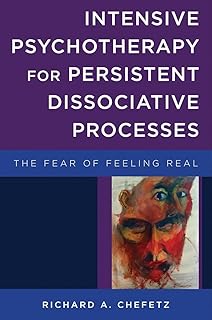
Dissociative Identity Disorder (DID), previously known as Multiple Personality Disorder, is a complex mental health condition characterized by the presence of two or more distinct identities or personality states. Treatment for DID typically involves a combination of psychotherapy, cognitive-behavioral therapy, and sometimes medication to manage symptoms.
Psychotherapy is a crucial component in the treatment of DID. It helps individuals with DID to explore and understand their different identities, and to develop coping strategies for managing the transitions between these identities. Cognitive-behavioral therapy (CBT) is another important therapeutic approach. CBT helps individuals with DID to identify and challenge negative thought patterns and behaviors, and to develop more adaptive ways of thinking and behaving.
Medication can also play a role in the treatment of DID, particularly in managing associated symptoms such as anxiety, depression, and sleep disturbances. Antidepressants, anti-anxiety medications, and mood stabilizers are commonly used. However, medication should always be used in conjunction with psychotherapy and CBT, as it does not address the underlying psychological issues associated with DID.
It is important to note that treatment for DID can be a long and challenging process. Individuals with DID may have experienced significant trauma in their past, and addressing this trauma is a critical part of the healing process. Treatment providers must be patient, empathetic, and skilled in working with complex psychological issues.
In addition to psychotherapy, CBT, and medication, there are other supportive interventions that can be helpful for individuals with DID. These may include art therapy, music therapy, and mindfulness-based interventions. These approaches can help individuals with DID to express themselves, manage stress, and improve their overall well-being.
In conclusion, treatment for DID typically involves a comprehensive approach that includes psychotherapy, CBT, and sometimes medication. It is a complex and challenging process, but with the right support and interventions, individuals with DID can learn to manage their symptoms and improve their quality of life.
Understanding the Duration of Residential Mental Health Treatment
You may want to see also
Frequently asked questions
DID stands for Dissociative Identity Disorder.
The main symptoms of DID include the presence of two or more distinct identities or personality states, memory loss or amnesia, and significant distress or impairment in social, occupational, or other important areas of functioning.
DID is typically diagnosed through a combination of clinical interviews, psychological assessments, and sometimes medical tests to rule out other potential causes of symptoms.
Some common misconceptions about DID include the belief that it is rare, that it is caused by trauma, that individuals with DID are violent, and that it is not a real mental health condition.
Effective treatments for DID include psychotherapy, particularly cognitive-behavioral therapy and dialectical behavior therapy, as well as medication to manage associated symptoms such as depression and anxiety.