Noah Parker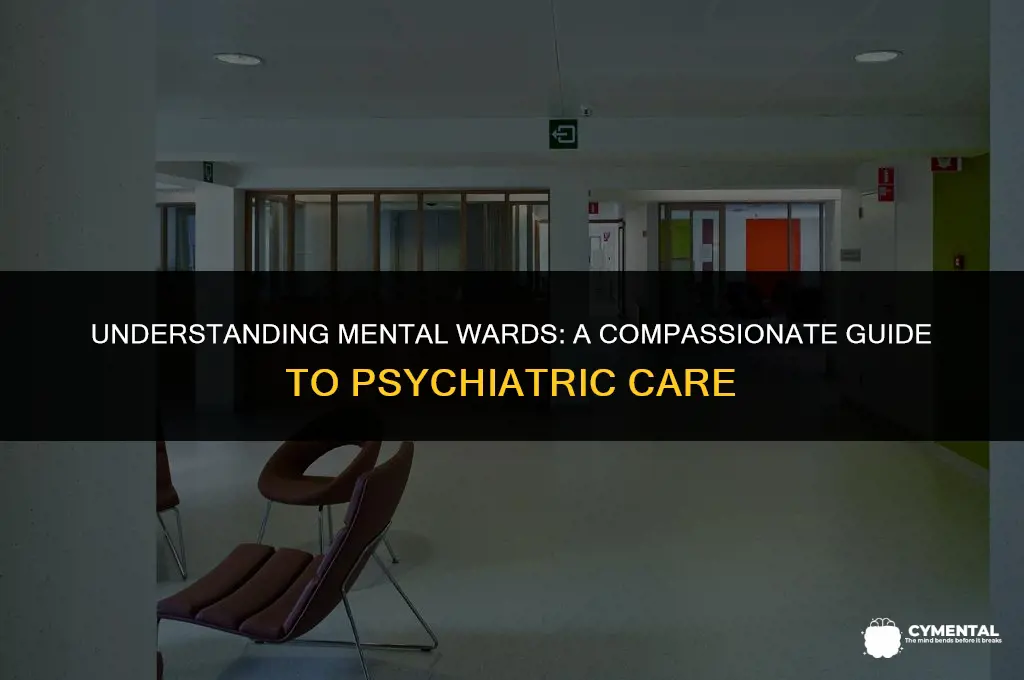
A mental ward, also known as a psychiatric ward or psych ward, is a specialized department within a hospital dedicated to the care and treatment of patients with mental health disorders. These wards provide a safe and controlled environment for individuals experiencing acute psychiatric symptoms, such as severe depression, anxiety, psychosis, or suicidal thoughts. Mental wards are staffed by a multidisciplinary team of healthcare professionals, including psychiatrists, psychologists, nurses, and social workers, who work together to assess, diagnose, and treat patients. Treatment may involve medication, therapy, counseling, and other interventions aimed at stabilizing the patient's condition and promoting recovery. The goal of a mental ward is to provide compassionate care and support to help patients regain their mental well-being and return to their daily lives as soon as possible.
| Characteristics | Values |
|---|---|
| Purpose | A mental ward is a specialized department within a hospital or psychiatric facility designed to provide care and treatment for individuals with mental health disorders. |
| Patient Population | It typically houses patients who require intensive psychiatric care, including those experiencing acute psychosis, severe depression, suicidal ideation, or other critical mental health conditions. |
| Staffing | Mental wards are staffed by a multidisciplinary team, including psychiatrists, psychologists, nurses, social workers, and support staff, all trained to address the complex needs of psychiatric patients. |
| Security Measures | These wards often have heightened security measures to ensure patient and staff safety, such as locked doors, surveillance cameras, and restricted access areas. |
| Treatment Approaches | Treatment in a mental ward may include medication management, individual and group therapy sessions, behavioral interventions, and crisis stabilization techniques. |
| Length of Stay | The duration of stay in a mental ward varies depending on the patient's condition and treatment needs, ranging from short-term stabilization (a few days) to longer-term care (several weeks or months). |
| Facilities and Amenities | Mental wards are equipped with essential medical and psychiatric facilities, including patient rooms, common areas, recreational spaces, and areas for therapeutic activities. |
| Patient Rights | Patients in mental wards have specific rights, including the right to receive appropriate care, the right to confidentiality, and the right to participate in their treatment planning. |
| Discharge Planning | Upon discharge, patients are typically provided with a comprehensive discharge plan, including follow-up appointments, medication regimens, and referrals to community mental health resources. |
| Stigma and Misconceptions | Mental wards are often subject to stigma and misconceptions, portraying them as places of confinement or punishment, rather than centers for healing and support. |
| Historical Context | Historically, mental wards have evolved from asylums and sanitariums, which were often characterized by overcrowding, poor conditions, and inhumane treatment practices. |
| Modern Reforms | Contemporary mental wards strive to provide humane, patient-centered care, with a focus on recovery, rehabilitation, and reintegration into the community. |
| Challenges | Mental wards face ongoing challenges, including staffing shortages, limited resources, and the need to balance patient safety with the provision of a therapeutic environment. |
| Future Directions | ыхThere is a growing trend towards integrating mental health services into general healthcare settings and developing more community-based treatment options to reduce the reliance on inpatient mental wards. |
Explore related products


What You'll Learn
- Definition: A mental ward is a specialized hospital unit for treating mental health disorders
- Purpose: It provides a safe environment for patients to receive intensive psychiatric care and therapy
- Types of Patients: Wards treat individuals with severe mental illnesses, such as schizophrenia, bipolar disorder, and major depression
- Treatment Methods: Treatment includes medication, psychotherapy, group therapy, and sometimes electroconvulsive therapy
- Admission Process: Patients are typically admitted voluntarily or involuntarily, depending on their mental state and risk to themselves or others

Definition: A mental ward is a specialized hospital unit for treating mental health disorders
A mental ward, by definition, is a specialized hospital unit dedicated to the treatment of mental health disorders. This unit is typically staffed by a multidisciplinary team of healthcare professionals, including psychiatrists, psychologists, social workers, and psychiatric nurses. The primary goal of a mental ward is to provide a safe and supportive environment for patients to receive comprehensive care and treatment for their mental health conditions.
The structure and organization of a mental ward can vary depending on the specific needs of the patient population it serves. Some mental wards may focus on short-term crisis intervention, while others may provide longer-term care and rehabilitation. In general, mental wards are designed to promote a therapeutic atmosphere that encourages patients to engage in their treatment and work towards recovery.
One unique aspect of mental wards is the emphasis on creating a milieu that supports the healing process. This may involve the use of various therapeutic activities, such as group therapy, art therapy, and recreational therapy, to help patients develop coping skills and improve their overall well-being. Additionally, mental wards often incorporate elements of environmental design, such as calming colors and natural light, to create a soothing and restorative atmosphere.
Another important feature of mental wards is the focus on patient safety and security. Given the vulnerable nature of the patient population, mental wards are typically equipped with specialized safety features, such as secure doors and windows, to prevent patients from harming themselves or others. Staff members are also trained in crisis management and de-escalation techniques to handle potentially dangerous situations.
In conclusion, a mental ward is a critical component of the mental healthcare system, providing specialized care and treatment for individuals with mental health disorders. By focusing on creating a therapeutic environment, emphasizing patient safety, and offering a range of treatment modalities, mental wards play a vital role in supporting the recovery and well-being of their patients.
Breaking Down Silo Mentality: Strategies for Collaborative Success
You may want to see also
Explore related products


$39.99 $39.99


Purpose: It provides a safe environment for patients to receive intensive psychiatric care and therapy
In the context of mental health care, a mental ward serves as a critical sanctuary for individuals requiring intensive psychiatric treatment and therapy. This specialized facility is designed to offer a secure and supportive environment where patients can receive the necessary care to address their mental health challenges. The primary purpose of a mental ward is to provide a space where patients can be closely monitored, receive medication, and engage in various therapeutic activities under the supervision of trained mental health professionals.
One of the key features of a mental ward is its focus on creating a safe and structured environment. This is essential for patients who may be experiencing severe symptoms of mental illness, such as psychosis, severe depression, or anxiety disorders. The ward's design often includes features that minimize the risk of self-harm or harm to others, such as secure doors, limited access to potentially dangerous objects, and constant supervision by staff.
The therapeutic activities offered in a mental ward are tailored to meet the specific needs of each patient. These may include individual therapy sessions, group therapy, cognitive-behavioral therapy, and other evidence-based treatments. Additionally, patients may participate in recreational activities, such as art therapy, music therapy, or physical exercise, which can help improve their overall well-being and promote a sense of normalcy.
Medication management is another crucial aspect of care provided in a mental ward. Patients may receive a variety of psychiatric medications, such as antipsychotics, antidepressants, or mood stabilizers, to help alleviate their symptoms. The dosage and type of medication are carefully monitored and adjusted by the medical staff to ensure optimal therapeutic effects while minimizing potential side effects.
In conclusion, a mental ward plays a vital role in the treatment and recovery of individuals with severe mental health conditions. By providing a safe, structured, and supportive environment, it enables patients to receive the intensive care and therapy they need to manage their symptoms and improve their quality of life. The dedicated staff, specialized facilities, and comprehensive treatment programs offered in a mental ward are essential components of modern mental health care.
Exploring In-Service Education: Enhancing Skills Within the Workplace
You may want to see also
Explore related products



Types of Patients: Wards treat individuals with severe mental illnesses, such as schizophrenia, bipolar disorder, and major depression
Individuals admitted to mental health wards often suffer from severe and persistent mental illnesses that require intensive treatment and monitoring. These conditions can significantly impair a person's ability to function in daily life, maintain relationships, and manage their own care. Inpatient wards provide a controlled environment where patients can receive the necessary support and interventions to stabilize their condition and improve their overall well-being.
Schizophrenia is a chronic brain disorder characterized by symptoms such as delusions, hallucinations, trouble with thinking, and concentration. Patients with schizophrenia may experience episodes of acute psychosis, during which they lose touch with reality and exhibit behaviors that are not typical of their usual selves. In a mental ward, these patients are closely monitored and treated with a combination of antipsychotic medications, psychotherapy, and social skills training to help manage their symptoms and improve their quality of life.
Bipolar disorder is another severe mental illness that causes dramatic shifts in a person's mood, energy, and activity levels. Individuals with bipolar disorder may experience manic episodes, during which they feel extremely energetic and impulsive, followed by depressive episodes characterized by feelings of sadness, hopelessness, and fatigue. Mental health wards provide a safe and supportive environment for patients with bipolar disorder to receive mood-stabilizing medications, psychotherapy, and education about their condition and how to manage it effectively.
Major depression is a serious mood disorder that affects a person's thoughts, feelings, and behaviors. Symptoms of major depression include persistent feelings of sadness, loss of interest in activities once enjoyed, changes in appetite and sleep patterns, and thoughts of suicide. Inpatient treatment for major depression may involve a combination of antidepressant medications, psychotherapy, and other interventions such as electroconvulsive therapy (ECT) to help alleviate symptoms and improve the patient's overall functioning.
In addition to these specific mental illnesses, mental health wards may also treat individuals with other severe psychiatric conditions such as anxiety disorders, personality disorders, and substance use disorders. The goal of inpatient treatment is to provide a comprehensive and individualized approach to care that addresses the unique needs of each patient and helps them achieve the highest possible level of functioning and well-being.
Unraveling the Warning Signs: A Guide to Recognizing Mental Breakdown
You may want to see also
Explore related products


Treatment Methods: Treatment includes medication, psychotherapy, group therapy, and sometimes electroconvulsive therapy
Medication is often the first line of treatment in a mental ward. Patients may be prescribed a variety of psychiatric medications, including antidepressants, antipsychotics, mood stabilizers, and anxiolytics. These medications can help manage symptoms such as depression, anxiety, hallucinations, and manic episodes. It's crucial for healthcare providers to carefully monitor the effectiveness and side effects of these medications, adjusting dosages as necessary to ensure optimal therapeutic outcomes.
Psychotherapy is another essential component of treatment in a mental ward. This can include individual therapy sessions, where patients work one-on-one with a therapist to explore their thoughts, feelings, and behaviors, as well as group therapy, which provides a supportive environment for patients to share their experiences and learn from others. Cognitive-behavioral therapy (CBT) and dialectical behavior therapy (DBT) are common psychotherapeutic approaches used in mental wards to help patients develop coping skills and improve their mental health.
In some cases, electroconvulsive therapy (ECT) may be used as a treatment option in a mental ward. ECT involves passing an electric current through the brain to induce a seizure, which can help alleviate symptoms of severe depression, bipolar disorder, and other mental health conditions. While ECT can be an effective treatment, it is typically reserved for cases where other interventions have not been successful, due to the potential risks and side effects associated with the procedure.
Group therapy is a valuable adjunct to individual treatment in a mental ward. It provides patients with the opportunity to connect with others who are experiencing similar challenges, fostering a sense of community and support. Group therapy sessions may focus on specific topics, such as stress management, communication skills, or relapse prevention, and can be led by a therapist or a trained facilitator.
In addition to these primary treatment methods, mental wards may also incorporate complementary therapies, such as art therapy, music therapy, and mindfulness-based interventions, to support patients' overall well-being. These approaches can help patients express themselves creatively, reduce stress, and improve their emotional regulation skills.
Overall, the treatment methods used in a mental ward are tailored to meet the unique needs of each patient, with the goal of promoting recovery, improving quality of life, and supporting long-term mental health.
Exploring Mental Sets: Understanding the Power of Cognitive Frameworks
You may want to see also
Explore related products




Admission Process: Patients are typically admitted voluntarily or involuntarily, depending on their mental state and risk to themselves or others
The admission process to a mental ward is a critical juncture in psychiatric care, often marking the beginning of a patient's journey towards recovery. Patients can be admitted either voluntarily or involuntarily, a distinction that significantly impacts the legal and ethical considerations of their care. Voluntary admissions typically occur when individuals recognize their need for help and choose to seek treatment. This can happen through a variety of avenues, such as referrals from primary care physicians, recommendations from mental health professionals, or self-referrals. Involuntary admissions, on the other hand, are initiated when a person's mental state poses a significant risk to themselves or others, and they are unable or unwilling to seek help voluntarily.
Involuntary admissions are often governed by specific legal statutes that vary by jurisdiction. These laws typically require a formal assessment by a qualified mental health professional to determine if the individual meets the criteria for involuntary commitment. This process can involve a court order or a physician's emergency authorization, depending on the severity of the situation and the laws of the region. The assessment considers factors such as the patient's ability to care for themselves, their potential for self-harm or harm to others, and their capacity to make informed decisions about their treatment.
Once admitted, whether voluntarily or involuntarily, patients undergo a comprehensive evaluation to determine their specific needs and the appropriate course of treatment. This evaluation includes a thorough psychiatric assessment, a review of the patient's medical history, and often input from family members or other caregivers. The treatment plan may include medication, therapy, group activities, and other interventions tailored to the patient's individual needs.
The environment of a mental ward is designed to be therapeutic and supportive, with a focus on promoting safety and stability. Wards are typically staffed by a multidisciplinary team of professionals, including psychiatrists, psychologists, social workers, and psychiatric nurses. These teams work collaboratively to provide comprehensive care and support to patients as they work towards recovery.
In recent years, there has been a growing emphasis on patient-centered care in mental health settings. This approach prioritizes the patient's autonomy, dignity, and personal preferences in the treatment process. It involves actively engaging patients in their care planning and decision-making, and providing them with the information and resources they need to make informed choices about their treatment. This shift towards patient-centered care reflects a broader recognition of the importance of respecting the rights and dignity of individuals with mental health conditions.
Unraveling Watson's Rejection: A Deep Dive into Behaviorism's Roots
You may want to see also
Frequently asked questions
A mental ward, also known as a psychiatric ward, is a specialized department within a hospital dedicated to the care and treatment of patients with mental health disorders.
Mental wards treat a wide range of psychiatric conditions, including but not limited to depression, anxiety disorders, schizophrenia, bipolar disorder, and severe mood disorders.
Mental wards are staffed by a multidisciplinary team that includes psychiatrists, psychologists, psychiatric nurses, social workers, occupational therapists, and sometimes counselors or support staff.
The primary goals of treatment in a mental ward are to stabilize patients, reduce symptoms, improve functioning, and develop a plan for ongoing care and support after discharge.
The environment in a mental ward is designed to be calming and supportive, with features such as comfortable seating areas, artwork, and sometimes access to outdoor spaces. Safety measures are also in place to prevent self-harm or harm to others.