Caleb Wright
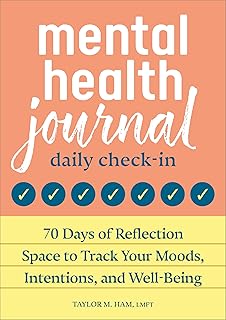
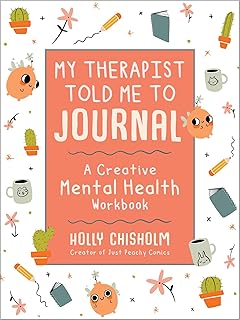
Journaling for mental health is a powerful tool that can help individuals process their emotions, reduce stress, and gain clarity on their thoughts and feelings. When it comes to what to write in a journal for mental health, the possibilities are endless. You can start by simply writing down your daily thoughts and feelings, or you can try more structured approaches like gratitude journaling, where you focus on the things you're thankful for each day. Another option is to use prompts or exercises designed to help you explore specific aspects of your mental health, such as your coping mechanisms, triggers, or goals for personal growth. The key is to find a journaling style that works for you and to make it a consistent practice. By committing your thoughts and feelings to paper, you can begin to identify patterns, gain insights, and develop a greater sense of self-awareness, all of which can contribute to improved mental well-being.
Explore related products

$9.79 $17.99



What You'll Learn
- Gratitude List: Write down three things you're thankful for each day to cultivate a positive mindset
- Emotional Check-In: Reflect on your feelings and identify any patterns or triggers in your emotions
- Daily Goals: Set small, achievable goals to build confidence and a sense of accomplishment
- Mindful Moments: Describe moments of mindfulness or meditation, noting how they impact your mental state
- Self-Care Activities: Record activities that bring you joy and relaxation, prioritizing your well-being

Gratitude List: Write down three things you're thankful for each day to cultivate a positive mindset
Maintaining a gratitude list is a powerful tool for shifting your focus towards the positive aspects of your life. By dedicating a few minutes each day to jotting down three things you're thankful for, you can begin to rewire your brain to notice and appreciate the good around you. This practice can be particularly beneficial when dealing with stress, anxiety, or depression, as it helps to counterbalance negative thoughts and emotions.
To get started, simply grab a journal or a piece of paper and write down three things that you're grateful for today. They can be big or small, significant or seemingly insignificant. The key is to be specific and genuine in your gratitude. For example, instead of just writing "family," you could write "my supportive sister who always listens to me" or "my partner's warm smile that brightens my day."
As you continue this practice, you may find that it becomes easier to spot moments of joy and appreciation throughout your day. You might even start to look forward to your daily gratitude ritual as a time to reflect and recharge. Additionally, research has shown that people who regularly practice gratitude experience improved sleep, stronger relationships, and increased resilience in the face of challenges.
Remember, the goal of a gratitude list isn't to force yourself to feel happy or to ignore difficult emotions. Rather, it's a way to cultivate a more balanced and realistic perspective on your life. By acknowledging the good alongside the bad, you can begin to build a more resilient and optimistic mindset.
So, what are you waiting for? Start your gratitude list today and see how this simple practice can transform your mental health and well-being.
Unlocking Your Potential: A Guide to Becoming a Certified Mental Health Coach
You may want to see also
Explore related products





Emotional Check-In: Reflect on your feelings and identify any patterns or triggers in your emotions
Begin your emotional check-in by setting aside a dedicated time and space for reflection. This could be a quiet corner in your home, a park bench, or even your favorite café. The key is to create an environment where you feel safe and undisturbed, allowing your thoughts and emotions to flow freely. Once you're settled in, take a few deep breaths to center yourself and begin to tune into your body's sensations. Notice any areas of tension or discomfort, as these can often be indicators of underlying emotional states.
As you start to write, focus on describing your emotions in as much detail as possible. Use vivid language to capture the nuances of your feelings, and don't be afraid to explore the complexity of your emotions. For example, instead of simply stating "I feel sad," you might write, "I feel a deep sense of melancholy that seems to weigh heavily on my chest, making it difficult to breathe." By being specific, you can better understand the subtleties of your emotional landscape.
Next, look for patterns or triggers in your emotions. Are there certain situations, people, or events that consistently evoke strong feelings? Write about these patterns, and try to identify any common themes or underlying causes. For instance, you might notice that you tend to feel anxious whenever you're faced with a deadline at work, or that you feel a sense of loneliness whenever you see couples holding hands in public. By recognizing these patterns, you can begin to develop strategies for managing your emotions more effectively.
Don't forget to also write about any positive emotions or experiences you've had. Reflecting on moments of joy, gratitude, or accomplishment can help to balance out the negative emotions and provide a more comprehensive view of your mental health. Additionally, writing about your goals and aspirations can help to foster a sense of hope and motivation.
Finally, remember that your journal is a safe space for self-expression. There's no need to worry about grammar, spelling, or what others might think. The most important thing is to be honest with yourself and to allow your emotions to be heard. By doing so, you can gain a deeper understanding of your mental health and begin to make positive changes in your life.
Unraveling the Confusion: Men's Mental Health Month - June or November?
You may want to see also
Explore related products





Daily Goals: Set small, achievable goals to build confidence and a sense of accomplishment
Setting daily goals is a powerful practice for enhancing mental well-being. By focusing on small, achievable objectives, individuals can build confidence and a sense of accomplishment, which are crucial for maintaining a positive mindset. Start by identifying areas in your life where you'd like to see improvement or growth. This could be related to personal development, work, relationships, or health. Once you've pinpointed these areas, break down larger goals into smaller, manageable tasks that can be accomplished within a day.
For example, if you're aiming to improve your physical health, a daily goal could be to drink eight glasses of water, take a 30-minute walk, or eat one additional serving of vegetables. If your focus is on professional development, your daily goal might be to learn a new skill, attend a webinar, or reach out to a potential mentor. The key is to make these goals specific, measurable, and attainable, so you can experience the satisfaction of achieving them.
When setting daily goals, it's essential to be realistic and flexible. Avoid setting yourself up for failure by aiming for perfection or expecting immediate results. Instead, focus on progress and celebrate small victories. If you don't meet a goal, don't be discouraged; simply reassess and adjust your approach for the next day. Consistency is more important than perfection in this practice.
Journaling about your daily goals can further enhance their effectiveness. Writing down your objectives helps to clarify your thoughts, increase commitment, and track progress over time. In your journal, you can record your daily goals, reflect on your successes and challenges, and note any patterns or insights that emerge. This written record can serve as a valuable tool for self-reflection and personal growth.
Incorporating daily goals into your routine can have a profound impact on your mental health. By consistently setting and achieving small objectives, you can cultivate a sense of purpose, boost self-esteem, and develop resilience. Remember, the journey to improved mental well-being is a gradual process, and daily goals provide a structured, achievable path forward.
Navigating Last-Minute Mental Health Day Requests: A Guide
You may want to see also
Explore related products


Mindful Moments: Describe moments of mindfulness or meditation, noting how they impact your mental state
Begin by setting aside a few minutes each day for mindfulness or meditation. Find a quiet, comfortable space where you can sit without distractions. Close your eyes and focus on your breath, feeling the air move in and out of your body. As thoughts arise, acknowledge them without judgment and gently return your attention to your breath. This practice can help calm your mind and reduce stress.
Try incorporating mindfulness into your daily activities. For example, when you're eating, savor each bite and pay attention to the flavors, textures, and aromas of your food. When you're walking, notice the sensation of your feet touching the ground and the rhythm of your steps. Bringing mindfulness into your everyday life can help you stay present and engaged.
Consider using guided meditations or mindfulness apps to help you get started. These resources can provide structure and support as you develop your practice. You might also find it helpful to journal about your experiences, noting any changes in your mental state or insights you gain from your practice.
Remember that mindfulness and meditation are not about achieving a specific state or outcome. Instead, they're about cultivating awareness and acceptance of the present moment. Be patient with yourself as you develop your practice, and don't worry if your mind wanders. Simply acknowledge the distraction and gently refocus your attention.
Over time, you may find that mindfulness and meditation help you feel more grounded and centered. They can also improve your focus, reduce anxiety, and enhance your overall sense of well-being. By incorporating these practices into your daily routine, you can develop a greater sense of self-awareness and emotional resilience.
The Hidden Struggle: Mental Health Challenges Among Athletes
You may want to see also
Explore related products


Self-Care Activities: Record activities that bring you joy and relaxation, prioritizing your well-being
Engaging in self-care activities is a fundamental aspect of maintaining mental health, and journaling can be a powerful tool in this practice. By recording activities that bring you joy and relaxation, you can prioritize your well-being and create a tangible reference for future self-care planning. This practice not only helps in identifying what activities are most beneficial for your mental health but also serves as a reminder of the importance of taking time for yourself amidst life's demands.
To effectively journal about self-care activities, start by setting aside a dedicated time for reflection. This could be at the end of each day or during a quiet moment when you can focus on your thoughts and feelings. Begin by listing the activities you have engaged in that day or week that have contributed to your sense of joy and relaxation. Be specific in your entries, noting the details of each activity, such as the time spent, the location, and any particular aspects that made the experience enjoyable or therapeutic.
As you continue to journal about your self-care activities, look for patterns and themes in your entries. Are there certain types of activities that consistently bring you joy and relaxation? Are there specific times of day or environments that enhance your self-care experiences? By identifying these patterns, you can better understand what works best for you and make informed decisions about how to prioritize your self-care in the future.
In addition to recording your self-care activities, consider incorporating reflective questions into your journaling practice. For example, you might ask yourself how each activity made you feel, what you learned from the experience, or how you can apply the insights gained to other areas of your life. This reflective process can help deepen your understanding of the impact of self-care on your mental health and well-being.
Finally, use your journal as a tool for accountability and motivation. Set goals for yourself to engage in self-care activities regularly, and track your progress over time. Celebrate your successes and learn from any setbacks, using your journal as a supportive companion on your journey towards better mental health.
By consistently journaling about your self-care activities, you can cultivate a greater sense of self-awareness, develop a personalized self-care plan, and foster a more compassionate and nurturing relationship with yourself. This practice not only enhances your mental health but also empowers you to take an active role in your own well-being.
Exploring the Complex Relationship Between Casual Sex and Mental Health
You may want to see also
Frequently asked questions
Here are some prompts to help you get started:
- What am I grateful for today?
- What are my goals for the week?
- How am I feeling right now, and why?
- What self-care activities did I do today?
- What is one thing I can do to improve my mental health tomorrow?
There's no one-size-fits-all answer, but aim to write in your journal at least a few times a week. Consistency is key, so try to make it a habit.
Don't worry! You can start by writing about your day, your feelings, or any thoughts that are on your mind. You can also use prompts or guided journal exercises to help you get started.
Yes, writing in your journal can be a great way to process your emotions and work through difficult feelings. It can help you gain perspective and feel more grounded.
To make your journal writing more effective, try to:
- Be honest and authentic in your writing
- Write regularly to make it a habit
- Use prompts or guided exercises to help you explore your thoughts and feelings
- Reflect on your writing and look for patterns or insights
- Consider sharing your writing with a therapist or trusted friend for additional support