Caleb Wright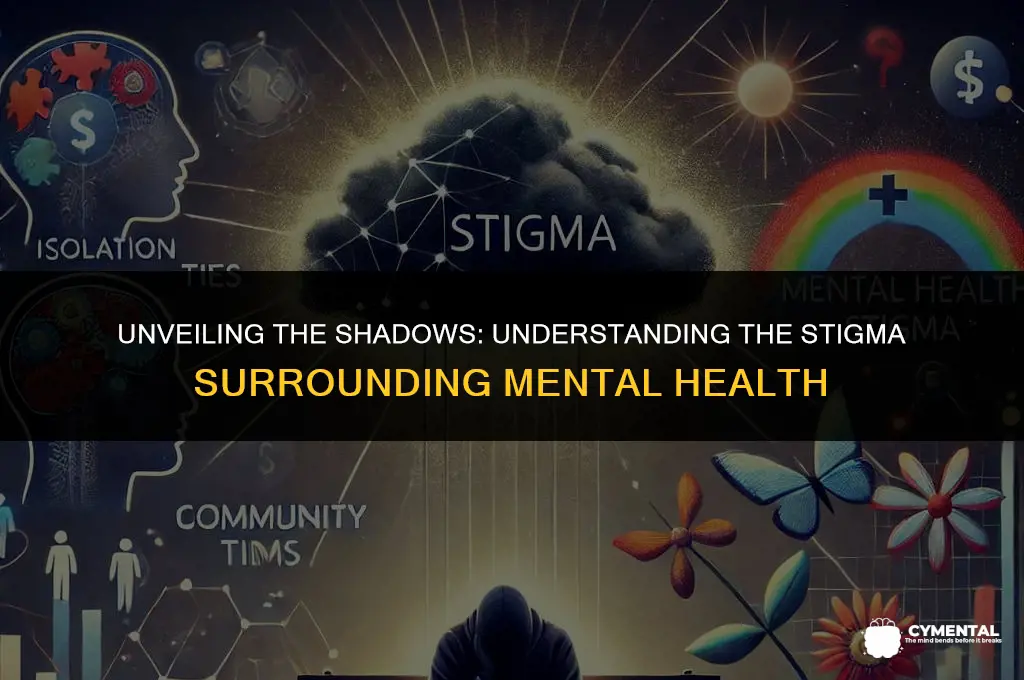
Mental health stigma remains a pervasive issue globally, rooted in a complex interplay of cultural, social, and historical factors. Despite growing awareness and efforts to promote mental well-being, individuals often face discrimination, prejudice, and marginalization when they disclose their mental health struggles. This stigma can manifest in various ways, including negative stereotypes, exclusion from social and professional circles, and inadequate support systems. Understanding the origins and perpetuation of mental health stigma is crucial in developing effective strategies to combat it and foster a more inclusive and supportive society for those affected by mental health challenges.
Explore related products


What You'll Learn
- Historical misconceptions: Mental illness was often misunderstood, leading to fear and discrimination
- Media portrayal: Sensationalized depictions in media can perpetuate negative stereotypes and stigma
- Lack of education: Insufficient knowledge about mental health conditions contributes to misconceptions
- Cultural beliefs: Some cultures view mental illness as a personal weakness or spiritual issue
- Fear of labeling: People may avoid seeking help due to fear of being labeled as crazy or unstable

Historical misconceptions: Mental illness was often misunderstood, leading to fear and discrimination
Throughout history, mental illness has been shrouded in mystery and misunderstanding. This lack of knowledge has led to fear and discrimination against those suffering from mental health issues. In ancient times, mental illness was often attributed to supernatural forces, such as demonic possession or curses. This belief persisted into the Middle Ages, where individuals exhibiting symptoms of mental illness were sometimes subjected to exorcisms or other religious rituals in an attempt to rid them of their perceived affliction.
During the Renaissance and Enlightenment periods, mental illness began to be viewed more as a medical condition rather than a spiritual one. However, the treatments for mental illness during this time were often barbaric and inhumane. Individuals were confined to asylums, where they were subjected to physical restraints, isolation, and sometimes even torture in an attempt to "cure" them. The stigma surrounding mental illness was further perpetuated by the fact that many prominent figures, such as artists and writers, who were later diagnosed with mental health conditions, were often ostracized or ridiculed by society.
In the 19th and early 20th centuries, the medical profession began to make strides in understanding and treating mental illness. However, the stigma remained, and individuals with mental health conditions were often marginalized and excluded from society. The eugenics movement of the early 20th century further exacerbated this stigma, as it sought to eliminate individuals with mental illness from the gene pool through forced sterilization and other means.
Today, while there have been significant advances in the understanding and treatment of mental illness, the stigma remains a pervasive issue. Many individuals with mental health conditions still face discrimination and marginalization, and the fear and misunderstanding that have historically surrounded mental illness continue to persist. It is essential to address and challenge these misconceptions in order to reduce the stigma and promote greater understanding and acceptance of mental health issues.
Building Resilience: Protective Factors in Mental Health
You may want to see also
Explore related products


$14.99 $16.99

$19.99 $19.99


Media portrayal: Sensationalized depictions in media can perpetuate negative stereotypes and stigma
Sensationalized media portrayals significantly contribute to the stigmatization of mental health by perpetuating harmful stereotypes and misconceptions. News outlets and entertainment media often prioritize dramatic and shocking stories over accurate and nuanced representations of mental health issues. This can lead to the public associating mental illness with violence, unpredictability, and weakness, rather than recognizing it as a common and treatable health condition.
One example of this is the frequent depiction of individuals with mental health issues as perpetrators of violent crimes in movies and television shows. Such portrayals are not only inaccurate but also reinforce the notion that people with mental illnesses are dangerous and should be feared or avoided. This can have real-world consequences, such as increased discrimination and social isolation for those struggling with mental health problems.
Moreover, media sensationalism can also lead to the trivialization of mental health issues. When mental illness is portrayed as a dramatic plot device rather than a serious health concern, it can diminish the importance of seeking help and treatment. This can further stigmatize mental health by suggesting that those who suffer from mental illnesses are not truly ill or that their conditions are not worthy of attention and care.
To combat this, it is essential to promote more accurate and empathetic representations of mental health in the media. This can be achieved by encouraging journalists and content creators to consult with mental health professionals and individuals with lived experience when developing stories and characters. Additionally, media literacy education can help the public critically evaluate sensationalized portrayals and recognize the harmful impact of stigma on mental health.
In conclusion, sensationalized media portrayals play a significant role in perpetuating negative stereotypes and stigma surrounding mental health. By promoting more accurate and compassionate representations, we can work towards reducing stigma and creating a more supportive environment for those affected by mental health issues.
Unveiling the Importance: Why Men's Mental Health Matters
You may want to see also
Explore related products


Lack of education: Insufficient knowledge about mental health conditions contributes to misconceptions
A significant contributor to the stigmatization of mental health is the widespread lack of education on the subject. Many individuals lack a fundamental understanding of mental health conditions, their symptoms, and their treatments. This knowledge gap fosters an environment where misconceptions can thrive, leading to harmful stereotypes and discrimination against those affected.
One of the primary consequences of insufficient mental health education is the perpetuation of myths and misunderstandings. For instance, some may believe that mental illnesses are a sign of weakness or a lack of willpower, rather than recognizing them as legitimate medical conditions. Others may think that individuals with mental health issues are violent or unpredictable, despite the fact that the vast majority are not. These misconceptions can lead to social exclusion, discrimination in the workplace, and even violence against those with mental health conditions.
Furthermore, the lack of education on mental health can result in individuals failing to recognize the signs and symptoms of mental illness in themselves or others. This can lead to delayed diagnosis and treatment, exacerbating the condition and potentially leading to more severe consequences. In some cases, individuals may be unaware that they are experiencing a mental health issue at all, attributing their symptoms to other causes such as physical illness or personal problems.
To combat the stigmatization of mental health, it is essential to increase education and awareness on the subject. This can be achieved through a variety of means, including public health campaigns, school-based education programs, and community outreach initiatives. By providing individuals with accurate information about mental health conditions, we can help to dispel myths and misconceptions, promote understanding and empathy, and ultimately reduce the stigma associated with mental illness.
In conclusion, the lack of education on mental health is a significant contributor to the stigmatization of mental illness. By increasing awareness and understanding of mental health conditions, we can help to create a more inclusive and supportive society for those affected. It is essential that we prioritize mental health education and work to dispel harmful misconceptions that perpetuate stigma and discrimination.
Unveiling the Symbolic Hues of Mental Health Awareness
You may want to see also
Explore related products



Cultural beliefs: Some cultures view mental illness as a personal weakness or spiritual issue
In many cultures, mental illness is viewed as a personal weakness or spiritual issue rather than a medical condition. This perspective often stems from a lack of understanding about the biological and psychological factors that contribute to mental health disorders. As a result, individuals suffering from mental illness may be stigmatized and ostracized by their communities, leading to feelings of shame and isolation.
One example of this cultural belief can be seen in some traditional African societies, where mental illness is often attributed to spiritual possession or witchcraft. In these communities, individuals with mental health disorders may be subjected to harmful rituals or treatments in an attempt to "cure" them of their perceived spiritual affliction. Similarly, in some Asian cultures, mental illness is viewed as a sign of personal weakness or a lack of self-control, leading to stigma and discrimination against those who suffer from mental health issues.
These cultural beliefs not only contribute to the stigmatization of mental illness but also prevent individuals from seeking professional help. Many people who hold these beliefs may be reluctant to visit a psychiatrist or therapist, fearing that they will be judged or labeled as "crazy." This reluctance to seek help can have serious consequences, as untreated mental health disorders can lead to worsening symptoms, social withdrawal, and even suicide.
To combat these harmful cultural beliefs, it is essential to promote mental health awareness and education. By providing accurate information about the causes and treatments of mental illness, we can help to dispel myths and reduce stigma. Additionally, it is important to encourage open conversations about mental health and to create safe spaces where individuals can share their experiences without fear of judgment.
Ultimately, changing cultural beliefs about mental illness will require a concerted effort from individuals, communities, and governments. By working together to promote understanding and acceptance, we can help to create a more compassionate and supportive environment for those who suffer from mental health disorders.
Exploring the Duration of Mental Health Diversion Programs
You may want to see also
Explore related products


Fear of labeling: People may avoid seeking help due to fear of being labeled as crazy or unstable
The fear of being labeled as "crazy" or "unstable" is a significant barrier that prevents many individuals from seeking the mental health support they need. This fear stems from the pervasive stigma surrounding mental illness, which often leads to negative stereotypes and discrimination. As a result, people may avoid reaching out for help, fearing that they will be judged, ostracized, or even face repercussions in their personal or professional lives.
One of the main reasons for this fear is the lack of understanding and education about mental health issues. Many people still view mental illness as a sign of weakness or a character flaw, rather than recognizing it as a legitimate medical condition that requires treatment. This misconception can lead to individuals feeling ashamed or embarrassed about their struggles, making it difficult for them to open up about their experiences and seek the help they deserve.
Furthermore, the media's portrayal of mental illness often perpetuates negative stereotypes, reinforcing the stigma and fear associated with seeking help. Movies, TV shows, and news stories frequently depict people with mental health issues as violent, unpredictable, or helpless, which can contribute to the public's misunderstanding and fear of mental illness. This sensationalized portrayal can make it even more challenging for individuals to come forward and seek support, as they may worry about being perceived in a similar light.
In addition to these factors, the fear of labeling can also be fueled by real-life experiences of discrimination and prejudice. People who have faced negative reactions or treatment due to their mental health status may be understandably hesitant to seek help again, fearing that they will encounter similar attitudes or even worse consequences. This can create a vicious cycle, where individuals continue to suffer in silence rather than risking the potential negative outcomes of seeking support.
To address this issue, it is crucial to increase awareness and education about mental health, challenge negative stereotypes, and promote a more compassionate and understanding attitude towards those struggling with mental illness. By doing so, we can help to reduce the fear of labeling and encourage more people to seek the help they need. This can be achieved through various initiatives, such as mental health campaigns, educational programs, and increased representation of mental health issues in the media. By working together to combat stigma and promote understanding, we can create a more supportive environment for those affected by mental illness and help them to overcome the fear of seeking help.
Examining the Impact of Trump's Policies on Mental Health Funding
You may want to see also
Frequently asked questions
Mental health is stigmatized due to a combination of historical, cultural, and societal factors. Historically, mental illness was often associated with supernatural forces or moral failings, leading to fear and ostracization. Cultural beliefs and societal norms can perpetuate these stigmas, making it difficult for individuals to openly discuss their mental health struggles without fear of judgment or discrimination.
The stigma around mental health can have severe consequences for individuals. It can lead to feelings of shame, guilt, and isolation, preventing people from seeking the help they need. This can result in worsening mental health conditions, decreased quality of life, and even increased risk of suicide. Additionally, stigma can impact social relationships, employment opportunities, and overall well-being.
Media portrayals of mental illness often contribute to the perpetuation of stigma. Sensationalized or inaccurate depictions of mental health conditions can reinforce negative stereotypes and misconceptions. This can lead to increased fear and misunderstanding among the general public, further stigmatizing those who struggle with mental health issues.
Reducing the stigma surrounding mental health requires a multifaceted approach. Education and awareness campaigns can help dispel myths and misconceptions about mental illness. Encouraging open conversations about mental health and promoting empathy and understanding can also help break down stigmas. Additionally, advocating for policies that protect the rights of individuals with mental health conditions and ensure access to quality care is crucial.
There are several successful initiatives to combat mental health stigma. For example, the "It's Okay to Talk" campaign in the UK encourages open conversations about mental health. The "See Us" campaign in Australia aims to reduce stigma and promote understanding of mental illness. Additionally, the World Health Organization's "QualityRights" initiative focuses on improving the quality of care for people with mental health conditions and promoting their rights.