Lucas Bennett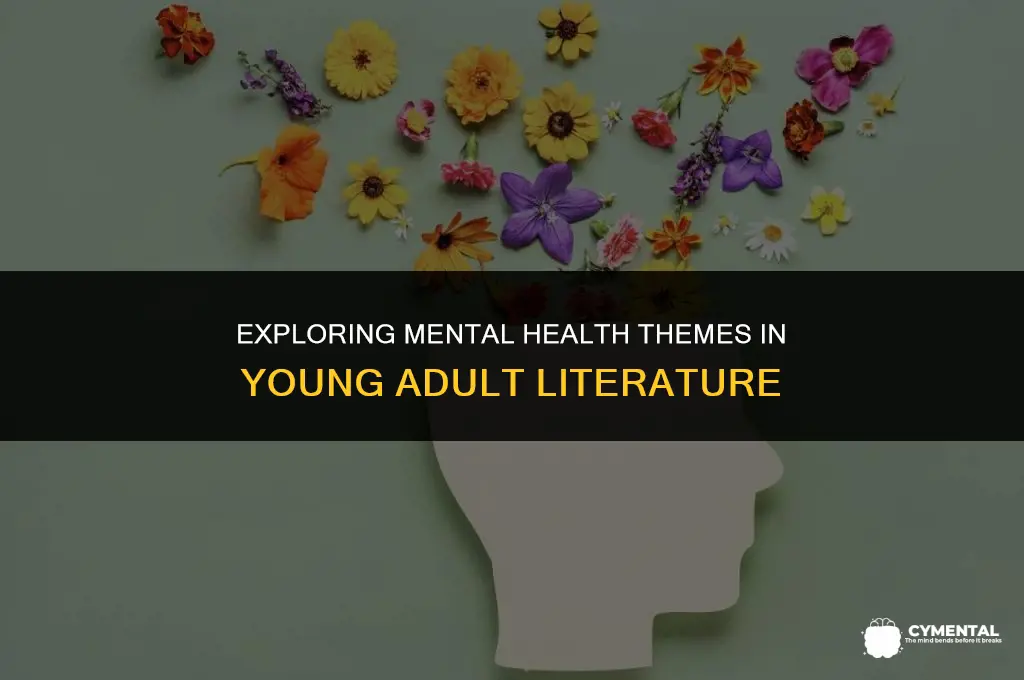
Young Adult (YA) literature has increasingly addressed the critical topic of mental health, reflecting the real-world struggles and triumphs of teenagers. These books provide a platform for young readers to see themselves and their experiences mirrored in the stories, fostering a sense of validation and understanding. By exploring themes such as depression, anxiety, trauma, and recovery, YA authors contribute to destigmatizing mental health issues and encouraging open conversations. This genre not only entertains but also educates and supports, making it a vital resource for adolescents navigating the complexities of their mental well-being.
| Characteristics | Values |
|---|---|
| Genre | Young Adult Fiction |
| Themes | Mental Health, Emotional Struggles, Personal Growth |
| Target Audience | Teenagers, Young Adults |
| Writing Style | Accessible, Engaging, Realistic |
| Common Topics | Anxiety, Depression, Self-Identity, Trauma, Relationships |
| Purpose | Raise Awareness, Provide Representation, Offer Support |
| Notable Authors | John Green, Jennifer Niven, Nicola Yoon |
| Popular Titles | "The Fault in Our Stars", "All the Bright Places", "The Miseducation of Cameron Post" |
| Formats | Novels, Memoirs, Poetry Collections |
| Impact | Encourages Conversation, Fosters Empathy, Promotes Help-Seeking Behavior |
Explore related products


What You'll Learn
- Anxiety and Depression: Exploring the complexities of these common mental health issues in young adult narratives
- Trauma and Recovery: Stories that delve into the impact of traumatic experiences and the journey towards healing
- Self-Identity and Acceptance: Themes centered around discovering one's self and embracing individuality amidst mental health challenges
- Friendship and Support Systems: The role of relationships and social connections in navigating mental health struggles
- Coping Mechanisms and Resilience: Strategies and personal growth depicted in YA literature for managing mental health

Anxiety and Depression: Exploring the complexities of these common mental health issues in young adult narratives
Young adult literature often serves as a mirror to the challenges faced by adolescents and young adults. Anxiety and depression, two prevalent mental health issues, are frequently explored themes in YA narratives. These stories not only provide a platform for young readers to see their struggles reflected but also offer insights into the complexities of these conditions.
One unique angle to explore is how YA literature portrays the intersection of anxiety and depression with other aspects of young adulthood, such as identity formation, relationships, and academic pressures. For instance, many YA books delve into the protagonist's journey of self-discovery, which is often fraught with anxiety about fitting in and finding one's place in the world. Depression, on the other hand, may be depicted as a constant companion, influencing the character's perception of reality and their ability to cope with everyday challenges.
Moreover, YA narratives often highlight the stigma surrounding mental health issues and the importance of seeking help. Characters may grapple with the fear of being judged or misunderstood, leading to a reluctance to discuss their feelings with friends, family, or mental health professionals. This reluctance can exacerbate their symptoms, creating a vicious cycle that is difficult to break.
Another aspect to consider is the representation of diverse experiences within YA literature. While many stories focus on white, middle-class protagonists, there is a growing number of narratives that explore the unique challenges faced by young adults from marginalized communities. These stories shed light on how cultural, socioeconomic, and systemic factors can contribute to the development of anxiety and depression.
In conclusion, YA literature provides a valuable platform for exploring the complexities of anxiety and depression in young adulthood. By delving into the intersection of these mental health issues with other aspects of adolescent life, YA narratives offer readers a chance to see their struggles reflected and gain insights into the importance of seeking help and support.
Exploring Minds: YA Books That Tackle Mental Health
You may want to see also
Explore related products


Trauma and Recovery: Stories that delve into the impact of traumatic experiences and the journey towards healing
Trauma and recovery are central themes in many young adult (YA) books, reflecting the significant impact that traumatic experiences can have on individuals, particularly during their formative years. These stories often explore the complex journey towards healing, highlighting the resilience and strength required to overcome adversity. By delving into these narratives, readers can gain a deeper understanding of the psychological and emotional challenges faced by those who have experienced trauma, as well as the various coping mechanisms and support systems that can aid in the recovery process.
One unique angle to approach this topic is by examining how YA literature portrays the intersection of trauma and identity. Many YA books feature protagonists who have experienced significant trauma, such as abuse, loss, or violence, and these experiences often shape their sense of self and their relationships with others. For example, in "The Perks of Being a Wallflower" by Stephen Chbosky, the main character, Charlie, grapples with the aftermath of a traumatic event and its impact on his identity and social interactions. This novel, among others, demonstrates how YA literature can provide a platform for exploring the complex relationship between trauma and personal identity.
Another important aspect of trauma and recovery in YA literature is the representation of diverse experiences and perspectives. By including a wide range of voices and stories, YA books can help to break down stigmas and promote empathy and understanding. For instance, "The Hate U Give" by Angie Thomas addresses the trauma experienced by young Black individuals in the context of police brutality and systemic racism, while "A Thousand Splendid Suns" by Khaled Hosseini explores the impact of war and domestic violence on women in Afghanistan. These narratives, among others, highlight the importance of intersectionality in understanding and addressing trauma.
In addition to exploring the psychological and emotional aspects of trauma, YA literature also often provides practical insights into the recovery process. Many books offer examples of coping mechanisms, such as therapy, support groups, and creative expression, that can help individuals heal from traumatic experiences. For example, "It's Kind of a Funny Story" by Ned Vizzinoni portrays the protagonist's journey through a mental health crisis and his experiences with therapy and hospitalization. This novel, along with others, demonstrates how YA literature can serve as a resource for readers seeking guidance and support in their own recovery journeys.
Ultimately, YA literature plays a crucial role in raising awareness about trauma and recovery, providing a platform for diverse voices and experiences, and offering practical insights into the healing process. By engaging with these stories, readers can develop a deeper understanding of the complexities of trauma and the resilience required to overcome it, fostering empathy, compassion, and a sense of community.
Exploring Women's Mental Health: Awareness, Advocacy, and Action
You may want to see also
Explore related products

$8.99 $16.99




Self-Identity and Acceptance: Themes centered around discovering one's self and embracing individuality amidst mental health challenges
Young adult literature often delves into the complex journey of self-discovery and acceptance, particularly in the context of mental health challenges. This theme is crucial as it mirrors the real-life struggles of many young adults who are navigating their identities while coping with mental health issues. Books in this genre provide a safe space for readers to explore their own feelings and experiences through the lens of relatable characters.
One unique angle to explore within this theme is the intersection of self-identity and societal expectations. Many YA books address how external pressures can impact a young person's sense of self, especially when mental health challenges are involved. For instance, characters may struggle with conforming to societal norms while dealing with internal conflicts, such as anxiety or depression. This tension between external expectations and internal realities can lead to a deeper exploration of what it means to be true to oneself.
Another important aspect is the role of support systems in fostering self-acceptance. YA literature often highlights the significance of friendships, family relationships, and mentorship in helping characters navigate their mental health journeys. These support systems can provide validation, encouragement, and a sense of belonging, which are essential for developing a positive self-identity.
Moreover, the theme of self-identity and acceptance in YA books can also touch upon the impact of trauma and resilience. Characters who have experienced traumatic events may grapple with feelings of shame, guilt, or inadequacy, which can hinder their ability to accept themselves. Through their stories, these books can illustrate the importance of acknowledging and processing trauma as a step towards healing and self-acceptance.
In conclusion, YA books that focus on mental health provide a valuable platform for exploring themes of self-identity and acceptance. By addressing the unique challenges faced by young adults, these books can offer insights, validation, and hope to readers who are on their own journeys of self-discovery and acceptance.
Decoding Mental Health Acronyms: What Does 'FINE' Really Stand For?
You may want to see also
Explore related products


Friendship and Support Systems: The role of relationships and social connections in navigating mental health struggles
Navigating mental health struggles can be a challenging journey, but having a strong support system can make a significant difference. In the realm of young adult literature, authors often explore the complexities of mental health through the lens of relationships and social connections. These narratives highlight the importance of friendship and support systems in helping individuals cope with their struggles.
One unique angle to consider is the role of online communities and social media in providing support for mental health issues. While traditional face-to-face interactions are crucial, the digital age has opened up new avenues for connection and support. Online forums, social media groups, and mental health apps can offer a sense of community and understanding for individuals who may feel isolated or stigmatized by their struggles.
However, it's essential to approach online support systems with caution. Not all online communities are safe or supportive, and individuals should be mindful of sharing personal information or seeking advice from unqualified sources. Authors in the young adult genre often grapple with these nuances, portraying characters who find both solace and danger in online spaces.
Another aspect to explore is the impact of cultural and societal factors on mental health support systems. Different communities may have varying attitudes towards mental health, and these can influence the availability and quality of support. Young adult literature often delves into these themes, showcasing characters who must navigate their mental health struggles within the context of their cultural or social backgrounds.
Ultimately, the role of relationships and social connections in navigating mental health struggles is multifaceted. By examining these dynamics through the lens of young adult literature, we can gain a deeper understanding of the complexities involved and the importance of fostering supportive, inclusive communities.
Understanding the Cost of Mental Health Evaluations: A Comprehensive Guide
You may want to see also
Explore related products


Coping Mechanisms and Resilience: Strategies and personal growth depicted in YA literature for managing mental health
Young Adult (YA) literature often serves as a mirror reflecting the tumultuous journey of adolescence, including the myriad of mental health challenges that teens face. Within these pages, characters grapple with anxiety, depression, trauma, and other psychological hurdles, offering readers a glimpse into the coping mechanisms and resilience strategies that can help navigate these difficult waters. One of the most powerful tools depicted in YA literature is the importance of seeking support. Characters frequently find solace in friends, family, or mental health professionals, highlighting the critical role of a strong support system in managing mental health.
Another prevalent theme is the practice of self-care. YA novels often emphasize the significance of taking time for oneself, whether through exercise, hobbies, meditation, or simply setting boundaries. This focus on self-care serves as a reminder to readers that prioritizing their own well-being is not selfish but essential. Additionally, many YA books explore the concept of mindfulness and living in the present moment as a means of coping with overwhelming emotions and thoughts.
The portrayal of therapy and counseling in YA literature also plays a vital role in destigmatizing mental health treatment. Characters who seek professional help are often shown to experience significant personal growth and healing, encouraging readers to consider therapy as a viable and courageous step towards recovery. Furthermore, YA literature frequently addresses the importance of medication in managing mental health conditions, providing a balanced view that acknowledges both the benefits and potential side effects of psychiatric drugs.
One of the most impactful aspects of YA literature is its ability to foster empathy and understanding. By delving into the inner lives of characters struggling with mental health issues, these books help readers develop a deeper compassion for others and themselves. This empathy can be a powerful catalyst for personal growth and resilience, as it encourages individuals to approach their own challenges with kindness and patience.
In conclusion, YA literature offers a wealth of insights and strategies for coping with mental health challenges. Through the stories of its characters, it promotes the importance of seeking support, practicing self-care, embracing mindfulness, considering therapy, and fostering empathy. These themes not only provide readers with practical tools for managing their mental health but also contribute to a broader cultural conversation about the importance of prioritizing psychological well-being.
Understanding PEC in Mental Health: A Comprehensive Guide
You may want to see also
Frequently asked questions
YA books often delve into themes such as anxiety, depression, self-discovery, trauma, and relationships. These themes are explored to help young readers navigate their own mental health journeys and feel less alone in their experiences.
YA books usually portray mental health struggles in a realistic and relatable manner, often through the eyes of a teenage protagonist. They may depict the challenges of seeking help, the impact on daily life, and the journey towards recovery or coping mechanisms.
Yes, some YA books that address mental health positively include "The Perks of Being a Wallflower" by Stephen Chbosky, "It's Kind of a Funny Story" by Ned Vizzin, and "Reasons to Stay Alive" by Matt Haig. These books offer hope, resilience, and the importance of seeking support.