Noah Parker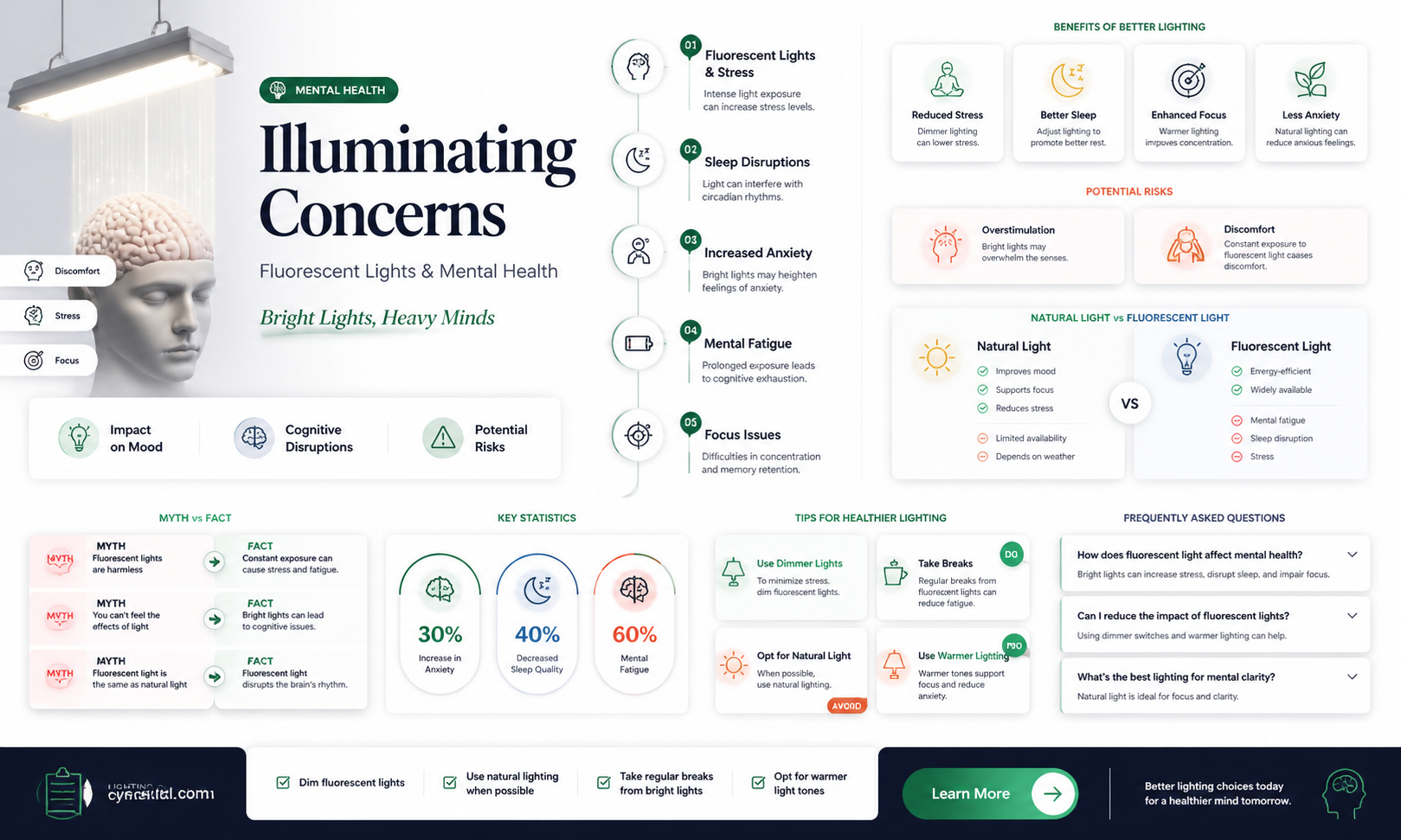
Fluorescent lighting has been a staple in commercial and residential settings for decades due to its energy efficiency and long lifespan. However, concerns have been raised about its potential impact on mental health. Some studies suggest that the flickering and harsh light emitted by fluorescent bulbs can cause eye strain, headaches, and even exacerbate symptoms of depression and anxiety in certain individuals. The debate surrounding the effects of fluorescent lighting on mental well-being is complex, involving factors such as light intensity, color temperature, and individual sensitivity. As awareness of these issues grows, many are seeking alternative lighting solutions that promote a healthier indoor environment.
| Characteristics | Values |
|---|---|
| Topic | Impact of fluorescent lights on mental health |
| Claim | Fluorescent lights may negatively affect mental health |
| Evidence Level | Moderate; some studies suggest a link, but more research is needed |
| Possible Effects | Increased anxiety, depression, eye strain, and sleep disturbances |
| Mechanism | Fluorescent lights emit a high proportion of blue light, which can suppress melatonin production and disrupt circadian rhythms |
| Counterarguments | Some studies found no significant link between fluorescent lights and mental health issues |
| Recommendations | Use warmer, dimmable lighting options; limit exposure to fluorescent lights, especially in the evening |
| Expert Consensus | There is no universal agreement among experts; opinions vary based on individual research findings |
| Public Awareness | The topic has gained some attention in recent years, but many people remain unaware of potential effects |
| Policy Implications | Some organizations and governments have started to phase out fluorescent lights in favor of alternatives |
| Research Gaps | More longitudinal studies and randomized controlled trials are needed to establish causality and quantify effects |
| Confounding Factors | Individual differences in sensitivity to light, pre-existing mental health conditions, and environmental factors may influence the impact of fluorescent lights |
| Historical Context | Concerns about fluorescent lights date back to the 1970s, but scientific interest has increased in the 21st century |
| Alternative Lighting Options | LED lights, incandescent bulbs, and smart lighting systems that mimic natural light patterns |
| Cost-Benefit Analysis | While alternative lighting options may be more expensive upfront, they could lead to long-term health and energy savings |
| Implementation Challenges | Widespread adoption of alternative lighting may face barriers due to cost, availability, and consumer preferences |
| Future Directions | Continued research, public education campaigns, and policy initiatives to promote healthier lighting choices |
Explore related products


![hykolity 4FT LED Wraparound Light, 40W, 4400lm, 4000K, [2-lamp 32W Fluorescent Equiv.], 4 Foot LED Wrap Light Fixture, Flush Mount Office Ceiling Light for Garage, Office, Kitchen, ETL Listed](https://m.media-amazon.com/images/I/51lRvWsZJGL._AC_UL320_.jpg)


What You'll Learn
- Flicker Effect: Fluorescent lights may cause eye strain and headaches due to their flickering nature
- Color Temperature: The cool color temperature of fluorescent lights can affect mood and sleep patterns
- UV Radiation: Fluorescent lights emit UV radiation, which can potentially harm the skin and eyes over time
- Energy Efficiency: While energy-efficient, the constant exposure to fluorescent lights may lead to vitamin D deficiency
- Circadian Rhythm Disruption: The artificial light from fluorescents can interfere with the body's natural circadian rhythm, impacting overall mental health

Flicker Effect: Fluorescent lights may cause eye strain and headaches due to their flickering nature
Fluorescent lights, commonly used in offices, schools, and public spaces, have been linked to a phenomenon known as the "flicker effect." This effect refers to the rapid, imperceptible flickering of fluorescent light bulbs, which can cause eye strain, headaches, and even seizures in some individuals. The flicker effect is a result of the way fluorescent lights produce light, which involves passing an electric current through a tube filled with argon and mercury vapor. This process creates ultraviolet light, which is then converted into visible light by a phosphorescent coating on the inside of the tube. However, the conversion process is not instantaneous, leading to a slight delay between the ultraviolet light and the visible light, which manifests as a flicker.
The flicker effect can have a significant impact on mental health, particularly in individuals who are sensitive to light or have pre-existing conditions such as migraines or epilepsy. Prolonged exposure to fluorescent lights can lead to increased stress, anxiety, and fatigue, as well as decreased concentration and productivity. In some cases, the flicker effect can even trigger panic attacks or seizures. To mitigate the effects of the flicker effect, it is recommended to use alternative lighting sources, such as incandescent or LED lights, which do not produce the same type of flicker. Additionally, taking regular breaks from fluorescent-lit environments and practicing relaxation techniques can help to reduce the impact of the flicker effect on mental health.
One of the challenges in addressing the flicker effect is that it is often difficult to detect, as the flickering is usually imperceptible to the naked eye. However, there are some tools available that can help to measure the flicker rate of fluorescent lights, such as flicker meters or smartphone apps. These tools can be used to identify areas where the flicker effect is particularly pronounced and to monitor the effectiveness of interventions aimed at reducing the flicker rate. In some cases, it may be necessary to consult with a lighting specialist or an occupational health professional to develop a comprehensive strategy for addressing the flicker effect in a particular environment.
In conclusion, the flicker effect is a significant concern for mental health, particularly in individuals who are sensitive to light or have pre-existing conditions. By understanding the causes and effects of the flicker effect, and by taking steps to mitigate its impact, it is possible to create healthier and more comfortable environments for everyone.
Prioritizing Well-being: The Dilemma of Job vs. Mental Health
You may want to see also
Explore related products




Color Temperature: The cool color temperature of fluorescent lights can affect mood and sleep patterns
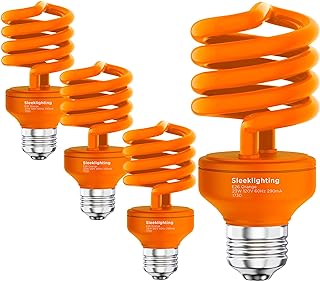
Fluorescent lights emit a cool color temperature, typically around 4000-5000 Kelvin, which can have a significant impact on mood and sleep patterns. This cool light mimics the natural daylight spectrum, which can be beneficial for alertness and productivity during the day. However, exposure to cool light in the evening can interfere with the body's natural sleep-wake cycle, making it harder to fall asleep and leading to disrupted sleep patterns.
Research has shown that exposure to cool light in the evening can suppress the production of melatonin, a hormone that regulates sleep. This suppression can lead to delayed sleep onset, reduced sleep quality, and daytime fatigue. Furthermore, cool light exposure has been linked to increased symptoms of depression and anxiety, particularly in individuals who are already prone to these conditions.
To mitigate the negative effects of cool light exposure, it is recommended to reduce or eliminate fluorescent lighting in the evening, opting instead for warmer light sources such as incandescent bulbs or LED lights with a color temperature of around 2700-3000 Kelvin. Additionally, using blue light filtering glasses or apps can help to reduce the impact of cool light on the body's natural sleep-wake cycle.
In conclusion, while fluorescent lights can be beneficial for daytime productivity, their cool color temperature can have negative effects on mood and sleep patterns, particularly in the evening. By taking steps to reduce cool light exposure and opting for warmer light sources, individuals can improve their sleep quality and overall mental health.
Understanding CPI in Mental Health: A Comprehensive Guide
You may want to see also
Explore related products


UV Radiation: Fluorescent lights emit UV radiation, which can potentially harm the skin and eyes over time
Fluorescent lights, commonly used in offices, schools, and homes, emit ultraviolet (UV) radiation as a byproduct of their operation. This UV radiation, particularly UVA and UVB rays, can penetrate the skin and eyes, potentially causing damage over prolonged exposure. While the immediate effects may not be noticeable, long-term exposure to UV radiation from fluorescent lights can contribute to skin aging, eye cataracts, and even skin cancer.
The risk of harm from UV radiation is generally higher for individuals who spend extended periods under fluorescent lighting, such as office workers or students. Factors such as the intensity of the light, the duration of exposure, and the protective measures taken (e.g., wearing sunglasses or applying sunscreen) can influence the potential damage. It is essential to note that not all fluorescent lights emit the same amount of UV radiation, and some may have UV-blocking coatings to reduce exposure.
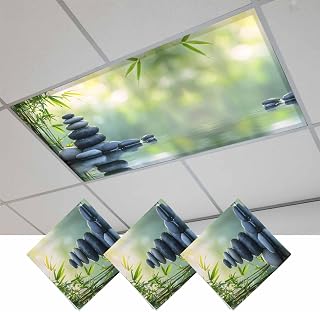
To mitigate the risks associated with UV radiation from fluorescent lights, several precautions can be taken. These include using UV-blocking lamps, installing protective covers over the lights, and maintaining a safe distance from the light sources. Additionally, regular breaks from fluorescent lighting, such as stepping outside or using alternative light sources like LED lights, can help reduce overall exposure.
While the focus of this section is on the physical health risks posed by UV radiation from fluorescent lights, it is crucial to acknowledge the broader context of mental health. Prolonged exposure to artificial lighting, including fluorescent lights, has been linked to various mental health issues, such as depression, anxiety, and sleep disturbances. Therefore, addressing the potential harm caused by UV radiation is an integral part of understanding the overall impact of fluorescent lights on mental well-being.
In conclusion, the UV radiation emitted by fluorescent lights poses a potential risk to skin and eye health over time. By taking proactive measures to reduce exposure and understanding the broader implications for mental health, individuals can make informed decisions about their lighting choices and overall well-being.
Prioritizing Mental Health: A Guide to Calling Out of Work
You may want to see also
Explore related products


Energy Efficiency: While energy-efficient, the constant exposure to fluorescent lights may lead to vitamin D deficiency
Fluorescent lights, while energy-efficient and cost-effective, have been linked to potential health concerns, particularly in relation to vitamin D deficiency. This is because fluorescent lighting emits a spectrum of light that is different from natural sunlight, which is the primary source of vitamin D for humans. Prolonged exposure to fluorescent lights may disrupt the body's natural production of vitamin D, leading to deficiency over time.
Vitamin D plays a crucial role in maintaining overall health, including bone health, immune function, and mental well-being. Deficiency in vitamin D has been associated with a range of health issues, such as osteoporosis, autoimmune disorders, and depression. Therefore, it is important to consider the impact of fluorescent lighting on vitamin D levels, especially in environments where individuals spend a significant amount of time indoors, such as offices, schools, and homes.
To mitigate the potential risks associated with fluorescent lighting, it is recommended to incorporate other sources of vitamin D into one's daily routine. This can include spending time outdoors in natural sunlight, consuming vitamin D-rich foods such as fatty fish and fortified dairy products, and taking vitamin D supplements as needed. Additionally, using full-spectrum light bulbs or LED lights that mimic natural sunlight can help reduce the negative effects of fluorescent lighting on vitamin D production.
In conclusion, while fluorescent lights offer energy efficiency and affordability, their impact on vitamin D levels should not be overlooked. By being mindful of exposure to fluorescent lighting and taking steps to ensure adequate vitamin D intake, individuals can maintain their overall health and well-being.
Navigating Last-Minute Mental Health Day Requests: A Guide
You may want to see also
Explore related products





Circadian Rhythm Disruption: The artificial light from fluorescents can interfere with the body's natural circadian rhythm, impacting overall mental health
Artificial light from fluorescents can significantly disrupt the body's natural circadian rhythm, which is the internal process that regulates the sleep-wake cycle. This disruption occurs because fluorescent lights emit a spectrum of light that is different from natural sunlight, which can confuse the body's internal clock. The blue light emitted by fluorescents is particularly problematic, as it can suppress the production of melatonin, the hormone responsible for regulating sleep.
The impact of circadian rhythm disruption on mental health can be profound. Studies have shown that exposure to artificial light at night can lead to a range of mental health issues, including depression, anxiety, and mood disorders. This is because the body's internal clock is closely linked to the regulation of mood and emotional states. When the circadian rhythm is disrupted, it can lead to imbalances in neurotransmitters and hormones that are critical for maintaining good mental health.
One of the most concerning aspects of circadian rhythm disruption is that it can occur even with relatively low levels of exposure to artificial light. For example, a study published in the Journal of Clinical Sleep Medicine found that exposure to even small amounts of blue light at night can disrupt the circadian rhythm and lead to sleep disturbances. This means that even individuals who are not directly exposed to fluorescent lights for extended periods may still be at risk of experiencing negative mental health effects.
To mitigate the impact of circadian rhythm disruption, it is important to take steps to reduce exposure to artificial light at night. This can include using blackout curtains or shades to block out light from windows, avoiding the use of electronic devices before bedtime, and using warm, dim lighting in the evening to help signal to the body that it is time to sleep. Additionally, some individuals may benefit from using light therapy devices that emit a spectrum of light that is more similar to natural sunlight, which can help to reset the body's internal clock.
In conclusion, the disruption of the circadian rhythm by artificial light from fluorescents is a significant concern for mental health. By taking steps to reduce exposure to artificial light at night and using strategies to support the body's natural sleep-wake cycle, individuals can help to protect their mental health and well-being.
Navigating Mental Health and Short-Term Disability: What You Need to Know
You may want to see also
Frequently asked questions
Fluorescent lights have been associated with potential negative effects on mental health due to their flickering nature and the blue light they emit. Some studies suggest that prolonged exposure to fluorescent lighting can lead to symptoms such as headaches, eye strain, and mood disturbances. However, more research is needed to fully understand the extent of these effects and how they vary among individuals.
While fluorescent lights may contribute to feelings of discomfort or unease in some individuals, there is limited evidence to suggest a direct causal link between fluorescent lighting and anxiety or depression. Factors such as personal sensitivity to light, the duration of exposure, and the overall lighting environment are likely to play a role in how fluorescent lights affect mental health.
Alternatives to fluorescent lights that may be more conducive to mental well-being include incandescent bulbs, which emit a warmer, more natural light, and LED lights, which can be designed to mimic natural daylight. Additionally, using dimmer switches or adjusting the color temperature of lights can help create a more comfortable and soothing lighting environment.