Madison Cole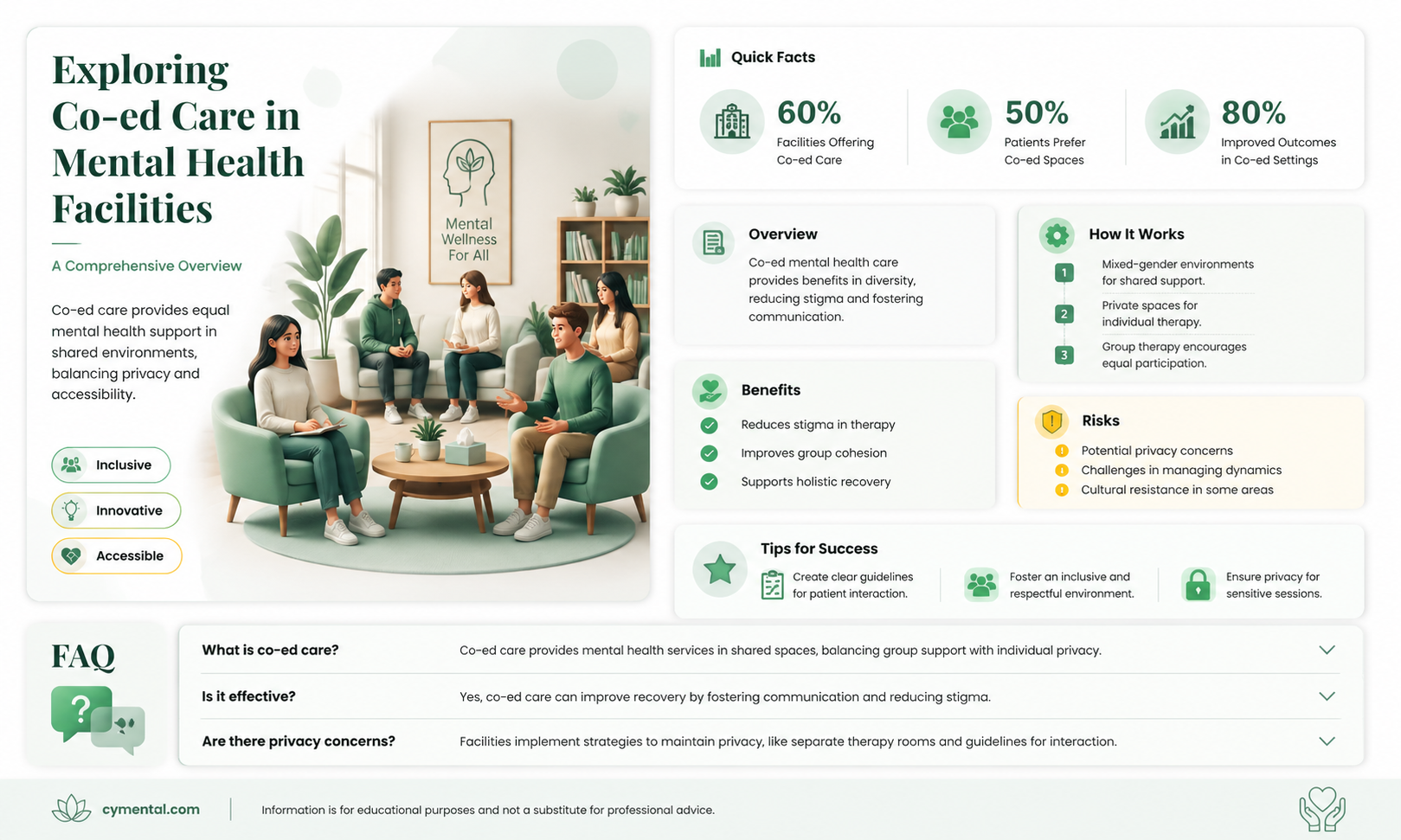
In mental health facilities, the question of whether males and females are ever housed together is a complex and sensitive topic. Historically, many institutions have operated under a gender-segregated model, citing reasons such as patient safety, privacy, and the prevention of potential conflicts or romantic entanglements. However, contemporary practices and policies are evolving, with some facilities adopting mixed-gender units to promote a more inclusive and rehabilitative environment. This shift is often accompanied by stringent guidelines and monitoring to ensure patient well-being and address any concerns that may arise. The debate surrounding this issue underscores the ongoing efforts to balance therapeutic goals with the rights and dignity of patients in mental health care settings.
Explore related products


What You'll Learn
- Co-ed Wards: Some mental hospitals have mixed-gender wards, promoting social interaction and normalization
- Gender-Specific Care: Others maintain separate wards, arguing that gender-specific environments can reduce anxiety and improve treatment outcomes
- Patient Demographics: The gender distribution among patients can vary widely, influencing the hospital's approach to care
- Staffing and Training: Hospitals must ensure that staff are trained to manage the unique needs of both male and female patients
- Privacy and Safety: Regardless of ward type, hospitals must prioritize patient privacy and safety, implementing strict protocols to prevent abuse

Co-ed Wards: Some mental hospitals have mixed-gender wards, promoting social interaction and normalization
In the realm of mental health care, the concept of co-ed wards has gained traction as a means to promote social interaction and normalization among patients. These mixed-gender wards are designed to create an environment where individuals can engage with peers of the opposite sex in a controlled and therapeutic setting. The primary goal is to foster a sense of community and reduce the stigma associated with mental illness by encouraging natural social dynamics.
One of the key benefits of co-ed wards is the opportunity for patients to develop social skills and practice healthy relationships. By interacting with individuals of the opposite gender, patients can learn to navigate social cues, improve communication, and build trust. This can be particularly beneficial for those who have experienced social isolation or have difficulty forming connections due to their mental health conditions.
Moreover, co-ed wards can help to break down gender stereotypes and promote a more inclusive environment. By allowing men and women to share the same living space, these wards challenge traditional notions of gender roles and encourage patients to view each other as equals. This can lead to a greater sense of mutual respect and understanding among patients, which can be instrumental in their recovery process.
However, it is important to note that co-ed wards also come with their own set of challenges. Ensuring patient safety and privacy is paramount, and staff must be trained to address any issues that may arise. Additionally, some patients may feel uncomfortable or anxious in a mixed-gender environment, and their needs must be taken into consideration.
Overall, co-ed wards represent a progressive approach to mental health care, offering patients the opportunity to engage in meaningful social interactions and develop essential life skills. While there are challenges to be addressed, the potential benefits of these wards make them a valuable component of comprehensive mental health treatment.
Exploring the Inner World: Life Inside a Mental Hospital
You may want to see also
Explore related products




Gender-Specific Care: Others maintain separate wards, arguing that gender-specific environments can reduce anxiety and improve treatment outcomes
In the realm of mental health care, the concept of gender-specific wards has been a topic of considerable debate. Proponents argue that separating males and females in mental hospitals can lead to a reduction in anxiety and an overall improvement in treatment outcomes. This perspective is rooted in the belief that gender differences are significant enough to warrant distinct environments for optimal therapeutic benefits.
One of the primary arguments in favor of gender-specific care is the potential to create a more comfortable and less stressful atmosphere for patients. By housing individuals of the same gender together, it is suggested that patients may feel more at ease, leading to a more conducive environment for recovery. This can be particularly relevant in cases where patients have experienced trauma or abuse, as being in a gender-specific ward may help them feel safer and more secure.
Moreover, advocates of gender-specific wards point to the possibility of tailoring treatment programs to better address the unique needs of each gender. For instance, therapy sessions and support groups could be designed with a focus on issues that are more prevalent or relevant to one gender, such as postpartum depression in women or substance abuse in men. This targeted approach, it is argued, can enhance the effectiveness of treatment and lead to better long-term outcomes.
However, it is essential to consider the potential drawbacks of gender-specific care as well. Critics argue that such a separation may perpetuate gender stereotypes and reinforce societal biases. Additionally, there is a concern that gender-specific wards could lead to a lack of diversity and limit opportunities for patients to interact with individuals of the opposite gender, which may be beneficial for their social development and reintegration into society.
In conclusion, the debate surrounding gender-specific care in mental hospitals is complex and multifaceted. While there are valid arguments in favor of such an approach, it is crucial to weigh these against the potential negative consequences. Ultimately, the decision to implement gender-specific wards should be based on a thorough consideration of the available evidence and a commitment to providing the best possible care for all patients, regardless of gender.
Understanding Dress Codes: What to Wear in a Mental Health Facility
You may want to see also
Explore related products


$59.99 $79.99


Patient Demographics: The gender distribution among patients can vary widely, influencing the hospital's approach to care
The demographic makeup of patients in mental health facilities can significantly influence the approach to care and treatment. Gender distribution, in particular, plays a crucial role in shaping the policies and practices of these institutions. In many cases, mental hospitals may have separate wards or units for male and female patients, especially in acute care settings. This segregation can be attributed to a variety of factors, including differences in the prevalence of certain mental health disorders, varying treatment needs, and considerations of privacy and safety.
For instance, studies have shown that women are more likely to be diagnosed with mood disorders such as depression and anxiety, while men are more commonly associated with substance abuse and personality disorders. These differences in diagnosis can lead to gender-specific treatment programs that address the unique needs of each group. Additionally, the physical and emotional safety of patients is a paramount concern, and separating genders can help mitigate risks of assault or harassment.
However, it is important to note that not all mental health facilities adopt a gender-segregated approach. Some institutions may opt for mixed-gender units, particularly in outpatient or residential settings, where the focus is on creating a more inclusive and supportive environment. In these cases, staff are trained to manage any potential issues that may arise from housing male and female patients together, such as establishing clear boundaries and providing education on respectful behavior.
The decision to segregate or integrate genders in mental health care is a complex one, influenced by a multitude of factors including clinical considerations, resource availability, and philosophical approaches to treatment. Ultimately, the goal is to provide the highest quality of care to all patients, regardless of gender, and to ensure that their individual needs are met in a safe and supportive environment.
Orson's Enigmatic Encounter: Unraveling the Mental Hospital Mystery
You may want to see also
Explore related products





Staffing and Training: Hospitals must ensure that staff are trained to manage the unique needs of both male and female patients
Hospitals must prioritize comprehensive staffing and training to effectively manage the unique needs of both male and female patients in mental health settings. This involves ensuring that all staff members, from nurses to psychiatrists, undergo specialized training to understand and address the distinct challenges faced by each gender. For instance, training programs should cover topics such as gender-specific mental health disorders, communication styles, and cultural sensitivities. By equipping staff with this knowledge, hospitals can provide more personalized and effective care, ultimately improving patient outcomes.
One critical aspect of staffing is maintaining an appropriate staff-to-patient ratio. This ensures that each patient receives adequate attention and care, reducing the risk of oversight or neglect. Additionally, hospitals should consider implementing gender-specific units or programs, where patients are grouped by gender to facilitate more targeted interventions and support. This approach can help create a safer and more comfortable environment for patients, allowing them to focus on their recovery without the added stress of gender-related issues.
Another key consideration is the importance of diversity among staff members. Hiring individuals from various backgrounds and experiences can help ensure that patients receive care from someone who understands their unique perspective. This can be particularly beneficial in mental health settings, where cultural and social factors often play a significant role in a patient's well-being. Furthermore, hospitals should encourage ongoing professional development and provide regular training updates to keep staff informed about the latest research and best practices in gender-specific mental health care.
In conclusion, effective staffing and training are essential components of providing high-quality mental health care that meets the unique needs of both male and female patients. By investing in specialized training, maintaining appropriate staffing ratios, implementing gender-specific programs, and promoting diversity among staff, hospitals can create a more supportive and therapeutic environment for all patients. This, in turn, can lead to better treatment outcomes and a more positive experience for those seeking mental health services.
Understanding Mental Health Care Options for Children Under 12
You may want to see also
Explore related products


Privacy and Safety: Regardless of ward type, hospitals must prioritize patient privacy and safety, implementing strict protocols to prevent abuse
Hospitals, regardless of the type of ward, have a fundamental responsibility to ensure the privacy and safety of all patients. This is particularly crucial in mental health settings, where individuals may be more vulnerable and require a higher level of protection. To fulfill this duty, healthcare institutions must implement stringent protocols and guidelines that safeguard patient information and prevent any form of abuse.
One key aspect of maintaining privacy is the proper handling and storage of patient records. Mental health facilities should have secure systems in place to protect sensitive information from unauthorized access. This includes physical records, which should be stored in locked cabinets or rooms, and electronic records, which should be password-protected and encrypted. Staff members should be trained on the importance of confidentiality and the proper procedures for accessing and sharing patient information.
In terms of safety, hospitals must take proactive measures to prevent abuse and ensure a secure environment for all patients. This includes conducting thorough background checks on all staff members and volunteers, as well as providing ongoing training on recognizing and reporting signs of abuse. Facilities should also have clear policies and procedures in place for responding to allegations of abuse, including prompt investigations and appropriate disciplinary actions.
Another important consideration is the design and layout of the hospital itself. Mental health wards should be designed with safety in mind, including features such as secure doors and windows, surveillance cameras, and adequate lighting. The physical environment should also be conducive to a sense of calm and well-being, with comfortable furnishings and soothing decor.
Ultimately, the key to ensuring patient privacy and safety in mental health hospitals is a commitment to continuous improvement and vigilance. By regularly reviewing and updating policies and procedures, and by fostering a culture of accountability and transparency, healthcare institutions can provide a safe and supportive environment for all patients, regardless of gender or other factors.
Unraveling the Complex Reasons Behind Mental Hospital Closures
You may want to see also
Frequently asked questions
In most mental health facilities, male and female patients are typically housed in separate wards or units to ensure privacy, safety, and to address gender-specific needs.
Separation can help reduce the risk of sexual assault or harassment, provide a more comfortable environment for patients to discuss sensitive issues, and allow for gender-specific treatment programs and activities.
Yes, in some facilities, there may be common areas or programs where male and female patients can interact under supervision, such as group therapy sessions, recreational activities, or dining areas.
Mental hospitals implement strict policies and procedures to maintain a safe environment, including staff supervision, security measures, and clear guidelines for patient behavior in shared spaces.