Harper Lewis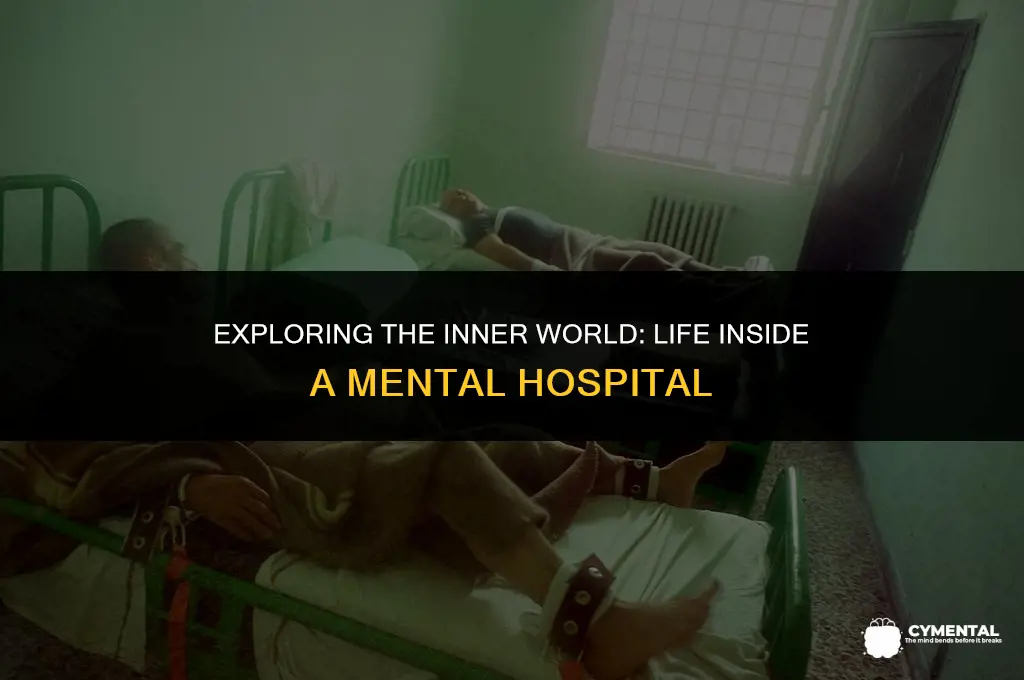
Entering a mental hospital can be a daunting experience, shrouded in mystery and often misunderstood. The reality, however, is far from the stereotypes. Inside, you'll find a structured environment designed to provide care and support to individuals struggling with mental health issues. Patients typically follow a daily routine that includes therapy sessions, medication management, and group activities aimed at promoting wellness and social interaction. The atmosphere is often calm and therapeutic, with staff members trained to offer compassionate assistance. While the experience can vary greatly depending on the individual's condition and the specific facility, the overarching goal is always to foster healing and recovery in a safe, supportive setting.
Explore related products




What You'll Learn
- Patient Rooms: Sparse, functional spaces with minimal personal belongings, designed for comfort and safety
- Daily Routines: Structured schedules including therapy sessions, medication rounds, and recreational activities to promote stability
- Staff Roles: Multidisciplinary teams comprising psychiatrists, nurses, therapists, and support staff work collaboratively for patient care
- Security Measures: Controlled access, surveillance cameras, and emergency protocols ensure the safety of patients and staff
- Patient Demographics: Diverse group of individuals varying in age, gender, and diagnosis, each with unique stories and needs

Patient Rooms: Sparse, functional spaces with minimal personal belongings, designed for comfort and safety
The patient rooms within a mental hospital are often stark and utilitarian, designed with the primary goal of ensuring safety and comfort for individuals undergoing treatment. These spaces are typically stripped of personal belongings, with only the essentials provided to minimize risks and distractions. The walls are usually painted in calming colors, such as soft blues or greens, to create a soothing environment. Furniture is sparse, consisting mainly of a bed, a small table, and perhaps a chair, all of which are securely anchored to prevent any potential harm.
One of the most striking features of these rooms is the absence of personal items. Patients are generally not allowed to bring in their own belongings, and even items like photographs or books may be restricted. This policy is in place to reduce the risk of self-harm or the triggering of negative emotions. Instead, the rooms are equipped with generic, non-threatening decorations that aim to create a neutral and calming atmosphere.
The design of the rooms also takes into account the need for constant supervision. Large windows or clear glass partitions allow staff to monitor patients without having to enter the room, ensuring both safety and privacy. The lighting is bright and even, eliminating any dark corners where a patient might feel threatened or isolated. Additionally, the rooms are often equipped with emergency call buttons, allowing patients to quickly summon help if needed.
Despite their spartan appearance, these rooms are intended to be as comfortable as possible. The beds are typically made with soft linens, and the temperature is carefully controlled to ensure a pleasant environment. Meals are usually brought to the rooms, and patients may be given access to a small kitchenette or common area where they can prepare simple snacks or drinks.
In conclusion, the patient rooms in a mental hospital are designed to be safe, functional, and comfortable, with a focus on minimizing risks and creating a calming environment. While they may appear austere, every aspect of their design is carefully considered to support the well-being of the patients.
Understanding Mental Health Inpatient Care Duration
You may want to see also
Explore related products


Daily Routines: Structured schedules including therapy sessions, medication rounds, and recreational activities to promote stability
Inside a mental hospital, daily routines are meticulously structured to promote stability and recovery. Patients typically wake up at a set time, often early in the morning, to begin their day with a sense of purpose and regularity. The first activity of the day might be a group exercise session or a quiet time for personal reflection, depending on the facility's approach and the patients' needs.
Therapy sessions are a cornerstone of the daily routine. These can include individual therapy, where patients work one-on-one with a therapist to address personal issues and develop coping strategies, as well as group therapy, which allows patients to share experiences and support one another. Family therapy sessions may also be scheduled, providing an opportunity for patients to work through issues with their loved ones in a controlled environment.
Medication rounds are another critical component of the daily schedule. Nurses or doctors will distribute medications at specific times throughout the day, ensuring that patients receive the correct dosages and adhere to their treatment plans. This routine helps to manage symptoms and maintain a stable mental state, which is essential for effective therapy and overall well-being.
Recreational activities are also integrated into the daily routine to promote physical health and mental stimulation. These might include arts and crafts, music therapy, yoga, or outdoor activities such as gardening or walking. Such activities not only provide a break from the more intensive therapy sessions but also help patients to develop new skills and interests, fostering a sense of accomplishment and self-esteem.
In addition to these structured activities, there are also opportunities for socialization and relaxation. Patients may have designated times for meals, during which they can interact with one another and build relationships. Free time is also typically scheduled, allowing patients to engage in leisure activities or simply rest and recharge.
Overall, the daily routines within a mental hospital are designed to create a balanced and supportive environment that promotes healing and growth. By providing a structured schedule that includes therapy, medication, and recreational activities, these routines help patients to establish a sense of stability and purpose, which is crucial for their recovery journey.
Understanding Involuntary Psychiatric Holds: When Can Police Detain You?
You may want to see also
Explore related products


Staff Roles: Multidisciplinary teams comprising psychiatrists, nurses, therapists, and support staff work collaboratively for patient care
Inside a mental hospital, the staff roles are multifaceted and crucial to patient care. Multidisciplinary teams work collaboratively, bringing together a diverse range of expertise to ensure comprehensive treatment. Psychiatrists, as the primary medical doctors, diagnose mental health conditions, prescribe medications, and oversee the overall treatment plan. Nurses play a vital role in administering medications, monitoring patients' physical health, and providing emotional support. Therapists, including psychologists, social workers, and occupational therapists, conduct individual and group therapy sessions, helping patients develop coping strategies and improve their mental well-being. Support staff, such as psychiatric technicians and administrative personnel, assist in daily operations, ensuring a smooth and safe environment for both patients and staff.
The collaborative nature of these teams is essential for effective patient care. Each member brings a unique perspective and skill set to the table, allowing for a holistic approach to treatment. For instance, a psychiatrist may diagnose a patient with depression and prescribe antidepressants, while a therapist helps the patient address underlying issues through cognitive-behavioral therapy. Nurses ensure the patient receives their medication as prescribed and monitor any side effects, while support staff assist with scheduling appointments and maintaining a clean and organized facility.
One of the key benefits of multidisciplinary teams is the ability to provide personalized care. Each patient's needs are unique, and a team approach allows for a tailored treatment plan that addresses their specific requirements. This can lead to better outcomes, as patients receive the specialized care they need to recover and manage their mental health conditions.
However, working in a mental hospital can also present challenges for staff. The environment can be emotionally demanding, and staff members must be able to manage their own stress and burnout. Additionally, there may be instances where patients exhibit aggressive or suicidal behavior, requiring staff to respond quickly and effectively to ensure safety. To address these challenges, mental hospitals often provide training and support for staff, including stress management workshops and crisis intervention training.
In conclusion, the staff roles inside a mental hospital are diverse and interconnected, each playing a critical part in providing comprehensive patient care. Multidisciplinary teams work together to diagnose, treat, and support patients, ensuring they receive the best possible care. While the work can be challenging, the rewards of helping patients recover and improve their mental health make it a fulfilling and important profession.
Understanding Involuntary Commitment: A Guide to Mental Health Hospitalization
You may want to see also
Explore related products


Security Measures: Controlled access, surveillance cameras, and emergency protocols ensure the safety of patients and staff
Controlled access is a cornerstone of security within mental health facilities. This involves the use of secure entry systems, such as keycards or biometric scanners, to restrict access to certain areas. Sensitive zones like medication rooms, patient records offices, and administrative areas are typically off-limits to unauthorized personnel. This not only protects patients' privacy and safety but also ensures that staff can perform their duties without interference.
Surveillance cameras play a crucial role in maintaining a secure environment. Strategically placed throughout the facility, these cameras monitor common areas, hallways, and outdoor spaces. This allows security personnel to quickly respond to any incidents or emergencies. Additionally, the presence of cameras can act as a deterrent to potential misconduct, promoting a safer atmosphere for both patients and staff.
Emergency protocols are essential for handling unexpected situations. Mental health facilities must be prepared for a range of emergencies, from medical crises to security breaches. Staff are trained in crisis intervention techniques, and regular drills ensure that everyone is familiar with evacuation procedures, lockdown protocols, and communication strategies. This preparedness helps to minimize the impact of emergencies and ensures a swift and effective response.
The combination of controlled access, surveillance cameras, and emergency protocols creates a multi-layered security approach. This comprehensive strategy helps to prevent incidents before they occur, respond quickly when they do, and protect the well-being of everyone within the facility. By prioritizing security, mental health facilities can provide a safe and supportive environment for patients to receive the care they need.
Navigating Mental Health Care: Self-Checkout from Psychiatric Facilities
You may want to see also
Explore related products


Patient Demographics: Diverse group of individuals varying in age, gender, and diagnosis, each with unique stories and needs
The demographic makeup of patients within a mental hospital is as varied as the diagnoses they carry. Each individual brings a unique tapestry of experiences, challenges, and strengths to the therapeutic environment. This diversity encompasses a broad spectrum of ages, from young adults grappling with emerging mental health issues to older individuals facing age-related cognitive decline or chronic conditions. Gender also plays a significant role, with different presenting needs and societal pressures influencing the mental health journeys of men, women, and non-binary individuals.
Diagnostically, the patient population can include those with mood disorders such as depression and bipolar disorder, anxiety disorders, psychotic disorders like schizophrenia, personality disorders, and substance use disorders. Each diagnosis comes with its own set of symptoms, treatment requirements, and prognoses, necessitating a tailored approach to care. For instance, a young adult with a recent onset of schizophrenia may require intensive therapy and medication management to stabilize their condition, while an older patient with depression might benefit from a combination of psychotherapy and social support to address underlying life changes and losses.
Beyond the clinical aspects, the personal stories and needs of each patient are crucial to understanding their experience within the hospital. Some may be struggling with recent traumatic events, while others may be dealing with long-term mental health challenges. Family dynamics, cultural background, and socioeconomic status also intersect with mental health, influencing both the presentation of symptoms and the accessibility of care. A patient from a low-income background may face different barriers to treatment than someone with more financial resources, highlighting the importance of addressing systemic inequalities within mental health services.
In conclusion, the patient demographics within a mental hospital reflect a microcosm of society, with all its complexities and diversities. Recognizing and respecting this diversity is essential for providing effective, individualized care that addresses not only the clinical needs but also the unique life circumstances of each patient. By doing so, mental health professionals can foster a more inclusive and supportive therapeutic environment that promotes recovery and well-being for all individuals.
Understanding the Cost of Mental Health Hospitalization: A Comprehensive Guide
You may want to see also
Frequently asked questions
The environment inside a mental hospital is designed to be safe, structured, and supportive. It typically includes individual rooms or wards, common areas for activities and socializing, and spaces for therapy and treatment. The atmosphere aims to be calm and therapeutic, with routines and schedules to provide stability and predictability for patients.
Patients in a mental hospital have access to a variety of activities designed to promote mental and emotional well-being. These may include group therapy sessions, individual counseling, recreational activities like art and music therapy, exercise programs, and educational workshops. The goal is to provide a holistic approach to treatment, addressing both the psychological and physical needs of the patients.
Mental hospitals prioritize patient safety and security through various measures. These include 24-hour supervision by trained staff, secure entry and exit points, and protocols for managing potentially dangerous situations. Additionally, there are often restrictions on personal belongings and access to certain areas to minimize risks. The staff is trained to de-escalate conflicts and provide appropriate interventions to ensure a safe environment for all patients.