Lucas Bennett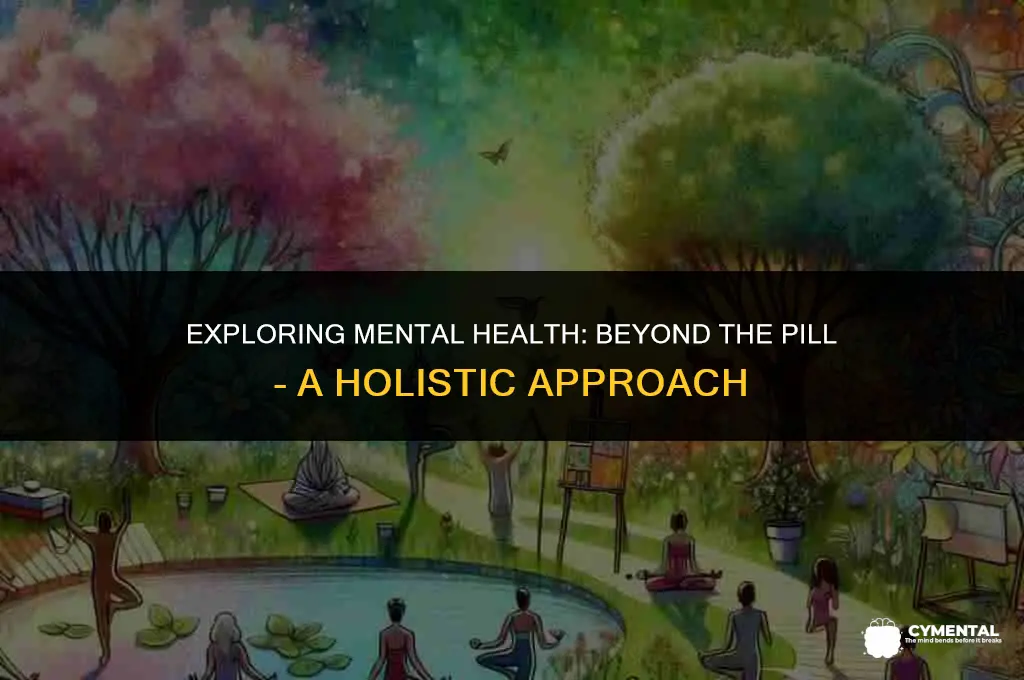
Medications are often a cornerstone in the treatment of mental health disorders, providing relief and stability for many individuals. However, the question arises: are medications always the answer? While they can be highly effective in managing symptoms, there is a growing recognition that a comprehensive approach to mental health may involve more than just pharmacological interventions. This includes integrating psychotherapy, lifestyle changes, social support, and other holistic strategies to address the complex nature of mental health conditions.
Explore related products


What You'll Learn
- Medication Efficacy: Do medications always work for mental health disorders What are the success rates
- Side Effects: What are the potential side effects of using medications for mental health disorders
- Non-Medication Treatments: What are some alternative treatments to medications for mental health disorders
- Personalized Treatment: How can treatment plans be tailored to individual needs beyond just medication
- Stigma and Misconceptions: What are some common misconceptions about using medications for mental health disorders

Medication Efficacy: Do medications always work for mental health disorders? What are the success rates?
Medication efficacy in mental health is a complex and multifaceted issue. While medications can be highly effective for many individuals, they do not work for everyone. Success rates vary widely depending on the specific disorder, the medication prescribed, and individual factors such as genetics, lifestyle, and overall health. For example, antidepressants are effective for about 60-70% of people with major depressive disorder, but this still leaves a significant portion of individuals for whom medication does not provide adequate relief.
One of the challenges in determining medication efficacy is the placebo effect. In clinical trials, a significant number of participants experience improvement in their symptoms when given a placebo, which is an inactive substance. This can make it difficult to distinguish between the actual effects of the medication and the psychological impact of taking a treatment. To account for this, researchers use randomized controlled trials (RCTs) where participants are randomly assigned to receive either the medication or a placebo. However, even in RCTs, the placebo effect can be substantial, leading to overestimations of medication efficacy.
Another factor influencing medication efficacy is adherence. Many individuals do not take their medications as prescribed, which can significantly reduce their effectiveness. Non-adherence can be due to a variety of reasons, including side effects, cost, forgetfulness, or lack of understanding about the importance of consistent medication use. Improving adherence through education, reminders, and support can enhance the overall efficacy of mental health medications.
Personalized medicine is an emerging approach that aims to tailor treatment to the individual's unique characteristics. By using genetic testing and other biomarkers, clinicians can identify which medications are likely to be most effective for a particular person and at what dosage. This can help to improve medication efficacy and reduce the trial-and-error approach that is often used in prescribing mental health medications.
In conclusion, while medications can be a valuable tool in the treatment of mental health disorders, their efficacy is not universal. Success rates vary, and factors such as the placebo effect, adherence, and individual differences play a significant role in determining how well medications work. Personalized medicine offers promise in improving medication efficacy by tailoring treatment to the individual's unique needs.
Exploring Kanye West's Mental Health: A Compassionate Perspective
You may want to see also
Explore related products


$19.95


Side Effects: What are the potential side effects of using medications for mental health disorders?
Medications for mental health disorders can have a range of side effects, varying from mild to severe. These side effects can impact a person's daily functioning, overall well-being, and even their physical health. It is crucial for individuals to be aware of these potential side effects and to discuss them with their healthcare provider before starting any new medication.
One common side effect of many mental health medications is drowsiness or fatigue. This can make it difficult for individuals to stay alert and focused during the day, potentially affecting their work or school performance. Other side effects may include dry mouth, constipation, or weight gain. These physical side effects can be uncomfortable and may require additional medical attention or adjustments to the medication dosage.
In some cases, mental health medications can also cause more serious side effects, such as increased risk of suicidal thoughts or behaviors, especially in young people. This is why it is essential for healthcare providers to closely monitor patients, particularly during the initial stages of treatment. Additionally, some medications may interact with other drugs or substances, leading to potentially dangerous combinations.
It is important to note that not everyone will experience side effects from mental health medications, and the severity of side effects can vary greatly from person to person. Healthcare providers will typically weigh the potential benefits of a medication against the possible side effects before prescribing it. They may also recommend lifestyle changes or alternative treatments to help manage side effects or reduce the need for medication altogether.
Ultimately, while medications can be an effective tool in treating mental health disorders, they are not without risks. Individuals should be fully informed about the potential side effects and should work closely with their healthcare provider to find the best treatment approach for their specific needs. This may involve a combination of medication, therapy, and lifestyle changes to achieve optimal mental health and well-being.
Understanding OCD: Is It a Mental Health Disorder?
You may want to see also
Explore related products


$47.73 $70.99


Non-Medication Treatments: What are some alternative treatments to medications for mental health disorders?
While medications can be effective in treating mental health disorders, they are not always the answer. Non-medication treatments offer alternative approaches that can be used alone or in conjunction with medication. One such treatment is cognitive-behavioral therapy (CBT), which focuses on identifying and changing negative thought patterns and behaviors. CBT has been shown to be effective in treating a variety of mental health disorders, including depression, anxiety, and post-traumatic stress disorder (PTSD).
Another non-medication treatment is mindfulness-based stress reduction (MBSR), which involves practicing mindfulness meditation to reduce stress and improve emotional well-being. MBSR has been found to be effective in reducing symptoms of anxiety and depression, as well as improving sleep quality and overall quality of life.
In addition to CBT and MBSR, other non-medication treatments for mental health disorders include physical exercise, yoga, and acupuncture. Physical exercise has been shown to reduce symptoms of depression and anxiety, while yoga and acupuncture have been found to be effective in reducing stress and improving mood.
It is important to note that non-medication treatments may not be appropriate for everyone, and it is essential to consult with a mental health professional to determine the best course of treatment. In some cases, a combination of medication and non-medication treatments may be the most effective approach.
When considering non-medication treatments, it is also important to be aware of potential risks and side effects. For example, while physical exercise is generally safe, it is important to start slowly and gradually increase intensity to avoid injury. Similarly, while yoga and acupuncture are generally considered safe, it is important to find a qualified practitioner to minimize the risk of adverse effects.
In conclusion, non-medication treatments offer a range of alternative approaches for treating mental health disorders. These treatments can be effective in reducing symptoms and improving overall well-being, and they may be particularly beneficial for individuals who prefer not to take medication or who have not found medication to be effective. However, it is essential to consult with a mental health professional to determine the best course of treatment and to be aware of potential risks and side effects.
Unraveling the Complexities: Why Mental Disorders Exist
You may want to see also
Explore related products


Personalized Treatment: How can treatment plans be tailored to individual needs beyond just medication?
While medications can be a crucial component in managing mental health disorders, they are not always the sole solution. Personalized treatment plans that extend beyond pharmacological interventions can significantly enhance patient outcomes. Tailoring treatment to individual needs involves a comprehensive approach that considers a person's unique circumstances, preferences, and goals.
One key aspect of personalized treatment is psychotherapy. Various forms of talk therapy, such as cognitive-behavioral therapy (CBT), dialectical behavior therapy (DBT), and interpersonal therapy (IPT), can be adapted to address specific issues and personality traits. For instance, CBT might be used to help someone with anxiety disorders reframe negative thoughts, while DBT could be beneficial for individuals with borderline personality disorder who struggle with emotional regulation.
In addition to psychotherapy, lifestyle modifications can play a significant role in mental health treatment. This includes incorporating regular exercise, a balanced diet, and adequate sleep into a patient's routine. For some, alternative therapies like yoga, meditation, or art therapy might provide additional benefits. These approaches can be particularly helpful for individuals who prefer non-pharmacological options or who have not responded well to medication alone.
Another important consideration in personalized treatment is the patient's social support system. Building and maintaining strong relationships with family and friends can be a vital part of recovery. Support groups and community resources can also offer valuable connections and assistance. For example, someone struggling with depression might benefit from joining a local support group where they can share experiences and coping strategies with others facing similar challenges.
Ultimately, personalized treatment recognizes that each individual's journey to mental wellness is unique. By combining various therapeutic approaches, lifestyle changes, and support systems, treatment plans can be tailored to address the specific needs and preferences of each patient. This holistic approach can lead to more effective and sustainable outcomes, helping individuals achieve a higher quality of life beyond just symptom management.
Understanding Gender Identity: Is Transgenderism a Mental Disorder?
You may want to see also
Explore related products


Stigma and Misconceptions: What are some common misconceptions about using medications for mental health disorders?
One common misconception about using medications for mental health disorders is that they are a quick fix or a cure-all. This belief can lead to unrealistic expectations and disappointment when the medication does not immediately resolve all symptoms. In reality, medications often take time to work, and their effectiveness can vary greatly from person to person. It is also important to note that medications are typically most effective when used in conjunction with other forms of treatment, such as therapy or lifestyle changes.
Another misconception is that medications for mental health disorders are addictive. While it is true that some medications, particularly benzodiazepines and opioids, can be habit-forming, the majority of psychiatric medications are not considered addictive. However, it is still important for individuals to follow their healthcare provider's instructions carefully and to be aware of the potential risks associated with their specific medication.
A third misconception is that medications for mental health disorders will change a person's personality or make them feel numb. This fear can be particularly concerning for individuals who are worried about losing their sense of self or their ability to experience emotions. In reality, while medications can affect mood and emotions, they are not designed to fundamentally alter a person's personality. It is also important to note that the goal of medication is not to suppress emotions, but rather to help individuals manage their symptoms and improve their overall quality of life.
Finally, there is a misconception that medications for mental health disorders are only for "crazy" or "insane" people. This stigma can prevent individuals from seeking help and can lead to feelings of shame or embarrassment. In reality, mental health disorders are common and can affect anyone, regardless of their background or circumstances. Medications can be a valuable tool in managing these disorders and improving overall well-being.
To combat these misconceptions, it is important to educate individuals about the realities of mental health disorders and the role that medications can play in treatment. This includes providing accurate information about the potential benefits and risks of medication, as well as promoting a more nuanced understanding of mental health and well-being. By addressing these misconceptions head-on, we can help to reduce stigma and improve access to effective mental health care.
Serving with a Mental Disorder: Understanding Military Recruitment Policies
You may want to see also
Frequently asked questions
No, medications are not always the answer in mental health disorders. While they can be effective in managing symptoms for many individuals, they are just one part of a comprehensive treatment plan. Other approaches such as psychotherapy, lifestyle changes, and social support can also play crucial roles in addressing mental health issues.
Some alternative treatments to medication for mental health disorders include cognitive-behavioral therapy (CBT), mindfulness-based therapies, physical exercise, dietary changes, and social support networks. These approaches can help individuals develop coping strategies, improve their mental well-being, and reduce symptoms without the use of medication.
Medication might be necessary for treating mental health disorders when symptoms are severe, persistent, or significantly impacting an individual's daily functioning. In cases where other treatments have not been effective or when there is a risk of harm to oneself or others, medication can provide essential relief and support as part of a broader treatment plan.