Ava Ramirez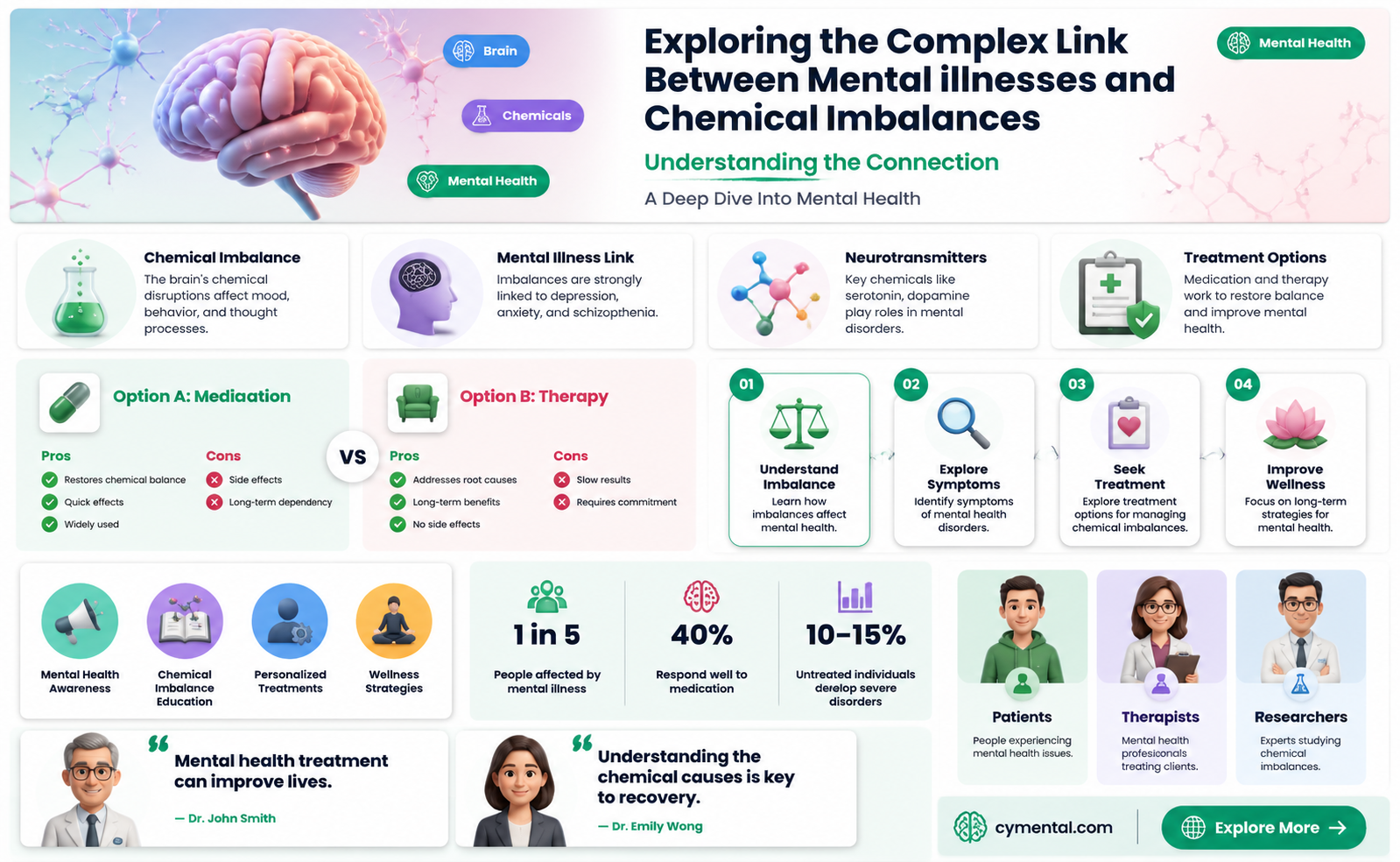
The question of whether mental illnesses are caused by chemical imbalances in the brain has been a subject of significant debate and research in the field of psychiatry and neuroscience. While the idea that mental health conditions can be attributed to imbalances in neurotransmitters like serotonin, dopamine, and norepinephrine has been widely accepted, recent studies have challenged this simplistic view. Researchers argue that mental illnesses are likely the result of a complex interplay between genetic, environmental, and psychological factors, rather than just chemical imbalances. This nuanced understanding has important implications for the diagnosis, treatment, and stigma surrounding mental health conditions.
| Characteristics | Values |
|---|---|
| Type of statement | Claim |
| Topic | Mental illnesses |
| Specific assertion | Caused by chemical imbalances |
| Scientific consensus | Disputed |
| Evidence | Limited and inconclusive |
| Alternative explanations | Psychological, social, genetic factors |
| Implications | Potential for stigma, oversimplification of complex issues |
| Public perception | Widely believed, but increasingly challenged |
| Expert opinion | Varied, with some supporting and others refuting the claim |
| Research focus | Ongoing studies into neurobiology and genetics of mental health |
Explore related products


What You'll Learn
- Neurotransmitter Theory: Suggests mental illnesses result from imbalances in brain chemicals like serotonin and dopamine
- Genetic Factors: Mental health conditions may be inherited, influencing brain chemistry and structure
- Environmental Influences: Stress, trauma, and social factors can alter brain chemistry, potentially leading to mental illness
- Brain Structure Abnormalities: Differences in brain regions and connectivity may contribute to mental health disorders
- Medication and Therapy: Treatments like antidepressants and psychotherapy aim to correct chemical imbalances and alleviate symptoms

Neurotransmitter Theory: Suggests mental illnesses result from imbalances in brain chemicals like serotonin and dopamine
Neurotransmitter theory posits that mental illnesses are the result of imbalances in certain brain chemicals, notably serotonin and dopamine. This theory has been influential in shaping modern psychiatric treatments, particularly the development of selective serotonin reuptake inhibitors (SSRIs) and other medications aimed at correcting these imbalances. The idea is that by adjusting the levels of these neurotransmitters, one can alleviate symptoms of mental health disorders such as depression, anxiety, and schizophrenia.
Serotonin is often referred to as the "feel-good" neurotransmitter due to its role in regulating mood, appetite, and sleep. Imbalances in serotonin have been linked to conditions like major depressive disorder and obsessive-compulsive disorder. Dopamine, on the other hand, is associated with reward, motivation, and movement. Abnormalities in dopamine levels are implicated in disorders such as Parkinson's disease and schizophrenia.
One of the key pieces of evidence supporting neurotransmitter theory is the effectiveness of SSRIs in treating depression. These medications work by increasing the availability of serotonin in the brain, which can lead to improved mood and reduced symptoms of depression. Similarly, antipsychotic medications often target dopamine receptors to help manage symptoms of schizophrenia.
However, neurotransmitter theory is not without its criticisms. Some argue that the relationship between neurotransmitter levels and mental illness is more complex than a simple imbalance. Environmental factors, genetics, and other biological processes also play significant roles in the development of mental health disorders. Additionally, the long-term effects of altering neurotransmitter levels through medication are not fully understood, and some patients may experience side effects or develop tolerance to the drugs.
Despite these limitations, neurotransmitter theory remains a cornerstone of modern psychiatric practice. It provides a framework for understanding the biological basis of mental illness and has led to the development of effective treatments for many conditions. Ongoing research continues to explore the intricacies of neurotransmitter function and their role in mental health, with the goal of developing more targeted and personalized therapies.
Exploring the Link Between Cannabis Use and Mental Health
You may want to see also
Explore related products


Genetic Factors: Mental health conditions may be inherited, influencing brain chemistry and structure
Recent studies have shown that genetic factors play a significant role in the development of mental health conditions. For instance, research on twins has revealed that when one twin develops a mental illness, the other twin is more likely to develop the same condition if they are identical twins, who share 100% of their genes, compared to fraternal twins, who share only 50% of their genes. This suggests that there is a strong genetic component to mental health conditions.
Furthermore, scientists have identified specific genes that may contribute to the risk of developing mental illnesses. For example, the gene known as BDNF, which codes for a protein called brain-derived neurotrophic factor, has been linked to depression and anxiety disorders. Variations in this gene can affect the regulation of mood and emotional responses, making individuals more susceptible to these conditions.
In addition to genetic predispositions, environmental factors can also influence the development of mental health conditions. For instance, exposure to trauma, stress, or substance abuse can trigger the onset of mental illnesses in individuals who may have a genetic predisposition. This interaction between genetic and environmental factors is complex and not fully understood, but it is clear that both play a significant role in the development of mental health conditions.
Understanding the genetic basis of mental health conditions has important implications for treatment and prevention. For example, genetic testing may help identify individuals who are at high risk of developing certain mental illnesses, allowing for early intervention and prevention strategies. Additionally, knowledge of the genetic factors involved in mental health conditions may lead to the development of more targeted and effective treatments.
In conclusion, while the exact causes of mental health conditions are still not fully understood, it is clear that genetic factors play a significant role in their development. Further research is needed to fully understand the complex interactions between genetic and environmental factors and to develop more effective treatments and prevention strategies.
Unraveling the Genetic Links to Mental Disabilities: A Scientific Exploration
You may want to see also
Explore related products

$19.99 $19.99


$7.76 $18.99


Environmental Influences: Stress, trauma, and social factors can alter brain chemistry, potentially leading to mental illness
Stress, trauma, and social factors can significantly alter brain chemistry, potentially leading to mental illness. This is a critical aspect to consider when exploring the causes of mental health disorders. Chronic stress, for instance, can lead to elevated levels of cortisol, a hormone that, when persistently high, can impair cognitive function and contribute to conditions such as depression and anxiety. Trauma, whether physical or emotional, can also have a profound impact on brain chemistry. Traumatic experiences can lead to changes in the brain's structure and function, particularly in areas responsible for emotional regulation and memory, such as the amygdala and hippocampus. These changes can manifest as symptoms of post-traumatic stress disorder (PTSD), including flashbacks, nightmares, and heightened arousal.
Social factors, including socioeconomic status, social support networks, and cultural background, can also influence mental health. Individuals living in poverty or experiencing social isolation may be more susceptible to mental illness due to the chronic stress and lack of resources associated with these conditions. Conversely, strong social support networks can act as a protective factor against mental health disorders, providing emotional support and helping to mitigate the effects of stress. Cultural background can also play a role, as different cultures may have varying norms and values surrounding mental health, which can influence an individual's experience and expression of mental illness.
Environmental influences can interact with genetic predispositions to further increase the risk of mental illness. For example, individuals with a family history of mental health disorders may be more vulnerable to the effects of stress and trauma. This interaction between genetic and environmental factors highlights the complex nature of mental illness and the need for a multifaceted approach to understanding and treating these conditions.
In conclusion, environmental influences such as stress, trauma, and social factors can significantly alter brain chemistry and contribute to the development of mental illness. Understanding these influences is crucial for developing effective prevention and treatment strategies. By addressing these environmental factors, we can work towards reducing the incidence and impact of mental health disorders.
Exploring the Link: Epilepsy and Mental Health in Adulthood
You may want to see also
Explore related products



Brain Structure Abnormalities: Differences in brain regions and connectivity may contribute to mental health disorders
Recent studies have revealed that differences in brain structure and connectivity may play a significant role in the development of mental health disorders. This finding challenges the traditional view that mental illnesses are solely caused by chemical imbalances. While neurotransmitter imbalances are indeed a contributing factor, the intricate architecture of the brain and its neural networks also appear to be crucial in understanding the underlying mechanisms of mental health conditions.
One key area of interest is the prefrontal cortex, which is responsible for executive functions such as decision-making, impulse control, and emotional regulation. In individuals with mental health disorders, this region often exhibits reduced volume and altered connectivity patterns. For example, in patients with depression, the prefrontal cortex may show decreased activity and connectivity with other brain regions involved in mood regulation, such as the amygdala and hippocampus.
Another important aspect is the role of white matter tracts, which are bundles of nerve fibers that facilitate communication between different brain regions. In mental health disorders, these tracts may be compromised, leading to disrupted neural circuits and impaired cognitive and emotional functioning. For instance, in individuals with schizophrenia, white matter tracts connecting the prefrontal cortex to other regions may be thinner and less organized, contributing to the characteristic symptoms of the disorder.
Furthermore, advances in neuroimaging techniques, such as functional magnetic resonance imaging (fMRI) and diffusion tensor imaging (DTI), have enabled researchers to visualize and analyze brain structure and connectivity in unprecedented detail. These tools have provided valuable insights into the neural underpinnings of mental health disorders and have the potential to revolutionize the way we diagnose and treat these conditions.
In conclusion, while chemical imbalances remain an important factor in mental health disorders, the emerging evidence suggests that brain structure abnormalities and connectivity issues also play a critical role. This expanded understanding of the complex interplay between brain structure, connectivity, and mental health has the potential to lead to more effective and targeted interventions for individuals struggling with these conditions.
Exploring the Link: UTIs and Mental Confusion
You may want to see also
Explore related products


$154.51 $190


$16.79


Medication and Therapy: Treatments like antidepressants and psychotherapy aim to correct chemical imbalances and alleviate symptoms
Antidepressants are a common medication prescribed to treat mental illnesses such as depression and anxiety. These medications work by increasing the levels of certain neurotransmitters in the brain, such as serotonin and norepinephrine, which are believed to play a role in regulating mood. Psychotherapy, on the other hand, is a form of talk therapy that aims to help individuals identify and change negative thought patterns and behaviors. Cognitive-behavioral therapy (CBT) is a popular form of psychotherapy that has been shown to be effective in treating a variety of mental illnesses.
While medication and therapy can be effective in treating mental illnesses, they are not without their limitations. Antidepressants can have side effects such as nausea, dizziness, and sexual dysfunction, and they may not work for everyone. Psychotherapy can be time-consuming and expensive, and it may not be accessible to everyone. Additionally, both medication and therapy may not address the underlying causes of mental illnesses, such as social and environmental factors.
Despite these limitations, medication and therapy remain important tools in the treatment of mental illnesses. They can help alleviate symptoms and improve quality of life for many individuals. It is important to note, however, that they should not be seen as a cure-all for mental illnesses. A comprehensive approach to treatment that includes lifestyle changes, social support, and other interventions may be necessary for long-term recovery.
In recent years, there has been growing interest in alternative and complementary treatments for mental illnesses. These include practices such as mindfulness meditation, yoga, and acupuncture. While the evidence for the effectiveness of these treatments is still limited, they may offer additional options for individuals who are looking for ways to manage their mental health.
Ultimately, the treatment of mental illnesses is a complex and multifaceted issue. Medication and therapy are important tools, but they should be seen as part of a larger approach to mental health that includes a range of interventions and supports. By working together, individuals and healthcare providers can develop personalized treatment plans that address the unique needs and circumstances of each person.
Unraveling the Complex Roots of Insanity: A Deep Dive
You may want to see also
Frequently asked questions
The idea that mental illnesses are caused by chemical imbalances in the brain is a common misconception. While neurotransmitters and other chemicals play a role in brain function, mental illnesses are complex and multifaceted, involving a combination of genetic, environmental, and psychological factors.
Neurotransmitters are chemicals that help transmit signals between neurons in the brain. They play a crucial role in regulating mood, behavior, and cognitive function. Imbalances in certain neurotransmitters, such as serotonin and dopamine, have been linked to some mental health conditions, but they are not the sole cause of mental illness.
Medications for mental illness, such as antidepressants and antipsychotics, work by affecting the levels of certain neurotransmitters in the brain. For example, selective serotonin reuptake inhibitors (SSRIs) increase the levels of serotonin, which can help improve mood and reduce symptoms of depression. However, these medications do not cure mental illness and are often used in conjunction with therapy and other treatments.