Harper Lewis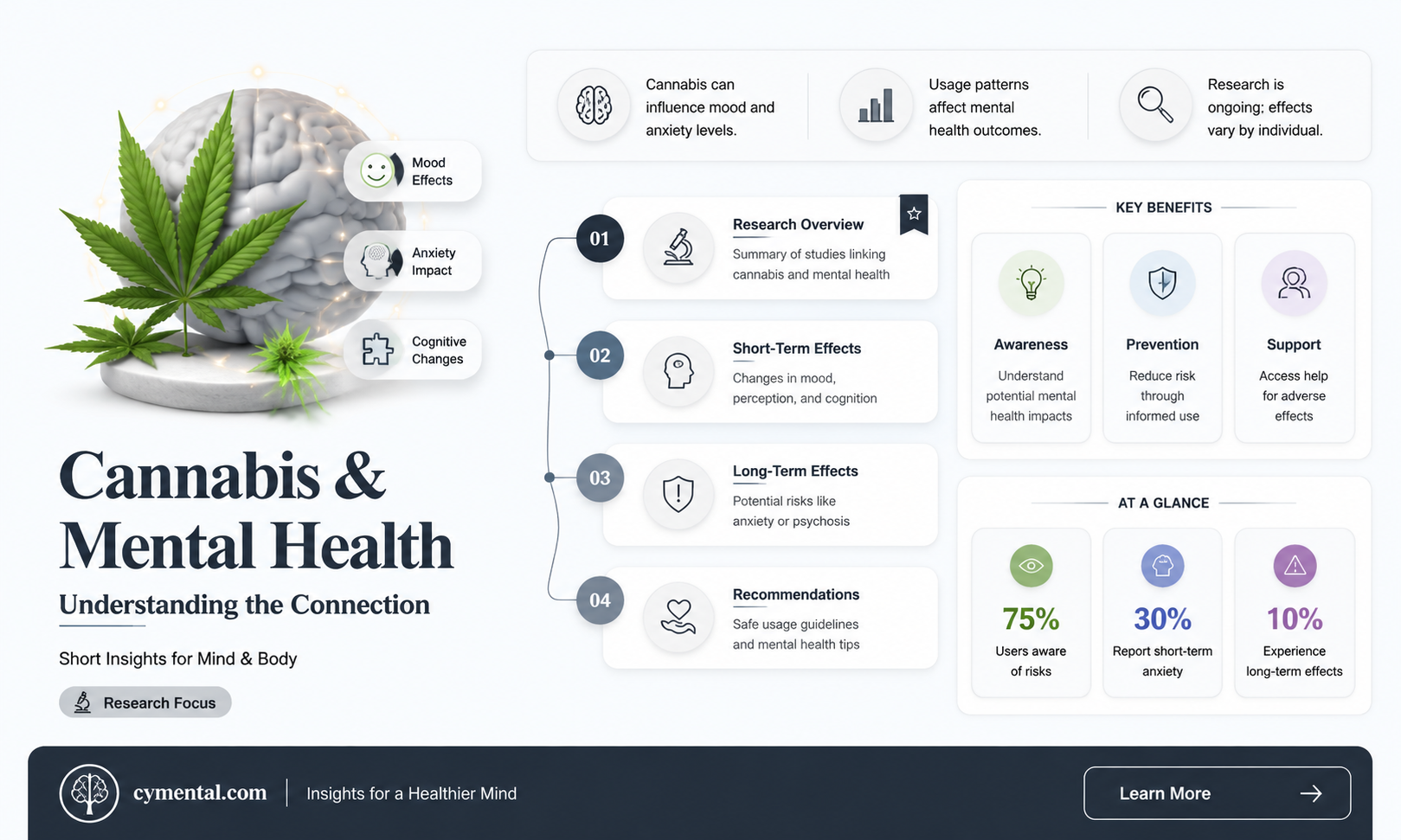
The question of whether cannabis use can cause mental illness is a complex and contentious issue that has been the subject of extensive research and debate. While some studies suggest a correlation between cannabis use and the development of mental health conditions such as schizophrenia and anxiety, others argue that the relationship is not causal and that cannabis may even have therapeutic benefits for certain mental health issues. It is important to consider the nuances of this topic, including the potential risks and benefits of cannabis use, as well as the influence of other factors such as genetics, environment, and individual susceptibility. Ultimately, a comprehensive understanding of the relationship between cannabis and mental illness requires a balanced and evidence-based approach.
| Characteristics | Values |
|---|---|
| Potential Risk | Increased risk of mental health issues |
| Severity | Can range from mild to severe |
| Onset | Symptoms may appear suddenly or gradually |
| Duration | Can be short-term or long-term |
| Reversibility | Some effects may be reversible, others permanent |
| Individual Vulnerability | Varies by person, influenced by genetics and environment |
| Common Disorders | Anxiety, depression, paranoia, psychosis |
| Treatment Options | Therapy, medication, lifestyle changes |
| Prevention | Harm reduction strategies, education, early intervention |
| Research Status | Ongoing studies to understand causal relationships |
What You'll Learn
- Correlation vs. Causation: Exploring the relationship between cannabis use and mental health issues
- THC and Psychosis: Investigating how high THC levels in cannabis might contribute to psychotic disorders
- Early Use and Brain Development: Discussing the potential impact of early cannabis use on adolescent brain development
- Genetic Predisposition: Examining whether genetic factors influence the likelihood of developing mental illness from cannabis use
- Dosage and Frequency: Analyzing how the amount and frequency of cannabis consumption affect mental health outcomes

Correlation vs. Causation: Exploring the relationship between cannabis use and mental health issues
The relationship between cannabis use and mental health issues is a complex and contentious topic. While some studies suggest a correlation between the two, establishing causation has proven challenging. It's essential to understand that correlation does not imply causation; just because two variables are related doesn't mean one causes the other. In the case of cannabis and mental health, various factors could contribute to this correlation, including genetic predispositions, environmental influences, and individual circumstances.
One of the primary challenges in determining causation is the lack of longitudinal studies that track individuals over an extended period. Such studies would be necessary to establish whether cannabis use precedes the onset of mental health issues or if it's the other way around. Additionally, the potency and type of cannabis used can vary significantly, which further complicates the analysis. Some studies have suggested that high-potency cannabis may be more likely to cause mental health issues, but more research is needed to confirm this.
Another critical aspect to consider is the role of confounding variables. These are factors that could influence both cannabis use and mental health issues, such as socioeconomic status, education level, and access to healthcare. Failing to account for these variables can lead to misleading conclusions about the relationship between cannabis and mental health.
In conclusion, while there is a correlation between cannabis use and mental health issues, establishing causation requires more comprehensive and nuanced research. It's crucial to consider various factors, including genetic predispositions, environmental influences, and individual circumstances, to gain a deeper understanding of this complex relationship.
Exploring the Link: Thyroid Function and Mental Health
You may want to see also
THC and Psychosis: Investigating how high THC levels in cannabis might contribute to psychotic disorders
Recent studies have shed light on the potential link between high THC levels in cannabis and the development of psychotic disorders. THC, the primary psychoactive compound in cannabis, has been found to alter brain function in ways that may precipitate psychosis, particularly in individuals with a genetic predisposition. Research indicates that exposure to high concentrations of THC can lead to an increased risk of psychotic episodes, characterized by symptoms such as hallucinations, delusions, and disorganized thinking.
One study published in the journal *Lancet Psychiatry* found that individuals who used cannabis with high THC content were more likely to experience psychotic symptoms compared to those who used cannabis with lower THC levels. The study also suggested that the frequency and duration of cannabis use may play a role in the development of psychosis, with daily use and longer periods of use associated with a higher risk.
Further research is needed to fully understand the relationship between THC and psychosis, including the potential mechanisms by which THC may contribute to the development of psychotic disorders. It is also important to consider the role of other factors, such as genetic vulnerability, environmental stressors, and individual differences in cannabis use patterns.
In light of these findings, it is crucial for policymakers, healthcare professionals, and the public to be aware of the potential risks associated with high THC cannabis use. Education and prevention efforts should focus on reducing the use of high THC cannabis products, particularly among vulnerable populations such as adolescents and young adults. Additionally, further research is needed to develop effective interventions for individuals who may be at risk of developing psychosis due to cannabis use.
Unraveling the Link: Mental Health Conditions and Personal Hygiene Challenges
You may want to see also
Early Use and Brain Development: Discussing the potential impact of early cannabis use on adolescent brain development
Adolescent brains are still developing, and early cannabis use can potentially disrupt this critical process. Research suggests that the endocannabinoid system, which is affected by cannabis, plays a crucial role in brain maturation. Premature activation of this system through cannabis use may lead to long-term changes in brain structure and function.
Studies have shown that early cannabis use is associated with alterations in the prefrontal cortex, a region responsible for decision-making, impulse control, and emotional regulation. This could increase the risk of developing mental health issues such as anxiety, depression, and psychosis. Additionally, early use may affect the hippocampus, which is important for memory and learning, potentially leading to cognitive impairments.
The timing of cannabis use is critical. The earlier an individual starts using cannabis, the greater the potential impact on brain development. For example, a study published in the Journal of the American Medical Association found that individuals who started using cannabis before the age of 16 had a higher risk of developing psychosis compared to those who started later.
It's also important to consider the potency of the cannabis being used. Modern cannabis strains are often much stronger than those available in the past, which may increase the risk of adverse effects on brain development. Furthermore, the method of consumption can influence the impact on the brain. For instance, dabbing, which involves inhaling concentrated cannabis oil, can lead to higher levels of THC in the bloodstream, potentially exacerbating the effects on brain development.
In conclusion, while more research is needed to fully understand the relationship between early cannabis use and brain development, the available evidence suggests that it is a significant concern. Parents, educators, and policymakers should be aware of the potential risks and take steps to prevent early cannabis use among adolescents.
Exploring the Link: UTI's Impact on Mental Status in Young Adults
You may want to see also
Genetic Predisposition: Examining whether genetic factors influence the likelihood of developing mental illness from cannabis use
Recent studies have shed light on the complex interplay between genetics and cannabis use in the development of mental illness. Researchers have identified specific genetic variations that may increase an individual's susceptibility to adverse psychiatric effects from cannabis consumption. For instance, a study published in the journal *Nature Neuroscience* found that a genetic variant in the AKT1 gene was associated with a higher risk of psychosis in individuals who used cannabis.
Furthermore, twin studies have provided valuable insights into the heritability of cannabis-related mental health issues. By comparing the concordance rates of cannabis use and mental illness between identical and fraternal twins, researchers can estimate the genetic contribution to these conditions. One such study, conducted by the University of Colorado, revealed that genetic factors accounted for approximately 40% of the variance in cannabis use disorder and 30% of the variance in cannabis-induced psychosis.
In addition to genetic predisposition, epigenetic factors also play a crucial role in modulating the effects of cannabis on mental health. Epigenetics refers to changes in gene expression that do not involve alterations to the DNA sequence itself. These changes can be influenced by environmental factors, including cannabis use. A study published in the *Journal of Psychiatric Research* found that cannabis use was associated with alterations in DNA methylation patterns, particularly in genes involved in stress response and immune function.
It is essential to note that while genetic and epigenetic factors can influence the likelihood of developing mental illness from cannabis use, they do not predetermine an individual's fate. Environmental factors, such as the age of onset of cannabis use, the potency of the cannabis, and the frequency and duration of use, also play a significant role in shaping mental health outcomes. Moreover, access to mental health services, social support, and evidence-based interventions can help mitigate the risks associated with cannabis use, even in individuals with a genetic predisposition.
In conclusion, the relationship between genetic predisposition and cannabis-related mental illness is complex and multifaceted. While genetic and epigenetic factors can increase an individual's susceptibility to adverse psychiatric effects, environmental factors and access to support services also play a crucial role. Further research is needed to fully understand the intricate interplay between these factors and to develop targeted interventions for individuals at risk.
Unraveling the Link: Mental Illness and Excessive Talking
You may want to see also
Dosage and Frequency: Analyzing how the amount and frequency of cannabis consumption affect mental health outcomes
The relationship between cannabis dosage and frequency and mental health outcomes is complex and multifaceted. Research indicates that both the amount and the regularity of cannabis use can significantly impact mental health, with potential risks increasing as consumption becomes more frequent and dosages higher. For instance, a study published in the *Journal of Psychiatric Research* found that individuals who used cannabis daily were more likely to experience symptoms of anxiety and depression compared to those who used it less frequently.
One critical factor to consider is the potency of the cannabis being consumed. Modern cannabis products can vary widely in their THC content, the primary psychoactive compound responsible for the 'high' sensation. Higher THC concentrations can lead to more pronounced mental health effects, including increased risk of psychosis and paranoia. It is essential for users to be aware of the THC levels in their products and to start with lower doses, gradually increasing as needed and tolerated.
Frequency of use also plays a significant role in mental health outcomes. Regular, heavy use of cannabis has been linked to a higher risk of developing cannabis use disorder, which can manifest as dependence and withdrawal symptoms. Furthermore, frequent use can exacerbate underlying mental health conditions, such as schizophrenia, and may contribute to the development of new psychiatric issues.
It is also important to consider the method of consumption. Different methods, such as smoking, vaping, or edibles, can affect how quickly and intensely the drug is absorbed into the bloodstream, thereby influencing its impact on mental health. For example, edibles tend to have a delayed onset but can produce longer-lasting effects, potentially increasing the risk of adverse mental health outcomes if consumed in large quantities.
In conclusion, understanding the interplay between cannabis dosage, frequency, and mental health outcomes is crucial for both recreational and medicinal users. By being mindful of these factors and using cannabis responsibly, individuals can potentially mitigate the risks associated with its use. It is always advisable to consult with a healthcare professional before starting or changing a cannabis regimen, especially for those with a history of mental health issues.
Exploring the Complex Link: Drugs and Mental Illness
You may want to see also
Frequently asked questions
Marijuana use has been associated with an increased risk of developing mental health issues, particularly in individuals who are genetically predisposed or have a history of mental illness. While it may not directly cause mental illness, it can exacerbate existing conditions or trigger symptoms in susceptible individuals.
Long-term marijuana use has been linked to an increased risk of developing conditions such as anxiety, depression, and psychosis. It can also lead to dependence and addiction, which can have negative impacts on mental health and overall well-being.
While all drugs can have potential mental health effects, marijuana is unique in that it contains cannabinoids that can interact with the brain's endocannabinoid system. This interaction can lead to a range of effects, including altered mood, perception, and cognition. Other drugs may have different mechanisms of action and therefore different mental health implications.
Several factors can influence the relationship between marijuana use and mental illness, including the individual's genetic predisposition, history of mental health issues, frequency and potency of marijuana use, and environmental factors such as stress and social support. It is important to consider these factors when assessing the potential risks and benefits of marijuana use.