Caleb Wright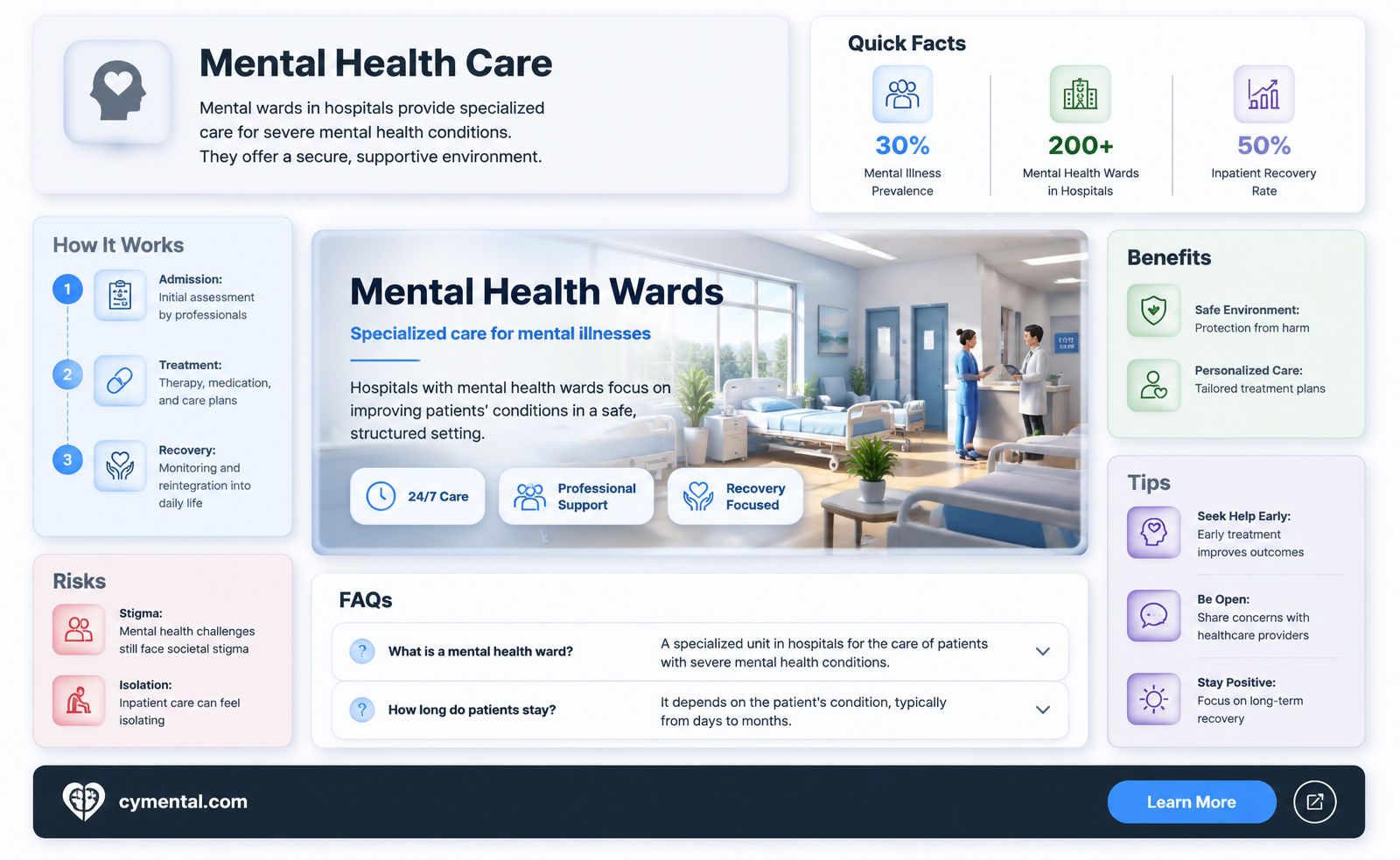
Mental wards, also known as psychiatric wards, are specialized departments within hospitals dedicated to the care and treatment of patients with mental health disorders. These wards provide a safe and controlled environment for individuals experiencing acute psychiatric symptoms, such as severe depression, anxiety, psychosis, or suicidal thoughts. The primary goal of mental wards is to stabilize patients, provide comprehensive psychiatric evaluations, and develop individualized treatment plans that may include medication, therapy, and other interventions. Mental health professionals, including psychiatrists, psychologists, nurses, and social workers, work collaboratively to support patients on their journey towards recovery and improved mental well-being.
Explore related products


What You'll Learn
- Types of Mental Wards: Overview of different types of mental health units in hospitals
- Admission Process: Criteria and procedures for admitting patients to mental wards
- Treatment Approaches: Various therapies and treatments offered in mental health wards
- Patient Rights: Legal rights and protections for patients in mental health facilities
- Stigma and Perception: Societal attitudes towards mental health wards and their impact on patients

Types of Mental Wards: Overview of different types of mental health units in hospitals
In psychiatric hospitals, mental wards are specialized units designed to provide intensive care and treatment for individuals with severe mental health conditions. These wards are typically staffed by a multidisciplinary team of psychiatrists, psychologists, nurses, and support staff who work collaboratively to address the complex needs of patients. Depending on the hospital and the specific needs of the patient population, mental wards can vary significantly in terms of their structure, services, and therapeutic approaches.
One common type of mental ward is the acute psychiatric ward, which is designed to provide short-term, intensive care for individuals experiencing a mental health crisis. These wards often have a high staff-to-patient ratio and offer a range of interventions, including medication management, individual and group therapy, and crisis intervention. Another type of mental ward is the subacute or intermediate care unit, which provides a step-down level of care for patients who are transitioning from acute hospitalization to outpatient treatment. These units typically offer a less intensive level of care than acute wards but still provide close monitoring and support.
For individuals with more chronic or treatment-resistant mental health conditions, some hospitals offer specialized units such as long-term care wards or forensic psychiatric units. Long-term care wards are designed to provide ongoing treatment and support for patients who require extended hospitalization, while forensic psychiatric units are specifically tailored to meet the needs of individuals who are involved in the criminal justice system. Additionally, some hospitals have dedicated units for specific populations, such as adolescents, older adults, or individuals with developmental disabilities.
The design and layout of mental wards can also vary significantly, with some units featuring open, communal spaces and others employing more restrictive, locked environments. The choice of design often depends on factors such as the patient population, the level of care provided, and the hospital's overall treatment philosophy. In recent years, there has been a growing trend towards creating more therapeutic and patient-centered environments, with an emphasis on providing opportunities for socialization, recreation, and skill-building.
Overall, mental wards play a critical role in the provision of mental health care, offering a range of services and interventions that are tailored to meet the unique needs of individuals with severe mental health conditions. By providing a safe, supportive environment for patients to receive intensive treatment and care, mental wards can help individuals to stabilize their symptoms, improve their functioning, and achieve a higher quality of life.
Navigating the Process: How to Check Someone into a Mental Hospital
You may want to see also
Explore related products


Admission Process: Criteria and procedures for admitting patients to mental wards
The admission process to mental wards in hospitals is a critical aspect of psychiatric care, ensuring that patients receive appropriate treatment in a timely manner. This process typically involves several key steps and criteria that must be met to guarantee the safety and well-being of both the patient and the staff.
Firstly, the process begins with an initial assessment by a mental health professional, often in the emergency department or a dedicated intake area. This assessment aims to determine the patient's immediate needs and the severity of their condition. It includes a thorough evaluation of the patient's symptoms, medical history, and any relevant social or environmental factors that may be contributing to their mental state.
Following the initial assessment, the mental health professional will decide whether the patient meets the criteria for admission to the mental ward. These criteria can vary depending on the specific policies of the hospital and the jurisdiction, but they generally include the presence of a serious mental illness, a risk of harm to oneself or others, or an inability to care for oneself due to mental impairment.
If the patient meets the admission criteria, they will be transferred to the mental ward for further evaluation and treatment. Upon arrival, they will be greeted by the ward staff and introduced to the ward's rules and routines. The patient will then undergo a more comprehensive assessment, which may include physical examinations, laboratory tests, and psychological evaluations.
Throughout the admission process, it is essential to maintain clear communication with the patient and their family or caregivers. This includes explaining the reasons for admission, the expected duration of stay, and the treatment plan. It is also important to address any concerns or questions the patient or their family may have, as this can help to alleviate anxiety and promote a more positive experience.
In conclusion, the admission process to mental wards in hospitals is a complex and multifaceted procedure that requires careful consideration of the patient's needs and circumstances. By following established criteria and procedures, mental health professionals can ensure that patients receive the appropriate level of care and support during their time in the hospital.
Understanding Mental Health Care Options for Preteens
You may want to see also
Explore related products


Treatment Approaches: Various therapies and treatments offered in mental health wards
In mental health wards, treatment approaches are multifaceted, aiming to address the complex needs of patients. One primary modality is pharmacotherapy, where medications such as antipsychotics, antidepressants, and mood stabilizers are used to manage symptoms. These medications are carefully prescribed and monitored by psychiatrists to ensure efficacy and minimize side effects.
Another key component is psychotherapy, which encompasses various talk therapies. Cognitive Behavioral Therapy (CBT) is widely used to help patients identify and change negative thought patterns and behaviors. Dialectical Behavior Therapy (DBT) focuses on teaching skills to manage emotions and improve relationships. Family therapy is also integral, involving patients' families to enhance support systems and communication.
Therapeutic activities play a significant role in the holistic treatment of patients. Art therapy, music therapy, and occupational therapy provide creative outlets and help patients develop new skills and coping mechanisms. Physical activities, such as yoga and exercise programs, are incorporated to promote physical health and reduce stress.
In addition to these traditional approaches, some mental health wards are integrating innovative treatments. Transcranial Magnetic Stimulation (TMS) is a non-invasive procedure that uses magnetic fields to stimulate nerve cells in the brain, offering hope for treatment-resistant depression. Mindfulness-based interventions and meditation programs are also becoming more common, helping patients cultivate awareness and emotional regulation.
The treatment plan for each patient is individualized, taking into account their specific diagnosis, symptoms, and personal goals. A multidisciplinary team, including psychiatrists, psychologists, social workers, and nurses, collaborates to provide comprehensive care. Regular assessments and adjustments to the treatment plan ensure that patients receive the most effective interventions.
Ultimately, the goal of treatment in mental health wards is to help patients achieve recovery, improve their quality of life, and reintegrate into their communities. By offering a range of therapies and treatments, mental health wards strive to address the diverse needs of patients and support them on their journey towards healing.
Reagan's Impact on Mental Health Care: The Closure of Hospitals
You may want to see also
Explore related products


Patient Rights: Legal rights and protections for patients in mental health facilities
Patients in mental health facilities are entitled to a range of legal rights and protections, ensuring their dignity and autonomy are respected. These rights are enshrined in various laws and regulations, which vary by jurisdiction but generally include the right to informed consent, the right to refuse treatment, and the right to privacy and confidentiality. Informed consent means that patients must be fully informed about their treatment options, including the potential risks and benefits, before agreeing to any procedure. This ensures that patients can make decisions about their care based on complete information.
The right to refuse treatment is another critical protection, allowing patients to decline interventions they do not wish to receive. However, this right is not absolute and may be overridden in certain circumstances, such as when a patient is deemed to lack the capacity to make informed decisions or when refusing treatment poses a significant risk to the patient's health or safety. Privacy and confidentiality are also paramount, ensuring that patients' personal information and medical records are kept secure and not disclosed without their consent.
In addition to these core rights, patients in mental health facilities may also have the right to access their medical records, the right to communicate with others, and the right to be free from discrimination and abuse. Access to medical records allows patients to review their treatment history and ensure that their care is accurate and appropriate. The right to communicate with others ensures that patients can maintain contact with family, friends, and legal representatives, which is essential for their emotional well-being and for safeguarding their rights.
Protections against discrimination and abuse are vital for ensuring that patients are treated with respect and dignity. Mental health facilities must have policies and procedures in place to prevent discrimination based on race, gender, age, or other factors, and to protect patients from physical, emotional, or sexual abuse. These protections are essential for creating a safe and supportive environment for patients, allowing them to focus on their recovery without fear of mistreatment.
Overall, patient rights in mental health facilities are designed to ensure that individuals receive humane and respectful care, and that their autonomy and dignity are protected. By understanding and exercising these rights, patients can play an active role in their treatment and recovery, and can help to ensure that they receive the best possible care.
Navigating the Process: How to Check Into a Mental Health Hospital
You may want to see also
Explore related products


Stigma and Perception: Societal attitudes towards mental health wards and their impact on patients
Societal attitudes towards mental health wards often perpetuate stigma, which can have profound effects on patients. This stigma manifests in various ways, from negative stereotypes to outright discrimination, and can deter individuals from seeking necessary care. The perception of mental health wards as places of confinement or isolation contributes to this stigma, leading many to view them as a last resort rather than a vital part of healthcare.
The impact of this stigma on patients is multifaceted. It can lead to feelings of shame and guilt, causing individuals to hide their struggles and avoid reaching out for help. This delay in seeking treatment can exacerbate mental health conditions, making recovery more challenging. Furthermore, the stigma can affect patients' self-esteem and social relationships, as they may feel judged or ostracized by others.
Healthcare providers and policymakers play a crucial role in combating this stigma. By promoting education and awareness about mental health, they can help shift societal perceptions and encourage more open conversations about mental illness. Initiatives such as anti-stigma campaigns and the integration of mental health services into primary care can also help reduce the negative connotations associated with mental health wards.
In addition to these broader efforts, there are practical steps that can be taken to improve the experience of patients in mental health wards. Creating a more welcoming and supportive environment, involving patients in their care plans, and ensuring that they have access to resources and support networks can all help mitigate the negative impacts of stigma. By addressing both the societal and individual aspects of stigma, we can work towards a more compassionate and understanding approach to mental healthcare.
The President's Decision: Shutting Down Mental Hospitals
You may want to see also
Frequently asked questions
Yes, many hospitals have mental wards or psychiatric units where patients with mental health issues can receive treatment and care.
Patients who are experiencing acute mental health issues, such as severe depression, anxiety, psychosis, or suicidal thoughts, may be admitted to mental wards for stabilization and treatment.
Treatment in mental wards usually includes a combination of medication, therapy, and counseling. Patients may also participate in group activities and receive support from mental health professionals.
The length of stay in a mental ward can vary depending on the patient's condition and treatment needs. Some patients may stay for a few days, while others may stay for several weeks or even months.
Alternatives to mental wards include outpatient therapy, counseling, support groups, and medication management. In some cases, patients may also benefit from residential treatment programs or community-based services.