Noah Parker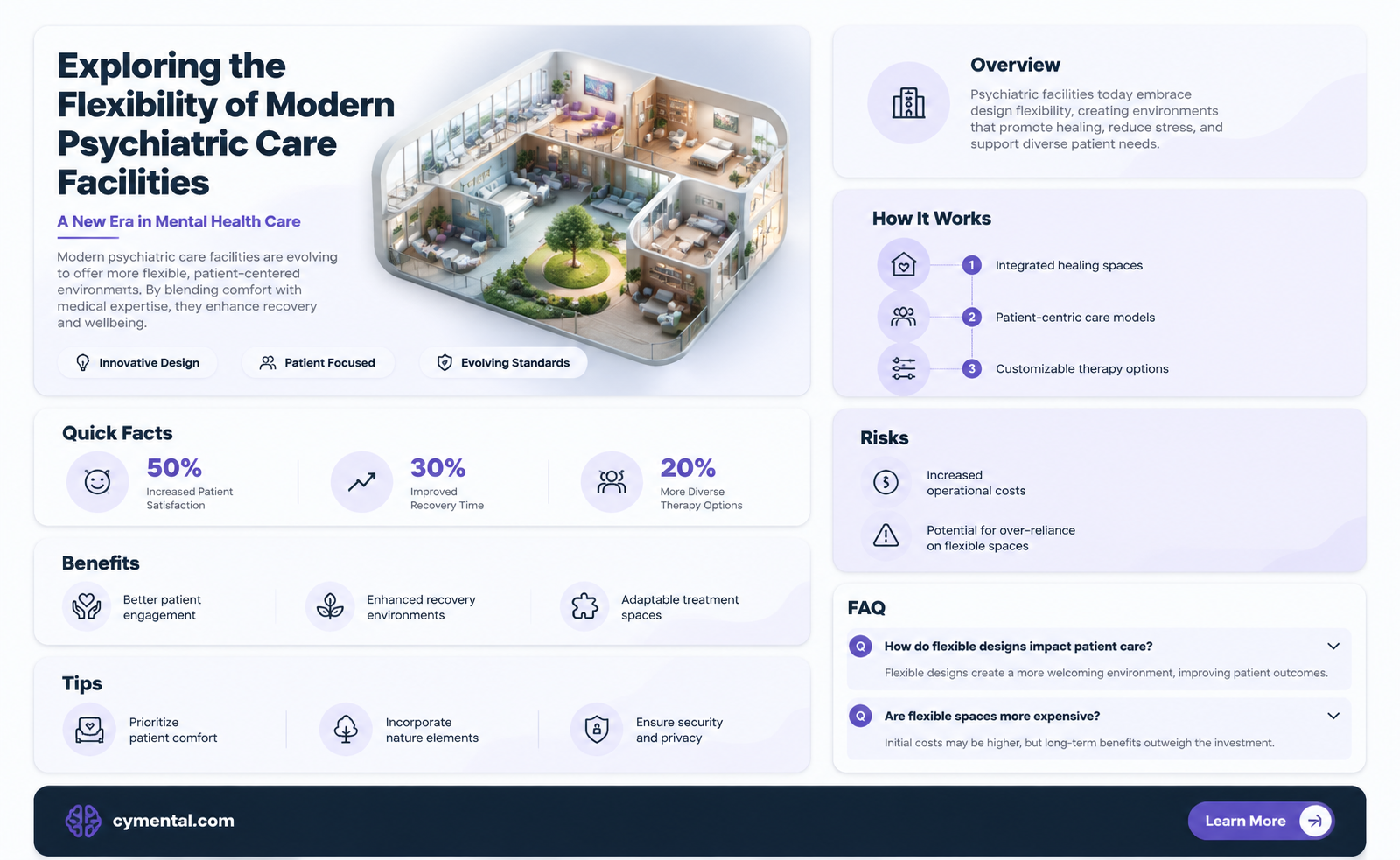
Mental health treatment facilities vary widely in terms of patient freedom and treatment approaches. While traditional psychiatric hospitals often require inpatient stays, there are indeed modern facilities that offer more flexible arrangements. These may include outpatient programs, day hospitals, or residential treatment centers where patients can come and go, depending on their treatment plan and level of care required. Such facilities aim to provide a supportive environment that fosters recovery while still allowing patients to maintain some level of normalcy in their daily lives.
Explore related products


What You'll Learn
- Types of Mental Hospitals: Overview of different facilities offering varying levels of care and freedom
- Admission and Discharge Policies: Criteria and procedures for entering and leaving mental health institutions
- Patient Rights and Responsibilities: Legal and ethical considerations regarding patient autonomy and treatment consent
- Community Integration Programs: Initiatives helping patients transition back into society and maintain mental wellness
- Advancements in Mental Health Care: Innovations in treatment approaches and technologies enhancing patient outcomes

Types of Mental Hospitals: Overview of different facilities offering varying levels of care and freedom
Mental health facilities can vary widely in terms of the care they provide and the freedom they offer to patients. One type of facility is the psychiatric hospital, which provides 24-hour care and is typically reserved for individuals experiencing severe mental health crises. These hospitals may offer inpatient programs that can last from a few days to several weeks, depending on the patient's needs.
Another type of facility is the residential treatment center, which provides a more long-term living arrangement for individuals with mental health issues. These centers often offer a structured environment with daily therapy sessions and activities designed to help patients develop coping skills and improve their mental health.
For individuals who require less intensive care, there are outpatient programs that allow patients to attend therapy sessions and receive treatment while still living at home. These programs can vary in intensity, with some offering daily sessions and others providing weekly or bi-weekly appointments.
In addition to these traditional mental health facilities, there are also specialized programs that cater to specific populations, such as adolescents, seniors, or individuals with dual diagnoses. These programs may offer unique treatment approaches and tailored care plans to meet the specific needs of their patients.
It's important to note that the level of freedom offered to patients can vary greatly between facilities. Some hospitals may have locked units where patients are not allowed to leave without supervision, while others may offer more open environments where patients can come and go as they please. The type of facility that is most appropriate for an individual will depend on their specific needs and the severity of their mental health condition.
Exploring the Inner World: Life Inside a Mental Hospital
You may want to see also
Explore related products


Admission and Discharge Policies: Criteria and procedures for entering and leaving mental health institutions
Admission to mental health institutions typically involves a thorough assessment process to determine the individual's need for inpatient care. This process may include a psychiatric evaluation, a review of the person's medical history, and an assessment of their current mental state. In many cases, admission is voluntary, meaning the individual chooses to enter the hospital for treatment. However, in some situations, involuntary admission may be necessary if the person is deemed a danger to themselves or others, or if they are unable to care for themselves due to their mental condition.
Discharge from a mental health institution is usually planned and involves a collaborative effort between the patient, their treatment team, and their support system. The discharge process may include developing a discharge plan that outlines the individual's goals, the services they will need after leaving the hospital, and the steps they will take to maintain their mental health. In some cases, discharge may be conditional, meaning the individual must agree to certain terms, such as attending outpatient therapy or taking prescribed medications, in order to be released.
Criteria for admission and discharge can vary depending on the specific institution and the individual's circumstances. Generally, admission criteria may include the presence of a diagnosable mental disorder, the need for 24-hour supervision or care, and the potential for harm to oneself or others if not hospitalized. Discharge criteria may include the individual's ability to function independently, their willingness to engage in outpatient treatment, and their overall stability and safety.
Procedures for entering and leaving mental health institutions are designed to ensure the safety and well-being of patients. Admission procedures may involve a triage process to determine the level of care needed, followed by a more comprehensive assessment to develop an individualized treatment plan. Discharge procedures may include a final evaluation to assess the individual's readiness to leave the hospital, as well as the provision of resources and support to help them transition back into the community.
In conclusion, admission and discharge policies in mental health institutions are critical components of patient care. These policies help to ensure that individuals receive the appropriate level of treatment and support, while also promoting their safety and well-being. By understanding the criteria and procedures involved in entering and leaving mental health institutions, individuals can better navigate the process and achieve successful outcomes in their mental health journey.
Exploring the Wilderness: Mental Health Care in Nature's Embrace
You may want to see also
Explore related products


Patient Rights and Responsibilities: Legal and ethical considerations regarding patient autonomy and treatment consent
In the realm of mental health care, patient rights and responsibilities are paramount, particularly when it comes to the delicate balance between patient autonomy and treatment consent. This balance is often tested in the context of mental hospitals, where patients may be admitted voluntarily or involuntarily. Voluntary admission typically means that the patient has the right to leave the hospital at any time, provided they are deemed stable enough to do so by the treating psychiatrist. However, involuntary admission, often necessitated by a court order or a determination of incompetence, can significantly limit a patient's autonomy.
Legal and ethical considerations come into play when determining the extent of a patient's rights and responsibilities. For instance, the Americans with Disabilities Act (ADA) and the Individuals with Disabilities Education Act (IDEA) provide protections for individuals with mental health conditions, ensuring they receive equal treatment and accommodations. Additionally, the National Alliance on Mental Illness (NAMI) advocates for the rights of individuals with mental illness, promoting policies that protect their autonomy and ensure their access to appropriate care.
Informed consent is a critical aspect of patient rights, particularly in the context of treatment. Patients must be fully informed about the nature of their condition, the proposed treatment, the potential risks and benefits, and any alternative treatments available. This ensures that they can make an informed decision about their care. However, in cases where a patient is deemed incompetent to make such decisions, a legal guardian or surrogate decision-maker may be appointed to act on their behalf.
The ethical considerations surrounding patient autonomy and treatment consent are complex and multifaceted. On one hand, respecting a patient's autonomy is essential for maintaining their dignity and promoting their well-being. On the other hand, ensuring that patients receive appropriate treatment, even if they are unable to consent, is crucial for their health and safety. Mental health professionals must navigate these ethical dilemmas with care, balancing the need to respect patient autonomy with the need to provide necessary treatment.
In conclusion, patient rights and responsibilities in the context of mental health care are governed by a complex interplay of legal and ethical considerations. Respecting patient autonomy while ensuring appropriate treatment is a delicate balance that requires careful navigation by mental health professionals. By understanding and upholding these rights and responsibilities, we can promote the well-being and dignity of individuals with mental health conditions.
Understanding Partial Hospitalization: A Bridge to Mental Health Recovery
You may want to see also
Community Integration Programs: Initiatives helping patients transition back into society and maintain mental wellness
Community Integration Programs are specialized initiatives designed to assist patients in transitioning from mental health treatment back into their communities. These programs play a crucial role in maintaining mental wellness by providing structured support and resources. Unlike traditional mental hospitals, which may have a more institutional and sometimes restrictive environment, community integration programs focus on real-world settings and practical skills.
One key aspect of these programs is the emphasis on personalized care plans. Each patient's needs are assessed individually, and a tailored plan is developed to address their specific challenges. This might include vocational training, housing assistance, social skills workshops, and ongoing therapy sessions. The goal is to empower patients with the tools and confidence they need to lead independent lives.
Another important feature is the collaborative approach taken by these programs. They often involve partnerships between mental health professionals, social workers, employers, and community organizations. This network of support helps to create a seamless transition for patients, ensuring that they have access to the right resources at the right time.
Community Integration Programs also prioritize the development of coping strategies and resilience. Patients are taught techniques to manage their symptoms, handle stress, and navigate potential triggers. This proactive approach helps to reduce the risk of relapse and promotes long-term mental wellness.
In conclusion, Community Integration Programs offer a promising alternative to traditional mental hospitals by focusing on real-world skills, personalized care, and community support. These initiatives help patients to not only recover but also thrive in their daily lives, contributing to a more inclusive and supportive society.
Exploring Safety in Mental Health Facilities: A Comprehensive Overview
You may want to see also
Advancements in Mental Health Care: Innovations in treatment approaches and technologies enhancing patient outcomes
Recent advancements in mental health care have revolutionized the way patients receive treatment, making it more accessible, effective, and patient-centered. One significant innovation is the rise of telepsychiatry, which allows patients to receive mental health services remotely through video conferencing. This approach has been particularly beneficial for individuals in rural or underserved areas who may not have easy access to in-person care. Telepsychiatry also offers increased flexibility for patients, enabling them to attend appointments from the comfort of their own homes or while traveling.
Another notable development is the integration of artificial intelligence (AI) and machine learning in mental health diagnosis and treatment. AI-powered chatbots and virtual assistants can provide immediate support and resources to individuals in crisis, while machine learning algorithms can analyze large datasets to identify patterns and predict outcomes. This technology can help clinicians make more informed decisions about treatment plans and interventions, ultimately leading to better patient outcomes.
In addition to technological innovations, there has been a growing emphasis on holistic and integrative approaches to mental health care. Many treatment centers now offer a range of complementary therapies, such as mindfulness meditation, yoga, and art therapy, alongside traditional psychiatric treatments. These approaches recognize the interconnectedness of physical, emotional, and spiritual well-being and aim to address the whole person rather than just their symptoms.
Furthermore, the development of mobile health (mHealth) applications has empowered patients to take an active role in their mental health management. These apps offer features such as mood tracking, medication reminders, and access to educational resources, enabling individuals to monitor their progress and communicate with their care providers more effectively. mHealth tools have also facilitated research by allowing scientists to collect real-time data on mental health trends and treatment efficacy.
Overall, these advancements in mental health care have not only improved patient outcomes but have also helped to reduce the stigma associated with seeking help for mental health issues. By leveraging technology and innovative treatment approaches, the mental health field is moving towards a more inclusive, accessible, and effective model of care.
Understanding Involuntary Commitment Durations in Michigan Mental Health Facilities
You may want to see also
Frequently asked questions
Yes, there are mental health facilities known as "open units" or "voluntary units" that allow patients to come and go as they please. These units are typically for individuals who are experiencing mental health issues but do not require 24-hour supervision or are not considered a danger to themselves or others.
Open mental health units provide a more relaxed and less restrictive environment for patients, which can help reduce stress and anxiety. They also allow patients to maintain their daily routines and responsibilities, such as work or school, while receiving treatment. Additionally, open units can help patients develop coping skills and strategies for managing their mental health in a real-world setting.
Closed mental health units, also known as "locked units," are more restrictive and typically require 24-hour supervision. Patients in closed units may be experiencing more severe mental health issues, such as suicidal thoughts or behaviors, or may be considered a danger to themselves or others. In contrast, open units provide a more flexible and less restrictive environment for patients who do not require constant supervision.