Caleb Wright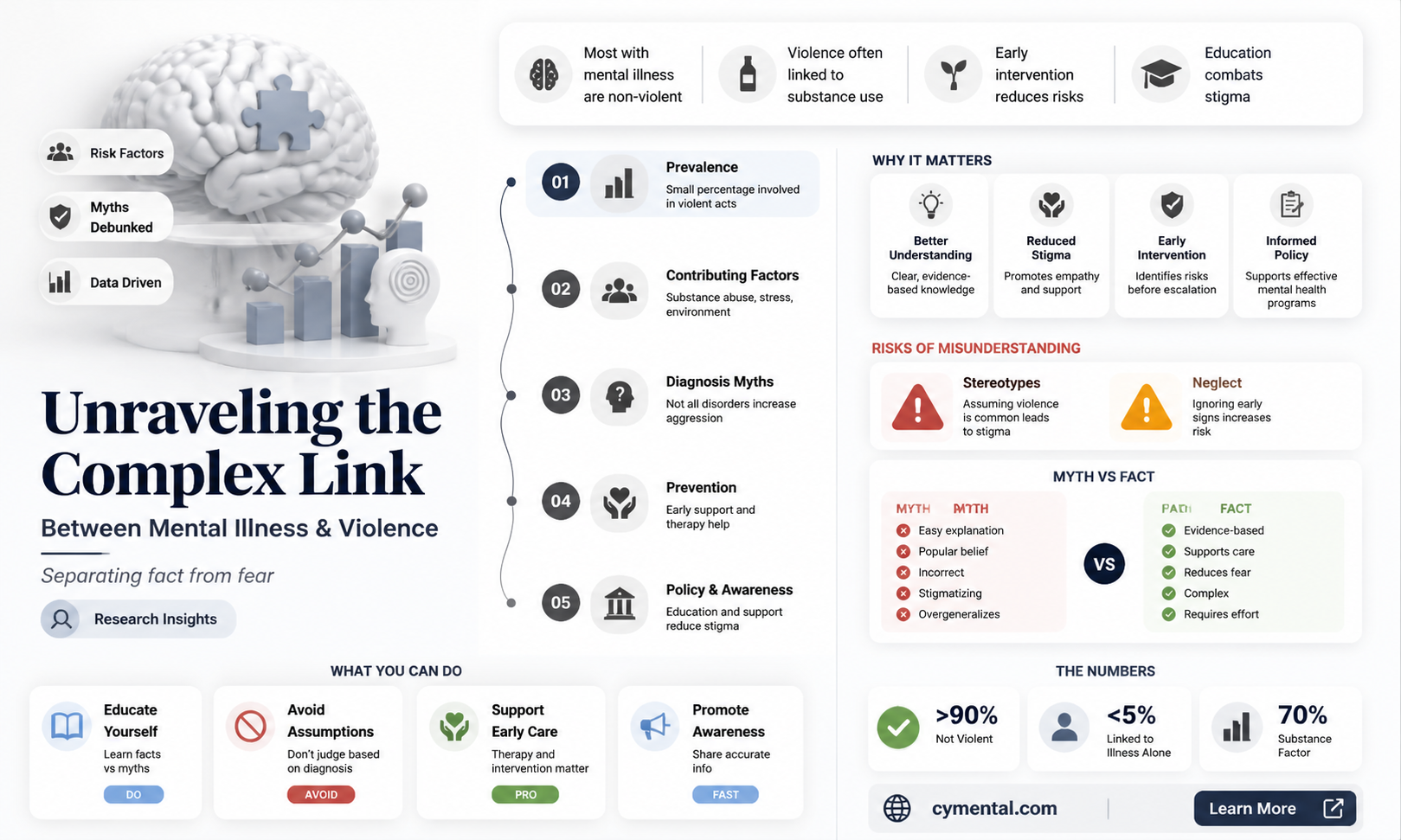
The question of whether mental illness can cause someone to commit violent acts, including murder, is a complex and sensitive topic that has been the subject of much debate and research. While mental illness alone is not a sufficient cause for violent behavior, certain conditions can increase the risk of such actions, especially when combined with other factors. For instance, severe psychiatric disorders like schizophrenia and bipolar disorder can sometimes lead to violent behavior, particularly when individuals experience psychotic symptoms such as delusions or hallucinations. However, it is crucial to note that the vast majority of people with mental illnesses do not commit violent crimes, and the presence of a mental illness does not automatically equate to a propensity for violence. Understanding the interplay between mental health, environmental factors, and individual circumstances is essential for addressing this issue thoughtfully and compassionately.
| Characteristics | Values |
|---|---|
| Definition | Mental illness refers to a wide range of mental health conditions that affect one's thinking, feeling, and behavior. These conditions can vary in severity and impact on daily life. |
| Types | Common types include depression, anxiety disorders, schizophrenia, bipolar disorder, obsessive-compulsive disorder (OCD), and post-traumatic stress disorder (PTSD). |
| Symptoms | Symptoms can include persistent feelings of sadness, anxiety, or fear, changes in appetite or sleep patterns, difficulty concentrating, irritability, and withdrawal from social activities. |
| Causes | Mental illnesses can be caused by a combination of genetic, environmental, and psychological factors. Trauma, stress, and substance abuse can also contribute to the development of mental health issues. |
| Treatment | Treatment options vary depending on the specific condition and individual needs. They may include psychotherapy, medication, lifestyle changes, and support groups. |
| Prognosis | The prognosis for mental illnesses varies widely. With appropriate treatment, many individuals can manage their symptoms and lead fulfilling lives. However, some conditions may be chronic and require ongoing treatment. |
| Impact on Behavior | Mental illnesses can significantly impact behavior, leading to changes in mood, energy levels, and the ability to function in daily life. In severe cases, they can impair judgment and decision-making. |
| Potential for Violence | While mental illness alone is not a direct cause of violence, certain conditions, especially when untreated or combined with other factors like substance abuse, can increase the risk of violent behavior. |
| Stigma | There is often a stigma associated with mental illness, which can lead to discrimination, social isolation, and reluctance to seek help. |
| Prevention | Preventive measures include promoting mental health awareness, reducing stigma, and ensuring access to early intervention and treatment services. |
| Support Systems | Support systems for individuals with mental illness may include family, friends, mental health professionals, and peer support groups. |
| Research | Ongoing research is crucial for understanding the causes, developing effective treatments, and improving the overall prognosis for individuals with mental illnesses. |
Explore related products
$15.1 $18.99


$4.99 $9.99


What You'll Learn
- Psychosis and Delusions: Can lead to violent behavior if untreated, often characterized by a disconnection from reality
- Mania in Bipolar Disorder: Elevated mood states can result in impulsive and aggressive actions, potentially leading to violence
- Severe Depression: Feelings of hopelessness and worthlessness may culminate in suicidal ideation or attempts
- Antisocial Personality Disorder: Lack of empathy and remorse can contribute to violent tendencies and criminal behavior
- Trauma and PTSD: Flashbacks and heightened arousal can provoke aggressive responses, especially in triggering situations

Psychosis and Delusions: Can lead to violent behavior if untreated, often characterized by a disconnection from reality
Psychosis is a severe mental disorder characterized by a profound disconnection from reality. Individuals experiencing psychosis may have hallucinations, delusions, or disorganized thinking and speech. Delusions, in particular, are fixed beliefs that are not based in reality and can be extremely distressing for the person experiencing them. These delusions can sometimes lead to violent behavior, especially if the individual feels threatened or compelled to act on their beliefs.
One of the most significant risk factors for violence in individuals with psychosis is the presence of command hallucinations. These are auditory hallucinations that instruct the person to perform specific actions, which can include violent acts. Additionally, delusions of persecution or paranoia can lead individuals to believe that others are out to harm them, prompting them to act defensively or aggressively.
It is crucial to note that not all individuals with psychosis will exhibit violent behavior. In fact, the majority of people with psychosis are not violent. However, when psychosis is untreated, the risk of violence can increase significantly. This is why early intervention and treatment are so important. Effective treatment for psychosis typically involves a combination of antipsychotic medications and psychotherapy, which can help manage symptoms and reduce the risk of violent behavior.
In cases where psychosis leads to violent behavior, it is often the result of a complex interplay between the individual's symptoms and their environment. For example, an individual with psychosis who is experiencing command hallucinations may be more likely to act on these hallucinations if they are in a stressful or chaotic environment. Similarly, an individual with delusions of persecution may be more likely to become violent if they feel threatened or cornered.
Ultimately, while psychosis and delusions can lead to violent behavior if untreated, with proper treatment and support, individuals with these conditions can lead fulfilling and non-violent lives. It is essential to approach these issues with compassion and understanding, recognizing that individuals with psychosis are often suffering greatly and need help and support, not fear or stigmatization.
Exploring the Link: How Mental Stress Can Lead to Fatigue
You may want to see also
Explore related products


Mania in Bipolar Disorder: Elevated mood states can result in impulsive and aggressive actions, potentially leading to violence
Mania in Bipolar Disorder can significantly alter an individual's behavior, leading to impulsive and aggressive actions. This heightened state of mood can result in a disinhibition of normal social and moral constraints, potentially leading to violent behavior. It is crucial to understand that while mania can increase the risk of violence, it does not inherently cause individuals to commit violent acts. The relationship between mania and violence is complex and influenced by various factors, including the severity of the manic episode, the presence of other symptoms, and the individual's personal history and environment.
During a manic episode, individuals may experience a sense of invincibility and a decreased need for sleep, which can lead to impaired judgment and decision-making. This combination of factors can result in risky behaviors, including substance abuse, reckless driving, and aggressive confrontations. In some cases, these behaviors can escalate to violence, particularly if the individual feels threatened or provoked. It is important to note that violence is not a common symptom of mania, but rather an extreme manifestation that can occur in a small subset of cases.
The risk of violence during a manic episode can be further exacerbated by the presence of other symptoms, such as delusions or hallucinations. These symptoms can distort an individual's perception of reality, leading to paranoid beliefs or misinterpretations of others' actions. In such cases, the individual may act defensively or aggressively in response to perceived threats, even if these threats are not real. It is also important to consider the individual's personal history and environment, as factors such as past trauma, substance abuse, and social stressors can contribute to the risk of violence during a manic episode.
To mitigate the risk of violence during a manic episode, it is essential to provide appropriate treatment and support. This may include medication to stabilize mood, therapy to address underlying issues, and crisis intervention to manage acute symptoms. Additionally, it is important to educate individuals with Bipolar Disorder and their families about the potential risks of mania and the importance of seeking help when symptoms become severe. By taking a proactive approach to managing mania, it is possible to reduce the risk of violence and improve overall outcomes for individuals with Bipolar Disorder.
Unraveling the Link: Mental Health Conditions and Personal Hygiene Challenges
You may want to see also
Severe Depression: Feelings of hopelessness and worthlessness may culminate in suicidal ideation or attempts
Severe depression is a profound mental health condition characterized by persistent feelings of sadness, hopelessness, and worthlessness. These emotions can be overwhelming, leading individuals to believe that life is no longer worth living. In the most severe cases, these feelings can culminate in suicidal ideation or attempts. It is crucial to understand that while depression itself is not a cause of violence towards others, the profound despair it can cause may lead some individuals to consider suicide as a means of escaping their emotional pain.
The link between severe depression and suicidal thoughts is well-documented. According to the World Health Organization, depression is a major risk factor for suicide, with approximately 60% of individuals who die by suicide having a history of depression. The feelings of hopelessness and worthlessness that accompany severe depression can distort an individual's perception of reality, making them believe that they are a burden to others or that their situation is irreversible.
It is important to note that not all individuals with depression will experience suicidal thoughts, and not all suicidal thoughts will lead to attempts. However, the risk is significant enough to warrant careful attention and intervention. Mental health professionals often use screening tools to assess the severity of depression and the presence of suicidal ideation. These tools can help identify individuals who may be at risk and ensure they receive appropriate support and treatment.
Treatment for severe depression typically involves a combination of medication and psychotherapy. Antidepressant medications can help alleviate symptoms of depression, while cognitive-behavioral therapy and other forms of psychotherapy can address underlying thought patterns and behaviors that contribute to feelings of hopelessness and worthlessness. In some cases, hospitalization may be necessary to ensure the safety of individuals who are experiencing severe suicidal thoughts or behaviors.
In addition to professional treatment, there are steps individuals can take to support their mental health and reduce the risk of suicidal thoughts. These include maintaining a regular routine, engaging in physical activity, staying connected with friends and family, and practicing self-care activities such as meditation or hobbies. It is also important for individuals to recognize the warning signs of depression and seek help early if they are experiencing symptoms.
In conclusion, severe depression can lead to feelings of hopelessness and worthlessness that may culminate in suicidal ideation or attempts. Understanding the link between depression and suicide, recognizing the warning signs, and seeking appropriate treatment and support are crucial steps in addressing this serious mental health issue. By taking a proactive approach to mental health care, individuals can reduce the risk of suicidal thoughts and behaviors and improve their overall well-being.
Exploring the Complex Link: Drugs and Mental Illness
You may want to see also
Antisocial Personality Disorder: Lack of empathy and remorse can contribute to violent tendencies and criminal behavior
Individuals with Antisocial Personality Disorder (ASPD) often exhibit a profound lack of empathy and remorse, which can significantly contribute to violent tendencies and criminal behavior. This disorder is characterized by a pervasive pattern of disregard for the rights of others, impulsivity, and a lack of remorse for harmful actions. People with ASPD may engage in deceitful and manipulative behavior, and they often have a history of legal problems and substance abuse.
The lack of empathy in individuals with ASPD can lead to a diminished capacity to understand and share the feelings of others. This emotional detachment can make it easier for them to engage in violent acts without experiencing guilt or regret. Furthermore, their impulsivity and tendency to act without considering the consequences can increase the likelihood of aggressive behavior.
Criminal behavior is a common manifestation of ASPD. Individuals with this disorder may commit crimes such as assault, theft, fraud, and even murder. Their lack of remorse and tendency to blame others for their actions can make it difficult for them to accept responsibility and seek treatment.
It is important to note that while ASPD can contribute to violent tendencies and criminal behavior, not all individuals with this disorder will engage in such actions. Treatment for ASPD typically involves psychotherapy and medication to address the underlying symptoms and improve the individual's ability to function in society. However, treatment can be challenging, as individuals with ASPD may be resistant to change and may not see their behavior as problematic.
In conclusion, Antisocial Personality Disorder is a complex mental health condition that can contribute to violent tendencies and criminal behavior through its symptoms of lack of empathy and remorse. Understanding this disorder and its implications is crucial for developing effective treatment strategies and preventing harmful outcomes.
Unraveling the Complexities: Do Mental Health Medications Address the Root Cause?
You may want to see also
Trauma and PTSD: Flashbacks and heightened arousal can provoke aggressive responses, especially in triggering situations
Trauma and PTSD can significantly impact an individual's mental state, often leading to flashbacks and heightened arousal. These symptoms can be particularly dangerous as they may provoke aggressive responses, especially in situations that trigger the individual's traumatic memories. It is crucial to understand the mechanisms behind these reactions to better address and manage the risks associated with PTSD-related aggression.
Flashbacks are vivid, intrusive memories of traumatic events that can feel as though they are happening in the present moment. They can be triggered by various stimuli, such as sounds, smells, or visual cues that remind the individual of their traumatic experience. During a flashback, the person may become disconnected from their current surroundings and may react as though they are in the midst of the traumatic event. This can lead to aggressive behavior if the individual feels threatened or if their fight-or-flight response is activated.
Heightened arousal is another common symptom of PTSD, characterized by an increased state of alertness and reactivity. Individuals with PTSD may have difficulty regulating their emotions and may be more prone to irritability, anger, and aggression. This heightened state of arousal can make it challenging for individuals to respond appropriately to stressors, leading to impulsive and potentially violent reactions.
In triggering situations, the combination of flashbacks and heightened arousal can create a perfect storm for aggressive behavior. For example, a combat veteran with PTSD may experience a flashback to a battlefield scenario when confronted with a loud noise or sudden movement. This flashback, coupled with their heightened arousal, could lead them to react aggressively, potentially causing harm to themselves or others.
It is essential to recognize the signs of PTSD and to provide appropriate support and treatment to individuals who are struggling with this condition. This may include therapy, medication, and other interventions aimed at reducing symptoms and improving emotional regulation. By addressing the underlying causes of PTSD-related aggression, we can help to prevent violent outcomes and promote healing and recovery for those affected by trauma.
The Surprising Link Between Dental Health and Mental Well-being
You may want to see also
Frequently asked questions
Yes, in some cases, mental illnesses can lead to violent behavior, including homicide. However, it's important to note that the vast majority of people with mental illnesses are not violent and are more likely to be victims of violence themselves.
Risk factors can include a history of violence, substance abuse, lack of treatment or medication adherence, social isolation, and exposure to trauma. It's crucial to address these factors through comprehensive treatment and support.
Society can reduce risks by ensuring access to quality mental health care, promoting early intervention and treatment, addressing substance abuse issues, and fostering supportive communities that reduce social isolation and stigma.
This is a complex ethical question. While individuals should be held accountable for their actions, it's also important to consider the impact of their mental illness on their decision-making and behavior. Legal systems often have provisions for evaluating the mental state of defendants to determine their culpability and appropriate sentencing.