Caleb Wright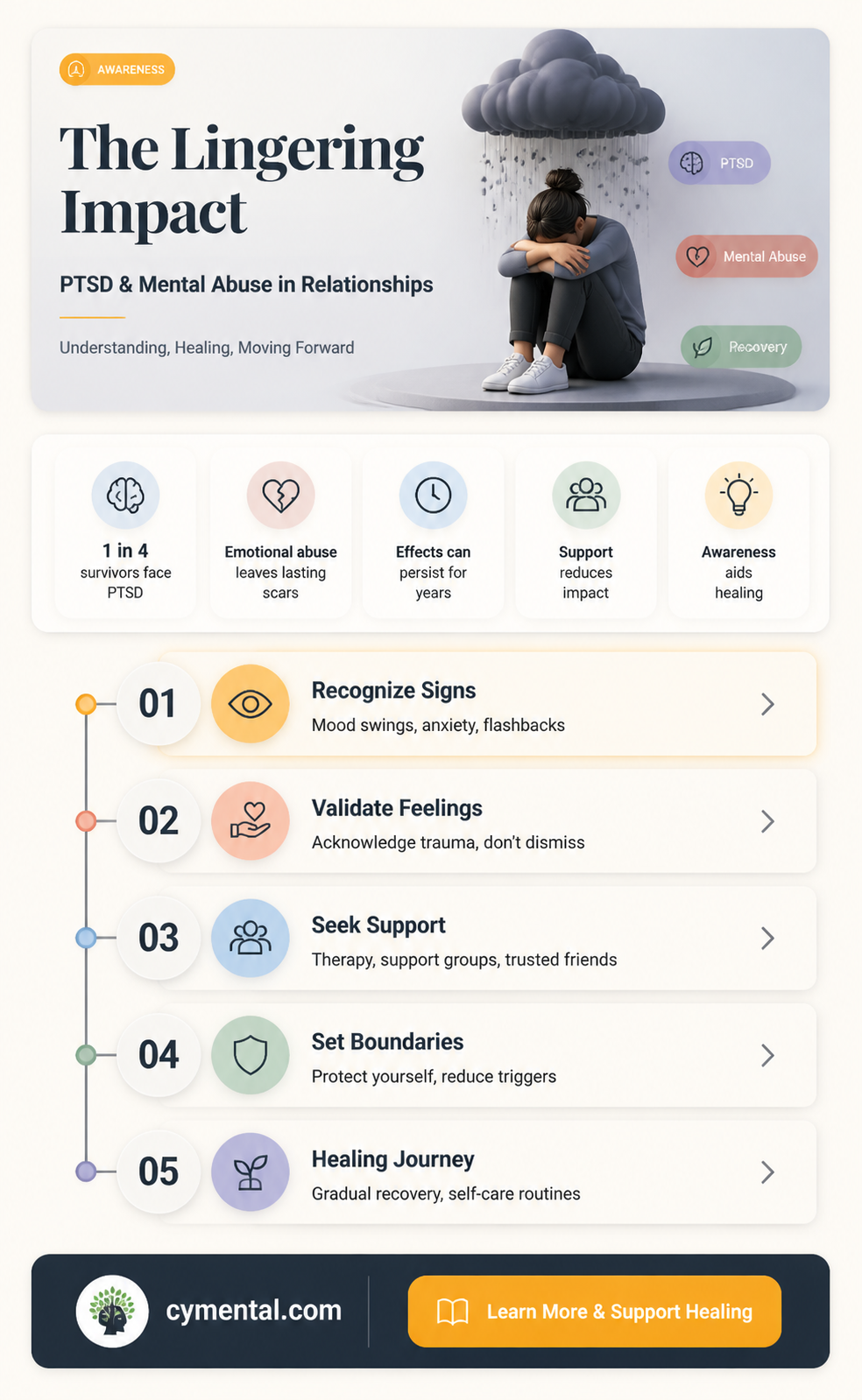
Yes, a mentally abusive relationship can indeed cause PTSD (Post-Traumatic Stress Disorder). PTSD is a mental health condition triggered by experiencing or witnessing a traumatic event. In the context of a mentally abusive relationship, the ongoing emotional and psychological trauma inflicted by the abuser can lead to the development of PTSD in the victim. This is because the victim is subjected to chronic stress, fear, and anxiety, which can alter the brain's chemistry and functioning over time. Symptoms of PTSD may include flashbacks, nightmares, severe anxiety, and uncontrollable thoughts about the traumatic experiences. It is crucial for individuals who have experienced mental abuse to seek professional help and support to address the potential development of PTSD and to begin the process of healing and recovery.
Explore related products


What You'll Learn
- Definition of Mental Abuse: Understanding the psychological tactics used in abusive relationships
- PTSD Symptoms: Exploring the emotional and physical manifestations of PTSD in abuse survivors
- Cycle of Abuse: Examining the repetitive patterns that trap individuals in abusive relationships
- Trauma Bonding: Investigating the complex emotional attachment formed between the abuser and victim
- Recovery and Support: Discussing strategies for healing and rebuilding life after escaping an abusive relationship

Definition of Mental Abuse: Understanding the psychological tactics used in abusive relationships
Mental abuse, also known as psychological abuse or emotional abuse, is a form of abuse characterized by a person subjecting or exposing another person to behavior that may result in psychological trauma, including anxiety, chronic depression, or post-traumatic stress disorder (PTSD). It often involves tactics that undermine the victim's sense of self-worth, independence, and autonomy. These tactics can be subtle and insidious, making it difficult for the victim to recognize the abuse for what it is.
One common tactic used in mental abuse is gaslighting, where the abuser manipulates the victim's perception of reality, making them question their own sanity or memory. This can involve denying previous agreements or conversations, trivializing the victim's feelings, or blaming them for the abuser's own actions. Over time, gaslighting can lead to a profound sense of confusion and disorientation in the victim.
Another tactic is isolation, where the abuser seeks to cut the victim off from friends, family, and other sources of support. This can involve monitoring the victim's phone calls and messages, restricting their access to social media, or creating situations that make it difficult for them to maintain relationships with others. Isolation can lead to feelings of loneliness and helplessness, making the victim more dependent on the abuser.
Verbal abuse is also a common form of mental abuse, involving the use of harsh language, insults, and threats to intimidate and control the victim. This can include yelling, name-calling, or making derogatory comments about the victim's appearance, intelligence, or abilities. Verbal abuse can have a profound impact on the victim's self-esteem and emotional well-being.
In addition to these tactics, mental abuse can also involve financial control, where the abuser restricts the victim's access to money or resources, making them dependent on the abuser for basic necessities. This can further erode the victim's sense of autonomy and independence.
Understanding these psychological tactics is crucial for recognizing and addressing mental abuse. By educating ourselves and others about the signs and effects of mental abuse, we can help victims to seek support and escape abusive relationships. It is also important to challenge societal norms and attitudes that perpetuate abuse, such as victim-blaming or minimizing the impact of emotional abuse. By working together, we can create a safer and more supportive environment for all individuals.
Unveiling the Link: Environmental Factors and Mental Health Challenges
You may want to see also
Explore related products


PTSD Symptoms: Exploring the emotional and physical manifestations of PTSD in abuse survivors
Post-Traumatic Stress Disorder (PTSD) is a complex condition that can manifest in various ways, particularly in individuals who have survived mentally abusive relationships. The emotional and physical symptoms of PTSD in these survivors can be profound and far-reaching, impacting their daily lives and overall well-being.
Emotionally, PTSD in abuse survivors often presents as intense anxiety, fear, and a heightened sense of alertness. These individuals may experience flashbacks or intrusive memories of the abuse, leading to feelings of dread and helplessness. They may also exhibit avoidance behaviors, steering clear of situations or triggers that remind them of their traumatic experiences. This can result in social isolation and a diminished quality of life.
Physically, PTSD can manifest in a range of symptoms, including chronic pain, fatigue, and sleep disturbances. Abuse survivors may experience headaches, gastrointestinal issues, or musculoskeletal pain, which can be debilitating and difficult to manage. Sleep problems, such as insomnia or nightmares, are also common, further exacerbating the emotional toll of the condition.
Moreover, PTSD can lead to changes in behavior and cognition. Survivors may struggle with concentration and memory, making it challenging to perform daily tasks or maintain employment. They may also exhibit risky behaviors, such as substance abuse, as a way to cope with their symptoms. These behavioral changes can have significant consequences, affecting relationships, work, and overall health.
It is crucial to recognize that PTSD in abuse survivors is a valid and treatable condition. Seeking professional help, such as therapy or counseling, can be instrumental in managing symptoms and improving quality of life. Support from friends, family, and community resources can also play a vital role in the healing process.
In conclusion, PTSD symptoms in abuse survivors are multifaceted, encompassing emotional, physical, and behavioral aspects. Understanding these manifestations is essential for providing appropriate support and treatment, helping survivors to reclaim their lives and move forward from their traumatic experiences.
The Impact of Toxic Relationships on Mental Health
You may want to see also
Explore related products


$17.95 $17.95


Cycle of Abuse: Examining the repetitive patterns that trap individuals in abusive relationships
The cycle of abuse is a pervasive and insidious pattern that can ensnare individuals in a web of emotional turmoil and psychological distress. This repetitive sequence of behaviors is characterized by periods of tension-building, explosive incidents, and temporary calm, creating a sense of unpredictability and constant unease for the victim. Over time, this cycle can lead to a profound sense of helplessness and hopelessness, as the individual becomes increasingly isolated and disconnected from their own sense of self and agency.
One of the most damaging aspects of the cycle of abuse is its ability to erode the victim's psychological resilience and self-esteem. Through repeated exposure to criticism, belittlement, and manipulation, the individual may begin to internalize the abuser's negative messages, leading to a distorted sense of self-worth and identity. This can create a vicious cycle, where the victim becomes increasingly dependent on the abuser for validation and support, even as the abuse continues to escalate.
Breaking free from the cycle of abuse requires a multifaceted approach that addresses both the psychological and practical aspects of the situation. Victims must be empowered to recognize the patterns of abuse and understand the dynamics at play, while also being provided with the resources and support necessary to escape the relationship safely. This may involve seeking counseling or therapy, connecting with support groups, and developing a safety plan that includes emergency contacts and escape routes.
In addition to individual efforts, addressing the cycle of abuse also requires a broader societal response. This includes raising awareness about the prevalence and impact of abuse, challenging harmful cultural norms and attitudes, and advocating for policies and programs that support victims and hold abusers accountable. By working together to disrupt the cycle of abuse, we can help to create a safer and more supportive environment for all individuals, and prevent the devastating consequences of abuse from being passed down through generations.
Unraveling the Complex Roots of Insanity: A Deep Dive
You may want to see also
Explore related products


Trauma Bonding: Investigating the complex emotional attachment formed between the abuser and victim
Trauma bonding is a psychological phenomenon that occurs when a victim forms a strong emotional attachment to their abuser. This complex dynamic can develop in various types of abusive relationships, including those that are physically, emotionally, or sexually abusive. The bond is often characterized by a mix of fear, dependency, and a desire for validation from the abuser. Victims may feel a sense of loyalty or obligation to their abuser, even when they are aware of the abuse. This attachment can be incredibly difficult to break, as it is deeply ingrained in the victim's psyche.
One of the key factors that contribute to trauma bonding is the intermittent reinforcement of positive behavior by the abuser. This can create a cycle of abuse and reward, where the victim is constantly seeking approval and validation from their abuser. The abuser may use tactics such as gaslighting, manipulation, and emotional blackmail to maintain control over the victim. Over time, the victim may begin to believe that they are responsible for the abuse or that they are not worthy of love and respect.
Trauma bonding can have severe and long-lasting effects on the victim's mental health. It can lead to symptoms of post-traumatic stress disorder (PTSD), including flashbacks, nightmares, and anxiety. Victims may also experience depression, low self-esteem, and difficulty forming healthy relationships. The emotional attachment to the abuser can make it incredibly challenging for victims to seek help or leave the relationship.
Breaking the cycle of trauma bonding requires a comprehensive approach that addresses the psychological, emotional, and practical needs of the victim. This may include therapy, support groups, and legal assistance. Victims need to be provided with a safe and supportive environment where they can rebuild their self-esteem and learn to recognize and resist abusive behavior. It is also essential to hold abusers accountable for their actions and to provide victims with the resources they need to rebuild their lives.
In conclusion, trauma bonding is a complex and insidious aspect of abusive relationships that can have severe and long-lasting effects on the victim's mental health. Understanding the dynamics of trauma bonding is crucial for developing effective interventions and supporting victims in their journey towards healing and recovery.
Unraveling the Roots of Midlife Crises: Mental Health or Circumstance?
You may want to see also
Explore related products

$12.14 $19.99


$12.99


Recovery and Support: Discussing strategies for healing and rebuilding life after escaping an abusive relationship
Leaving an abusive relationship is a monumental step towards reclaiming one's life and mental health. However, the journey to recovery is often fraught with challenges. Establishing a strong support network is crucial. This can include friends, family, or support groups specifically designed for survivors of abuse. These networks provide emotional validation, practical assistance, and a sense of community that can be instrumental in the healing process.
Professional help is also vital. Therapy, particularly cognitive-behavioral therapy (CBT), can help individuals process their experiences, challenge negative thought patterns, and develop coping strategies. Medication may also be prescribed to manage symptoms of anxiety, depression, or PTSD that often accompany abuse. It's important to find a healthcare provider who is experienced in treating survivors of abuse and who can offer a compassionate and non-judgmental approach.
Self-care is another essential component of recovery. This can involve physical activities like exercise, which can help reduce stress and improve mood, as well as mindfulness practices like meditation or yoga. Engaging in hobbies and activities that bring joy can also help rebuild a sense of identity and purpose. It's crucial to prioritize sleep, nutrition, and overall physical health, as these can significantly impact mental well-being.
Rebuilding life after abuse also involves setting boundaries and learning to say no. This can be particularly challenging for survivors who may have been conditioned to prioritize their abuser's needs over their own. Assertiveness training and workshops on healthy relationships can be beneficial in this regard. It's also important to recognize the signs of abuse and to trust one's instincts when it comes to assessing the safety of new relationships.
Finally, it's essential to acknowledge that recovery is a process and that setbacks are a normal part of the journey. Healing from abuse takes time, patience, and self-compassion. Celebrating small victories and milestones can help maintain motivation and hope. Remember, you are not alone, and with the right support and strategies, it is possible to heal and rebuild a fulfilling life after escaping an abusive relationship.
Exploring the Link: Brain Aneurysms and Mental Health
You may want to see also
Frequently asked questions
Yes, a mentally abusive relationship can cause PTSD. Mental abuse can lead to severe emotional trauma, which can manifest as PTSD symptoms such as flashbacks, nightmares, and severe anxiety.
Common symptoms of PTSD caused by mental abuse include intrusive thoughts or flashbacks, avoidance of reminders of the abuse, negative changes in thoughts and mood, and hyperarousal (being easily startled, feeling on edge, or having difficulty sleeping).
Recovery from PTSD caused by a mentally abusive relationship often involves a combination of therapy, such as cognitive-behavioral therapy (CBT) or eye movement desensitization and reprocessing (EMDR), and sometimes medication. Support from friends, family, or support groups can also be crucial in the healing process.
The first step someone should take if they think they might have PTSD from a mentally abusive relationship is to seek professional help. A mental health professional can provide a diagnosis and recommend appropriate treatment options.
While it's not possible to guarantee prevention, early intervention and treatment can significantly reduce the risk of developing PTSD after experiencing mental abuse. Seeking support and therapy as soon as possible after the abuse can help mitigate the development of PTSD symptoms.