Harper Lewis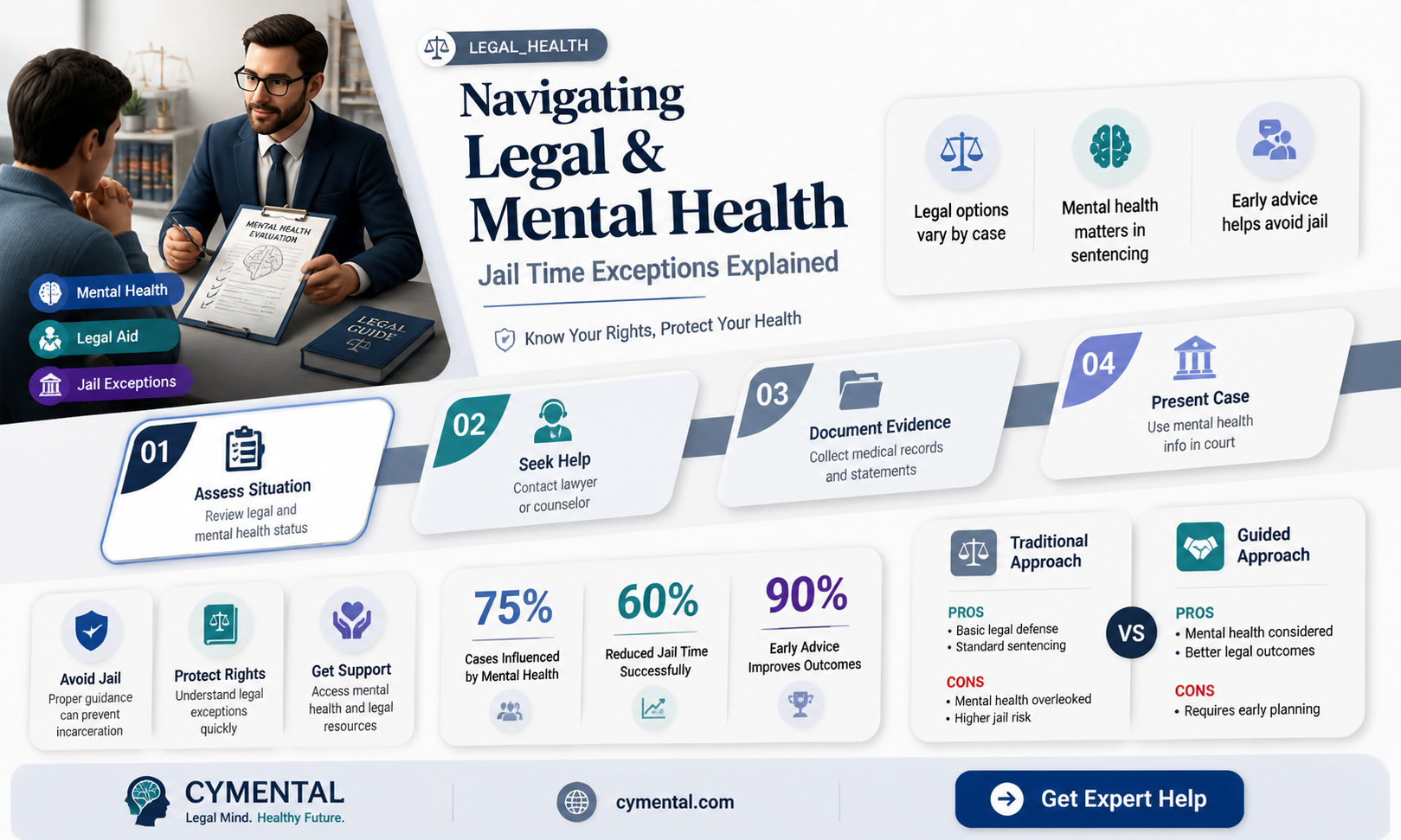
The question of whether a mental illness can result in a person being released from jail time is a complex and multifaceted issue. It intersects with legal, medical, and ethical considerations, and the answer can vary greatly depending on the jurisdiction and the specific circumstances of the case. Generally, a mental illness may be taken into account during sentencing or while a person is incarcerated, potentially leading to alternative sentencing options or early release programs. However, the process is often rigorous and requires thorough evaluation by mental health professionals to determine the individual's suitability for such programs. It's important to note that the goal of such considerations is typically to ensure public safety while also providing appropriate care and rehabilitation for the individual.
Explore related products

What You'll Learn
- Legal Considerations: Exploring the intersection of mental health and criminal law, including competency to stand trial
- Treatment Options: Discussing in-prison mental health services and post-release support programs for rehabilitation
- Case Studies: Examining real-life examples of individuals with mental illness navigating the criminal justice system
- Advocacy and Reform: Highlighting efforts to improve policies and practices regarding mental illness in corrections
- Ethical Dilemmas: Debating the moral complexities of incarcerating individuals with severe mental health conditions

Legal Considerations: Exploring the intersection of mental health and criminal law, including competency to stand trial
The intersection of mental health and criminal law is a complex and nuanced area, with significant implications for individuals facing criminal charges. One key aspect of this intersection is the concept of competency to stand trial, which refers to a defendant's ability to understand the charges against them and participate effectively in their own defense. In cases where a defendant's mental illness may impact their competency, the court must determine whether they are fit to proceed with the trial.
This determination typically involves a thorough evaluation of the defendant's mental state, including their ability to comprehend the legal proceedings, communicate with their attorney, and make informed decisions about their case. If a defendant is found incompetent to stand trial, the court may order them to undergo treatment to restore their competency, or in some cases, may dismiss the charges altogether.
However, the process of determining competency is not without its challenges. Mental health professionals may disagree on a defendant's competency, and the legal standards for competency can vary significantly between jurisdictions. Additionally, the stigma surrounding mental illness can influence public perception of a defendant's competency, potentially leading to unfair or biased outcomes.
To address these challenges, it is essential for legal and mental health professionals to work collaboratively to develop comprehensive assessments of a defendant's competency. This may involve the use of standardized evaluation tools, as well as input from multiple mental health experts. Furthermore, efforts should be made to educate the public and legal professionals about the complexities of mental illness and its impact on criminal responsibility, in order to promote more informed and compassionate decision-making in these cases.
Ultimately, the goal of the competency evaluation process should be to ensure that individuals with mental illness are treated fairly and justly within the criminal justice system, while also protecting the rights and safety of the community. By carefully considering the unique challenges posed by the intersection of mental health and criminal law, we can work towards a more equitable and effective justice system for all.
Exploring the Minds of Our Furry Friends: Do Animals Experience Mental Illness?
You may want to see also
Treatment Options: Discussing in-prison mental health services and post-release support programs for rehabilitation
Inmates with mental illnesses often require specialized treatment to address their conditions effectively. In-prison mental health services can include individual therapy sessions, group counseling, medication management, and crisis intervention. These services are crucial for stabilizing inmates' mental health and preparing them for successful reintegration into society upon release.
Post-release support programs play a vital role in continuing the rehabilitation process for individuals with mental illnesses. These programs may offer transitional housing, job training, educational opportunities, and ongoing therapy sessions. By providing a structured environment and access to necessary resources, post-release programs can help reduce recidivism rates and improve overall outcomes for formerly incarcerated individuals.
One innovative approach to addressing mental health in the criminal justice system is the implementation of mental health courts. These specialized courts divert non-violent offenders with mental illnesses from traditional criminal proceedings into treatment programs. By focusing on rehabilitation rather than punishment, mental health courts can lead to better long-term outcomes for both the individual and the community.
Another important aspect of post-release support is the involvement of community mental health services. These services can provide ongoing care and support to individuals after they leave prison, helping them to maintain their mental health and avoid relapse. Collaboration between prison mental health professionals and community providers is essential for ensuring a smooth transition and continuity of care.
In conclusion, effective treatment options for inmates with mental illnesses involve a combination of in-prison services and post-release support programs. By addressing the unique needs of this population, we can improve their chances of successful rehabilitation and reduce the likelihood of reoffending.
Prioritizing Your Well-being: How to Get Time Off Work for Mental Health
You may want to see also
Case Studies: Examining real-life examples of individuals with mental illness navigating the criminal justice system
In the realm of criminal justice, the intersection with mental health presents complex challenges. Case studies offer a window into the lived experiences of individuals with mental illness as they navigate the judicial system. One such study involves John Doe, a man diagnosed with schizophrenia who was arrested for a non-violent offense. Despite his evident mental health struggles, John was initially denied bail and spent months in jail awaiting trial. His case highlights the systemic issues faced by those with mental illness, including the lack of adequate mental health services within correctional facilities and the tendency to criminalize mental health crises.
Another poignant example is Jane Smith, a woman with bipolar disorder who was charged with a felony due to a manic episode that led to erratic behavior. Jane's case underscores the importance of mental health screenings and interventions at the point of arrest. Had she received appropriate treatment and support, her trajectory through the justice system might have been significantly different. Instead, she faced prolonged detention and a lack of access to necessary medications, exacerbating her condition and hindering her ability to participate in her own defense.
These case studies also reveal the critical role of legal professionals and mental health experts in advocating for individuals with mental illness. In John's case, a compassionate public defender worked tirelessly to secure his release on bail and connect him with community-based mental health services. Similarly, Jane's attorney collaborated with a forensic psychiatrist to present a compelling case for her release and treatment in a therapeutic setting. Such interdisciplinary approaches are essential in ensuring that individuals with mental illness receive fair treatment and the support they need to reintegrate into society.
Moreover, these examples illustrate the broader societal implications of the criminalization of mental illness. The financial burden of incarcerating individuals with mental health issues is substantial, and the lack of effective treatment during incarceration often leads to recidivism. By examining these case studies, we can better understand the need for systemic reforms, including increased funding for mental health services, the implementation of diversion programs, and the training of law enforcement and judicial personnel to recognize and respond to mental health crises.
In conclusion, the case studies of John Doe and Jane Smith provide a compelling lens through which to view the challenges faced by individuals with mental illness in the criminal justice system. Their stories highlight the importance of early intervention, access to treatment, and the collaboration between legal and mental health professionals. By learning from these examples, we can work towards creating a more just and compassionate system that addresses the unique needs of those with mental illness.
Navigating Medicaid for Mental Health Care: A Comprehensive Guide
You may want to see also
Advocacy and Reform: Highlighting efforts to improve policies and practices regarding mental illness in corrections
Amidst growing awareness of mental health issues within correctional facilities, advocacy groups and policymakers have been working tirelessly to reform policies and practices. One notable effort is the implementation of mental health diversion programs, which aim to redirect individuals with mental illness from the criminal justice system to community-based treatment. These programs not only help reduce recidivism rates but also provide a more humane approach to addressing mental health crises.
Another significant reform is the increasing adoption of crisis intervention training (CIT) for law enforcement officers. CIT equips officers with the skills to de-escalate situations involving individuals in mental health crisis, reducing the likelihood of violent confrontations and subsequent incarceration. By fostering a better understanding of mental illness and its manifestations, CIT promotes a more compassionate and effective response to mental health emergencies.
Furthermore, legislative efforts have been made to address the disproportionate representation of individuals with mental illness in solitary confinement. Bills such as the Solitary Confinement Reform Act aim to limit the use of solitary confinement for individuals with serious mental illness, recognizing the detrimental impact of prolonged isolation on mental health. These reforms reflect a growing consensus that the criminal justice system must adapt to better serve the needs of individuals with mental illness.
In addition to these policy changes, there has been a push for increased funding for mental health services within correctional facilities. Advocates argue that providing adequate mental health care in prisons and jails is essential for reducing recidivism and improving public safety. By addressing the root causes of mental illness and providing appropriate treatment, correctional facilities can help individuals reintegrate into society more successfully upon release.
Overall, these efforts to improve policies and practices regarding mental illness in corrections represent a significant step forward in addressing a complex and pressing issue. By prioritizing mental health and implementing evidence-based reforms, policymakers and advocates are working towards a more just and compassionate criminal justice system.
Finding Hope: Where to Seek Help for Depression
You may want to see also
Ethical Dilemmas: Debating the moral complexities of incarcerating individuals with severe mental health conditions
The ethical dilemmas surrounding the incarceration of individuals with severe mental health conditions are complex and multifaceted. At the heart of the debate is the question of whether it is morally justifiable to imprison someone who is unable to fully comprehend the nature of their actions due to a mental illness. This raises significant concerns about the fairness of the criminal justice system and its ability to address the needs of individuals with mental health issues.
One of the key ethical considerations is the principle of mens rea, or the requirement that an individual must have a guilty mind to be held criminally responsible. In cases where a person's mental illness impairs their ability to understand the wrongfulness of their actions, it can be argued that they lack the necessary mens rea to be convicted of a crime. This challenges the traditional notion of justice and raises questions about the appropriate response to individuals who commit offenses while suffering from severe mental health conditions.
Another ethical dilemma is the issue of whether incarceration is an effective or humane way to address the needs of individuals with mental illnesses. Prisons are often ill-equipped to provide the specialized care and treatment that these individuals require, and incarceration can exacerbate their mental health issues. This has led some to argue that alternative approaches, such as community-based treatment programs or specialized mental health courts, may be more appropriate and effective in addressing the needs of individuals with severe mental health conditions.
Furthermore, the ethical debate extends to the broader societal implications of incarcerating individuals with mental illnesses. It can be argued that society has a moral obligation to provide support and resources to help these individuals reintegrate into the community and lead productive lives. Incarceration, on the other hand, can perpetuate a cycle of disadvantage and marginalization, making it more difficult for individuals with mental illnesses to access the help they need.
In conclusion, the ethical dilemmas surrounding the incarceration of individuals with severe mental health conditions are complex and require careful consideration of the moral principles at stake. It is essential to balance the need for justice with the need for compassion and to ensure that the criminal justice system is equipped to address the unique needs of individuals with mental illnesses. By engaging in a thoughtful and nuanced debate, we can work towards developing more effective and humane approaches to addressing these challenging issues.
Navigating Mental Health Medication Access Without Insurance Coverage
You may want to see also
Frequently asked questions
No, a mental illness diagnosis does not automatically exempt someone from jail time. While mental health can be a mitigating factor, it is up to the discretion of the court to determine the appropriate sentence.
Courts often consider the defendant's mental health status during sentencing. They may order a mental health evaluation to assess the defendant's condition and determine if it impacted their ability to understand the crime or control their actions.
Alternatives to jail time for individuals with mental illnesses may include probation, community service, or mandatory mental health treatment. The goal is often to provide support and rehabilitation rather than punishment.
In some cases, a person with a mental illness may be eligible for early release from jail if their condition worsens or if they require specialized mental health care that cannot be provided in prison. However, this is subject to legal procedures and approval.
Yes, there are legal protections in place to ensure that individuals with mental illnesses are not unfairly treated in the criminal justice system. These protections vary by jurisdiction but often include the right to a mental health evaluation, the right to competent representation, and the right to be free from cruel and unusual punishment.