Ava Ramirez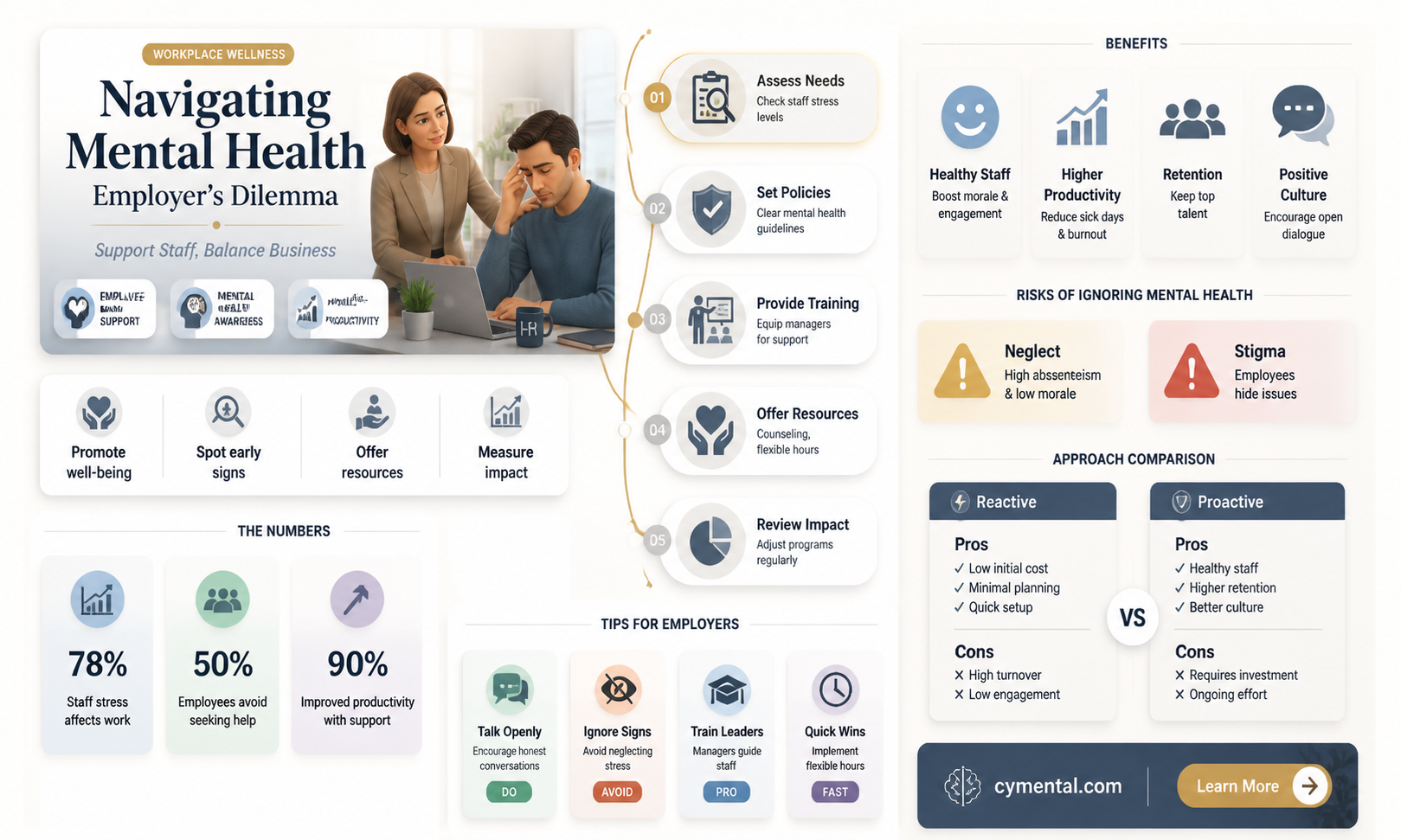
The question of whether an employer can fire someone for mental illness is a complex and sensitive issue that intersects with labor laws, human rights, and workplace policies. In many jurisdictions, mental illness is considered a protected characteristic under anti-discrimination laws, meaning that employers are generally prohibited from terminating an employee solely based on their mental health condition. However, the specifics can vary greatly depending on the country, state, or province, as well as the terms of any applicable collective bargaining agreements or employment contracts. Employers must carefully navigate these legal considerations while also striving to create a supportive and inclusive work environment that accommodates employees with mental health challenges.
| Characteristics | Values |
|---|---|
| Legal Protections | Under the Americans with Disabilities Act (ADA), employers cannot fire employees solely based on mental illness if it is considered a disability and the employee is capable of performing essential job functions with or without reasonable accommodations. |
| Reasonable Accommodations | Employers are required to provide reasonable accommodations to employees with mental illness, such as modified work schedules, changes in job duties, or access to mental health resources, unless it causes undue hardship to the business. |
| Undue Hardship | An employer can claim undue hardship if accommodating an employee's mental illness would result in significant difficulty or expense, or if it would fundamentally alter the nature of the business. |
| Performance Standards | Employers can still enforce performance standards and terminate employees who are not meeting job requirements, even if they have a mental illness, as long as the termination is not solely based on the illness. |
| Documentation | Employers should document all interactions and accommodations related to an employee's mental illness to demonstrate compliance with the ADA and to support any termination decisions. |
| State Laws | Some states have additional laws and protections for employees with mental illness, which may provide further restrictions on an employer's ability to terminate employment. |
| Company Policies | Employers should have clear policies and procedures in place for addressing mental illness in the workplace, including guidelines for reasonable accommodations and termination. |
| Employee Assistance Programs | Many employers offer Employee Assistance Programs (EAPs) that provide mental health support and resources to employees, which can help address issues before they impact job performance. |
Explore related products


$21.77 $24.95

$25.32 $45.99


What You'll Learn
- Legal Protections: Understand the Americans with Disabilities Act (ADA) and its provisions for mental illness
- Reasonable Accommodations: Explore the employer's duty to provide reasonable accommodations for mental health conditions
- Performance and Conduct: Evaluate how mental illness might impact job performance and workplace conduct
- Disclosure and Privacy: Consider the implications of disclosing mental illness to an employer and privacy concerns
- Resources and Support: Identify available resources and support systems for employees with mental health issues

Legal Protections: Understand the Americans with Disabilities Act (ADA) and its provisions for mental illness
The Americans with Disabilities Act (ADA) is a federal law that provides comprehensive protections for individuals with disabilities, including mental illness, in various aspects of life, such as employment, public accommodations, and transportation. In the context of employment, the ADA prohibits discrimination against qualified individuals with disabilities, ensuring that they have equal opportunities to obtain and maintain jobs.
Under the ADA, employers are required to provide reasonable accommodations to employees with mental illness, unless doing so would cause undue hardship. Reasonable accommodations may include adjustments to work schedules, modifications to job duties, or the provision of additional support or resources. Furthermore, the ADA mandates that employers engage in an interactive process with employees to determine the most effective accommodations for their specific needs.
It is important to note that the ADA does not require employers to lower performance standards or excuse misconduct related to an employee's mental illness. However, employers must consider the impact of an employee's mental illness on their ability to perform job duties and make reasonable adjustments accordingly. Additionally, the ADA protects employees from retaliation for requesting accommodations or for participating in the interactive process.
In practice, this means that an employer cannot fire an employee solely because of their mental illness, as long as the employee is qualified to perform the essential functions of their job with or without reasonable accommodations. Employers must carefully evaluate each situation on a case-by-case basis, considering the specific circumstances and the individual's rights under the ADA.
Employees who believe they have been discriminated against due to their mental illness may file a complaint with the Equal Employment Opportunity Commission (EEOC), which is responsible for enforcing the ADA. The EEOC will investigate the complaint and may take legal action against the employer if discrimination is found to have occurred.
In conclusion, the ADA provides robust legal protections for individuals with mental illness in the workplace, ensuring that they have equal opportunities to succeed and thrive. Employers must be aware of their obligations under the ADA and take proactive steps to accommodate employees with mental illness, while also maintaining fair and consistent performance standards.
Legal Recourse for Mental Abuse: Understanding Your Rights and Options
You may want to see also
Explore related products


Reasonable Accommodations: Explore the employer's duty to provide reasonable accommodations for mental health conditions
Under the Americans with Disabilities Act (ADA), employers have a legal obligation to provide reasonable accommodations to employees with mental health conditions, unless doing so would cause undue hardship. This means that if an employee discloses a mental health condition and requests an accommodation, the employer must engage in an interactive process to determine what accommodations may be necessary. Reasonable accommodations can include modifications to the work environment, adjustments to work schedules, or providing additional support or resources.
One common misconception is that reasonable accommodations always require significant changes or financial investments. In reality, many accommodations can be relatively simple and inexpensive, such as providing a quiet workspace, allowing for flexible scheduling, or offering additional training or support. Employers should focus on the specific needs of the employee and work collaboratively to find a solution that enables the employee to perform their job effectively.
It's also important to note that employers cannot retaliate against employees for requesting or utilizing reasonable accommodations. This means that an employer cannot fire, demote, or otherwise penalize an employee for disclosing a mental health condition or for requesting accommodations. Employers should create a supportive and inclusive work environment that encourages employees to seek help when needed, without fear of negative consequences.
In practice, providing reasonable accommodations can benefit both the employee and the employer. By supporting employees with mental health conditions, employers can improve employee well-being, increase productivity, and reduce turnover. Additionally, employers can avoid potential legal liabilities and foster a positive workplace culture that values diversity and inclusion.
To ensure compliance with the ADA and to support employees with mental health conditions, employers should develop clear policies and procedures for handling accommodation requests. This may include training managers and supervisors on how to recognize and respond to accommodation requests, as well as providing resources and support for employees who may need accommodations. By taking a proactive and supportive approach, employers can create a workplace that is welcoming and inclusive for all employees, regardless of their mental health status.
Understanding Mental Health Inpatient Care Duration
You may want to see also
Explore related products


Performance and Conduct: Evaluate how mental illness might impact job performance and workplace conduct
Mental illness can significantly impact an individual's job performance and workplace conduct. For instance, conditions such as depression and anxiety can lead to decreased productivity, increased absenteeism, and difficulties in concentrating and making decisions. Bipolar disorder may cause erratic behavior and mood swings that can affect interpersonal relationships and the ability to meet job demands consistently. Schizophrenia might impair cognitive functions, leading to challenges in understanding and executing tasks. These impacts can vary widely depending on the severity of the illness, the individual's specific symptoms, and the nature of their job responsibilities.
Employers must navigate these issues carefully to ensure they are providing a supportive work environment while also maintaining the standards of performance and conduct necessary for their business operations. This involves recognizing the signs of mental illness, offering appropriate accommodations, and engaging in open communication with affected employees. Accommodations might include flexible work schedules, modified job duties, or providing access to mental health resources. However, employers also have a responsibility to ensure that employees are able to perform their jobs safely and effectively, which may involve setting clear expectations and monitoring performance.
In cases where an employee's mental illness significantly impacts their ability to perform their job, employers may need to consider more formal interventions. This could include placing the employee on a performance improvement plan, offering additional training or support, or, in some cases, considering termination if the employee is unable to meet the essential functions of their role despite reasonable accommodations. It is crucial for employers to approach these situations with sensitivity and to comply with relevant laws and regulations, such as the Americans with Disabilities Act (ADA), which protects employees with disabilities from discrimination.
Ultimately, the goal should be to create a workplace that is supportive of employees with mental illness while also upholding the standards necessary for the business to operate effectively. This requires a balanced approach that takes into account the individual needs of employees as well as the overall needs of the organization. By fostering a culture of understanding and support, employers can help employees with mental illness to thrive in their roles and contribute positively to the workplace.
The Silent Impact: Understanding the Effects of Ignoring Someone
You may want to see also
Explore related products


Disclosure and Privacy: Consider the implications of disclosing mental illness to an employer and privacy concerns
Disclosing a mental illness to an employer can have significant implications for an individual's privacy and career. While it may be necessary to disclose certain conditions to access workplace accommodations or support, doing so can also lead to unintended consequences, such as stigma, discrimination, or even termination. Employers have a legal obligation to maintain the confidentiality of employee health information, but breaches can still occur, either intentionally or unintentionally.
One of the primary concerns surrounding disclosure is the potential for an employer to misuse the information. Despite anti-discrimination laws, some employers may still view mental illness as a sign of weakness or unreliability, which could impact hiring, promotion, or termination decisions. Additionally, if an employer is not properly trained or educated about mental health issues, they may make assumptions or take actions that are not in the best interest of the employee.
Another consideration is the impact of disclosure on an individual's professional relationships. Coworkers may react differently to the news, ranging from supportive to judgmental. This can create a challenging work environment and potentially affect an individual's ability to perform their job effectively. Furthermore, if the disclosure becomes public knowledge, it could damage an individual's professional reputation and limit future career opportunities.
To mitigate these risks, it is essential for individuals to carefully consider the potential consequences of disclosure and to take steps to protect their privacy. This may include reviewing company policies and procedures, consulting with a mental health professional or legal advisor, and developing a plan for managing the disclosure process. By being proactive and informed, individuals can better navigate the complex issues surrounding mental illness disclosure in the workplace.
Navigating the Complex Process of Declaring Mental Incompetence
You may want to see also
Explore related products

$18.99 $31.95



Resources and Support: Identify available resources and support systems for employees with mental health issues
Employees struggling with mental health issues may feel isolated and unsure of where to turn for help. However, there are numerous resources and support systems available to assist them. One crucial resource is the Employee Assistance Program (EAP), which is often provided by employers as a confidential service offering counseling, referrals, and support for various personal and work-related issues, including mental health.
In addition to EAPs, employees can also seek support from their healthcare providers, who can offer therapy, medication, and other treatment options. Many communities also have local mental health organizations that provide resources, support groups, and educational programs for individuals struggling with mental illness.
Online resources can also be a valuable tool for employees with mental health issues. Websites such as the National Alliance on Mental Illness (NAMI) and the American Psychological Association (APA) offer a wealth of information, resources, and support options for individuals struggling with mental health issues.
It's important for employees to know that they are not alone in their struggles and that there are resources available to help them. Employers can also play a crucial role in supporting employees with mental health issues by providing access to resources, promoting a culture of openness and understanding, and offering accommodations to help employees manage their conditions.
Ultimately, identifying and utilizing available resources and support systems can be a critical step in managing mental health issues and maintaining employment. By taking advantage of these resources, employees can better understand their conditions, develop coping strategies, and improve their overall well-being.
Emergency Contacts: Who to Call During a Mental Health Crisis
You may want to see also
Frequently asked questions
Generally, an employer cannot fire someone solely because they have a mental illness. Mental health conditions are considered disabilities under various laws, such as the Americans with Disabilities Act (ADA) in the United States, which protects employees from discrimination based on their disability status.
Exceptions may include situations where the employee's mental illness poses a direct threat to the safety of themselves or others in the workplace, or if the illness significantly impacts their ability to perform essential job functions, even with reasonable accommodations.
Employers may be required to provide reasonable accommodations such as flexible work schedules, reduced hours, a quiet workspace, regular breaks, or the option to work from home. The specific accommodations depend on the individual's needs and the nature of their job.
Employers can support employees by creating a supportive work environment, offering access to employee assistance programs (EAPs), and providing resources for mental health support. They should also ensure that any discussions about mental health are kept confidential and handled sensitively.
If an employee feels they have been discriminated against, they should first try to address the issue internally with their employer. If that is not successful, they can file a complaint with the appropriate government agency, such as the Equal Employment Opportunity Commission (EEOC) in the United States, or seek legal advice from an attorney specializing in employment law.