Ava Ramirez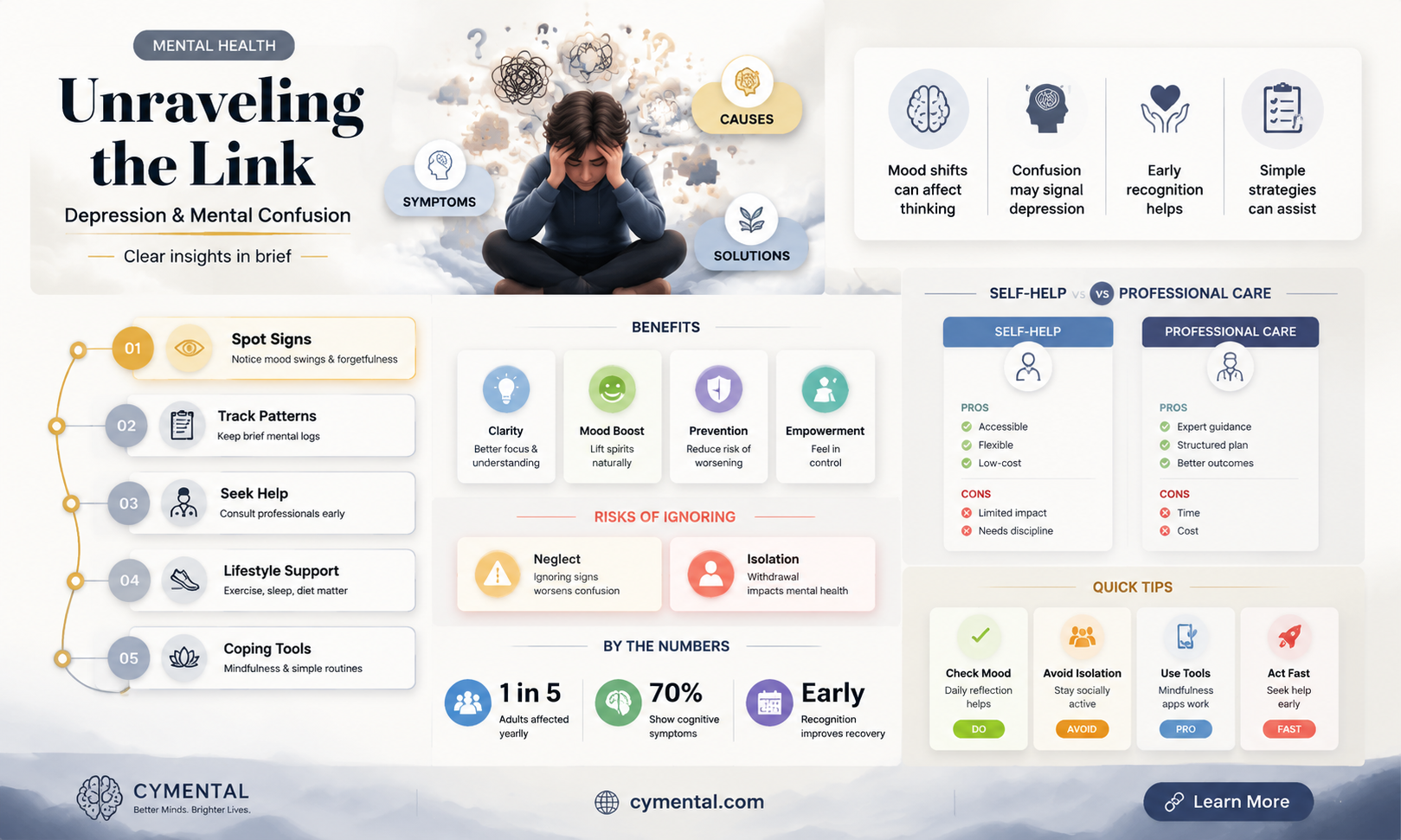
Depression is a complex mental health condition that affects millions of people worldwide. While it is often characterized by persistent feelings of sadness, hopelessness, and a lack of interest in activities, depression can also have a significant impact on cognitive functioning. One common symptom experienced by individuals with depression is mental confusion, which can manifest as difficulty concentrating, making decisions, or remembering information. This cognitive impairment can be particularly distressing, as it may interfere with daily functioning and exacerbate the emotional challenges associated with depression. Understanding the relationship between depression and mental confusion is crucial for developing effective treatment strategies and improving the overall well-being of those affected by this debilitating condition.
| Characteristics | Values |
|---|---|
| Definition | Depression is a mood disorder that can affect a person's thoughts, feelings, and behaviors. Mental confusion is a symptom that can occur in various mental health conditions, including depression. |
| Symptoms | Symptoms of depression include persistent feelings of sadness, hopelessness, and loss of interest in activities. Mental confusion may manifest as difficulty concentrating, remembering, or making decisions. |
| Causes | Depression can be caused by a combination of genetic, environmental, and psychological factors. Mental confusion in depression may result from changes in brain chemistry and structure. |
| Diagnosis | Depression is typically diagnosed through a combination of medical history, physical examination, and psychological evaluation. Mental confusion may be assessed through cognitive tests and interviews. |
| Treatment | Treatment for depression often involves a combination of medication, psychotherapy, and lifestyle changes. Addressing mental confusion may involve cognitive training and strategies to improve memory and concentration. |
| Prognosis | With proper treatment, many people with depression can experience significant improvement in their symptoms. However, mental confusion may persist in some cases, especially if left untreated. |
| Complications | Untreated depression can lead to various complications, including increased risk of suicide, substance abuse, and social isolation. Mental confusion can contribute to these complications by impairing a person's ability to function in daily life. |
Explore related products


$13.99


What You'll Learn
- Cognitive Symptoms: Depression can impair concentration, memory, and decision-making abilities
- Emotional Impact: Depressed individuals may experience heightened emotional sensitivity and reactivity
- Psychomotor Changes: Depression can lead to slowed movements and speech, or restlessness and agitation
- Sleep Disturbances: Insomnia or hypersomnia are common in depression, affecting mental clarity
- Treatment Options: Antidepressants and therapy can help alleviate mental confusion caused by depression

Cognitive Symptoms: Depression can impair concentration, memory, and decision-making abilities
Depression is often associated with a range of cognitive symptoms that can significantly impact an individual's daily functioning. One of the most common cognitive symptoms is difficulty concentrating. This can manifest as trouble focusing on tasks at work or school, finding it hard to follow conversations, or becoming easily distracted by minor stimuli. Over time, this persistent lack of concentration can lead to decreased productivity and increased feelings of frustration and inadequacy.
Memory problems are another cognitive symptom frequently reported by individuals with depression. This can include forgetfulness, such as misplacing items or forgetting appointments, as well as difficulty recalling past events or learning new information. These memory issues can further exacerbate feelings of confusion and disorientation, making it challenging for individuals to navigate their daily lives effectively.
Decision-making abilities can also be severely impaired in individuals with depression. This can present as an inability to make even simple decisions, such as what to eat for breakfast or what to wear, leading to feelings of indecisiveness and anxiety. In more severe cases, individuals may struggle with making important life decisions, such as those related to their career or relationships, which can have long-lasting consequences.
The cognitive symptoms of depression can be particularly challenging to manage because they often persist even when other symptoms, such as sadness or loss of interest, begin to improve. This can lead to a sense of being "stuck" or unable to fully recover, which can further contribute to feelings of hopelessness and despair.
It is important for individuals experiencing these cognitive symptoms to seek professional help, as there are effective treatments available. Cognitive-behavioral therapy (CBT) and certain medications, such as selective serotonin reuptake inhibitors (SSRIs), have been shown to be particularly helpful in addressing these symptoms. Additionally, lifestyle changes, such as regular exercise and a healthy diet, can also play a role in improving cognitive function.
In conclusion, the cognitive symptoms of depression, including impaired concentration, memory, and decision-making abilities, can have a profound impact on an individual's quality of life. However, with the right treatment and support, it is possible to manage and even overcome these symptoms, leading to a more fulfilling and productive life.
Exploring the Link: Can Herpes Impact Mental Health?
You may want to see also
Explore related products


Emotional Impact: Depressed individuals may experience heightened emotional sensitivity and reactivity
Depressed individuals often find themselves caught in a cycle of heightened emotional sensitivity and reactivity. This can manifest as an intense response to situations that others might find manageable or even trivial. For instance, a person with depression might experience overwhelming sadness or anger in reaction to a minor criticism or setback, which can lead to further feelings of isolation and misunderstanding.
This heightened emotional state can be attributed to several factors. Neurobiologically, depression affects the brain's ability to regulate emotions, leading to an exaggerated response to stressors. Additionally, the cognitive distortions common in depression can amplify negative emotions, making it difficult for individuals to perceive situations objectively.
The impact of this emotional reactivity can be far-reaching. It can strain relationships, as friends and family may struggle to understand or cope with the individual's intense emotional responses. In the workplace, it can lead to conflicts with colleagues or supervisors, potentially affecting job performance and stability. Moreover, the constant state of emotional turmoil can exacerbate other symptoms of depression, such as fatigue, changes in appetite, and sleep disturbances.
Breaking this cycle requires a multifaceted approach. Cognitive-behavioral therapy (CBT) can be particularly effective, as it helps individuals identify and challenge negative thought patterns that contribute to their emotional reactivity. Medications, such as selective serotonin reuptake inhibitors (SSRIs), can also play a role by stabilizing mood and reducing the intensity of emotional responses.
In addition to professional treatment, there are practical strategies that individuals can employ to manage their emotional sensitivity. Mindfulness practices, such as meditation and deep breathing exercises, can help individuals stay grounded and reduce the impact of overwhelming emotions. Engaging in regular physical activity can also be beneficial, as exercise has been shown to improve mood and emotional regulation.
Ultimately, understanding and addressing the emotional impact of depression is crucial for effective treatment and recovery. By recognizing the signs of heightened emotional sensitivity and reactivity, individuals can take steps to manage their symptoms and improve their overall well-being.
Unveiling the Mysteries: What Causes Mental Fog?
You may want to see also
Explore related products

$4.99 $9.99


Psychomotor Changes: Depression can lead to slowed movements and speech, or restlessness and agitation
Depression can manifest in various ways, and one of the less commonly discussed symptoms is psychomotor changes. These changes can significantly impact a person's daily functioning and overall quality of life. Psychomotor changes refer to alterations in physical movement and speech patterns, which can be observed by others. In the context of depression, these changes can take two main forms: slowed movements and speech, or restlessness and agitation.
Slowed movements and speech, often referred to as psychomotor retardation, can make everyday tasks feel like monumental challenges. Simple activities such as getting out of bed, walking, or even speaking can become exhausting. This slowing down can also affect cognitive processes, making it harder to concentrate, remember things, or make decisions. It's as if the body and mind are weighed down by a heavy burden, making even the smallest actions require immense effort.
On the other hand, restlessness and agitation, known as psychomotor agitation, can lead to a constant feeling of being on edge. Individuals may find themselves pacing back and forth, fidgeting, or engaging in other restless behaviors. Speech may become rapid and pressured, with thoughts racing and tumbling out in a disorganized manner. This state of heightened arousal can be incredibly distressing, both for the person experiencing it and for those around them.
These psychomotor changes can be particularly challenging to manage because they often accompany other symptoms of depression, such as low mood, loss of interest, and changes in appetite and sleep. The combination of these symptoms can create a vicious cycle, where the psychomotor changes exacerbate the other symptoms and vice versa. For example, slowed movements and speech can lead to social withdrawal, which in turn can deepen feelings of isolation and despair.
It's important to note that psychomotor changes are not a sign of weakness or a character flaw. They are a legitimate symptom of depression that can be treated with the right combination of medication and therapy. If you or someone you know is experiencing these changes, it's crucial to seek professional help. A healthcare provider can assess the severity of the symptoms and recommend appropriate treatment options, which may include antidepressant medications, psychotherapy, or a combination of both.
In conclusion, psychomotor changes are a significant aspect of depression that can have a profound impact on a person's life. By understanding these changes and seeking appropriate treatment, individuals can begin to regain control over their movements, speech, and overall well-being. Remember, depression is a treatable condition, and there is hope for recovery.
Sleep Deprivation and Mental Health: Understanding the Breakdown
You may want to see also
Explore related products


Sleep Disturbances: Insomnia or hypersomnia are common in depression, affecting mental clarity
Sleep disturbances, particularly insomnia and hypersomnia, are prevalent among individuals experiencing depression. These conditions can significantly impact mental clarity, making it difficult for affected individuals to concentrate, make decisions, and process information effectively. Insomnia, characterized by difficulty falling asleep or staying asleep, can lead to fatigue, irritability, and a decreased ability to focus. On the other hand, hypersomnia, which involves excessive daytime sleepiness or prolonged periods of sleep, can result in a lack of energy, motivation, and cognitive impairment.
Research suggests that sleep disturbances may be both a symptom and a contributing factor to depression. Poor sleep quality can exacerbate depressive symptoms, while depression itself can disrupt sleep patterns. This bidirectional relationship highlights the importance of addressing sleep issues in the treatment of depression. Cognitive-behavioral therapy for insomnia (CBT-I) and sleep hygiene practices, such as maintaining a consistent sleep schedule and creating a relaxing sleep environment, can be effective in improving sleep quality and reducing depressive symptoms.
In addition to psychological interventions, pharmacological treatments may also be necessary to manage sleep disturbances in depression. Antidepressant medications that target both sleep and mood, such as selective serotonin reuptake inhibitors (SSRIs) and tricyclic antidepressants (TCAs), can be beneficial in alleviating symptoms. However, it is essential to consult with a healthcare professional to determine the most appropriate treatment plan, as medication side effects and interactions can impact sleep quality.
Lifestyle modifications can also play a crucial role in managing sleep disturbances associated with depression. Regular exercise, a balanced diet, and stress management techniques, such as mindfulness meditation and deep breathing exercises, can help improve sleep quality and overall well-being. Furthermore, limiting exposure to screens and bright lights before bedtime, as well as avoiding caffeine and alcohol, can contribute to better sleep hygiene.
In conclusion, sleep disturbances are a common and significant aspect of depression that can have a profound impact on mental clarity and cognitive function. Addressing these issues through a combination of psychological, pharmacological, and lifestyle interventions is essential for improving sleep quality and reducing depressive symptoms. By prioritizing sleep health, individuals can take an important step towards managing their depression and enhancing their overall well-being.
Exploring the Link: Kidney Failure and Altered Mental Status
You may want to see also
Explore related products
![A Confucian Confusion / Mahjong: Two Films by Edward Yang(The Criterion Collection) [Blu-ray]](https://m.media-amazon.com/images/I/81fTcMCMFhL._AC_UY218_.jpg)


Treatment Options: Antidepressants and therapy can help alleviate mental confusion caused by depression
Antidepressants are a common treatment option for depression and can help alleviate mental confusion associated with the condition. These medications work by balancing chemicals in the brain that affect mood and cognition. Selective serotonin reuptake inhibitors (SSRIs) are a popular class of antidepressants that have been shown to be effective in treating depression and improving cognitive function. It is important to note that antidepressants may have side effects and should only be taken under the guidance of a healthcare professional.
Therapy is another effective treatment option for depression and mental confusion. Cognitive-behavioral therapy (CBT) is a type of talk therapy that helps individuals identify and change negative thought patterns that contribute to depression. CBT can also help improve cognitive function by teaching individuals strategies to better manage their thoughts and emotions. Other forms of therapy, such as interpersonal therapy and psychodynamic therapy, may also be beneficial in treating depression and mental confusion.
In addition to antidepressants and therapy, lifestyle changes can also help alleviate mental confusion caused by depression. Regular exercise, a healthy diet, and adequate sleep are all important factors in maintaining mental health. Mindfulness practices, such as meditation and yoga, can also help reduce stress and improve cognitive function. It is important for individuals experiencing depression and mental confusion to work with a healthcare professional to develop a comprehensive treatment plan that addresses their specific needs.
It is also important to recognize that depression and mental confusion can have a significant impact on daily life. Individuals may experience difficulty concentrating, making decisions, and remembering information. These symptoms can make it challenging to perform tasks at work or school and can also affect relationships with friends and family. Seeking treatment for depression and mental confusion is crucial in order to improve overall quality of life and regain cognitive function.
In conclusion, antidepressants and therapy are effective treatment options for depression and mental confusion. Lifestyle changes can also play a role in alleviating symptoms. It is important for individuals experiencing these symptoms to seek professional help in order to develop a comprehensive treatment plan that addresses their specific needs. With proper treatment, individuals can improve their cognitive function and overall quality of life.
Unveiling the Psychological Impact: Narcissistic Abuse and Its Mental Health Consequences
You may want to see also
Frequently asked questions
Yes, depression can lead to mental confusion. This is because depression affects cognitive functioning, which can result in difficulties with concentration, memory, and decision-making.
Depression can impair cognitive abilities by reducing the ability to focus, remember details, and make sound judgments. It can also lead to negative thought patterns that reinforce feelings of hopelessness and helplessness.
Strategies for managing mental confusion caused by depression include practicing mindfulness, engaging in cognitive-behavioral therapy, and taking prescribed antidepressant medications. Additionally, maintaining a healthy lifestyle with regular exercise, a balanced diet, and sufficient sleep can also help alleviate symptoms.