Madison Cole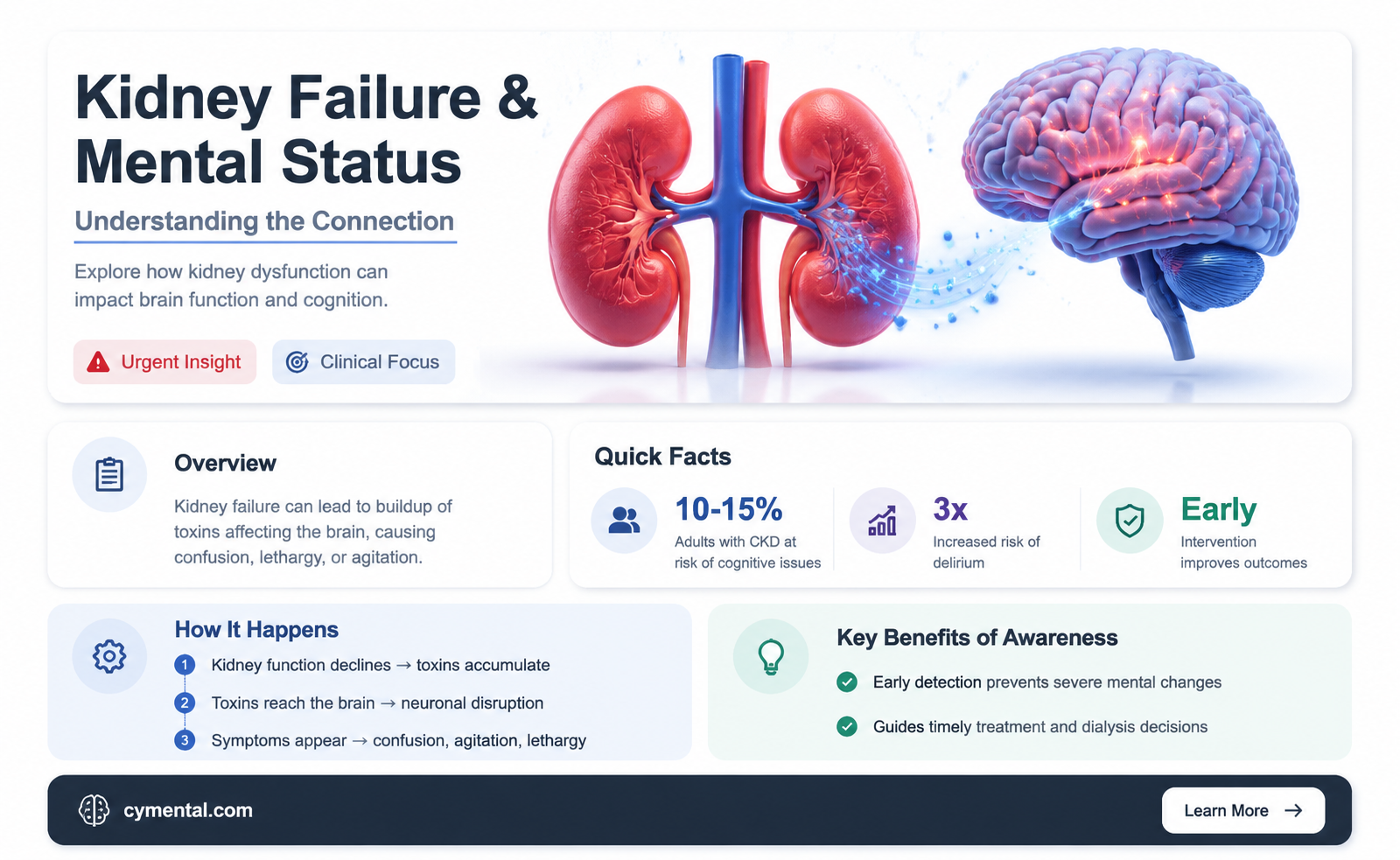
Kidney failure, a condition in which the kidneys lose their ability to filter waste and excess fluids from the blood, can have far-reaching consequences beyond the renal system. One significant and often overlooked complication is its potential impact on mental status. The buildup of toxins and waste products in the bloodstream, a hallmark of kidney failure, can lead to a range of neurological symptoms, including confusion, disorientation, and even psychosis. This altered mental status can be a result of the body's inability to maintain homeostasis, as the kidneys play a crucial role in regulating electrolyte balance and removing metabolic waste. Understanding the relationship between kidney failure and mental status is essential for healthcare providers, as it can aid in early detection and intervention, potentially improving patient outcomes and quality of life.
| Characteristics | Values |
|---|---|
| Condition | Kidney Failure |
| Effect | Altered Mental Status |
| Mechanism | Buildup of toxins and waste products in the blood |
| Symptoms | Confusion, difficulty concentrating, lethargy, seizures |
| Risk Factors | Chronic kidney disease, acute kidney injury, electrolyte imbalances |
| Diagnosis | Blood tests, urine tests, imaging studies |
| Treatment | Dialysis, medication management, fluid and electrolyte balance |
| Prognosis | Depends on the underlying cause and severity of kidney failure |
| Prevention | Regular monitoring of kidney function, managing underlying health conditions |
Explore related products


What You'll Learn
- Uremia and Brain Function: High levels of urea and other toxins can impair cognitive functions and mental clarity
- Electrolyte Imbalance: Abnormal levels of electrolytes like sodium, potassium, and calcium can affect neuronal activity and mental status
- Anemia and Oxygenation: Kidney failure-related anemia can lead to decreased oxygen supply to the brain, impacting mental functions
- Inflammation and Infection: Chronic inflammation and potential infections associated with kidney failure can influence mental health and cognition
- Dialysis and Mental Health: The dialysis process and its side effects can contribute to changes in mental status and well-being

Uremia and Brain Function: High levels of urea and other toxins can impair cognitive functions and mental clarity
Uremia, a condition characterized by high levels of urea in the blood, is a common complication of kidney failure. This buildup of toxins can have a profound impact on brain function, leading to a range of cognitive impairments and mental health issues. Studies have shown that elevated levels of urea and other waste products can interfere with neurotransmitter function, disrupt the blood-brain barrier, and cause inflammation in the central nervous system. These effects can manifest as difficulties with concentration, memory loss, mood swings, and even seizures or coma in severe cases.
One of the key mechanisms by which uremia affects brain function is through the disruption of the blood-brain barrier. This barrier is a specialized system of blood vessels that separates the brain from the rest of the body, allowing only certain substances to pass through. In uremia, the increased levels of toxins in the blood can damage this barrier, allowing harmful substances to enter the brain and causing inflammation and oxidative stress. This can lead to a cascade of events that impair cognitive function and contribute to the development of neurological disorders.
Another important factor in the relationship between uremia and brain function is the role of neurotransmitters. Neurotransmitters are chemicals that transmit signals between nerve cells in the brain, and they play a crucial role in regulating mood, memory, and other cognitive functions. In uremia, the buildup of toxins can interfere with the production and function of neurotransmitters, leading to imbalances that can contribute to depression, anxiety, and other mental health issues. For example, studies have shown that uremic patients often have decreased levels of serotonin, a neurotransmitter that is important for regulating mood and sleep patterns.
In addition to these direct effects on brain function, uremia can also contribute to altered mental status through its impact on other bodily systems. For example, uremia can cause electrolyte imbalances, which can lead to muscle weakness, fatigue, and other physical symptoms that can indirectly affect cognitive function. Furthermore, the chronic nature of kidney failure and the need for ongoing medical treatment can contribute to stress and anxiety, which can further exacerbate mental health issues.
Overall, the relationship between uremia and brain function is complex and multifaceted. While the exact mechanisms are still not fully understood, it is clear that the buildup of toxins in the blood can have a significant impact on cognitive function and mental health. As such, it is important for healthcare providers to be aware of these potential complications and to take steps to manage them effectively in patients with kidney failure. This may include monitoring for signs of cognitive impairment, providing appropriate medical treatment, and offering support and resources to help patients cope with the challenges of their condition.
Unveiling the Link: Depression's Impact on Cognitive Clarity
You may want to see also
Explore related products


Electrolyte Imbalance: Abnormal levels of electrolytes like sodium, potassium, and calcium can affect neuronal activity and mental status
Electrolyte imbalance can significantly impact neuronal activity and mental status, particularly in the context of kidney failure. The kidneys play a crucial role in maintaining the body's electrolyte balance by filtering and excreting excess ions. When kidney function is compromised, the body's ability to regulate electrolyte levels is disrupted, leading to potential abnormalities in sodium, potassium, and calcium concentrations.
Abnormal sodium levels can lead to a range of neurological symptoms. Hyponatremia, or low sodium levels, can cause confusion, lethargy, and even seizures. On the other hand, hypernatremia, or high sodium levels, can result in symptoms such as agitation, restlessness, and altered mental status. Potassium imbalances can also affect mental status, with hypokalemia potentially causing weakness, fatigue, and cognitive impairment, while hyperkalemia can lead to muscle weakness and cardiac arrhythmias, which may indirectly affect mental status.
Calcium imbalances can have a profound impact on neuronal activity. Hypocalcemia, or low calcium levels, can cause tetany, a condition characterized by muscle spasms and cramping, which can be accompanied by altered mental status. Hypercalcemia, or high calcium levels, can lead to symptoms such as confusion, lethargy, and depression. In the context of kidney failure, these electrolyte imbalances can be particularly challenging to manage, as the kidneys' impaired function can exacerbate the underlying causes of the imbalances.
In addition to the direct effects of electrolyte imbalances on neuronal activity, kidney failure can also contribute to altered mental status through other mechanisms. For example, the buildup of toxins and waste products in the blood, a common consequence of kidney failure, can lead to symptoms such as confusion, lethargy, and decreased cognitive function. Furthermore, the psychological impact of kidney failure, including stress, anxiety, and depression, can also contribute to altered mental status.
Effective management of electrolyte imbalances in the context of kidney failure is crucial for maintaining optimal mental status. This may involve dietary modifications, medication adjustments, and in some cases, dialysis or other forms of renal replacement therapy. Close monitoring of electrolyte levels and prompt intervention when imbalances are detected can help to prevent or mitigate the neurological symptoms associated with kidney failure.
In conclusion, electrolyte imbalance is a significant concern in the context of kidney failure, as it can have a profound impact on neuronal activity and mental status. Understanding the mechanisms by which electrolyte imbalances affect mental status, as well as the strategies for managing these imbalances, is essential for providing optimal care for individuals with kidney failure.
Exploring the Link: Lyme Disease and Mental Health
You may want to see also
Explore related products


![Mental Status Examination: A Comprehensive Core Skills Guide For All Health Professionals [Booklet]](https://m.media-amazon.com/images/I/51zXTPH8MPS._AC_UY218_.jpg)


Anemia and Oxygenation: Kidney failure-related anemia can lead to decreased oxygen supply to the brain, impacting mental functions
Kidney failure-related anemia significantly impacts the body's ability to transport oxygen to vital organs, including the brain. This condition arises when the kidneys are unable to produce sufficient erythropoietin, a hormone that stimulates the bone marrow to produce red blood cells. As a result, the body suffers from a reduced number of red blood cells, leading to anemia.
The brain is highly sensitive to oxygen levels, and even a slight decrease in oxygen supply can lead to altered mental status. Symptoms may include fatigue, difficulty concentrating, confusion, and in severe cases, cognitive impairment. This occurs because oxygen is essential for the proper functioning of brain cells, and when oxygen levels drop, brain function is compromised.
Anemia can also exacerbate other conditions that affect mental status, such as depression and anxiety. The reduced oxygen supply can lead to increased feelings of lethargy and hopelessness, which are common symptoms of depression. Additionally, the stress of dealing with kidney failure and its associated complications can contribute to anxiety, further impacting mental well-being.
Treatment for kidney failure-related anemia typically involves addressing the underlying cause of the anemia, which is the kidney dysfunction. This may include dialysis, kidney transplant, or medications to stimulate red blood cell production. In some cases, supplemental oxygen may be necessary to ensure adequate oxygenation of the brain and other organs.
It is crucial for individuals with kidney failure to be aware of the potential impact of anemia on their mental status. Regular monitoring of oxygen levels and proactive management of anemia can help mitigate the risk of cognitive impairment and improve overall quality of life.
Unseen Scars: The Mental and Emotional Toll of Restraints
You may want to see also
Explore related products


Inflammation and Infection: Chronic inflammation and potential infections associated with kidney failure can influence mental health and cognition
Chronic inflammation is a persistent and prolonged response of the body's immune system, often leading to tissue damage and organ dysfunction. In the context of kidney failure, chronic inflammation can arise from various sources, including the accumulation of waste products in the blood, imbalances in electrolytes, and the activation of immune cells in response to kidney damage. This inflammatory state can have far-reaching consequences, extending beyond the kidneys to affect other organs and systems, including the brain.
Research has shown that chronic inflammation can contribute to cognitive decline and altered mental status in individuals with kidney failure. Inflammatory markers, such as C-reactive protein and interleukin-6, have been found to be elevated in patients with chronic kidney disease, and these markers have been linked to impairments in cognitive function, including memory, attention, and executive function. The exact mechanisms by which chronic inflammation affects mental health and cognition are still being investigated, but it is believed that inflammatory molecules can cross the blood-brain barrier and directly impact brain function.
In addition to chronic inflammation, kidney failure can also increase the risk of infections, which can further exacerbate mental health and cognitive issues. Infections can trigger an acute inflammatory response, leading to a temporary worsening of cognitive function. Moreover, certain infections, such as urinary tract infections, are more common in individuals with kidney failure and can have a direct impact on mental status if left untreated.
The management of chronic inflammation and infections in kidney failure is crucial for maintaining mental health and cognitive function. Strategies may include the use of anti-inflammatory medications, such as corticosteroids or nonsteroidal anti-inflammatory drugs, as well as antibiotics to treat infections. Additionally, lifestyle modifications, such as a healthy diet, regular exercise, and stress management, can help to reduce inflammation and improve overall well-being.
In conclusion, chronic inflammation and potential infections associated with kidney failure can have a significant impact on mental health and cognition. Understanding the underlying mechanisms and implementing appropriate management strategies are essential for mitigating these effects and improving the quality of life for individuals with kidney failure.
Exploring the Link: Malnutrition and Mental Health Concerns
You may want to see also
Explore related products


Dialysis and Mental Health: The dialysis process and its side effects can contribute to changes in mental status and well-being
Dialysis is a life-saving treatment for individuals with kidney failure, but it can also have significant impacts on mental health. The process of dialysis involves the removal of waste and excess fluids from the blood, which is typically done three times a week for several hours at a time. This can lead to a range of side effects, including fatigue, nausea, and muscle cramps, all of which can contribute to changes in mental status and well-being.
One of the most common mental health issues associated with dialysis is depression. The physical toll of the treatment, combined with the emotional stress of living with a chronic illness, can make it difficult for individuals to maintain a positive outlook. Symptoms of depression may include feelings of sadness, hopelessness, and a loss of interest in activities that were once enjoyable. It is important for healthcare providers to monitor patients on dialysis for signs of depression and to provide appropriate treatment and support.
Another mental health concern for individuals on dialysis is anxiety. The uncertainty of living with a chronic illness, as well as the fear of complications or death, can lead to heightened levels of anxiety. This can manifest as excessive worry, restlessness, and difficulty sleeping. Healthcare providers may recommend relaxation techniques, such as deep breathing or meditation, to help manage anxiety symptoms.
In addition to depression and anxiety, individuals on dialysis may also experience cognitive changes. These can include difficulties with memory, concentration, and decision-making. Such cognitive changes can be frustrating and may impact a person's ability to perform daily tasks or maintain employment. It is important for healthcare providers to assess cognitive function in patients on dialysis and to provide strategies for managing any impairments.
Overall, the dialysis process and its side effects can have a significant impact on mental health and well-being. It is crucial for healthcare providers to be aware of these potential issues and to provide comprehensive care that addresses both the physical and emotional needs of patients on dialysis. By doing so, they can help improve the quality of life for individuals living with kidney failure.
Understanding Mental Retardation: Causes and Prevention Strategies
You may want to see also
Frequently asked questions
Yes, kidney failure can lead to altered mental status. This is often due to the buildup of toxins and waste products in the blood, which can affect brain function.
Symptoms may include confusion, difficulty concentrating, memory problems, agitation, and in severe cases, seizures or coma.
Kidney failure can cause an accumulation of harmful substances in the bloodstream, such as urea and creatinine, which can interfere with normal brain function and lead to altered mental status.
Yes, altered mental status is a relatively common complication of kidney failure, especially in severe or acute cases. It is important for individuals with kidney disease to be aware of this potential complication and to seek medical attention if they experience any changes in mental function.