Madison Cole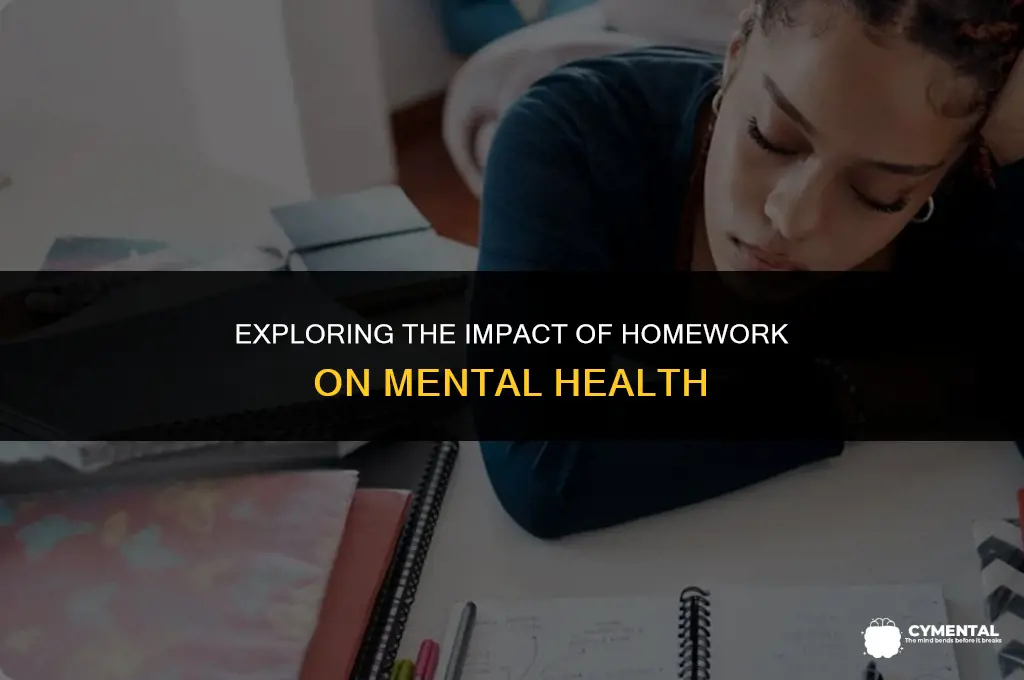
Homework, a common practice in educational systems worldwide, has long been a subject of debate among educators, students, and parents. While it is intended to reinforce learning and develop study habits, there is growing concern about its impact on students' mental health. Excessive homework can lead to increased stress, anxiety, and even depression, particularly when students feel overwhelmed or lack the necessary support to complete their assignments. This issue is further compounded by the pressure to achieve high academic standards, which can result in a negative cycle of stress and decreased well-being. As such, it is essential to examine the relationship between homework and mental health to ensure that educational practices promote a healthy balance between academic success and personal well-being.
Explore related products


What You'll Learn
- Stress and Anxiety: Excessive homework can lead to heightened stress levels and anxiety in students
- Sleep Deprivation: Late-night homework sessions can disrupt sleep patterns, impacting overall mental well-being
- Social Isolation: Spending too much time on homework can limit social interactions, leading to feelings of loneliness
- Burnout and Fatigue: Continuous academic pressure can result in mental and physical exhaustion
- Self-Esteem Issues: Difficulty in managing homework can negatively affect a student's self-esteem and confidence

Stress and Anxiety: Excessive homework can lead to heightened stress levels and anxiety in students
Excessive homework can significantly impact students' mental health, particularly by increasing stress levels and anxiety. Research indicates that when students are overwhelmed with homework, they are more likely to experience symptoms of anxiety, such as excessive worry, restlessness, and difficulty concentrating. This heightened state of stress can interfere with their ability to learn effectively and may even lead to physical health problems, including headaches and sleep disturbances.
One of the primary reasons homework can lead to stress and anxiety is the pressure it places on students to perform well. The constant demand to complete assignments and achieve high grades can create a sense of never-ending responsibility, which can be particularly burdensome for students who struggle with time management or have other commitments, such as extracurricular activities or part-time jobs. Additionally, the fear of failure or disappointing parents and teachers can exacerbate these feelings of anxiety.
Furthermore, excessive homework can limit students' opportunities for social interaction and physical activity, both of which are crucial for maintaining good mental health. When students spend long hours on homework, they may have less time to engage in activities they enjoy, leading to feelings of isolation and frustration. This lack of balance can contribute to increased stress levels and a higher risk of developing anxiety disorders.
To mitigate the negative effects of homework on mental health, it is essential for educators to strike a balance between academic demands and students' well-being. This can be achieved by setting reasonable homework expectations, providing support and resources for students who are struggling, and encouraging students to prioritize self-care and stress management techniques. By taking a proactive approach to addressing the issue of excessive homework, educators can help promote a healthier learning environment and reduce the risk of stress and anxiety among students.
The Impact of Excessive Gaming on Mental Health: A Comprehensive Analysis
You may want to see also
Explore related products

$10.99 $18.99


Sleep Deprivation: Late-night homework sessions can disrupt sleep patterns, impacting overall mental well-being
Late-night homework sessions can significantly disrupt sleep patterns, leading to sleep deprivation. This disruption can have a profound impact on overall mental well-being. When students stay up late to complete assignments, they often sacrifice the quality and quantity of their sleep. This can lead to a range of negative effects, including decreased cognitive function, impaired memory, and reduced ability to concentrate.
Sleep deprivation can also exacerbate existing mental health conditions, such as anxiety and depression. The lack of sleep can increase stress levels, making it more difficult for students to cope with the pressures of school and daily life. Furthermore, chronic sleep deprivation can lead to long-term mental health issues, including an increased risk of developing mood disorders and other psychological problems.
To mitigate the effects of sleep deprivation, students can adopt healthy sleep habits. This includes establishing a consistent sleep schedule, creating a relaxing bedtime routine, and avoiding screens and stimulating activities before bed. Additionally, students can prioritize their assignments and manage their time effectively to avoid last-minute cramming sessions.
Teachers and parents can also play a role in promoting healthy sleep habits among students. By setting reasonable expectations for homework and providing support and resources for time management, they can help students maintain a balance between their academic responsibilities and their mental well-being.
In conclusion, sleep deprivation caused by late-night homework sessions can have serious consequences for students' mental health. By adopting healthy sleep habits and seeking support when needed, students can better manage their academic workload and maintain their overall well-being.
Empowering Minds: The Impact of Self-Esteem on Mental Health
You may want to see also
Explore related products




Social Isolation: Spending too much time on homework can limit social interactions, leading to feelings of loneliness
Excessive homework can significantly impact a student's social life, leading to increased feelings of isolation and loneliness. This is particularly concerning during formative years when social interactions play a crucial role in emotional and psychological development. Students who spend an inordinate amount of time on homework may find themselves withdrawing from social activities, clubs, and even family interactions, which can exacerbate feelings of loneliness.
One of the primary reasons for this social withdrawal is the sheer volume of homework that students are often required to complete. With multiple subjects demanding attention, students may feel overwhelmed and pressured to dedicate more time to their studies, leaving little room for socializing. This can be further compounded by the competitive nature of academic environments, where students may feel the need to constantly outperform their peers, leading to a never-ending cycle of work and stress.
The impact of social isolation on mental health should not be underestimated. Loneliness can lead to a range of negative outcomes, including increased stress levels, anxiety, and depression. In extreme cases, prolonged social isolation can even contribute to suicidal ideation. It is essential for educators and parents to recognize the signs of social isolation in students and take proactive steps to address the issue.
One potential solution is to encourage students to participate in group study sessions or collaborative projects, which can help to foster social connections while still allowing students to complete their homework. Additionally, educators can consider implementing more flexible homework policies that take into account the individual needs and circumstances of their students. By doing so, they can help to create a more balanced and supportive learning environment that promotes both academic success and emotional well-being.
Ultimately, it is crucial to strike a balance between academic responsibilities and social interactions. While homework is an important aspect of education, it should not come at the expense of a student's mental health and social development. By recognizing the potential risks of excessive homework and taking steps to mitigate them, we can help to ensure that students are able to thrive both academically and socially.
The Pandemic's Impact: Unraveling the Mental Health Consequences
You may want to see also
Explore related products





Burnout and Fatigue: Continuous academic pressure can result in mental and physical exhaustion
Continuous academic pressure can lead to a state of burnout and fatigue, manifesting in both mental and physical exhaustion. This condition is characterized by a profound sense of depletion, where individuals feel overwhelmed and unable to cope with the demands placed upon them. Burnout is not merely a result of working hard; it's a complex response to chronic stress that involves emotional, cognitive, and physical components.
In the context of homework and its impact on mental health, burnout can occur when students are consistently overloaded with assignments, leading to a never-ending cycle of work that leaves little room for rest and relaxation. This relentless pressure can cause students to feel trapped and helpless, contributing to a decline in their overall well-being. The physical symptoms of burnout may include chronic fatigue, headaches, and sleep disturbances, while mentally, individuals may experience anxiety, depression, and a loss of motivation.
To mitigate the risk of burnout, it's essential for students to develop effective time management strategies and set realistic goals for themselves. This might involve prioritizing tasks, breaking down larger assignments into manageable chunks, and scheduling regular breaks to recharge. Additionally, seeking support from teachers, counselors, or peers can provide a valuable outlet for stress and help individuals feel less isolated in their struggles.
Educational institutions also play a crucial role in addressing burnout and fatigue. By implementing policies that promote a healthy work-life balance, such as limiting the amount of homework assigned or providing resources for stress management, schools can help create a more supportive environment for students. Furthermore, fostering a culture that values well-being and encourages open conversations about mental health can help reduce the stigma associated with seeking help and promote a more holistic approach to education.
Ultimately, recognizing the signs of burnout and taking proactive steps to address them is vital for maintaining mental and physical health. By acknowledging the impact of continuous academic pressure and implementing strategies to manage stress, students can better navigate the challenges of their educational journey and cultivate a more balanced and fulfilling life.
Exploring the Link: Hormones in Food and Mental Health Impact
You may want to see also
Explore related products



Self-Esteem Issues: Difficulty in managing homework can negatively affect a student's self-esteem and confidence
Difficulty in managing homework can significantly impact a student's self-esteem and confidence. When students struggle to complete assignments or understand the material, they may feel inadequate or incompetent, leading to a negative self-image. This can be particularly damaging for young students who are still developing their sense of self. Over time, these feelings can become internalized, affecting not only their academic performance but also their overall mental health and well-being.
One way to address this issue is by providing students with the necessary support and resources to manage their homework effectively. This could include tutoring, study skills workshops, or online resources that offer step-by-step guidance on completing assignments. By empowering students with the tools they need to succeed, we can help boost their confidence and self-esteem.
Another important factor is the way in which homework is assigned and evaluated. Teachers should consider the individual needs and abilities of their students when assigning homework, ensuring that it is challenging yet manageable. Additionally, providing constructive feedback on assignments can help students understand their strengths and weaknesses, allowing them to focus on areas where they need improvement.
Parents also play a crucial role in supporting their children's self-esteem. By creating a positive and supportive home environment, parents can help their children develop a growth mindset and view challenges as opportunities for learning and growth. Encouraging open communication about homework struggles and celebrating small successes can also help build a child's confidence.
In conclusion, addressing self-esteem issues related to homework management requires a multifaceted approach that involves providing students with the necessary support and resources, assigning homework that is appropriate for their individual needs, and fostering a positive and supportive home environment. By working together, teachers, parents, and students can help mitigate the negative impact of homework on self-esteem and confidence.
Hormonal Harmony: The Intricate Link Between Hormones and Mental Health
You may want to see also
Frequently asked questions
Yes, homework can affect mental health. Excessive homework can lead to increased stress, anxiety, and depression in students. It can also impact sleep quality and overall well-being.
The amount of homework considered excessive varies depending on the student's age, grade level, and individual circumstances. However, research suggests that more than 2-3 hours of homework per night for high school students can be detrimental to their mental health.
Signs that homework is affecting a student's mental health may include increased stress, anxiety, and depression, as well as changes in sleep patterns, appetite, and social behavior. Students may also experience physical symptoms such as headaches and stomachaches.
To mitigate the negative effects of homework on mental health, it is important to establish a healthy balance between schoolwork and other activities. This can include setting aside time for relaxation and exercise, prioritizing tasks, and seeking help from teachers or tutors when needed. Additionally, schools can review their homework policies to ensure that they are not placing undue stress on students.