Harper Lewis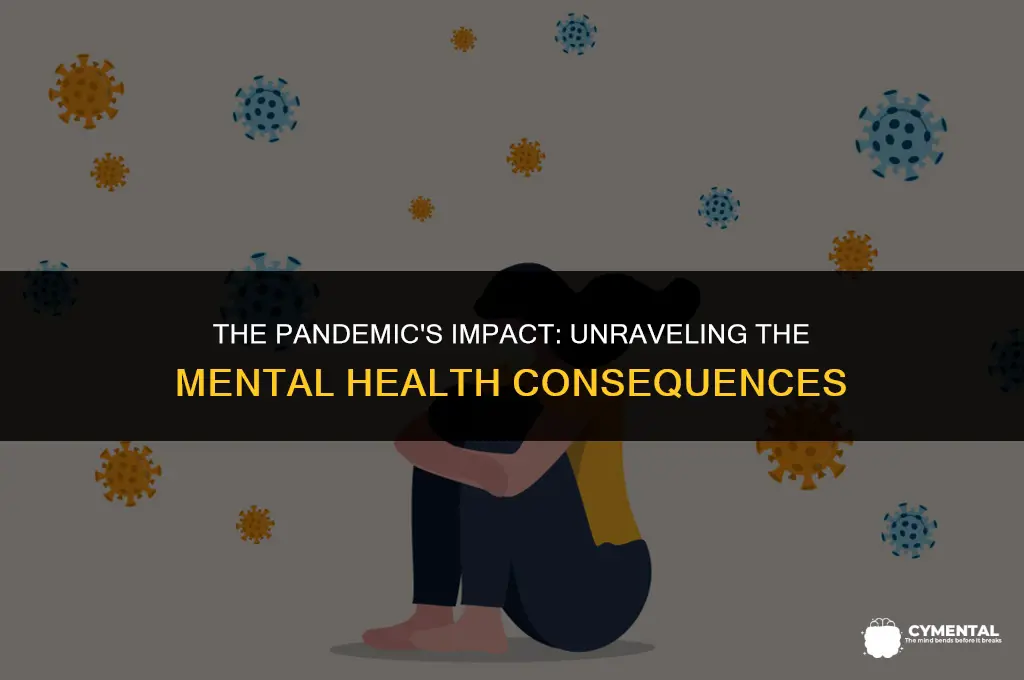
The COVID-19 pandemic has had a profound impact on mental health worldwide. The unprecedented global crisis brought about widespread fear, anxiety, and uncertainty, as people grappled with the sudden changes to their daily lives, the loss of loved ones, and the economic instability that followed. The pandemic's effects on mental health have been far-reaching, with increased rates of depression, anxiety disorders, and post-traumatic stress disorder (PTSD) reported across various populations. The social isolation and physical distancing measures implemented to curb the spread of the virus have also contributed to feelings of loneliness and disconnection, further exacerbating mental health challenges. As the world continues to navigate the aftermath of the pandemic, it is essential to prioritize mental health support and resources to help individuals cope with the lasting effects of this global crisis.
| Characteristics | Values |
|---|---|
| Increased anxiety | Many individuals experienced heightened anxiety due to uncertainty and fear of the virus. |
| Depression | The pandemic led to a rise in depressive symptoms, often linked to isolation and loss of normal routines. |
| Stress | Elevated stress levels were common, driven by factors such as job insecurity, health concerns, and caregiving responsibilities. |
| Social isolation | Lockdowns and social distancing measures contributed to feelings of loneliness and disconnection from others. |
| Sleep disturbances | Changes in daily routines and increased stress resulted in sleep problems for many people. |
| Substance use | Some individuals turned to alcohol or drugs as a coping mechanism, potentially exacerbating mental health issues. |
| Access to mental health services | The pandemic disrupted in-person mental health services, though telehealth options expanded to fill the gap. |
| Stigma | Fear and misinformation surrounding the virus contributed to stigma, affecting mental health and well-being. |
| Resilience | Despite challenges, many people demonstrated resilience, adapting to new circumstances and finding ways to cope. |
| Community support | Mutual aid and community support initiatives emerged, providing assistance and fostering a sense of connection. |
Explore related products


What You'll Learn

Increased anxiety and depression rates
The COVID-19 pandemic has led to a significant increase in anxiety and depression rates worldwide. According to a study published in The Lancet Psychiatry, the prevalence of anxiety disorders increased by 25.7% and major depressive disorder by 27.8% in 2020 compared to pre-pandemic levels. This surge in mental health issues can be attributed to various factors, including social isolation, economic uncertainty, and the constant fear of infection.
One unique angle to explore is the impact of the pandemic on different age groups. Young adults, in particular, have been disproportionately affected by increased anxiety and depression rates. A survey conducted by the Centers for Disease Control and Prevention (CDC) found that 63% of adults aged 18-24 reported experiencing anxiety or depression symptoms in June 2020, compared to 36% of adults aged 65 and older. This disparity may be due to the fact that young adults are more likely to experience social isolation and economic instability, as well as being more connected to social media, which can exacerbate feelings of anxiety and depression.
Another aspect to consider is the long-term effects of the pandemic on mental health. While the initial shock of the pandemic may have subsided, the prolonged period of stress and uncertainty has led to a sustained increase in anxiety and depression rates. A study published in the Journal of Clinical Psychology found that symptoms of anxiety and depression persisted for up to six months after the initial outbreak. This suggests that the pandemic may have a lasting impact on mental health, even after the immediate crisis has passed.
In terms of practical tips, it is important for individuals to prioritize self-care during these challenging times. This can include engaging in regular physical activity, maintaining a healthy diet, and practicing stress-reducing techniques such as meditation and deep breathing. Additionally, seeking support from mental health professionals or support groups can be beneficial for those struggling with anxiety and depression.
Overall, the pandemic has had a profound impact on mental health, with increased anxiety and depression rates affecting individuals across all age groups. By understanding the unique challenges posed by the pandemic and taking proactive steps to prioritize mental health, we can work towards mitigating its long-term effects.
The Dark Side: Religion's Negative Impact on Mental Health
You may want to see also
Explore related products


Social isolation and loneliness
The COVID-19 pandemic brought about unprecedented levels of social isolation and loneliness, significantly impacting mental health worldwide. Lockdowns, social distancing measures, and the shift to remote work and learning environments drastically reduced in-person interactions, leading to a surge in feelings of loneliness and disconnection. This was particularly challenging for individuals living alone, the elderly, and those with pre-existing mental health conditions.
Research has shown that prolonged social isolation can have severe psychological effects, including increased symptoms of depression, anxiety, and even cognitive decline. The lack of social support and human connection can exacerbate these issues, making it difficult for individuals to cope with the stresses of the pandemic. Furthermore, the uncertainty and fear surrounding the virus itself contributed to heightened levels of anxiety and paranoia, which were often compounded by the isolation.
One unique aspect of the pandemic's impact on mental health was the way it highlighted and exacerbated existing inequalities. Those who were already marginalized or socially isolated, such as low-income individuals, racial and ethnic minorities, and LGBTQ+ communities, were disproportionately affected by the pandemic's mental health consequences. The digital divide also played a significant role, as those without access to reliable internet or technology were further isolated from social support and resources.
To address these challenges, mental health professionals and organizations had to adapt quickly, offering virtual support services and resources to help individuals cope with the isolation. Teletherapy, online support groups, and mental health apps became essential tools for many, providing a lifeline during a time of crisis. However, these solutions were not without their limitations, and many individuals still struggled to access the help they needed.
As the pandemic continues to evolve, it is clear that the mental health impacts of social isolation and loneliness will be long-lasting. It is crucial that we prioritize mental health support and resources, both during and after the pandemic, to help individuals recover and build resilience. This includes investing in community-based mental health services, promoting social connection and support, and addressing the systemic inequalities that have been exacerbated by the pandemic.
Exploring Emotional States: A Guide to Describing Affect in Mental Status Exams
You may want to see also
Explore related products

$47.87 $62.99


Economic stress and job insecurity
The pandemic has had a profound impact on the global economy, leading to widespread job losses and financial instability. This economic stress has, in turn, taken a significant toll on mental health. Research has shown that financial insecurity can lead to increased levels of anxiety, depression, and other mental health issues. During the pandemic, many individuals faced reduced hours, layoffs, or the closure of their businesses, leading to a sense of uncertainty and fear about their financial future.
One of the unique challenges posed by the pandemic is the intersection of economic stress and job insecurity with mental health. The loss of a job can lead to a loss of identity and purpose, which can exacerbate feelings of depression and anxiety. Furthermore, the uncertainty about when or if a new job will be found can create a sense of hopelessness and despair. This can be particularly challenging for individuals who are already struggling with mental health issues, as the added stress of financial insecurity can worsen their symptoms.
The pandemic has also highlighted the disparities in mental health support for individuals facing economic stress and job insecurity. Many people who lost their jobs during the pandemic did not have access to mental health resources or support systems. This lack of access can lead to untreated mental health issues, which can have long-term consequences for individuals and their families.
In addition to the direct impact on mental health, economic stress and job insecurity can also lead to a range of other negative outcomes. For example, individuals who are struggling financially may be more likely to engage in unhealthy behaviors, such as substance abuse or overeating, as a way to cope with their stress. This can further exacerbate mental health issues and lead to a decline in overall well-being.
Moving forward, it is essential to address the mental health needs of individuals facing economic stress and job insecurity. This can be done through a range of strategies, including increasing access to mental health resources, providing financial support and job training programs, and promoting healthy coping mechanisms. By taking a comprehensive approach to addressing the mental health impacts of economic stress and job insecurity, we can help individuals build resilience and improve their overall well-being.
The Impact of Body Image on Mental Health: A Comprehensive Guide
You may want to see also
Explore related products


Disruption of daily routines
The COVID-19 pandemic brought about unprecedented disruptions to daily routines worldwide. Overnight, familiar structures such as commuting to work, attending school, and engaging in social activities were drastically altered or halted. This upheaval had a profound impact on mental health, as individuals struggled to adapt to the new normal. Research indicates that the loss of routine can lead to increased stress, anxiety, and feelings of uncertainty, as people are forced to navigate a constantly changing landscape without the comfort of predictability.
One of the most significant disruptions was the shift to remote work and online learning. While this transition offered some flexibility, it also blurred the boundaries between work and personal life, leading to a phenomenon known as "work-from-home burnout." Many individuals found themselves working longer hours, taking fewer breaks, and experiencing difficulty in disconnecting from their professional responsibilities. This, in turn, contributed to a decline in mental well-being, as the lack of clear boundaries and the constant availability required by remote work environments took a toll on cognitive and emotional resources.
Social distancing measures and lockdowns further exacerbated the disruption of daily routines, limiting opportunities for social interaction and physical activity. The absence of these crucial elements of daily life led to increased feelings of isolation, loneliness, and depression. Moreover, the uncertainty surrounding the duration and severity of the pandemic created a sense of prolonged stress, as individuals were forced to adapt to a state of constant vigilance and precaution.
The impact of these disruptions was not uniform across all populations. Certain groups, such as frontline healthcare workers, essential employees, and caregivers, faced unique challenges that further strained their mental health. For example, healthcare workers had to contend with the physical and emotional demands of treating COVID-19 patients, often under conditions of severe resource scarcity and personal risk. Similarly, essential employees in sectors such as retail and transportation had to navigate the challenges of maintaining safety protocols while continuing to provide critical services.
In conclusion, the disruption of daily routines during the COVID-19 pandemic had a far-reaching impact on mental health, affecting individuals across all walks of life. The loss of structure, the blurring of boundaries between work and personal life, and the limitations on social interaction and physical activity all contributed to a decline in mental well-being. As the world continues to grapple with the aftermath of the pandemic, it is essential to recognize the importance of routine and structure in maintaining mental health and to develop strategies for mitigating the negative effects of disruption.
Navigating Choices: The Impact of Stress and Mental Health on Decision-Making
You may want to see also
Explore related products

$17.87 $20.99

$8.49 $11.99


Access to mental health services
The COVID-19 pandemic significantly disrupted access to mental health services worldwide. Many individuals found themselves unable to attend in-person therapy sessions due to lockdowns and social distancing measures. This was particularly challenging for those who relied on face-to-face interactions for emotional support and treatment. Furthermore, the increased demand for mental health services, coupled with reduced availability, led to longer wait times and limited access for new patients.
Telehealth emerged as a critical solution to bridge the gap in access to mental health care. The rapid adoption of virtual therapy sessions allowed many individuals to continue receiving support from the safety of their homes. However, this shift also highlighted existing disparities in access to technology and reliable internet connections, further marginalizing vulnerable populations. Additionally, the transition to telehealth posed challenges for mental health professionals, who had to adapt their therapeutic approaches to a virtual format, often without adequate training or resources.
The pandemic also underscored the importance of community-based mental health services. With traditional support systems like family and friends becoming less accessible, community organizations and online support groups played a vital role in providing emotional support and resources. These services were particularly crucial for individuals experiencing isolation, anxiety, and depression. However, the capacity of these organizations to meet the growing demand was often limited by funding constraints and volunteer availability.
In response to these challenges, governments and mental health organizations implemented various initiatives to improve access to care. These included expanding telehealth coverage, providing financial support to mental health providers, and launching public awareness campaigns to reduce stigma and encourage help-seeking behavior. Despite these efforts, significant gaps in access to mental health services persist, particularly in low-income and rural areas.
Moving forward, it is essential to address the systemic issues that were exacerbated by the pandemic. This includes investing in infrastructure to support telehealth, increasing funding for community-based mental health services, and implementing policies to ensure equitable access to care. By doing so, we can work towards building a more resilient mental health system that is better equipped to meet the needs of individuals in times of crisis.
Understanding Affect: The Emotional Core of Mental Health
You may want to see also
Frequently asked questions
The pandemic had a profound impact on mental health worldwide, leading to increased rates of anxiety, depression, and stress. The uncertainty, social isolation, and economic instability contributed to a decline in overall mental well-being.
Common mental health challenges during the pandemic included heightened anxiety, feelings of loneliness and isolation, depression, and sleep disturbances. Many individuals also experienced increased stress due to job losses, financial strain, and health concerns.
The pandemic necessitated a shift in mental health services, with many providers moving to online or telehealth platforms to maintain social distancing. This change expanded access to mental health care for some but also highlighted disparities in access, particularly for marginalized communities.
Effective strategies in mitigating the mental health impact of the pandemic included maintaining social connections virtually, engaging in regular physical activity, practicing mindfulness and relaxation techniques, and seeking professional mental health support when needed. Community-based initiatives and government programs also played a crucial role in providing resources and support.