Noah Parker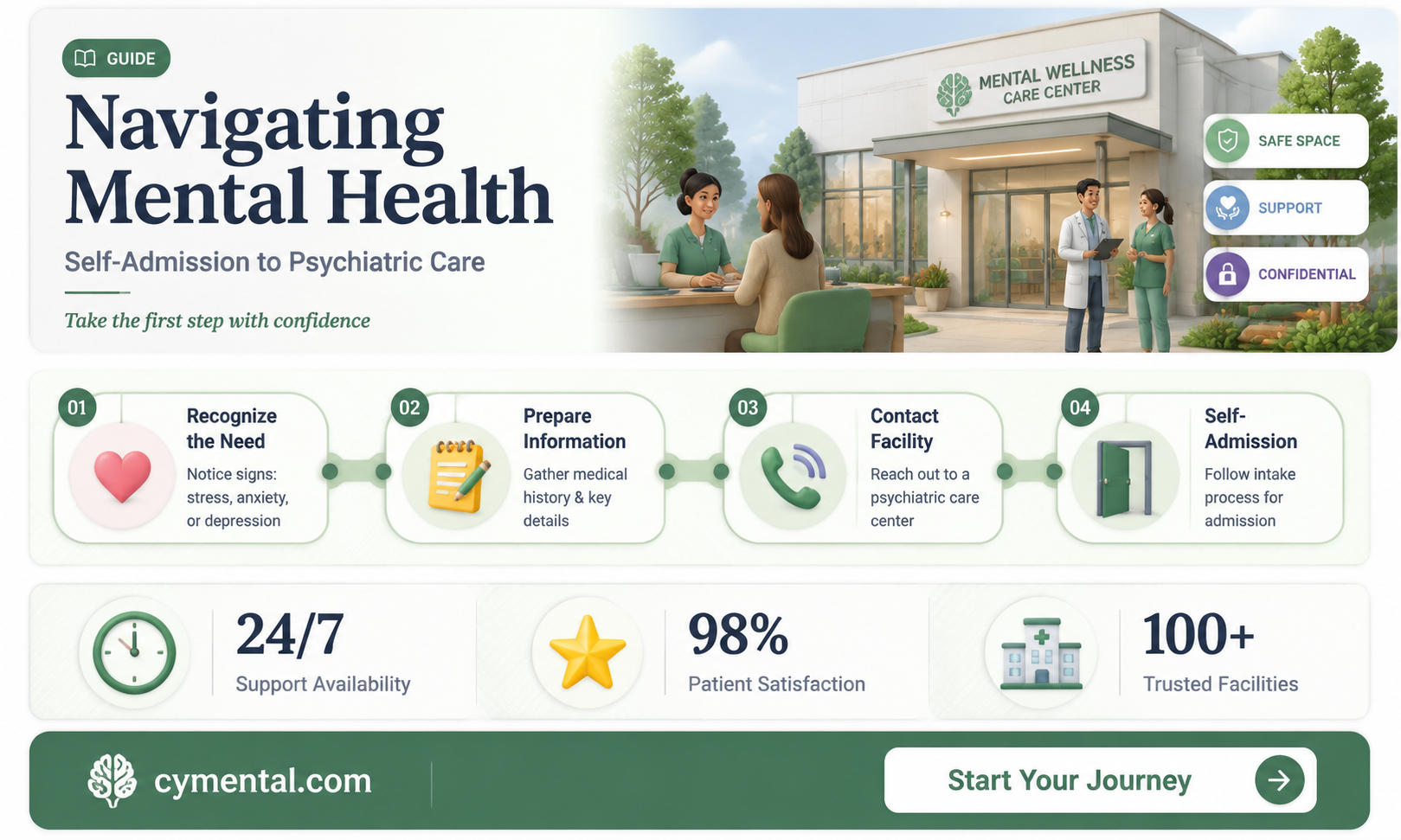
If you're considering checking yourself into a mental hospital, it's important to understand the process and what to expect. Mental hospitals, also known as psychiatric hospitals, provide intensive care and treatment for individuals experiencing severe mental health issues. The decision to seek inpatient care is a significant one, and it's essential to approach it with a clear understanding of your rights, the potential benefits, and the possible drawbacks. This guide will walk you through the key steps, from assessing your needs to navigating the admission process and preparing for your stay. Remember, seeking help is a sign of strength, and taking the time to educate yourself about your options can empower you to make the best decision for your mental health and well-being.
| Characteristics | Values |
|---|---|
| Voluntariness | Yes, you can voluntarily check yourself into a mental hospital if you are experiencing a mental health crisis and need immediate help. |
| Age Requirement | Typically, you must be at least 18 years old to check yourself into a mental hospital, as this is the age of majority in most countries. |
| Mental Health Condition | You should have a diagnosable mental health condition that requires inpatient treatment, such as severe depression, anxiety, bipolar disorder, or schizophrenia. |
| Risk Assessment | The hospital will conduct an assessment to determine if you are a risk to yourself or others, which may include suicidal thoughts or behaviors. |
| Insurance Coverage | Check with your insurance provider to see if inpatient mental health treatment is covered under your plan, as this can vary depending on the policy. |
| Duration of Stay | The length of your stay will depend on your individual needs and treatment plan, but it can range from a few days to several weeks or even months. |
| Legal Rights | You have the right to receive information about your treatment plan, medications, and any other procedures that may be performed during your stay. |
| Discharge Planning | The hospital will work with you to develop a discharge plan that includes follow-up appointments, medication management, and other support services to help you transition back to daily life. |
Explore related products

What You'll Learn
- Reasons for Self-Admission: Understanding the common motivations behind seeking inpatient mental health care
- Admission Process: A step-by-step guide on how to check oneself into a mental hospital
- What to Expect: An overview of the typical environment, routines, and treatments in a mental hospital?
- Benefits and Challenges: Exploring the potential advantages and difficulties of inpatient mental health treatment
- Alternatives to Hospitalization: Considering outpatient options and other forms of mental health support

Reasons for Self-Admission: Understanding the common motivations behind seeking inpatient mental health care
Individuals may choose to seek inpatient mental health care for a variety of deeply personal reasons. One common motivation is the need for a safe and controlled environment to manage symptoms of a mental health disorder. This could include conditions such as severe depression, anxiety, bipolar disorder, or schizophrenia, where the individual feels overwhelmed and unable to cope with daily life. Inpatient care provides a structured setting with professional support, medication management, and therapeutic interventions that can help stabilize symptoms and improve overall well-being.
Another reason for self-admission might be the desire for intensive therapy and treatment. Outpatient services may not offer the same level of comprehensive care as inpatient programs, which can provide multiple therapy sessions per day, group therapy, and other specialized treatments. This intensive approach can be particularly beneficial for individuals who have not responded well to outpatient treatment or who are experiencing a crisis that requires immediate and focused attention.
Some individuals may also seek inpatient care due to concerns about their safety or the safety of others. If someone is experiencing suicidal thoughts, homicidal ideation, or severe agitation, inpatient hospitalization can provide a secure environment where they can be closely monitored and receive the necessary support to address these critical issues. This can be a crucial step in preventing harm and ensuring that the individual receives the appropriate level of care.
Additionally, inpatient mental health care can offer a respite from stressors and triggers in the individual's everyday life. This temporary removal from their usual environment can provide an opportunity for reflection, relaxation, and rejuvenation. It can also allow the individual to develop new coping strategies and skills that they can apply when they return to their daily routine.
Lastly, self-admission to a mental health facility can be a proactive step towards taking control of one's mental health. By voluntarily seeking inpatient care, individuals are demonstrating a commitment to their own well-being and a willingness to engage in the treatment process. This can be an empowering experience that helps them regain a sense of agency and hope for the future.
Unraveling the Myth: The Truth About Pink Crayons in Mental Health Facilities
You may want to see also
Admission Process: A step-by-step guide on how to check oneself into a mental hospital
The admission process to a mental hospital can seem daunting, but understanding the steps involved can make it more manageable. Here's a step-by-step guide to help you navigate the process:
- Initial Contact: Reach out to the mental health facility of your choice. This can be done through their website, phone number, or in-person visit. During this initial contact, you will likely be asked to provide basic information about yourself and the reason for seeking admission.
- Assessment and Evaluation: The facility will conduct an assessment to determine if their services are appropriate for your needs. This may involve a phone interview, an in-person evaluation, or both. Be prepared to discuss your mental health history, current symptoms, and any previous treatments you have received.
- Insurance Verification: The admissions staff will verify your insurance coverage to ensure that your treatment is covered. If you do not have insurance, they may be able to provide information on alternative payment options or financial assistance programs.
- Admission Paperwork: Once you have been accepted for admission, you will need to complete various forms and paperwork. This may include consent forms, medical history forms, and emergency contact information.
- Orientation and Admission: Upon arrival at the facility, you will be given an orientation to familiarize yourself with the hospital's policies, procedures, and staff. You will then be admitted to the appropriate unit based on your needs.
- Treatment Planning: After admission, a treatment plan will be developed for you in collaboration with your healthcare team. This plan will outline your goals, the interventions to be used, and the expected outcomes of your treatment.
Remember, the admission process may vary slightly depending on the specific facility and your individual circumstances. It's important to ask questions and seek clarification if you are unsure about any part of the process.
Understanding Dress Codes: What to Wear in a Mental Health Facility
You may want to see also
What to Expect: An overview of the typical environment, routines, and treatments in a mental hospital
Upon entering a mental hospital, you'll likely encounter an environment designed to promote safety, stability, and healing. The typical setting includes shared rooms, communal living spaces, and secure outdoor areas. Patients usually have a structured daily routine that includes meal times, therapy sessions, medication rounds, and recreational activities. This predictable schedule helps establish a sense of normalcy and reduces anxiety.
One of the first things you'll experience is an intake assessment, where a mental health professional will evaluate your condition and develop a personalized treatment plan. This plan may include individual therapy, group therapy, family therapy, and medication management. Therapy sessions aim to address underlying issues, improve coping skills, and enhance overall well-being. Medications, if prescribed, are closely monitored to ensure efficacy and minimize side effects.
In addition to therapy and medication, mental hospitals often offer alternative treatments such as art therapy, music therapy, and mindfulness practices. These holistic approaches can complement traditional treatments and provide additional avenues for expression and healing. You may also have access to educational programs, vocational training, and social skills workshops, which can help you develop new skills and prepare for life after discharge.
It's important to note that mental hospitals vary in their approach and amenities, so your experience may differ from what's described here. However, the overarching goal of any mental health facility is to provide a supportive environment where you can focus on your recovery and regain a sense of control over your life.
Decoding the Significance of Green Scrubs in Mental Health Facilities
You may want to see also
Benefits and Challenges: Exploring the potential advantages and difficulties of inpatient mental health treatment
Inpatient mental health treatment offers a structured environment where individuals can receive intensive care and support. One of the primary benefits is the immediate access to a multidisciplinary team of professionals, including psychiatrists, psychologists, social workers, and nurses, who can provide comprehensive assessments and tailored treatment plans. This collaborative approach ensures that patients receive the most effective interventions for their specific needs.
Another advantage of inpatient treatment is the removal of external stressors and triggers that may exacerbate mental health symptoms. By being in a controlled environment, patients can focus on their recovery without the distractions and pressures of daily life. This can be particularly beneficial for individuals experiencing severe symptoms or those who lack a supportive home environment.
However, inpatient treatment also presents several challenges. One significant difficulty is the potential loss of autonomy and independence. Patients may feel restricted by the rules and regulations of the facility, which can impact their sense of control over their own lives. Additionally, the cost of inpatient treatment can be prohibitive for many individuals, especially those without adequate insurance coverage.
Another challenge is the possibility of stigma and social isolation. Some individuals may feel ashamed or embarrassed about seeking inpatient treatment, which can lead to feelings of loneliness and disconnection from friends and family. Furthermore, the transition back to outpatient care and reintegration into daily life can be complex and require careful planning and support.
Despite these challenges, inpatient mental health treatment can be a life-saving intervention for many individuals. By understanding the potential benefits and difficulties, patients and their families can make informed decisions about whether inpatient treatment is the right choice for their specific situation.
Navigating Mental Health Facilities: Phone Policies Explained
You may want to see also
Alternatives to Hospitalization: Considering outpatient options and other forms of mental health support
Outpatient therapy is a viable alternative to hospitalization for individuals seeking mental health support. This approach allows patients to receive treatment while maintaining their daily routines and responsibilities. Outpatient options can include individual therapy sessions, group therapy, and medication management. These services are typically provided by licensed mental health professionals in a clinic or office setting.
Another alternative to hospitalization is the use of telemedicine services. Telemedicine allows individuals to access mental health care remotely through video conferencing or phone calls. This can be particularly beneficial for those who live in rural areas or have limited mobility. Many mental health providers now offer telemedicine appointments, making it easier for individuals to receive care from the comfort of their own homes.
Support groups can also serve as an alternative to hospitalization. These groups provide a safe and supportive environment for individuals to share their experiences and connect with others who are facing similar challenges. Support groups can be found in-person or online and are often led by trained facilitators. They can be particularly helpful for individuals who are looking for a sense of community and understanding.
In addition to these options, there are also mobile apps and online platforms that offer mental health support. These tools can provide access to guided meditations, mood tracking, and other resources that can help individuals manage their mental health. While these tools should not replace professional care, they can be a useful supplement to traditional treatment methods.
It's important to note that while these alternatives can be effective, they may not be suitable for everyone. Individuals experiencing severe mental health crises or those who are at risk of harming themselves or others may require more intensive treatment, such as hospitalization. It's crucial for individuals to consult with a mental health professional to determine the best course of treatment for their specific needs.
Understanding Mental Health Care Options for Preteens
You may want to see also
Frequently asked questions
Yes, in many cases, you can voluntarily check yourself into a mental hospital if you are experiencing a mental health crisis or need intensive care.
The process typically involves contacting the hospital or a mental health professional, undergoing an assessment to determine the level of care needed, and then being admitted if appropriate.
It depends on the hospital and your insurance requirements. Some hospitals may require a referral, while others may allow self-admission.
The length of stay varies based on individual needs and treatment plans. It can range from a few days to several weeks or even months.
Upon admission, you will likely undergo a thorough evaluation, receive a diagnosis, and be provided with a treatment plan. This may include therapy, medication, and other supportive care.