Noah Parker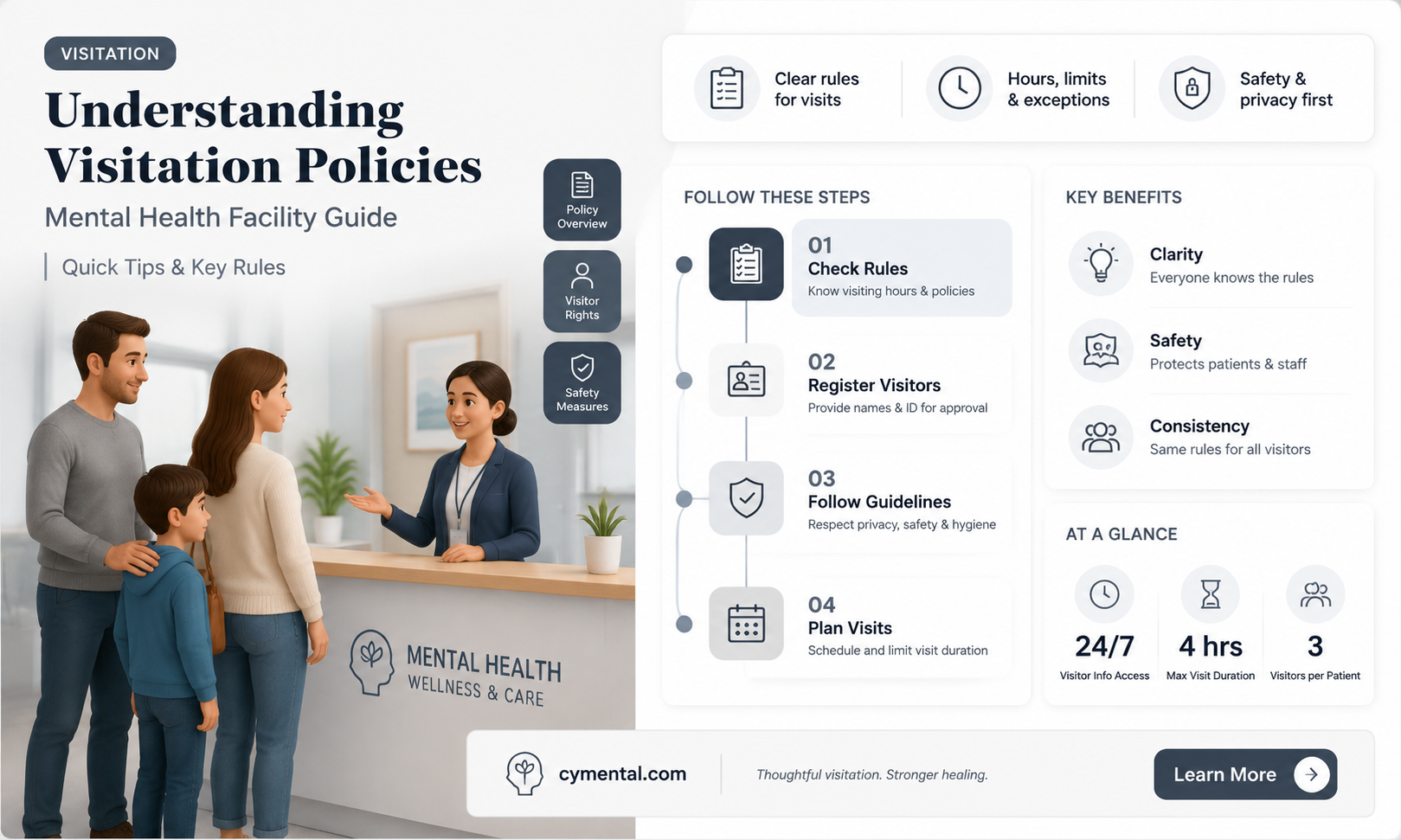
Visiting someone in a mental hospital can be a complex and emotionally challenging experience. It's important to understand the protocols and guidelines specific to the facility in question, as rules can vary widely. Generally, visitors must be approved by the patient's treatment team and may need to undergo a brief orientation or training session to ensure they understand the hospital's environment and the patient's needs. Visitation hours are often limited and strictly enforced to maintain a structured and therapeutic atmosphere for the patients. During visits, it's crucial to be respectful, supportive, and mindful of the patient's condition, avoiding any behavior or conversation that might be distressing or disruptive to their treatment.
| Characteristics | Values |
|---|---|
| Visitation Hours | Vary by facility, typically daytime |
| Visitation Duration | Usually limited, e.g., 30 minutes to 2 hours |
| Visitor Restrictions | May require prior approval, limited number of visitors |
| Contact Level | May be supervised, no physical contact in some cases |
| Items Allowed | Often restricted, no weapons, drugs, or sharp objects |
| Communication Methods | In-person, phone, video calls (varies by facility) |
| Special Requirements | May need to show ID, undergo security checks |
| Legal Rights | Patients have the right to refuse visits |
| Facility Rules | Must adhere to hospital policies and guidelines |
| Emotional Support | Visitors can offer emotional support and encouragement |
What You'll Learn
- Visiting Hours and Policies: Information on when and how often visitors can see patients
- Security Measures: Details about the security protocols and what items are prohibited
- Patient Consent: Explanation of how patient consent is obtained for visits
- Visiting Areas: Description of designated visiting areas and their amenities
- Support Services: Availability of counseling or support services for visitors

Visiting Hours and Policies: Information on when and how often visitors can see patients
Visiting hours in mental health facilities are typically structured to balance patient care with family and friend interactions. These hours are often limited and scheduled to ensure that patients have adequate time for treatment, therapy, and rest. Visitors should be aware that these policies are in place to support the patient's recovery process and that flexibility may be limited. It is crucial to respect these guidelines to maintain a supportive environment for the patient.
Policies regarding visitation frequency vary between facilities. Some may allow daily visits, while others might restrict them to specific days of the week or even limit the number of visitors at one time. These measures are designed to prevent overcrowding and to ensure that each patient receives the necessary attention from their care team. Visitors should inquire about these policies directly with the facility to avoid any misunderstandings or disappointments.
In addition to visiting hours, mental health facilities often have specific rules about what items can be brought in during visits. These rules are in place to ensure the safety and well-being of all patients and staff. Common prohibited items include sharp objects, glass containers, and certain types of food or beverages. Visitors should familiarize themselves with these rules beforehand to avoid having items confiscated or being denied entry.
It is also important for visitors to be mindful of the patient's condition and the potential impact of their visit. If a patient is in a particularly fragile state, the facility may restrict or limit visits to prevent any additional stress. In such cases, it is essential for visitors to understand and comply with these restrictions, even if they may feel inconvenient or unfair. The ultimate goal is to support the patient's recovery and well-being.
Finally, visitors should be prepared for the possibility that their loved one may not always be available or willing to see them. Mental health treatment can be a complex and challenging process, and patients may sometimes need time alone to focus on their recovery. It is important for visitors to respect these boundaries and to continue offering support and encouragement, even if they are not able to visit as frequently or for as long as they would like.
Exploring Mental Health Facilities: A Guide to Phone-Friendly Hospitals
You may want to see also
Security Measures: Details about the security protocols and what items are prohibited
Mental health facilities prioritize the safety and well-being of both patients and visitors. As such, they often implement stringent security protocols to prevent unauthorized access, ensure a controlled environment, and minimize potential risks. These measures typically include background checks for visitors, restricted visiting hours, and the prohibition of certain items that could pose a threat to the safety of the facility's occupants.
Upon arrival, visitors may be required to undergo a security screening process, which could involve passing through metal detectors, having their belongings scanned, or being patted down by security personnel. This is done to prevent the introduction of weapons, drugs, or other contraband into the facility. Additionally, visitors may be asked to present identification and sign in upon entry, allowing the facility to keep track of who is on the premises at any given time.
In terms of prohibited items, mental health facilities generally have a zero-tolerance policy for weapons of any kind, including firearms, knives, and other sharp objects. They also typically ban the possession of illegal drugs, alcohol, and tobacco products within the facility. Other items that may be prohibited include glass containers, which could be used as weapons, and personal electronic devices, which could be used to record or disrupt the facility's operations.
Visitors should also be aware that certain behaviors may be restricted within the facility. For example, they may be prohibited from taking photographs or videos, using their phones, or engaging in any behavior that could be deemed disruptive or inappropriate. It is important for visitors to familiarize themselves with the facility's specific rules and regulations before their visit to ensure a smooth and safe experience for all involved.
In conclusion, mental health facilities take security very seriously, and visitors must adhere to strict protocols and guidelines to ensure the safety and well-being of everyone on the premises. By understanding and complying with these measures, visitors can help create a secure and supportive environment for their loved ones who are receiving treatment.
Exploring the Rules: Phone Usage in Mental Health Facilities
You may want to see also
Patient Consent: Explanation of how patient consent is obtained for visits
In the context of visiting someone in a mental hospital, obtaining patient consent is a crucial step that ensures the patient's autonomy and privacy are respected. This process typically involves the healthcare provider explaining the purpose and nature of the visit to the patient, including who will be present and what will be discussed. The patient must then give their informed consent, either verbally or in writing, depending on the hospital's policies and the patient's capacity to make decisions.
The explanation provided to the patient should be clear and concise, avoiding any technical jargon that might be confusing. It's important that the patient understands the implications of the visit, including any potential risks or benefits. If the patient is unable to make an informed decision due to their mental state, a legal guardian or next of kin may need to be consulted to provide consent on their behalf.
In some cases, patients may have specific preferences or conditions for visitors, such as limiting the number of people who can visit at one time or requiring visitors to be supervised by hospital staff. These preferences should be respected and communicated to visitors before they arrive.
Once consent has been obtained, it's essential that visitors adhere to the hospital's rules and guidelines to ensure a safe and therapeutic environment for the patient. This may include restrictions on the use of electronic devices, the consumption of food and drink, or the introduction of personal items into the hospital.
In summary, obtaining patient consent for visits to a mental hospital is a critical process that respects the patient's rights and ensures their well-being. By following the hospital's procedures and guidelines, visitors can contribute to a positive and supportive experience for the patient.
Decoding the Significance of Green Scrubs in Mental Health Facilities
You may want to see also
Visiting Areas: Description of designated visiting areas and their amenities
Visiting areas in mental hospitals are specifically designed to facilitate safe and therapeutic interactions between patients and visitors. These areas are typically equipped with amenities that promote a comfortable and calming environment. Common features include seating arrangements that allow for both privacy and supervision, such as couches or chairs arranged in semi-private alcoves. The decor is often neutral and soothing, with soft lighting and muted colors to minimize sensory overload.
In addition to the physical layout, visiting areas may also be equipped with communication tools such as telephones or video conferencing equipment, allowing patients to stay connected with loved ones who cannot visit in person. Some facilities may also provide recreational amenities like games, books, or art supplies to encourage engaging and therapeutic activities during visits.
It is important to note that the specific amenities and layout of visiting areas can vary greatly depending on the facility and the level of care provided. For example, visiting areas in high-security units may have more restrictive features, such as glass partitions or limited seating, to ensure the safety of both patients and visitors.
When visiting someone in a mental hospital, it is crucial to be aware of the rules and regulations governing the visiting area. This may include restrictions on the number of visitors allowed at one time, the duration of visits, and the types of items that can be brought into the area. Visitors should also be mindful of the patient's needs and preferences, and should respect their boundaries and comfort levels during the visit.
Overall, visiting areas in mental hospitals play a vital role in supporting the recovery and well-being of patients by providing a safe and nurturing space for social interaction and emotional support. By understanding the purpose and features of these areas, visitors can better navigate the experience and contribute positively to the patient's care and recovery.
Exploring Self-Admission to Mental Health Facilities: A Guide
You may want to see also
Support Services: Availability of counseling or support services for visitors
Visitors to mental health facilities often require support services themselves, given the emotional and psychological toll of witnessing a loved one in treatment. Many institutions recognize this need and provide counseling or support services specifically for visitors. These services can include individual therapy sessions, group support meetings, and educational workshops aimed at helping visitors understand the mental health challenges their loved ones are facing.
The availability of such services can vary widely depending on the facility. Some mental hospitals may have dedicated visitor support programs with trained professionals on staff, while others might offer more limited resources or referrals to external support organizations. It is advisable for visitors to inquire about available support services when arranging their visit, as this can help them prepare emotionally and logistically.
In addition to counseling, support services may also encompass practical assistance such as help with navigating the hospital system, understanding patient rights, and accessing community resources. These services can be invaluable in empowering visitors to effectively support their loved ones while also taking care of their own well-being.
When visiting a mental health facility, it is important for visitors to be aware of their own emotional limits and to seek support if needed. The experience can be challenging, but with the right resources and support, visitors can play a crucial role in their loved one's recovery journey.
Understanding Mental Health Care Options for Preteens
You may want to see also
Frequently asked questions
Yes, you can visit someone in a mental hospital, but there may be certain restrictions and guidelines you need to follow.
Restrictions may include limited visiting hours, requirements for identification, and adherence to specific rules regarding personal belongings and behavior within the facility.
You can contact the mental hospital directly to inquire about their visiting hours and any other specific guidelines for visitors.
It's important to bring identification, such as a driver's license or passport, and to be aware of any prohibited items, such as weapons or substances that could be harmful to the patient or others.
During a visit to a mental hospital, you may be greeted by staff, asked to sign in, and directed to the patient's unit. The visit may take place in a designated visiting area, and you may be subject to supervision by hospital staff.