Noah Parker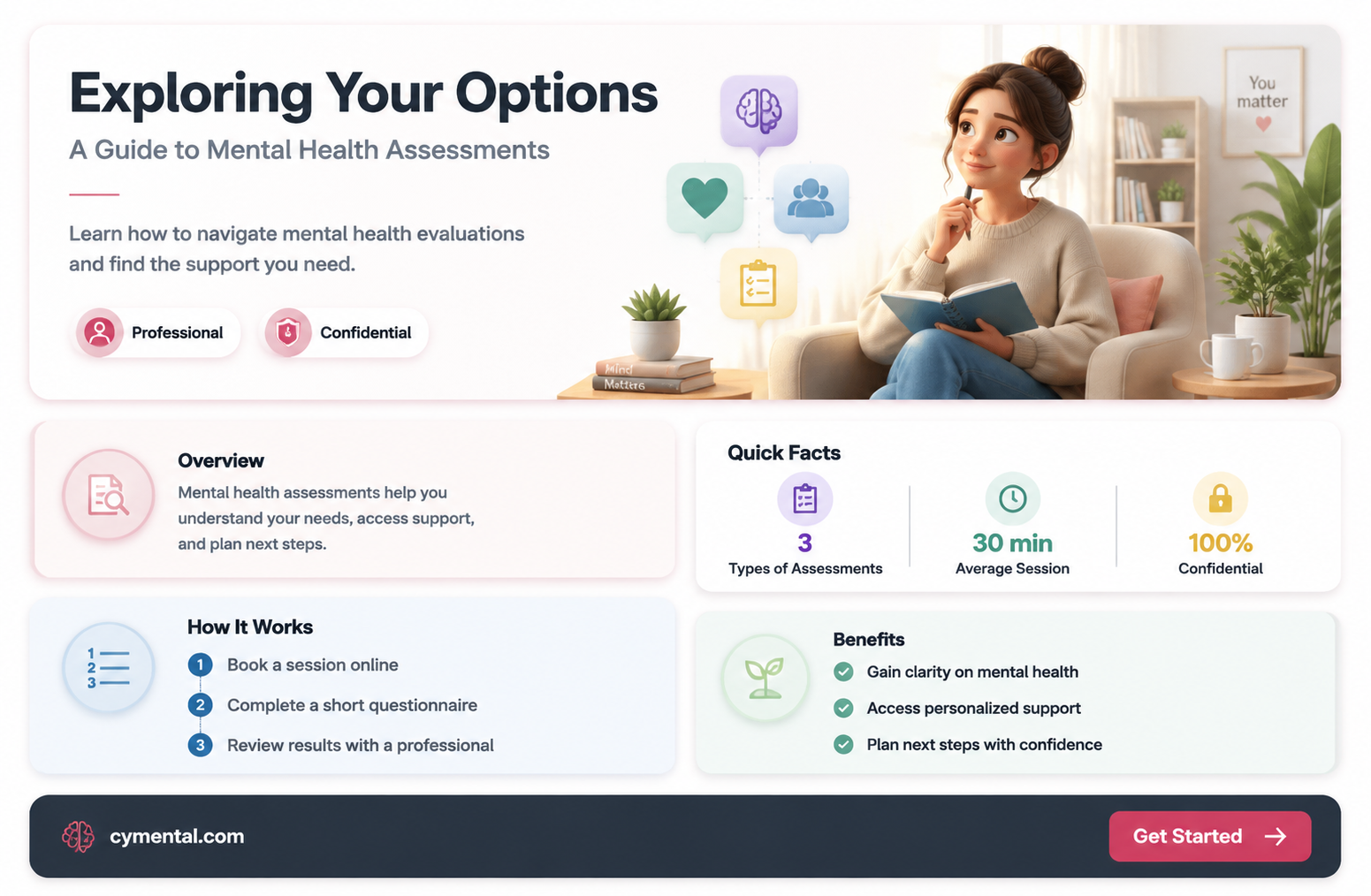
If you're considering a mental health assessment, it's a proactive step towards understanding and managing your emotional well-being. Mental health assessments are typically conducted by qualified professionals such as psychologists, psychiatrists, or licensed therapists. They involve a series of questions and evaluations designed to gauge your mood, behavior, and cognitive functioning. These assessments can help identify potential mental health conditions, such as depression, anxiety, or ADHD, and provide a foundation for developing an effective treatment plan. It's important to approach this process with an open mind and a willingness to discuss your thoughts and feelings honestly. Remember, seeking help is a sign of strength, and taking care of your mental health is crucial for your overall well-being.
Explore related products


What You'll Learn
- Types of Assessments: Understand the different kinds of mental health assessments available
- Who Can Assess: Learn about professionals qualified to conduct mental health assessments?
- Assessment Process: Discover what to expect during a mental health assessment
- Cost and Insurance: Explore the financial aspects and insurance coverage for assessments
- Online vs. In-Person: Evaluate the benefits and drawbacks of online versus in-person assessments

Types of Assessments: Understand the different kinds of mental health assessments available
Mental health assessments are varied and tailored to meet specific needs. One common type is the clinical interview, where a mental health professional engages in a structured conversation with the patient to gather information about their symptoms, history, and current circumstances. This method allows for a comprehensive understanding of the patient's mental state and can help in diagnosing conditions such as depression, anxiety, or bipolar disorder.
Another type of assessment is the psychological test, which can include written questionnaires, rating scales, or projective tests like the Rorschach inkblot test. These tools are designed to measure specific aspects of mental functioning, such as cognitive abilities, personality traits, or emotional states. Psychological tests can be administered individually or in a group setting and are often used in conjunction with clinical interviews to provide a more complete picture of the patient's mental health.
Neuropsychological assessments are specialized evaluations that focus on the relationship between the brain and behavior. These assessments may include tasks that measure attention, memory, language, and problem-solving skills, as well as more complex functions like executive abilities and social cognition. Neuropsychological assessments are particularly useful in diagnosing conditions that affect brain function, such as traumatic brain injury, dementia, or attention deficit hyperactivity disorder (ADHD).
In addition to these traditional methods, there are also newer, technology-based assessments that utilize digital platforms and artificial intelligence. These may include online screening tools, mobile apps that track mood and behavior, or virtual reality environments that simulate real-world scenarios to assess emotional responses. Technology-based assessments offer the advantage of being more accessible and convenient, allowing patients to participate in their own care and providing real-time data to mental health professionals.
It's important to note that no single assessment method is definitive, and mental health professionals often use a combination of approaches to arrive at a diagnosis. The choice of assessment will depend on factors such as the patient's age, symptoms, and the specific question being asked. By understanding the different types of mental health assessments available, patients can better navigate the process and work collaboratively with their healthcare providers to achieve the best possible outcomes.
Exploring the Intersection of Mental Health and Internet Culture
You may want to see also
Explore related products


Who Can Assess: Learn about professionals qualified to conduct mental health assessments
Psychiatrists are medical doctors who specialize in the diagnosis, treatment, and prevention of mental health and emotional disorders. They are qualified to conduct comprehensive mental health assessments, prescribe medications, and provide psychotherapy. Psychiatrists often work in hospitals, clinics, and private practices, and they may also be involved in research and teaching.
Psychologists are professionals who study the mind and behavior. They are trained to assess and treat mental health conditions using various therapeutic techniques. Psychologists typically hold a doctoral degree in psychology and are licensed to practice in their state or country. They may work in private practice, schools, hospitals, or research settings.
Licensed Clinical Social Workers (LCSWs) are trained to provide mental health services, including assessments, counseling, and therapy. They often work with individuals, families, and groups to address a range of mental health issues. LCSWs may work in schools, hospitals, clinics, or private practices.
Licensed Professional Counselors (LPCs) are mental health professionals who provide counseling and therapy services. They are trained to assess and treat a variety of mental health conditions and may work with individuals, couples, families, and groups. LPCs often work in private practice, schools, or community mental health centers.
Psychiatric Nurse Practitioners (PNPs) are advanced practice registered nurses who specialize in mental health care. They are qualified to conduct mental health assessments, diagnose mental health conditions, and prescribe medications. PNPs may work in hospitals, clinics, or private practices.
It's important to note that the specific qualifications and roles of mental health professionals can vary by country and state. When seeking a mental health assessment, it's crucial to choose a professional who is licensed and experienced in providing the type of care you need.
Empowering Education: Degrees for Mentally Handicapped Individuals
You may want to see also
Explore related products


Assessment Process: Discover what to expect during a mental health assessment
During a mental health assessment, you can expect a thorough evaluation process that typically involves several key steps. Initially, you will likely fill out some paperwork to provide background information about your symptoms, medical history, and any previous mental health treatments. This helps the mental health professional get a comprehensive understanding of your situation before the assessment begins.
The assessment itself may include a combination of interviews, questionnaires, and psychological tests. The interviews will allow the professional to ask you detailed questions about your symptoms, how they impact your daily life, and any other relevant information. Questionnaires might be used to gather more specific data about your mental health, such as the severity of your symptoms or your coping mechanisms. Psychological tests could be administered to assess your cognitive functioning, emotional state, or personality traits.
It's important to be as honest and open as possible during the assessment process. This will help ensure that the mental health professional can make an accurate diagnosis and develop an effective treatment plan tailored to your needs. Remember that the information you share is confidential and will only be used to help you.
After the assessment is complete, the mental health professional will review the results with you and discuss their findings. They will explain any diagnoses they have made and recommend appropriate treatment options. This might include therapy, medication, lifestyle changes, or a combination of these approaches. They will also answer any questions you have and provide guidance on what to expect moving forward.
In some cases, the assessment process might involve multiple sessions or appointments. This allows the mental health professional to gather more information and ensure that they have a complete picture of your mental health. It's important to attend all scheduled appointments and to be patient with the process, as it can take time to reach a conclusive diagnosis and treatment plan.
Overall, the mental health assessment process is designed to help you get the support and care you need. By being open and honest, and by actively participating in the process, you can take an important step towards improving your mental health and well-being.
Exploring Mental Health Court Access for Juveniles: A Comprehensive Guide
You may want to see also
Explore related products


Cost and Insurance: Explore the financial aspects and insurance coverage for assessments
The cost of a mental health assessment can vary widely depending on several factors, including the type of assessment, the provider's qualifications, and the location. On average, a comprehensive mental health evaluation can range from $100 to $300 or more. Some assessments, such as those conducted by psychiatrists or psychologists, may be more expensive due to their specialized training and expertise. It's essential to check with your healthcare provider or insurance company to understand the specific costs associated with the assessment you need.
Insurance coverage for mental health assessments also varies depending on your insurance plan. Many health insurance plans cover mental health services, including assessments, but the extent of coverage and any out-of-pocket costs will depend on your specific policy. Some plans may require a referral from your primary care physician, while others may allow you to seek services directly from a mental health professional. It's crucial to review your insurance plan's details or contact your insurance provider to determine the coverage and any potential limitations or exclusions.
If you're uninsured or underinsured, there are still options available for obtaining a mental health assessment. Some providers offer sliding scale fees based on income, while others may provide free or low-cost services. Community mental health centers and non-profit organizations often offer affordable assessment services. Additionally, some universities and training institutions may provide assessments at reduced costs as part of their training programs.
When considering the cost and insurance coverage for a mental health assessment, it's important to weigh the potential benefits against the financial investment. A comprehensive assessment can provide valuable insights into your mental health and help guide treatment decisions, which can lead to improved outcomes and quality of life. While the upfront cost may seem daunting, the long-term benefits of addressing mental health concerns can far outweigh the initial expense.
In conclusion, understanding the cost and insurance coverage for mental health assessments is a crucial step in accessing the care you need. By researching your options, reviewing your insurance plan, and exploring affordable alternatives, you can make informed decisions about your mental health care without being deterred by financial concerns.
Unlocking Mental Focus: A Guide for the First Descendant
You may want to see also
Explore related products


Online vs. In-Person: Evaluate the benefits and drawbacks of online versus in-person assessments
Online assessments offer the advantage of convenience and accessibility. Individuals can complete assessments at their own pace, in the comfort of their own homes, without the need for travel or scheduling appointments. This can be particularly beneficial for those with mobility issues, busy schedules, or living in remote areas. Additionally, online assessments often provide immediate results, allowing for quick feedback and potential follow-up actions.
However, online assessments may lack the personal touch and nuanced understanding that in-person evaluations can provide. Mental health professionals can observe nonverbal cues, tone of voice, and other subtle indicators that may not be apparent in an online format. In-person assessments also allow for a more thorough exploration of an individual's concerns, as well as the opportunity to ask follow-up questions and clarify any misunderstandings.
One potential drawback of online assessments is the risk of misdiagnosis or incomplete evaluation. Without the ability to observe and interact with the individual in person, mental health professionals may miss important details or misinterpret responses. This can lead to inaccurate diagnoses or treatment plans that may not be effective.
On the other hand, in-person assessments can be more time-consuming and costly. Individuals may need to take time off work or school, arrange for childcare, or pay for transportation to attend appointments. Additionally, in-person assessments may involve longer wait times for appointments and results.
Ultimately, the choice between online and in-person assessments depends on individual preferences, needs, and circumstances. Some individuals may prefer the convenience and accessibility of online assessments, while others may value the personal touch and thoroughness of in-person evaluations. It is important to weigh the benefits and drawbacks of each option and choose the approach that is most suitable for one's specific situation.
Dive into Sanity: Wayne's World GIFs for Mental Health Wins
You may want to see also
Frequently asked questions
Yes, you can get a mental health assessment even if you're not experiencing severe symptoms. Many people seek assessments to better understand their mental health, manage stress, or address mild concerns before they escalate.
To get a mental health assessment, you can start by consulting your primary care physician, who may refer you to a mental health professional. Alternatively, you can directly contact a psychologist, psychiatrist, or counselor in your area. Online platforms and telehealth services also offer mental health assessments.
During a mental health assessment, a professional will typically ask you about your symptoms, medical history, and personal experiences. They may use standardized questionnaires or interviews to evaluate your mental health. The assessment may also involve discussing your goals and developing a treatment plan if needed.
Yes, a mental health assessment is confidential. The information you share with your mental health professional is protected by privacy laws and ethical guidelines. However, there may be exceptions in cases where there is a risk of harm to yourself or others, or if required by law.


![Psychological Testing And Assessment, 9Th Edition [Paperback] Cohen](https://m.media-amazon.com/images/I/71GGeJ6cafL._AC_UL320_.jpg)