Madison Cole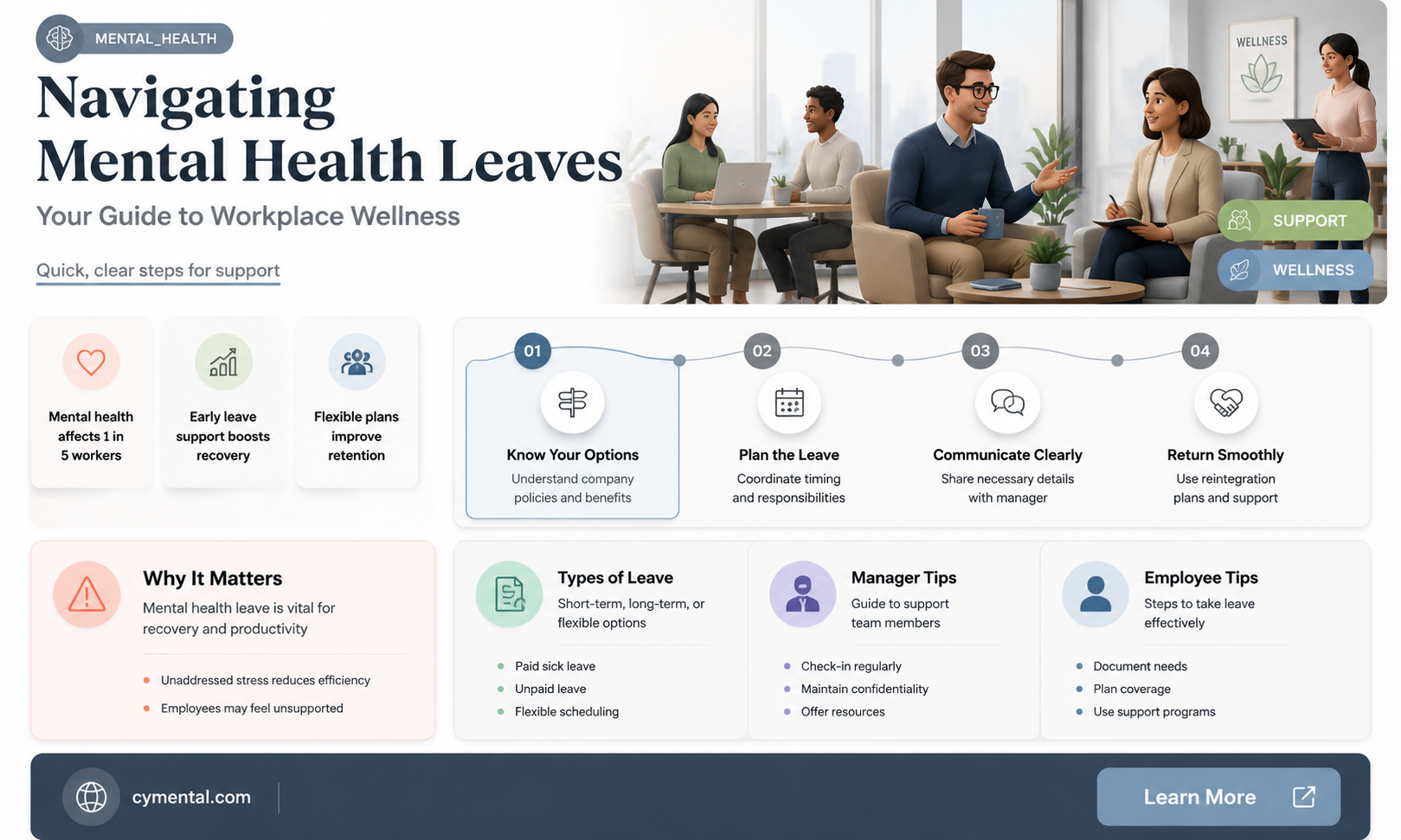
Mental health leave from work is a crucial aspect of maintaining overall well-being and productivity in the workplace. It refers to time taken off work to address mental health concerns, which can range from stress and anxiety to more severe conditions like depression or burnout. The importance of mental health leave lies in its ability to provide employees with the necessary time and space to seek professional help, recover, and return to work with improved mental resilience. Understanding the process of obtaining mental health leave, including eligibility criteria and required documentation, is essential for both employees and employers to ensure a supportive and healthy work environment.
Explore related products


What You'll Learn
- Eligibility Criteria: Understand the conditions that qualify you for mental health leave under workplace policies or laws
- Documentation Required: Learn about the necessary medical documentation or evidence needed to support your leave request
- Company Policies: Review your employer's specific policies regarding mental health leave, including any limitations or requirements
- Legal Protections: Explore the legal rights and protections available to employees seeking mental health leave, such as FMLA or ADA
- Return to Work: Plan for your return to work, including any necessary accommodations or gradual transition strategies

Eligibility Criteria: Understand the conditions that qualify you for mental health leave under workplace policies or laws
To qualify for mental health leave under workplace policies or laws, you must meet specific eligibility criteria. These criteria vary depending on your location, employer, and the applicable laws. Generally, you must be experiencing a mental health condition that significantly impacts your ability to perform your job duties. This could include conditions such as depression, anxiety, bipolar disorder, or post-traumatic stress disorder (PTSD).
In many jurisdictions, you must have a diagnosis from a qualified mental health professional to be eligible for mental health leave. This diagnosis should include an assessment of your ability to work and a recommendation for the necessary leave. Some employers may require additional documentation, such as a detailed treatment plan or regular updates on your condition.
Under certain laws, such as the Family and Medical Leave Act (FMLA) in the United States, you may be eligible for up to 12 weeks of unpaid leave in a 12-month period. To qualify, you must have worked for your employer for at least 12 months and have completed at least 1,250 hours of service during the 12 months prior to the start of your leave.
It's important to note that not all employers are required to provide mental health leave, and some may have more stringent eligibility criteria. For example, some employers may require that you exhaust all available vacation and sick leave before taking mental health leave. Others may have specific procedures that you must follow to request and obtain leave.
To understand your eligibility for mental health leave, it's essential to review your employer's policies and the applicable laws in your jurisdiction. You may also want to consult with a mental health professional to discuss your condition and the potential impact on your work. Remember, taking care of your mental health is crucial, and understanding your rights and options can help you make informed decisions about your leave.
Overcoming Mental ED: Strategies for a Healthier Mindset
You may want to see also
Explore related products


Documentation Required: Learn about the necessary medical documentation or evidence needed to support your leave request
To successfully request a mental health leave from work, you must provide sufficient medical documentation to support your claim. This typically involves obtaining a doctor's note or a letter from a mental health professional that outlines your condition, its impact on your ability to work, and the recommended duration of your leave. The documentation should be detailed and specific, addressing how your mental health condition affects your job performance and why a leave of absence is necessary for your recovery.
In addition to the doctor's note, you may need to provide other forms of evidence, such as a list of your symptoms, any medications you are taking, and records of any therapy or counseling sessions you have attended. This information helps to paint a comprehensive picture of your mental health status and the reasons behind your leave request.
It's important to note that the requirements for medical documentation may vary depending on your employer's policies and the laws in your jurisdiction. Some employers may have specific forms that need to be filled out by your healthcare provider, while others may accept a more general letter. Familiarize yourself with your employer's requirements and ensure that your documentation meets these standards to avoid any delays or complications in the leave approval process.
When preparing your documentation, be thorough and organized. Keep copies of all relevant documents for your own records, and ensure that you submit them to your employer in a timely manner. If you are unsure about what documentation is required or how to obtain it, don't hesitate to reach out to your employer's human resources department for guidance.
Remember, the goal of your documentation is to provide clear and compelling evidence that supports your need for a mental health leave. By taking the time to gather and submit the necessary paperwork, you can help ensure that your request is taken seriously and that you receive the time off you need to focus on your mental health and well-being.
Seeking Support: A Guide to Accessing Mental Health Help
You may want to see also
Explore related products


Company Policies: Review your employer's specific policies regarding mental health leave, including any limitations or requirements
To effectively navigate the process of obtaining a mental health leave from work, it is crucial to have a comprehensive understanding of your employer's specific policies. These policies can vary widely from one company to another, and being aware of the details can significantly impact your ability to secure the leave you need. Start by locating your company's employee handbook or policy manual, which should outline the procedures and criteria for requesting mental health leave.
Once you have accessed the relevant documents, carefully review the sections pertaining to mental health leave. Pay close attention to any limitations or requirements that may be imposed, such as the maximum duration of leave, the necessity for a doctor's note or medical certification, and any stipulations regarding the use of accrued vacation or sick time. It is also important to note whether your employer requires you to exhaust other options, such as telecommuting or flexible work arrangements, before approving mental health leave.
In addition to understanding the formal policies, it can be helpful to gain insight into your employer's culture and attitudes towards mental health. This may involve speaking with colleagues who have previously taken mental health leave, or observing how the company has handled similar situations in the past. By doing so, you can better anticipate how your request may be received and prepare accordingly.
When preparing to request mental health leave, it is essential to be proactive and organized. Gather all necessary documentation, such as medical notes or letters from mental health professionals, and ensure that you have a clear understanding of your rights under applicable laws, such as the Family and Medical Leave Act (FMLA) or the Americans with Disabilities Act (ADA). By being well-informed and prepared, you can increase the likelihood of a successful request and minimize potential complications or delays.
Ultimately, the key to securing mental health leave from work is to be knowledgeable about your employer's policies, prepared with the necessary documentation, and proactive in your approach. By taking these steps, you can advocate for your mental health needs while also maintaining a positive and productive relationship with your employer.
Understanding Marriage Rights for Individuals with Intellectual Disabilities
You may want to see also
Explore related products


Legal Protections: Explore the legal rights and protections available to employees seeking mental health leave, such as FMLA or ADA
Employees seeking mental health leave are protected under various federal and state laws, ensuring they can take necessary time off without fear of losing their job or facing discrimination. The Family and Medical Leave Act (FMLA) is a key piece of legislation that provides eligible employees with up to 12 weeks of unpaid leave per year for serious health conditions, including mental health issues. To qualify for FMLA, employees must work for a covered employer, have at least 1,250 hours of service during the 12 months prior to the start of leave, and have a serious health condition that makes them unable to perform their job duties.
In addition to FMLA, the Americans with Disabilities Act (ADA) offers protections for employees with mental health conditions. The ADA prohibits employers from discriminating against individuals with disabilities, including mental health disorders, in the workplace. This means that employers cannot deny promotions, terminate employment, or take other adverse actions against employees solely because of their mental health condition. Furthermore, the ADA requires employers to provide reasonable accommodations to employees with disabilities, which may include mental health leave or modified work schedules.
State laws also play a crucial role in protecting employees seeking mental health leave. Many states have their own family and medical leave laws, which may provide additional protections beyond those offered by federal legislation. For example, some states offer paid family and medical leave, while others extend the duration of leave available to employees. It is essential for employees to be aware of both federal and state laws to fully understand their rights and protections when seeking mental health leave.
Navigating the legal landscape surrounding mental health leave can be complex, and employees may face challenges in asserting their rights. Employers may require documentation from a healthcare provider to verify the need for leave, and there may be specific procedures to follow when requesting leave. Employees should familiarize themselves with their employer's policies and procedures regarding mental health leave and seek guidance from human resources or legal professionals if needed.
In conclusion, legal protections such as FMLA and ADA provide a framework for employees seeking mental health leave, ensuring they can take necessary time off without facing discrimination or job loss. By understanding these laws and their rights under them, employees can better navigate the process of requesting mental health leave and focus on their well-being.
Cultivating Mental Resilience: A Guide to a Stronger Mindset
You may want to see also
Explore related products


Return to Work: Plan for your return to work, including any necessary accommodations or gradual transition strategies
As you prepare to return to work after a mental health leave, it's essential to develop a comprehensive plan that addresses your unique needs and ensures a smooth transition. This may involve collaborating with your employer to identify necessary accommodations, such as flexible work hours, remote work options, or modified job responsibilities. Additionally, consider implementing a gradual return-to-work strategy, where you ease back into your role over a period of time, allowing yourself to adjust and build up your workload incrementally.
When planning your return, it's crucial to prioritize self-care and maintain the coping strategies that have been effective during your leave. This might include continuing therapy sessions, practicing mindfulness and relaxation techniques, and engaging in regular physical activity. Be mindful of your boundaries and communicate openly with your employer and colleagues about your needs and limitations. Remember that your mental health should remain a priority, even as you resume your professional responsibilities.
In some cases, it may be beneficial to seek support from a vocational rehabilitation specialist or a mental health professional who can help you develop a personalized return-to-work plan. This plan can outline specific goals, strategies, and accommodations that will facilitate a successful transition back to the workplace. By taking a proactive and individualized approach to your return, you can minimize stress and anxiety, and increase your chances of long-term success and well-being.
Can Inmates in California Request Mental Health Evaluations?
You may want to see also
Frequently asked questions
Yes, you can get a mental health leave from work. Many countries have laws that protect employees' rights to take time off for mental health reasons.
Eligibility criteria for mental health leave vary depending on the country and employer. Generally, you need to have a diagnosed mental health condition and provide medical documentation to support your request.
The duration of mental health leave depends on your specific situation and the laws in your country. It can range from a few days to several weeks or even months.
Whether you will be paid during your mental health leave depends on your employer's policies and the laws in your country. Some employers offer paid leave, while others may require you to use vacation or sick days.
To request a mental health leave, you should first consult with a healthcare professional to get a diagnosis and medical documentation. Then, you can approach your employer or HR department to discuss your situation and request the necessary time off.