Harper Lewis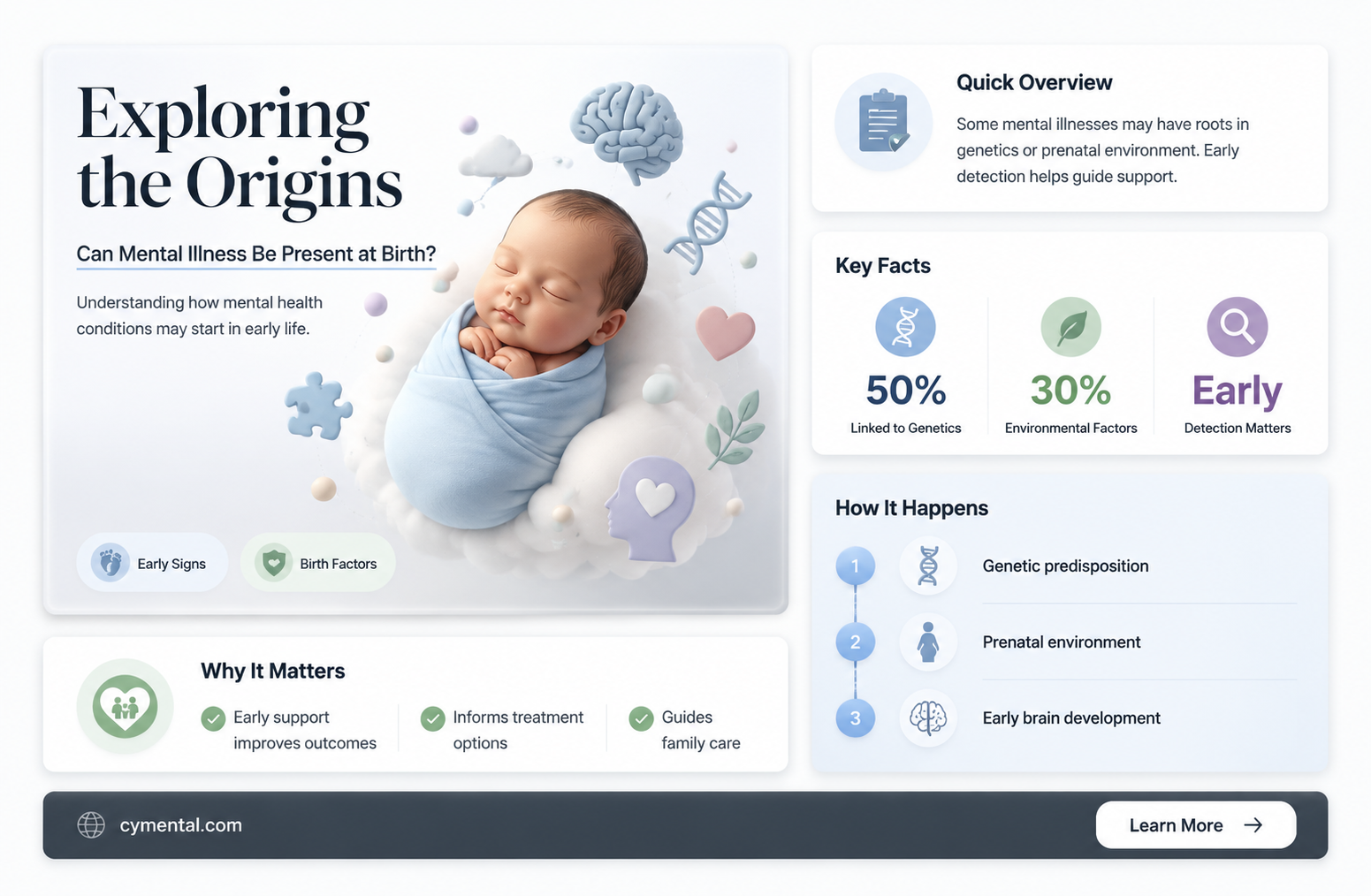
The question of whether someone can be born with a mental illness is a complex and multifaceted one, involving both genetic and environmental factors. Research suggests that many mental health conditions have a genetic component, which means that individuals may be predisposed to certain disorders from birth. However, it's important to note that having a genetic predisposition does not guarantee the development of a mental illness. Environmental factors, such as life experiences, social support, and access to resources, also play a significant role in shaping an individual's mental health. In some cases, mental health conditions may emerge later in life due to a combination of genetic vulnerability and environmental stressors. Understanding the interplay between these factors is crucial for developing effective prevention and treatment strategies.
Explore related products

What You'll Learn
- Genetic predisposition: Research suggests certain mental illnesses may have genetic links
- Environmental factors: Prenatal exposure to toxins or maternal stress may contribute
- Brain development: Abnormalities during fetal development could play a role
- Early life experiences: Trauma or neglect in childhood may increase risk
- Neurotransmitter imbalance: Chemical imbalances in the brain may be a factor

Genetic predisposition: Research suggests certain mental illnesses may have genetic links
Recent studies have uncovered compelling evidence that certain mental illnesses may have a genetic basis. This means that, much like eye color or height, mental health conditions could be inherited from one's parents. For instance, research has shown that conditions such as schizophrenia, bipolar disorder, and major depressive disorder may have genetic links. This finding has significant implications for understanding the origins of mental illness and could potentially lead to earlier diagnosis and more targeted treatments.
One of the key studies in this area looked at the genetic makeup of over 60,000 individuals and found that those with a family history of mental illness were more likely to have certain genetic variations. These variations were associated with an increased risk of developing mental health conditions. Another study found that identical twins, who share the same genetic material, were more likely to both develop a mental illness compared to fraternal twins, who share only about 50% of their genes. This suggests that genetics play a significant role in the development of mental illness.
However, it's important to note that having a genetic predisposition to a mental illness does not guarantee that one will develop the condition. Environmental factors, such as stress, trauma, and lifestyle choices, can also play a significant role in the onset of mental health issues. Furthermore, the genetic links to mental illness are complex and not fully understood. Researchers are continuing to study the genome to identify specific genes and genetic pathways that contribute to mental health conditions.
The discovery of genetic links to mental illness has also raised important ethical questions. For example, should genetic testing be used to identify individuals at risk of developing mental health conditions? How should this information be used in terms of prevention and treatment? These are complex issues that require careful consideration and ongoing dialogue among researchers, healthcare providers, and policymakers.
In conclusion, while the research on genetic predisposition to mental illness is still in its early stages, the findings thus far are significant. They suggest that mental health conditions may have a biological basis and that understanding this basis could lead to improved diagnosis and treatment. However, it's crucial to approach this research with caution and to consider the ethical implications of using genetic information in the context of mental health.
Unraveling Mental Stability: A Guide for Legal Proceedings
You may want to see also
Environmental factors: Prenatal exposure to toxins or maternal stress may contribute
Prenatal exposure to environmental toxins can have a profound impact on fetal brain development, potentially contributing to the onset of mental illness. Studies have shown that exposure to pollutants such as lead, mercury, and polychlorinated biphenyls (PCBs) during pregnancy can alter the structure and function of the developing brain, leading to long-term cognitive and behavioral impairments. These toxins can cross the placental barrier, directly affecting the fetus and increasing the risk of neurodevelopmental disorders.
Maternal stress is another significant environmental factor that can influence fetal brain development. Chronic stress during pregnancy has been linked to changes in the hypothalamic-pituitary-adrenal (HPA) axis, which regulates the body's stress response. This can lead to increased cortisol levels in the fetus, affecting brain structure and function. Research suggests that maternal stress may contribute to the development of anxiety, depression, and other mental health conditions in offspring.
The impact of environmental factors on mental health is complex and multifaceted. While prenatal exposure to toxins and maternal stress can contribute to the risk of mental illness, they are not the sole determinants. Genetic factors, postnatal environment, and individual experiences also play crucial roles in shaping mental health outcomes. Understanding the interplay between these factors is essential for developing effective prevention and intervention strategies.
To mitigate the risks associated with environmental factors, it is important for pregnant women to be aware of potential toxins in their environment and take steps to reduce exposure. This may include avoiding contaminated foods, using non-toxic household products, and maintaining a healthy lifestyle. Additionally, managing stress through techniques such as mindfulness, exercise, and social support can help promote a healthy pregnancy and reduce the risk of mental health issues in offspring.
In conclusion, while environmental factors such as prenatal exposure to toxins and maternal stress can contribute to the development of mental illness, they are not deterministic. By understanding these factors and taking proactive steps to mitigate their impact, it is possible to promote better mental health outcomes for future generations.
Empowering Mental Health Advocacy: A Guide to Petitioning for Support in Arizona
You may want to see also
Brain development: Abnormalities during fetal development could play a role
Abnormalities during fetal development can indeed play a significant role in the development of mental illnesses. Research has shown that various factors, such as maternal infections, exposure to toxins, and genetic mutations, can impact the developing brain and increase the risk of mental health disorders later in life. For instance, studies have linked maternal infections like rubella and influenza to an increased risk of schizophrenia and autism spectrum disorder in offspring.
The critical period of fetal brain development occurs between the 16th and 24th weeks of gestation, during which time the brain's structure and function are rapidly evolving. Any disruptions to this process can have lasting effects on the individual's mental health. Genetic factors also play a crucial role, with certain mutations being associated with an increased risk of mental illnesses such as bipolar disorder and depression.
Environmental factors, such as maternal stress and nutrition, can also influence fetal brain development. High levels of maternal stress have been linked to changes in the fetal brain's structure and function, which can increase the risk of mental health problems later in life. Similarly, inadequate nutrition during pregnancy can impact the developing brain and lead to long-term cognitive and emotional difficulties.
It is important to note that while these factors can increase the risk of mental illness, they do not guarantee that an individual will develop a mental health disorder. Many people who experience these risk factors during fetal development do not go on to develop mental illnesses, and there are often other contributing factors involved.
Understanding the role of fetal brain development in mental illness can help inform prevention and intervention strategies. For example, ensuring that pregnant women receive proper prenatal care, including vaccinations and nutritional support, can help reduce the risk of mental health problems in their offspring. Additionally, early identification and treatment of mental health disorders can improve outcomes and reduce the long-term impact on individuals and their families.
Understanding Cognitive Pace: What Does It Mean to Be Mentally Slow?
You may want to see also
Early life experiences: Trauma or neglect in childhood may increase risk
Trauma and neglect during childhood can significantly impact an individual's mental health trajectory. Research indicates that adverse childhood experiences (ACEs) such as physical abuse, emotional neglect, and exposure to violence can alter brain development and increase the risk of mental illness later in life. These experiences can lead to chronic stress, which affects the body's physiological response systems and can result in long-term psychological effects.
One of the critical ways in which early life trauma influences mental health is through its impact on the developing brain. During childhood, the brain is rapidly growing and forming connections. Trauma can disrupt this process, leading to abnormalities in brain structure and function. For example, studies have shown that children who experience trauma may have a smaller hippocampus, a region of the brain crucial for memory and emotional regulation. Additionally, trauma can affect the prefrontal cortex, which is responsible for executive functions such as decision-making and impulse control.
The effects of childhood trauma can manifest in various mental health disorders, including depression, anxiety, post-traumatic stress disorder (PTSD), and substance abuse. Individuals who have experienced trauma may also be more prone to developing personality disorders and other psychological conditions. Furthermore, the impact of trauma can extend beyond mental health, affecting physical health and social functioning as well.
It is important to note that while early life experiences can increase the risk of mental illness, they do not guarantee it. Resilience and protective factors, such as a supportive environment and positive relationships, can mitigate the effects of trauma. Early intervention and treatment can also play a crucial role in reducing the long-term impact of adverse childhood experiences on mental health.
In conclusion, understanding the link between early life trauma and mental illness is essential for developing effective prevention and treatment strategies. By addressing the root causes of mental health issues and providing support to those affected by trauma, we can work towards reducing the prevalence of mental illness and promoting overall well-being.
Understanding Mental Capacity in Individuals with Down Syndrome
You may want to see also
Neurotransmitter imbalance: Chemical imbalances in the brain may be a factor
Neurotransmitter imbalance, characterized by chemical imbalances in the brain, is a significant factor to consider when discussing whether someone can be born with a mental illness. This concept revolves around the idea that an irregular distribution or functioning of neurotransmitters—chemicals that facilitate communication between brain cells—may contribute to the development of mental health disorders.
Research suggests that certain neurotransmitters, such as serotonin, dopamine, and norepinephrine, play crucial roles in regulating mood, behavior, and cognitive functions. An imbalance in these chemicals can disrupt normal brain processes, potentially leading to conditions like depression, anxiety, schizophrenia, and bipolar disorder. While the exact causes of neurotransmitter imbalances are not fully understood, evidence points to a combination of genetic, environmental, and lifestyle factors.
One compelling aspect of neurotransmitter imbalance is its potential link to prenatal development. Studies have shown that exposure to certain chemicals, stress, and nutritional deficiencies during pregnancy can affect the development of the fetal brain, possibly leading to long-term changes in neurotransmitter systems. This raises the question of whether mental illnesses can have their origins in the womb, influenced by factors beyond the individual's control.
Moreover, understanding neurotransmitter imbalance can inform treatment approaches for mental illnesses. Medications such as selective serotonin reuptake inhibitors (SSRIs) and antipsychotics often target these chemical systems to alleviate symptoms. However, the complexity of neurotransmitter interactions means that a one-size-fits-all approach is rarely effective, and personalized treatment plans are essential.
In conclusion, neurotransmitter imbalance offers a critical perspective on the origins and treatment of mental illnesses. By exploring the intricate relationship between brain chemistry and mental health, we can gain valuable insights into the biological underpinnings of these disorders and develop more effective strategies for prevention and intervention.
Finding Words of Comfort: How to Support Someone Struggling Mentally
You may want to see also
Frequently asked questions
While mental illnesses are often developed during childhood or adulthood, some conditions can have genetic roots that may predispose an individual to developing a mental illness. However, it's important to note that having a genetic predisposition does not guarantee that someone will develop a mental illness. Environmental factors, life experiences, and other influences also play a significant role in the development of mental health conditions.
Research has identified potential genetic links for various mental illnesses, including schizophrenia, bipolar disorder, major depressive disorder, and anxiety disorders. Studies have shown that individuals with a family history of these conditions may have an increased risk of developing them. However, it's crucial to remember that genetics is just one factor among many that can contribute to the development of mental health issues.
Environmental factors can significantly impact an individual's mental health and may trigger the onset of a mental illness. These factors can include traumatic life events, chronic stress, social isolation, substance abuse, and exposure to violence or neglect during childhood. Additionally, access to resources such as healthcare, education, and social support can also play a role in mitigating or exacerbating mental health issues. It's essential to consider the complex interplay between genetic predispositions and environmental factors when understanding the development of mental illnesses.